

 Vorschau anzeigen
 Versenden
 Teilen
 Details anzeigen
 Leitfaden

 Herunterladen
 Ähnliche Objekte
 Röntgenaufnahme
 Diashow
 Fragen & Antworten
 Statistiken
Spring in Kaunas


Experience the serene watercolor beauty of Spring in Kaunas by Mstislav Dobuzhinsky (1923), capturing spring's gentle spirit; discover this masterpiece today.
 Weiterlesen
Entdecken Sie die geisterhaften Stadtlandschaften von Mstislav Dobuzhinsky! Russisch-litauischer Künstler, bekannt für seine Darstellung des Verfalls städtischer Räume und des Industrielebens durch expressionistische Kunst.
Die auf dieser Seite dargestellten Kunstwerke sind urheberrechtlich geschützt, was bedeutet, dass wir keine identische Reproduktion rechtmäßig erstellen oder verkaufen dürfen. Dieser Schutz wird durch internationale Abkommen wie die Berner Übereinkunft und durch nationale Gesetze, einschließlich derer, die von den US-Urheberrecht – Titel 17.
Diese Methode entspricht vollumfänglich den Urheberrechtsbestimmungen, da sie keine Kopie oder Vervielfältigung des geschützten Kunstwerks darstellt. Stattdessen handelt es sich um eine kreative Neuinterpretation – ein neues Gemälde, das vom Original inspiriert, aber nicht identisch mit ihm ist.
Giclée / Kunstdruck
Giclée- oder Leinwanddruck in Museumsqualität mit schneller Produktion und flexiblen Veredelungsoptionen. ( Handgemalte Reproduktion bestellen Zum digitalen Bild wechseln)




P118B €10

P118H €10

P118W €10

P438Z €10

P508JH €12

P508YH €12

P805H €10

P805Z €10

P919BZ €10

P919G €10

P919XJ €10

P959ZH €10

P968JZ €12

W106C €8

W218G €10

W218JH €8

W218Y €10

W307PJ €10

W316G €10

W316PJ €8

W316Y €10

W398PJ €8

W4111J €10

W500HY €15

W500JH €15

W692G €12

W849H €8

W940BG €15

W953PJ €8




Standardformat
individuell anpassbar
CM
INCH
Wählen Sie aus unseren vordefinierten Formaten, die den ursprünglichen Proportionen des Kunstwerks entsprechen.
Loading sizes...

Breite
Höhe
Geben Sie die benötigte Breite und Höhe an, damit der Druck perfekt in Ihren Rahmen oder an Ihre Wand passt. Ein Druck kann nur beschnitten, aber niemals größer als das Originalbild angefertigt werden; daher verliert ein Format mit anderen Proportionen einen Teil des Bildes. Wir senden Ihnen ein digitales Mockup zur Freigabe, bevor wir den Druck ausführen. Das auf dieser Seite gezeigte Bild zeigt nicht den tatsächlichen Beschnitt – dies ist nur im Mockup ersichtlich.
Weltweiter Versand () innerhalb von 2 Wochen statt der üblichen 4/5 Wochen. (4 November)

Kostenloser weltweiter Expressversand

Hochwertige Leinenleinwand

Umfassender Versicherungsschutz beim Versand

Zollgebühren-Rückerstattungsgarantie

Garantie für exakte Farbtreue

100 Tage Rückgaberecht (nur bei Mängeln)

100% Geld-zurück-Garantie

Mengenrabatt verfügbar
 Die Glasoption ist nur für Größen unter 110 cm verfügbar.

Spring in Kaunas
Giclée / Kunstdruck
Format der Reproduktion
-


Endpreis
€ 62
The Gentle Awakening: Capturing Spring's Spirit in Kaunas
Mstislav Dobuzhinsky’s 1923 watercolor, "Spring in Kaunas," is not merely a depiction of a season; it is an immersion into a moment of profound, quiet renewal. The painting washes over the viewer with the soft luminescence of early spring, transforming a specific landscape into a universal meditation on hope. One can almost feel the gentle warmth filtering through the air, carrying the scent of blossoming life. Dobuzhinsky masterfully captures this ephemeral quality, allowing the lush greens and delicate pastels to speak volumes about nature’s persistent cycle of rebirth.
A Symphony in Watercolor: Technique and Atmosphere
The technical brilliance of this piece lies in its handling of watercolor itself. The artist employs loose brushstrokes and translucent washes, techniques that lend the entire scene a breathy, atmospheric quality. There is no harsh edge; instead, colors bleed into one another—the blues meeting the pinks, the yellows mingling with various shades of green foliage. This blending creates depth while maintaining an ethereal softness. Compositionally, the eye is guided by the foreground fence, which acts as a subtle leading line drawing us deeper into the middle ground where trees and bushes undulate in organic forms. The background anchors this natural exuberance with the steadfast presence of Orthodox church spires, providing both scale and a counterpoint to the wildness of the flora.
Symbolism Woven into the Landscape
Beyond its immediate beauty, "Spring in Kaunas" resonates with deep symbolic weight. The blossoming flowers are the quintessential emblems of renewal, marking the passage from dormancy to vibrant life. Juxtaposed against this natural efflorescence is the prominent religious architecture. This pairing suggests a harmonious dialogue between the spiritual and the earthly—faith rooted deeply within the cycle of nature itself. It speaks to a tradition that finds its deepest meaning not in permanence, but in the continuous promise of return, the promise embodied by spring.
Echoes of Place and Time
While Dobuzhinsky is often known for his haunting explorations of urban decay, this work offers a beautiful counter-narrative. Painted in 1923, it captures a specific moment in the life of Kaunas, blending the enduring spirit of its culture with the vibrant energy of nature reclaiming space. The overall emotional impact is one of profound serenity mixed with an undeniable sense of anticipation—the hopeful sigh that accompanies the first truly warm day after a long winter. For collectors and designers alike, this piece offers not just decoration, but a palpable infusion of tranquil, optimistic energy into any space.
Fragen & Antworten
Wofür wird eine Reproduktion von "Spring in Kaunas" von Mstislav Dobuzhinsky empfohlen?
Die empfohlene Verwendung für "Spring in Kaunas" von Mstislav Dobuzhinsky ist Focal. Es kann jedoch auch für andere Zwecke genutzt werden.
Wie spiegeln sich Stilrichtung und Epoche in "Spring in Kaunas" von Mstislav Dobuzhinsky wider?
"Spring in Kaunas" von Mstislav Dobuzhinsky lässt sich der Strömung des Impressionism innerhalb der Moderne-Ära seines Schöpfers zuordnen.
Für wen eignet sich "Spring in Kaunas" von Mstislav Dobuzhinsky als Geschenk?
"Spring in Kaunas" eignet sich hervorragend als Geschenk für Seasonal Gift, um Focal zu ermöglichen.
Ähnliche Kunstwerke


Künstlerbiografie
Mstislav Dobuzhinsky: Ein Visionär des städtischen Verfalls
Mstislav Valerianowitsch Dobuzhinsky (1875-1957), ein Name, der vielleicht weniger bekannt ist als einige seiner Zeitgenossen, bleibt eine zutiefst eindringliche Figur in der Geschichte der russischen Kunst. Geboren in Nowgorod und mit litauischem Erbe versehen, prägte er eine einzigartige künstlerische Stimme, die durch eine geisterhafte Erkundung des städtischen Verfalls, industrieller Landschaften und des psychologischen Preises der Moderne definiert ist. Seine Werke sind nicht bloße Darstellungen von zerfallenden Gebäuden; sie sind ein viszeraler Ausdruck von Isolation, Angst und der unheimlichen Schönheit, die in den Schatten schnell verändernder Städte zu finden ist. Dobuzhinskys Vermächtnis liegt in seiner Fähigkeit, die alltäglichen Realitäten des 20. Jahrhunderts in kraftvoll expressive Bilder zu verwandeln, die bis heute bei Betrachtern Anklang finden.Frühes Leben und künstlerische Ausbildung
Dobuzhinskys künstlerischer Weg begann bescheiden: Er besuchte die Zeichenschule der Gesellschaft zur Förderung von Künstlern in Nowgorod, bevor er Jura an der Kaiserlichen Universität Sankt Petersburg studierte und gleichzeitig privat lernte. Dieses doppelte Streben spiegelt eine unruhige intellektuelle Neugier wider, die seine spätere Arbeit prägen sollte. Entscheidend war, dass er formale Ausbildung bei prominenten europäischen Künstlern erhielt – Anton Ažbe in München und Simon Hollósy in Österreich-Ungarn –, was ihn mit den aufkeimenden Einflüssen des Jugendstils (Art Nouveau) und anderer zeitgenössischer Bewegungen vertraut machte. Diese frühen Erfahrungen formten sein technisches Können und führten ihn zu einem breiteren künstlerischen Vokabular, das er später in seinem unverwechselbaren Stil synthetisierte. Seine Verbindung zum Kreis von Mir iskusstva, einer Künstlergruppe, die das 18. Jahrhundert als goldenes Zeitalter der Eleganz und Raffinesse idealisierte, erwies sich als entscheidend bei der Formung seiner Sichtweise auf die Rolle der Kunst in der Gesellschaft – eine Perspektive, die ihn letztendlich dazu veranlasste, die dunkleren Aspekte des modernen Stadtlebens zu konfrontieren.Die expressionistische Stadtlandschaft
Dobuzhinskys künstlerischer Durchbruch kam mit seiner Erkundung der russischen Stadtlandschaft während einer Zeit rascher Industrialisierung und sozialer Umwälzungen. Indem er die idealisierten Darstellungen ablehnte, die viele seiner Zeitgenossen bevorzugten, konzentrierte er sich auf die rauen Realitäten von Fabriken, Mietskasernen und überfüllten Straßen. Seine Farbpalette wurde oft von düsteren Braun-, Grau- und tiefroten Tönen dominiert – Farben, die sowohl den physischen Verfall als auch die emotionale Intensität dieser Umgebungen vermittelten. Kräftige Linien und dramatische Kontraste betonten das Gefühl der Klaustrophobie und Entfremdung, das in der städtischen Existenz inhärent ist. Seine Arbeit ist nicht bloß ein Bericht über architektonische Veränderungen; sie ist eine Untersuchung des menschlichen Zustands innerhalb dieser Räume – eine Darstellung von Einsamkeit, Verzweiflung und dem Überlebenskampf inmitten unerbittlichen Fortschritts. Der Einfluss des Expressionismus ist unbestreitbar, doch Dobuzhinsky entwickelte eine einzigartig russische Sensibilität, die durch seine persönlichen Erfahrungen und Beobachtungen geprägt war.Bekannte Werke und künstlerische Techniken
Mehrere Schlüsselwerke veranschaulichen Dobuzhinskys künstlerische Vision. „Pskow“ (1923) fängt beispielsweise die melancholische Atmosphäre einer russischen Hafenstadt mit akribischer Bleistiftdetailierung ein und enthüllt die subtile Schönheit innerhalb ihres Verfalls. „Oktoberidyll“ (1905) ist ein besonders markantes Beispiel seines expressiven Stils, das eine brutale städtische Szene von Gewalt und Armut in kräftigen Linien und intensiven Rottönen darstellt – ein Zeugnis der beunruhigenden Realitäten des industriellen Russlands. Seine Illustrationen für Dostojewskis „Weiße Nächte“ (1923) zeigten darüber hinaus seine Fähigkeit, komplexe Emotionen durch visuelles Storytelling zu vermitteln, wobei er eine gedämpfte Palette und suggestive Kompositionen nutzte. Dobuzhinskys Meisterschaft reichte über die Malerei hinaus; er war auch ein geschickter Bühnenbildner und trug maßgeblich zu Theaterproduktionen in Paris, Brüssel und anderswo bei, was eine Vielseitigkeit demonstrierte, die seine künstlerische Tiefe unterstrich.Vermächtnis und historische Bedeutung
Mstislav Dobuzhinskys Werk besitzt eine bedeutende historische Wichtigkeit als Dokument des frühen 20. Jahrhunderts in Russland. Er fing einen Wendepunkt der Transformation der Nation ein – den Übergang von einer agrarischen Gesellschaft zu einer industriellen Metropole – und bot eine kritische Perspektive auf deren soziale und psychologische Konsequenzen. Seine unerschrockene Darstellung des städtischen Verfalls stellte konventionelle Vorstellungen von Schönheit und Fortschritt in Frage und zwang die Betrachter, unbequeme Wahrheiten über die Moderne zu konfrontieren. Obwohl sein Werk während seiner Lebenszeit möglicherweise nicht weithin bekannt war, wird es seitdem als bahnbreitender Beitrag zum russischen Expressionismus und als kraftvolle Reflexion der Ängste und Unsicherheiten des modernen Zeitalters anerkannt. Sein Einfluss ist in nachfolgenden Generationen von Künstlern sichtbar, die sich weiterhin mit Themen wie städtischer Entfremdung und sozialer Kritik auseinandersetzten. Heute regen Dobuzhinskys geisterhafte Stadtlandschaften weiterhin zur Kontemplation über das Verhältnis zwischen Menschheit und ihrer Umwelt an und erinnern uns an die beständige Kraft der Kunst, sowohl Schönheit als auch Dunkelheit zu beleuchten.
Mstislav Dobuzhinsky
1875 - 1957 , Russland
Kurzinfos
- Artistic Movement Or Style: Expressionismus, Stadtansichten
- Artists Or Movements Influenced By This Artist: ['Mir iskusstva']
- Artists Who Influenced This Artist:
- Anton Ažbe
- Simon Hollósy
- Date Of Birth: 14. August 1875
- Date Of Death: 20. November 1957
- Full Name: Mstislav Valerianowitsch Dobuzhinsky
- Nationality: Russisch-Litauisch
- Notable Artworks:
- Dämmerung
- Pskow
- Oktoberidyll
- Place Of Birth: Nowgorod, Russland
Ähnliche Artikel
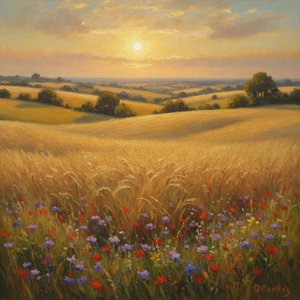
Golden Fields & Sun-Drenched Meadows: Capturing the Soul of Impressionist Landscapes
Immerse yourself in the luminous world of Impressionist landscapes. Discover how masters like Monet and Gauguin captured ephemeral light through plein air painting, and learn to bring the soul of sun-drenched meadows into your home with exquisite, hand-painted oil reproductions.

The Beauty of Impermanence: Capturing Decay through Impressionist Eyes
Explore the profound beauty of impermanence through Impressionist and Post-Impressionist eyes. Discover how masters like Monet and Van Gogh captured fleeting light and the poetic essence of nature's transitions in our deep dive into art history and emotional landscapes.

Capturing Light: The Ethereal Beauty and Timeless Legacy of Watercolor Landscapes
Embark on a visual journey through the ethereal beauty of watercolor landscapes. Discover how Impressionist masters captured light and emotion, and learn to bring this timeless, luminous elegance into your home with expert art curation and hand-painted reproductions.

Capturing the Soul: The Most Emotionally Moving Impressionist and Post-Impressionist Masterpieces
Discover the profound emotional depth of Impressionist and Post-Impressionist masterpieces. Explore how legends like Monet, Van Gogh, and Gauguin captured light and soul through evocative landscapes and vibrant brushwork for a timeless connection to art history.

Beyond the Light: Capturing Raw Emotion and Subjective Vision in Post-Impressionist Landscapes
Explore the profound emotional depth of Post-Impressionist landscapes. Discover how masters like Van Gogh moved beyond light to capture raw human feeling through vibrant color and expressive texture in this expert art history retrospective.