


 In echtem Maßstab anzeigen
 Versenden als Grußkarte
 Teilen
 Details anzeigen
 Leitfaden öffnen

 Herunterladen
 Ähnliche Objekte
 Röntgenaufnahme
 Diashow
 Besucherstatistiken
Der Trinker
 Öl auf Leinwand
- Wandkunst
- Post-Impressionismus
 1891
1891- 19. Jahrhundert
 47.0 x 39.0 cm
Paul Cézannes 'Der Trinker' fängt introspektive Momente ein. Entdecken Sie dieses Schlüsselwerk des Post-Impressionismus und lassen Sie sich von Cézannes einzigartiger Vision inspirieren.
 Mehr anzeigen
Erkunden Sie die revolutionäre Kunst von Paul Cézanne (1839–1906), einem Postimpressionisten, der Impressionismus und Kubismus miteinander verband. Entdecken Sie seine geometrischen Formen, seine einzigartigen Pinselstriche, Stilllebenmalereien und seinen bleibenden Einfluss auf die moderne Kunst. #Cézanne #PostImpressionismus
Giclée / Kunstdruck
Giclée- oder Leinwanddruck in Museumsqualität mit schneller Produktion und flexiblen Veredelungsoptionen. ( Handgemalte Reproduktion kaufen Zum digitalen Bild wechseln)




P118B €10

P118H €10

P118W €10

P438Z €10

P508JH €12

P508YH €12

P805H €10

P805Z €10

P919BZ €10

P919G €10

P919XJ €10

P959ZH €10

P968JZ €12

W106C €8

W218G €10

W218JH €8

W218Y €10

W307PJ €10

W316G €10

W316PJ €8

W316Y €10

W398PJ €8

W4111J €10

W500HY €15

W500JH €15

W692G €12

W849H €8

W940BG €15

W953PJ €8




Standardformat
individuell anpassbar
CM
INCH
Wählen Sie aus unseren vordefinierten Formaten, die den ursprünglichen Proportionen des Kunstwerks entsprechen.
Loading sizes...

Breite
Höhe
Geben Sie die Breite und die Höhe an, die Sie benötigen, damit der Druck perfekt in Ihren Rahmen oder an Ihre Wand passt. Ein Druck kann nur beschnitten werden und niemals größer als das Originalbild gemacht werden; daher verliert ein Format mit einer anderen Proportion einen Teil des Bildes. Wir senden Ihnen ein digitales Mockup zur Freigabe, bevor wir den Druck ausführen. Das auf dieser Seite gezeigte Bild zeigt nicht den tatsächlichen Beschnitt – dies ist nur im Mockup ersichtlich.
Weltweiter Versand () innerhalb von 2 Wochen statt der üblichen 4/5 Wochen. (23 Oktober)

Kostenloser weltweiter Expressversand

Hochwertige Leinenleinwand

Vollständiger Versicherungsschutz beim Versand

Zollgebühren-Rückerstattungsgarantie

Garantie für exakte Farbtreue

100-tägiges Rückgaberecht (nur bei Mängeln)

100% Geld-zurück-Garantie

Angebot für Mengenrabatt
 Die Glasoption ist nur für Größen unter 110 cm verfügbar.

Der Trinker
Giclée / Kunstdruck
Format der Reproduktion
-


Gesamtpreis
€ 61
Paul Cézanne’s Introspective Vision: “Der Trinker”
Paul Cézanne's "Der Trinker" – “The Drinker” – is more than just a painting; it’s a profound meditation on solitude, contemplation, and the quiet dignity of human existence. Completed in 1891, this oil on canvas, now housed within The Barnes Foundation in Philadelphia, offers a captivating glimpse into the artist's evolving Post-Impressionist style – a style that would irrevocably alter the course of modern art. The painting immediately draws the viewer in with its muted palette and carefully constructed composition, inviting us to share in the figure’s internal world.
Cézanne’s approach transcends mere representation; he sought to capture not just what he saw, but *how* he perceived it. “Der Trinker” exemplifies this ambition. The subject, a man seated at a simple wooden table, is bathed in a soft, diffused light that seems to emanate from within the canvas itself. His posture – slightly slumped, head resting on his hand – speaks volumes about introspection and perhaps even weariness. The details are meticulously rendered: the worn fabric of his coat, the subtle lines etched into his face, the glint of wine in the glass—each element contributes to a sense of palpable realism, yet Cézanne deliberately avoids photographic accuracy. Instead, he employs a fragmented approach, breaking down forms into geometric shapes and planes, anticipating the revolutionary techniques of Cubism that would emerge decades later.
Post-Impressionism: A Reaction and a Revolution
To fully appreciate “Der Trinker,” it’s crucial to understand its place within the broader context of Post-Impressionism. Emerging in the late 1880s, this movement represented a deliberate departure from the fleeting impressions favored by Impressionists like Monet and Renoir. Artists such as Cézanne, Gauguin, and Van Gogh rejected the emphasis on capturing momentary light effects and instead focused on exploring form, structure, and emotional content. They sought to imbue their paintings with personal meaning and subjective experience – a desire powerfully evident in Cézanne’s work.
Cézanne's innovations extended beyond simply rejecting Impressionism; he actively developed new techniques. He experimented with multiple viewpoints within a single painting, as seen here, creating an unsettling yet compelling sense of depth and spatial ambiguity. He also employed a technique known as “alla prima,” working directly on the canvas without preliminary sketches, resulting in a vibrant, textured surface that reflects his energetic approach to artmaking. The background figures, partially obscured, add layers of narrative and invite speculation about the man’s past and present.
Symbolism and Emotional Resonance
While seemingly simple, “Der Trinker” is rich with symbolic meaning. The bottle of wine, a recurring motif in Cézanne's work, can be interpreted as representing both pleasure and melancholy – a potent combination that reflects the complexities of human experience. The man’s contemplative gaze suggests a deep engagement with his own thoughts, perhaps wrestling with unresolved issues or simply seeking solace in quiet reflection. The hat and tie, indicative of an older generation, subtly underscore themes of tradition and memory.
Cézanne's masterful use of color further enhances the painting's emotional impact. He employs a restrained palette of earthy tones – browns, ochres, and greens – creating a sense of stillness and intimacy. The subtle variations in hue and value contribute to the overall atmosphere of quiet contemplation, drawing the viewer into the man’s private world. The lighting itself is carefully considered, casting long shadows that emphasize the figure's solitude and reinforce the painting's melancholic mood.
A Legacy of Influence
Paul Cézanne’s influence on 20th-century art is undeniable. His groundbreaking approach to form, color, and perspective paved the way for movements such as Cubism, Fauvism, and Expressionism. Artists like Picasso and Matisse were deeply inspired by his work, adopting his techniques and exploring similar themes of abstraction and subjective experience. “Der Trinker” stands as a testament to Cézanne’s artistic genius – a timeless masterpiece that continues to resonate with viewers today.
Experience the beauty of art with TopImpressionists's handmade oil painting reproductions.
- Paul Gauguin: Tahitian woman’s head
- Max Ernst: Vision Induced by the Nocturnal Aspect of the Porte St. Denis
- Paul Cézanne: Table, Napkin and Fruit
Fragen & Antworten
Ist "Der Trinker" ein berühmtes Kunstwerk der Post-Impressionismus-Epoche?
Innerhalb der Post-Impressionismus-Strömung weist „Der Trinker“ ein Anerkannt Bekanntheitsniveau auf.
Welche Farbintensität weist "Der Trinker" von Paul Cézanne auf?
Die Farbsättigung von „Der Trinker“ ist Ausgewogen. Die Intensität beschreibt, wie kräftig die Farben wirken.
Für welchen Raum wird "Der Trinker" von Paul Cézanne empfohlen?
Der empfohlene Raum für "Der Trinker" von Paul Cézanne ist ein Wohnzimmer. Dieser Vorschlag kann natürlich an Ihr Interieur angepasst werden.
Ähnliche Kunstwerke


Biografie des Künstlers
frühes Leben und Einflüsse
Paul Cézanne, ein französischer Post-Impressionist-Maler, wurde am 19. Januar 1839 in Aix-en-Provence, Frankreich, geboren. Sein frühes Leben war geprägt von einer starken Verbindung zu seiner Familie’s Bankgeschäft, das ihm finanzielle Sicherheit verschaffte. Dies ermöglichte es ihm, sich ohne finanziellen Druck auf seine künstlerischen Bestrebungen zu konzentrieren. Les Nabis, Neo-Impressionismus und Symbolismus beeinflussten Cézannes frühe Arbeit, die sich durch seinen Schwerpunkt auf geometrische Formen und eine reduzierte Farbpalette auszeichnete. Sein Interesse an den Werken von Paul Gauguin und Georges Seurat festigte seinen Post-Impressionismusstil.Künstlerischer Stil und Techniken
Cézannes innovative Verwendung von Farbflächen und kleinen, sich wiederholenden Pinselstrichen schuf komplexe Felder, die seine intensive Beschäftigung mit den Motiven widerspiegelten. Sein oft explorativer Ansatz in der Kunst führte zur Entwicklung einer neuen bildlichen Sprache, die die zugrunde liegende Struktur von Objekten in einer Komposition betonte.- Schlüsselmerkmale:
- Geometrische Formen und Facetten
- Reduzierte Farbpalette
- Betonung der konstruktiven Essenz der physischen Welt
- Mehrere Perspektiven und Simultaneität
- Einflussreiche Werke:
- The Pond at Jas de Bouffan (1880)
- Portrait of Emile Zola (1866)
- Wald (1892)
- Museen mit Cézannes Werken:
- Musée Marmottan Monet in Paris, Frankreich
- The Museum of Fine Arts in Houston, Vereinigte Staaten
Vermächtnis und Einfluss
Cézannes bahnbrechende Arbeit im Post-Impressionismus ebnete den Weg für verschiedene Avantgarde-Bewegungen, darunter Kubismus, Fauvismus und Surrealismus. Sein Einfluss ist in den Werken von Pablo Picasso, Henri Matisse und Georges Braque zu sehen. Cézannes Vermächtnis inspiriert weiterhin Künstler und Kunstinteressierte gleichermaßen und festigt seinen Platz als eine zentrale Figur in der Geschichte der modernen Kunst.- Verwandte Kunstbewegungen:
- Betrachten Sie Cézannes Werke:

Paul Cézanne
1839 - 1906 , Frankreich
Eckdaten zum Künstler
- Beeinflusste Künstler:
- Paul Gauguin
- Georges Seurat
- Bemerkenswerte Werke:
- Der Teich in Jas de Bouffan
- Porträt von Émile Zola
- Wald
- Mont Sainte-Victoire
- Geburtsdatum: 19. Januar 1839
- Geburtsort: Aix-en-Provence, Frankreich
- Künstlerische Bewegung: Postimpressionismus
- Nationalität: Französisch
- Sterbedatum: 1906
- Vollständiger Name: Paul Cézanne
- Von Ihm Beeinflusste Künstler:
- Pablo Picasso
- Henri Matisse
- Georges Braque
Verwandte Artikel
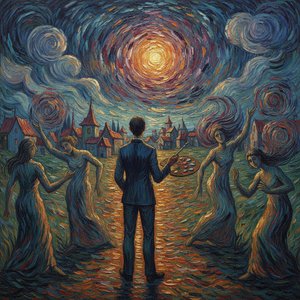
Beyond the Light: Capturing Emotion Through the Expressive Soul of Post-Impressionism
Explore the profound emotional depth of Post-Impressionism. Discover how masters like Van Gogh and Cézanne moved beyond light to capture raw feeling through color and texture. A journey into art history for the true connoisseur.
Entdecken Sie Kunstwerke, die nach Themen, Stilen und Merkmalen sortiert sind.


