


 In echtem Maßstab anzeigen
 Versenden als Grußkarte
 Teilen
 Details anzeigen
 Leitfaden öffnen

 Herunterladen
 Ähnliche Objekte
 Röntgenaufnahme
 Diashow
 Besucherstatistiken
Still Life mit Orangen
 Ölfarbe
- Wandkunst
- Post-Impressionism
 1900
1900- 19. Jahrhundert
 60.0 x 73.0 cm
Paul Cézannes 'Still Life mit Orangen' (1900): Ein Meisterwerk des Post-Impressionismus. Entdecken Sie die geometrischen Formen, leuchtenden Farben und die revolutionäre Wirkung dieses Kunstwerks.
 Mehr anzeigen
Erkunden Sie die revolutionäre Kunst von Paul Cézanne (1839–1906), einem Postimpressionisten, der Impressionismus und Kubismus miteinander verband. Entdecken Sie seine geometrischen Formen, seine einzigartigen Pinselstriche, Stilllebenmalereien und seinen bleibenden Einfluss auf die moderne Kunst. #Cézanne #PostImpressionismus
Giclée / Kunstdruck
Giclée- oder Leinwanddruck in Museumsqualität mit schneller Produktion und flexiblen Veredelungsoptionen. ( Handgemalte Reproduktion kaufen Zum digitalen Bild wechseln)




P118B €10

P118H €10

P118W €10

P438Z €10

P508JH €12

P508YH €12

P805H €10

P805Z €10

P919BZ €10

P919G €10

P919XJ €10

P959ZH €10

P968JZ €12

W106C €8

W218G €10

W218JH €8

W218Y €10

W307PJ €10

W316G €10

W316PJ €8

W316Y €10

W398PJ €8

W4111J €10

W500HY €15

W500JH €15

W692G €12

W849H €8

W940BG €15

W953PJ €8




Standardformat
individuell anpassbar
CM
INCH
Wählen Sie aus unseren vordefinierten Formaten, die den ursprünglichen Proportionen des Kunstwerks entsprechen.
Loading sizes...

Breite
Höhe
Sie können Ihre eigenen Maße eingeben, um ein bestimmtes Format oder einen speziellen Platz einzupassen. Wenn das von Ihnen gewählte Format nicht den Proportionen des Originalbildes entspricht, werden wir das Kunstwerk entweder beschneiden oder das Bild mit einem gespiegelten oder einfarbigen Rand erweitern. Ein digitaler Entwurf wird Ihnen zur Genehmigung zugesandt, bevor die Produktion beginnt.
Bitte beachten Sie, dass die Vorschau auf dem Bildschirm nicht den tatsächlichen Zuschnitt oder die Erweiterung widerspiegelt. Nur der Entwurf zeigt die endgültige Komposition präzise an.
Obwohl Sondermaße verfügbar sind, empfehlen wir die Auswahl eines Maßes aus der vordefinierten Liste, um die ursprünglichen Proportionen zu bewahren.
Weltweiter Versand () innerhalb von 2 Wochen statt der üblichen 4/5 Wochen. (2 Oktober)

Kostenloser weltweiter Expressversand

Hochwertige Leinenleinwand

Vollständiger Versicherungsschutz beim Versand

Zollgebühren-Rückerstattungsgarantie

Garantie für exakte Farbtreue

100-tägiges Rückgaberecht (nur bei Mängeln)

100% Geld-zurück-Garantie

Angebot für Mengenrabatt
 Die Glasoption ist nur für Größen unter 110 cm verfügbar.

Still Life mit Orangen
Giclée / Kunstdruck
Format der Reproduktion
-


Gesamtpreis
€ 60
Paul Cézanne’s “Still Life with Oranges”: A Revolution in Perception
Paul Cézanne's "Still Life with Oranges," painted in 1900, isn’t merely a depiction of fruit; it’s a profound statement about the nature of seeing and representation. This oil on canvas, measuring 60 x 73 cm, embodies the pivotal shift Cézanne instigated within late 19th-century art – a move away from traditional illusionism towards a more structured, geometric approach to capturing reality. The painting’s vibrant colors—the luminous yellows of the oranges, the deep reds and greens of the apples and bananas—are not applied in a haphazard manner but are carefully considered, each hue contributing to an overall sense of balance and harmony. Yet, it's the way Cézanne renders these familiar objects that truly captivates: he strips them down to their essential forms – cylinders, cones, and planes – building up complex compositions through layered brushstrokes.
The composition itself is deceptively simple. A rustic dining table serves as the stage for this still life, its surface acting as a grounding element against which the fruits are arranged. The vase in the center, with its delicate curve and implied volume, draws the eye inward, while the carefully positioned apples and bananas create a dynamic interplay of shapes and textures. Notice how Cézanne doesn’t attempt to mimic the exact appearance of each fruit; instead, he captures their essence – their solidity, their weight, their inherent geometry. This deliberate simplification is key to understanding Cézanne's revolutionary approach. He wasn’t interested in creating a photographic representation but rather in conveying his *perception* of these objects, translating them into a visual language that prioritized structure and form over mere imitation.
Post-Impressionism: Breaking with Tradition
Cézanne’s “Still Life with Oranges” is a quintessential example of Post-Impressionism. Emerging in the late 19th century, this movement represented a reaction against the fleeting impressions and atmospheric effects favored by Impressionists like Monet and Renoir. Cézanne, along with artists such as Van Gogh and Gauguin, sought to establish a more enduring and meaningful representation of reality. He rejected the traditional rules of perspective and employed bold brushstrokes and intense colors to express his subjective experience of the world. The painting’s flattened planes and geometric forms foreshadowed the development of Cubism, demonstrating Cézanne's profound influence on 20th-century art.
The deliberate use of color is particularly noteworthy. Cézanne wasn’t concerned with capturing the exact hues of the fruits; instead, he used color to define form and create a sense of depth. The oranges, for instance, are rendered in a range of yellows and ochres, suggesting their three-dimensional volume. Similarly, the apples and bananas are depicted with varying shades of red and green, emphasizing their tactile qualities. This approach to color—a departure from Impressionism’s emphasis on capturing light and atmosphere—was central to Cézanne's artistic vision.
Symbolic Resonance and Artistic Intent
While seemingly a straightforward still life, “Still Life with Oranges” is laden with symbolic meaning. The fruits themselves – oranges, apples, and bananas – represent abundance, nourishment, and the pleasures of everyday life. However, Cézanne’s treatment of these objects transcends mere representation; he imbues them with an almost sculptural quality, elevating them to the status of artistic subjects in their own right. The arrangement on the table, with its carefully considered balance and harmony, suggests a desire for order and stability – a counterpoint to the perceived chaos of modern life.
Furthermore, the painting’s focus on form and structure reflects Cézanne's belief that art should be based on fundamental geometric principles. He famously stated, “Treat nature by the cylinder, the sphere, the cone.” This philosophy is evident in his meticulous rendering of the fruits as three-dimensional shapes, creating a sense of solidity and permanence. It’s this dedication to form—to capturing the underlying structure of reality—that makes Cézanne's work so enduringly influential.
A Legacy Enduring: Reproductions and Artistic Inspiration
Paul Cézanne’s “Still Life with Oranges” remains a cornerstone of modern art, admired for its innovative approach to form, color, and composition. Its influence can be seen in the works of countless artists who followed in his footsteps, including Picasso and Matisse. Today, owning a high-quality reproduction of this masterpiece offers a unique opportunity to appreciate Cézanne’s genius and to connect with one of the most transformative figures in art history. TopImpressionists.com is proud to offer meticulously crafted reproductions that capture the essence of this iconic painting, allowing you to bring its beauty and symbolism into your home or office.
TopImpressionists.com: Bringing Masterpieces to Life Through Hand-Painted Reproductions.Ähnliche Kunstwerke


Biografie des Künstlers
frühes Leben und Einflüsse
Paul Cézanne, ein französischer Post-Impressionist-Maler, wurde am 19. Januar 1839 in Aix-en-Provence, Frankreich, geboren. Sein frühes Leben war geprägt von einer starken Verbindung zu seiner Familie’s Bankgeschäft, das ihm finanzielle Sicherheit verschaffte. Dies ermöglichte es ihm, sich ohne finanziellen Druck auf seine künstlerischen Bestrebungen zu konzentrieren. Les Nabis, Neo-Impressionismus und Symbolismus beeinflussten Cézannes frühe Arbeit, die sich durch seinen Schwerpunkt auf geometrische Formen und eine reduzierte Farbpalette auszeichnete. Sein Interesse an den Werken von Paul Gauguin und Georges Seurat festigte seinen Post-Impressionismusstil.Künstlerischer Stil und Techniken
Cézannes innovative Verwendung von Farbflächen und kleinen, sich wiederholenden Pinselstrichen schuf komplexe Felder, die seine intensive Beschäftigung mit den Motiven widerspiegelten. Sein oft explorativer Ansatz in der Kunst führte zur Entwicklung einer neuen bildlichen Sprache, die die zugrunde liegende Struktur von Objekten in einer Komposition betonte.- Schlüsselmerkmale:
- Geometrische Formen und Facetten
- Reduzierte Farbpalette
- Betonung der konstruktiven Essenz der physischen Welt
- Mehrere Perspektiven und Simultaneität
- Einflussreiche Werke:
- The Pond at Jas de Bouffan (1880)
- Portrait of Emile Zola (1866)
- Wald (1892)
- Museen mit Cézannes Werken:
- Musée Marmottan Monet in Paris, Frankreich
- The Museum of Fine Arts in Houston, Vereinigte Staaten
Vermächtnis und Einfluss
Cézannes bahnbrechende Arbeit im Post-Impressionismus ebnete den Weg für verschiedene Avantgarde-Bewegungen, darunter Kubismus, Fauvismus und Surrealismus. Sein Einfluss ist in den Werken von Pablo Picasso, Henri Matisse und Georges Braque zu sehen. Cézannes Vermächtnis inspiriert weiterhin Künstler und Kunstinteressierte gleichermaßen und festigt seinen Platz als eine zentrale Figur in der Geschichte der modernen Kunst.- Verwandte Kunstbewegungen:
- Betrachten Sie Cézannes Werke:

Paul Cézanne
1839 - 1906 , Frankreich
Eckdaten zum Künstler
- Beeinflusste Künstler:
- Paul Gauguin
- Georges Seurat
- Bemerkenswerte Werke:
- Der Teich in Jas de Bouffan
- Porträt von Émile Zola
- Wald
- Mont Sainte-Victoire
- Geburtsdatum: 19. Januar 1839
- Geburtsort: Aix-en-Provence, Frankreich
- Künstlerische Bewegung: Postimpressionismus
- Nationalität: Französisch
- Sterbedatum: 1906
- Vollständiger Name: Paul Cézanne
- Von Ihm Beeinflusste Künstler:
- Pablo Picasso
- Henri Matisse
- Georges Braque
Verwandte Artikel

Jenseits des Impressionismus: Die emotionale Tiefe der postimpressionistischen Malerei
Entdecken Sie die emotionale Tiefe des Postimpressionismus! Analysieren Sie Cézanne, van Gogh, Gauguin & Seurat. Expertenwissen über Kunstgeschichte und Einfluss auf die Moderne.

Paul Klee: Die 25 Meisterwerke des Abstrakten – Kunst für Ihr Zuhause | TopImpressionists
Entdecken Sie die 25 Meisterwerke von Paul Klee! Tauchen Sie ein in seine abstrakte Welt, voller Expressionismus und Bauhaus-Einflüsse. Hochwertige Kunst für Ihr Zuhause – jetzt bei TopImpressionists entdecken!
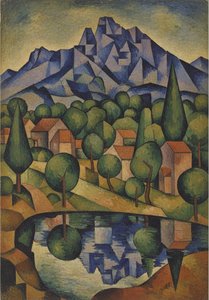
Mastering the Post-Impressionist Vision: A Definitive Guide to the Geometric Soul of Cézanne’s Artistry
Explore the profound legacy of Paul Cézanne. Discover how his mastery of geometric forms and vibrant color bridged Impressionism and Cubism, offering timeless inspiration for fine art collectors and enthusiasts seeking to understand the foundations of modern art.

Paul Cézanne: Die 25 Meisterwerke des Impressionismus | TopImpressionists
Entdecken Sie die 25 Meisterwerke von Paul Cézanne! Tauchen Sie ein in die Welt des Impressionismus und Postimpressionismus. Erfahren Sie mehr über seine Stillleben, Landschaften & berühmten Gemälde – jetzt hochwertige Kunstdrucke auf TopImpressionists.com.

Beyond Impressionism: Exploring Emotional Depth & Formal Innovation in Post-Impressionist Art
Explore the profound emotional depth & formal innovations of Post-Impressionism with our expert guide. Discover Cézanne, Van Gogh, Gauguin & more. Learn about art history, collecting, and investing in this pivotal movement.
Entdecken Sie Kunstwerke, die nach Themen, Stilen und Merkmalen sortiert sind.


