Vorschau anzeigen
 Versenden
 Teilen
 Details anzeigen
 Leitfaden

 Herunterladen
 Ähnliche Objekte
 Röntgenaufnahme
 Diashow
 Q&A
Q&A Statistiken
Colour Spheres
 Acrylic On Canvas
- WallArt
- German Romanticism
 1809
1809- 19th Century
 225.0 x 189.0 cm
 Hamburger Kunsthalle
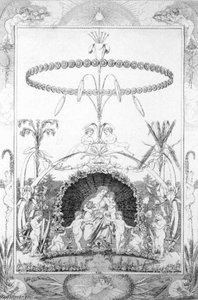
Experience 'Colour Spheres' by Philipp Otto Runge – a mesmerizing 1809 engraving depicting vibrant color spheres arranged in a harmonious circular design. A captivating piece of Romantic art.
 Weiterlesen
Philipp Otto Runge (1777-1810) war ein deutscher Romantiker, berühmt für seine symbolträchtigen Landschaften, Porträts und bahnbrechende Farbtheorie ('Farbenkugel'). Entdecken Sie seine mystische Kunst und seinen bleibenden Einfluss.
Giclée / Kunstdruck
Giclée- oder Leinwanddruck in Museumsqualität mit schneller Produktion und flexiblen Veredelungsoptionen. ( Handgemalte Reproduktion bestellen Zum digitalen Bild wechseln)




P118B €10

P118H €10

P118W €10

P438Z €10

P508JH €12

P508YH €12

P805H €10

P805Z €10

P919BZ €10

P919G €10

P919XJ €10

P959ZH €10

P968JZ €12

W106C €8

W218G €10

W218JH €8

W218Y €10

W307PJ €10

W316G €10

W316PJ €8

W316Y €10

W398PJ €8

W4111J €10

W500HY €15

W500JH €15

W692G €12

W849H €8

W940BG €15

W953PJ €8




Standardformat
individuell anpassbar
CM
INCH
Wählen Sie aus unseren vordefinierten Formaten, die den ursprünglichen Proportionen des Kunstwerks entsprechen.
Loading sizes...

Breite
Höhe
Geben Sie die benötigte Breite und Höhe an, damit der Druck perfekt in Ihren Rahmen oder an Ihre Wand passt. Ein Druck kann nur beschnitten, aber niemals größer als das Originalbild angefertigt werden; daher verliert ein Format mit anderen Proportionen einen Teil des Bildes. Wir senden Ihnen ein digitales Mockup zur Freigabe, bevor wir den Druck ausführen. Das auf dieser Seite gezeigte Bild zeigt nicht den tatsächlichen Beschnitt – dies ist nur im Mockup ersichtlich.
Weltweiter Versand () innerhalb von 2 Wochen statt der üblichen 4/5 Wochen. (31 Oktober)

Kostenloser weltweiter Expressversand

Hochwertige Leinenleinwand

Umfassender Versicherungsschutz beim Versand

Zollgebühren-Rückerstattungsgarantie

Garantie für exakte Farbtreue

100 Tage Rückgaberecht (nur bei Mängeln)

100% Geld-zurück-Garantie

Mengenrabatt verfügbar
 Die Glasoption ist nur für Größen unter 110 cm verfügbar.

Colour Spheres
Giclée / Kunstdruck
Format der Reproduktion
-


Endpreis
€ 61
A Symphony of Color: Philipp Otto Runge’s “Colour Spheres”
Philipp Otto Runge's "Colour Spheres," painted in 1809, isn’t merely a depiction of spheres; it’s an intensely personal and profoundly symbolic exploration of color theory, spirituality, and the very essence of perception. Created during a pivotal moment in German Romanticism – a period grappling with tradition versus innovation, reason versus emotion – Runge sought to move beyond the constraints of academic painting and forge a new visual language rooted in his own deeply felt inner world. The work, now housed within the Kunsthalle in Hamburg, Germany, is a testament to this ambition, radiating an almost palpable sense of contemplative energy.
The composition itself is deceptively simple: four distinct spheres dominate the canvas, each imbued with a unique chromatic harmony. These aren’t static objects; they appear to pulse with light and movement, their surfaces shimmering with subtle gradations of color. Runge masterfully employs a technique reminiscent of both pastel drawing and early Impressionism – delicate layering of translucent washes creates an ethereal quality, while careful attention to value and hue establishes a remarkable sense of depth and luminosity. The spheres aren’t rendered with photographic realism; instead, they are idealized forms, suggesting a connection to the divine or the abstract realms of consciousness. The choice of materials—engraving media—contributes to this luminous effect, allowing for a richness of tone rarely achieved with oil paint alone.
The Roots of Color Theory and Spiritual Symbolism
Runge’s fascination with color stemmed from his deep engagement with the philosophy of Jakob Böhme, a 17th-century German mystic who believed that colors possessed inherent spiritual significance. Böhme posited that each hue corresponded to a specific stage of human development or a particular aspect of the divine. Runge sought to translate these esoteric ideas into visual form, believing that color could be used to unlock deeper levels of understanding and experience. His work reflects this intellectual pursuit, moving beyond mere representation to become a vehicle for conveying complex philosophical concepts.
The arrangement of the spheres themselves is laden with symbolic meaning. The central sphere, predominantly red, often represents passion, energy, and earthly existence – the realm of the senses. The green sphere embodies growth, harmony, and connection to nature. Blue signifies intellect, contemplation, and the spiritual realm. Yellow, positioned furthest from the viewer, evokes joy, enlightenment, and divine grace. The circular arrangement suggests a cyclical process—a journey through different states of consciousness or stages of life. It’s important to note that Runge's color theory was radically different from prevailing scientific understanding at the time; he prioritized subjective experience over objective measurement.
A Dialogue with Goethe and the Romantic Spirit
Runge’s work resonated deeply with his contemporary, Johann Wolfgang von Goethe, who shared a profound interest in color theory. The two artists engaged in extensive correspondence, exchanging ideas about the nature of perception and the expressive potential of color. Indeed, Runge's exploration of color was heavily influenced by Goethe’s theories on optics and aesthetics. This intellectual exchange highlights the vibrant artistic and philosophical ferment of the early 19th century – a period marked by a renewed interest in spirituality, emotion, and the power of individual experience.
Furthermore, “Colour Spheres” embodies the core tenets of German Romanticism: an emphasis on intuition, imagination, and the sublime. It rejects the rationalism of the Enlightenment in favor of a more subjective and emotionally charged approach to art. The painting’s evocative atmosphere—its sense of mystery, wonder, and spiritual yearning—captures the essence of this artistic movement perfectly. It invites the viewer not simply to *see* the colors but to *feel* them, to connect with their own inner world.
Collecting a Timeless Masterpiece
Reproductions of “Colour Spheres” offer a remarkable opportunity to bring Runge’s visionary aesthetic into any interior space. The delicate layering and luminous quality of the original are faithfully reproduced in high-quality prints, allowing the painting's subtle nuances to shine through. Whether displayed as a statement piece or incorporated into a more restrained color scheme, this artwork will undoubtedly serve as a focal point, sparking conversation and inspiring contemplation. Consider commissioning a hand-painted reproduction – a truly unique and authentic representation of this seminal work of German Romantic art.
Fragen & Antworten
Für welche Verwendung wird ein Druck von "Colour Spheres" empfohlen?
Die empfohlene Verwendung eines Drucks von „Colour Spheres“ ist Statement.
Wie stark ist der Kontrast in "Colour Spheres" von Philipp Otto Runge?
Der Hell-Dunkel-Kontrast von „Colour Spheres“ wird mit Statement angegeben. Der Kontrast beschreibt, wie stark sich helle und dunkle Bereiche voneinander unterscheiden.
Kann "Colour Spheres" in Augmented Reality vorab betrachtet werden?
Auf der AR-Vorschau-Seite von "Colour Spheres" von Philipp Otto Runge können Sie das Kunstwerk mithilfe von Augmented Reality auf einem kompatiblen Gerät direkt in Ihren eigenen Räumlichkeiten erleben.
Künstlerbiografie
Ein Leben im Licht innerer Visionen
Philipp Otto Runge, ein Name, der mit dem aufkommenden Geist der deutschen Romantik in Resonanz steht, war ein Künstler, dessen tragisch kurzes Leben die tiefe Originalität seiner Vision nicht minderte. Geboren 1777 in Wolgast, damals Teil von Schwedisch-Pommern, entstammte Runge einer Familie, die im Schiffbau verwurzelt und mit preußischem Adel verbunden war. Seine frühen Jahre waren von Krankheit geprägt, was eine kontemplative Natur förderte, die seine künstlerischen Bestrebungen tiefgreifend beeinflussen sollte. Diese Zeit körperlicher Zerbrechlichkeit nährte auch ein frühes Talent für *Scherenschnitte*, eine Praxis, die er während seines gesamten Lebens fortsetzte – ein Beweis für seine angeborene Fähigkeit, Form und Emotion mit bemerkenswerter Präzision zu destillieren. Seine formale Ausbildung begann später als üblich, zunächst durch eine kaufmännische Lehre in Hamburg bei seinem Bruder Daniel. Doch der Drang nach künstlerischem Ausdruck erwies sich als stärker, was ihn 1799 nach Kopenhagen führte, um Malerei unter Jens Juel zu studieren. Dies markierte den eigentlichen Beginn von Runges Weg, einer der innovativsten und spirituell inspiriertesten Künstler Deutschlands zu werden.Die Morgendämmerung des romantischen Symbolismus
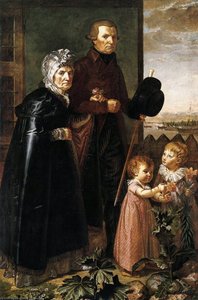
Runges künstlerische Entwicklung wurde maßgeblich durch seinen Umzug nach Dresden im Jahr 1801 geprägt, wo er auf zentrale Figuren wie Caspar David Friedrich und Ludwig Tieck traf. Hier lernte er auch Pauline Bassenge kennen, die er 1804 heiratete. Diese Zeit war von einer wachsenden Faszination für die mystischen Schriften Jakob Böhmes geprägt, deren philosophische Erkundungen der verborgenen Harmonien des Universums tief mit Runges eigenen spirituellen Neigungen übereinstimmten. Ein entscheidender Moment kam 1803, als er unerwartet Johann Wolfgang von Goethe in Weimar traf und eine Freundschaft auf der Grundlage gemeinsamer Interessen an Farbtheorie und künstlerischem Ausdruck schloss. Diese Begegnung erwies sich als transformativ und ermutigte Runge, tiefer in die symbolische Sprache der Kunst einzutauchen und die Verbundenheit aller Dinge zu erforschen. Seine frühen Werke spiegelten diese aufkeimende romantische Sensibilität wider und bewegten sich von der neoklassizistischen Zurückhaltung hin zu emotional aufgeladenen Landschaften und Porträts, die mit persönlicher Bedeutung erfüllt waren. *Die Hülsenbecker Kinder* (1805) sind beispielsweise nicht nur ein Porträt, sondern eine ergreifende Darstellung familiärer Intimität und der Unschuld der Kindheit, gerendert in einer fast ätherischen Qualität.Farbe als kosmische Sprache
Runges bleibendes Erbe liegt in seiner bahnbrechenden Arbeit zur Farbtheorie. Er glaubte, dass Farbe nicht nur ein visuelles Phänomen sei, sondern eine fundamentale Kraft, die unsere Wahrnehmung der Realität prägt und göttliche Ordnung widerspiegelt. Diese Überzeugung führte zur Entwicklung seines *Farben-Kugel* (Farbkugel), veröffentlicht im Jahr 1810, kurz vor seinem frühen Tod an Tuberkulose im Alter von dreiunddreißig Jahren. Die Farbkugel war nicht nur eine wissenschaftliche Abhandlung; sie war ein Versuch, das gesamte Farbspektrum auf eine dreidimensionale Form abzubilden, wobei Weiß und Schwarz gegensätzliche Pole darstellten und die Primärfarben – Blau, Gelb und Rot – die christliche Dreifaltigkeit symbolisierten. Blau repräsentierte Gott und die Nacht, Rot stand für Morgen, Abend und Jesus, während Gelb den Heiligen Geist verkörperte. Runges akribische Farbversuche waren ein Versuch, seine theoretischen Rahmenbedingungen empirisch zu untermauern und zu demonstrieren, wie Farben harmonisch miteinander verschmolzen werden können, um eine Vielzahl von Farbtönen zu erzeugen. Diese Erforschung war nicht isoliert; sie war eng mit seiner künstlerischen Praxis verwoben und beeinflusste die symbolische Verwendung von Farbe in seinen Gemälden und Zeichnungen.Die unvollendete Symphonie der ‘Tageszeiten’
Runge strebte nach einem *Gesamtkunstwerk* – einem totalen Kunstwerk –, das Malerei, Poesie, Musik und Architektur zu einer einheitlichen Sinneserfahrung verschmelzen würde. Diese Ambition fand ihren ehrgeizigsten Ausdruck in seiner Serie *Tageszeiten*, die er 1803 begann. Das Projekt umfasste vier monumentale Gemälde, die Morgen, Mittag, Abend und Nacht darstellten, von denen jedes in einem speziell dafür errichteten Gebäude zusammen mit Musik und Poesie betrachtet werden sollte. Obwohl nur zwei Versionen von „Morgen“ vollendet wurden, zeigen die Zeichnungen für den gesamten Zyklus Runges tiefes Verständnis von Symbolik und seinen Wunsch, das spirituelle Wesen der Zeit selbst einzufangen. Diese Werke markierten eine Abkehr von traditioneller Landschaftsmalerei und verliehen der Natur religiöse und emotionale Bedeutung. Er versuchte nicht nur, die äußere Welt darzustellen, sondern ihre innere Harmonie und göttliche Präsenz zu vermitteln. Das Konzept war für seine Zeit revolutionär und antizipierte spätere Entwicklungen in abstrakter Kunst und Multimedia-Installationen.Ein bleibender Einfluss
Obwohl seine Karriere durch Krankheit vorzeitig beendet wurde, ist Philipp Otto Runges Einfluss auf die deutsche Romantik und die Entwicklung der modernen Kunst unbestreitbar. Seine Erforschung der Farbtheorie beeinflusste Generationen von Künstlern, darunter auch diejenigen, die mit der Bauhaus-Bewegung verbunden waren. Sein Fokus auf Symbolik und emotionalen Ausdruck ebnete den Weg für spätere expressionistische Maler. Runges einzigartige Verbindung aus wissenschaftlicher Forschung, spiritueller Überzeugung und künstlerischer Innovation fasziniert und inspiriert bis heute. Er bleibt eine zentrale Figur der Kunstgeschichte – ein visionärer Künstler, der es wagte, die verborgenen Tiefen menschlicher Wahrnehmung und die Mysterien des Universums durch die Sprache von Farbe, Form und Symbolik zu erforschen. Seine Werke sind nicht nur Gemälde; sie sind Fenster in eine Welt, die von innerer Vision erleuchtet wird und uns einlädt, über die tiefe Verbundenheit aller Dinge nachzudenken.
Philipp Otto Runge
1777 - 1810 , Deutschland
Kurzinfos
- Artistic Movement Or Style: Romantik
- Artists Or Movements Influenced By This Artist: ['Caspar David Friedrich']
- Artists Who Influenced This Artist:
- Goethe
- Tieck
- Date Of Birth: 23. Juli 1777
- Date Of Death: 2. Dezember 1810
- Full Name: Philipp Otto Runge
- Nationality: Deutsch
- Notable Artworks:
- Hülsenbeck Kinder
- Times of Day
- Place Of Birth (City And Country): Wolgast, Deutschland
Ähnliche Artikel

Die filigrane Welt des Kupferstichs: Technik, Kunst und bleibendes Erbe
Entdecken Sie die faszinierende Welt des Kupferstichs! Erfahren Sie alles über Technik, Geschichte, Künstler und Sammlungen – mit Expertenwissen von TopImpressionists.

Engraving: A Historical Survey of Technique, Artistic Expression & Enduring Legacy
Explore the rich history of engraving with TopImpressionists. Discover techniques, iconic artists like Dürer & Callot, collecting tips, and expert guidance for preserving your art investment. Learn about intaglio printing & more!

The Precision of the Burin: An Expert Guide to the High-Impact World of Masterful Engraving Art
Discover the sharp, high-impact world of engraving art. Our expert guide explores intaglio techniques, the mastery of the burin, and how collectors can appreciate the precision and enduring legacy of this profound graphic art form.

Die 25 besten Gemälde von Paul Cézanne: Meisterwerke der Form
Entdecken Sie die 25 Meisterwerke von Paul Cézanne und den Postimpressionismus. Alle Klassiker auf TopImpressionists.com online erleben.

Die 10 legendärsten Radierungen: Meisterwerke, die Kunstgeschichte schrieben | TopImpressionists
Entdecken Sie die 10 legendärsten Radierungen von Dürer, Rembrandt & Goya! Erfahren Sie die Geschichten hinter diesen Meisterwerken der Kunstgeschichte und lassen Sie sich von Druckgrafik inspirieren. Hochwertige Kunstdrucke auf TopImpressionists.com – für Ihr Zuhause.
Entdecken Sie Kunstwerke, die nach Themen, Stilen und Merkmalen sortiert sind.