


 Vorschau anzeigen
 Versenden
 Teilen
 Details anzeigen
 Leitfaden

 Herunterladen
 Ähnliche Objekte
 Röntgenaufnahme
 Diashow
 Statistiken
Landscape in Normady
 Oil On Canvas
- WallArt
- Post-Impressionism
 1920
1920- Modern
 100.0 x 60.0 cm
A vibrant post-impressionist landscape by Pierre Bonnard featuring lush green fields and rolling hills under a clear blue sky, offering a tranquil window into 1920s France for your private collection.
 Weiterlesen
Entdecken Sie Pierre Bonnard (1867-1947), den französischen Postimpressionisten! Seine intimen Häuslichkeitsszenen & lebendigen Farben machen ihn einzigartig. Erfahren Sie mehr über sein Werk!
Giclée / Kunstdruck
Giclée- oder Leinwanddruck in Museumsqualität mit schneller Produktion und flexiblen Veredelungsoptionen. ( Handgemalte Reproduktion bestellen Zum digitalen Bild wechseln)




P118B €10

P118H €10

P118W €10

P438Z €10

P508JH €12

P508YH €12

P805H €10

P805Z €10

P919BZ €10

P919G €10

P919XJ €10

P959ZH €10

P968JZ €12

W106C €8

W218G €10

W218JH €8

W218Y €10

W307PJ €10

W316G €10

W316PJ €8

W316Y €10

W398PJ €8

W4111J €10

W500HY €15

W500JH €15

W692G €12

W849H €8

W940BG €15

W953PJ €8




Standardformat
individuell anpassbar
CM
INCH
Wählen Sie aus unseren vordefinierten Formaten, die den ursprünglichen Proportionen des Kunstwerks entsprechen.
Loading sizes...

Breite
Höhe
Geben Sie die benötigte Breite und Höhe an, damit der Druck perfekt in Ihren Rahmen oder an Ihre Wand passt. Ein Druck kann nur beschnitten, aber niemals größer als das Originalbild angefertigt werden; daher verliert ein Format mit anderen Proportionen einen Teil des Bildes. Wir senden Ihnen ein digitales Mockup zur Freigabe, bevor wir den Druck ausführen. Das auf dieser Seite gezeigte Bild zeigt nicht den tatsächlichen Beschnitt – dies ist nur im Mockup ersichtlich.
Weltweiter Versand () innerhalb von 2 Wochen statt der üblichen 4/5 Wochen. (26 Oktober)

Kostenloser weltweiter Expressversand

Hochwertige Leinenleinwand

Umfassender Versicherungsschutz beim Versand

Zollgebühren-Rückerstattungsgarantie

Garantie für exakte Farbtreue

100 Tage Rückgaberecht (nur bei Mängeln)

100% Geld-zurück-Garantie

Mengenrabatt verfügbar
 Die Glasoption ist nur für Größen unter 110 cm verfügbar.

Landscape in Normady
Giclée / Kunstdruck
Format der Reproduktion
-


Endpreis
€ 61
A Symphony of Light and Verdure
In the gentle embrace of Pierre Bonnard’s Landscape in Normandy, we find ourselves transported to a world where the boundaries between reality and memory begin to dissolve. Painted in 1920, this masterpiece serves as a breathtaking testament to the Post-Impressionist spirit, capturing not just a physical location, but an emotional atmosphere. The canvas unfolds with a lush, vibrant green field that seems to pulse with life, stretching toward a horizon where the earth meets a crystalline blue sky. Bonnard, a master of the Nabis movement, utilizes a palette that feels both deeply grounded in nature and dreamily elevated by light. The composition is anchored by dark, intricate trees that provide a rhythmic structure to the scene, their silhouettes acting as delicate lace against the vastness of the heavens.
The technique employed here is nothing short of hypnotic. Eschewing the rigid lines of academic tradition, Bonnard utilizes loose, expressive brushstrokes that allow colors to bleed and dance into one another. This method creates a sense of movement, as if a soft breeze is passing through the foliage at the very moment we gaze upon it. The interplay of light and shadow is particularly masterful; the artist does not merely depict sunlight, but rather captures its warmth and its transformative power over the landscape. For the discerning collector or interior designer, this painting offers a profound sense of depth and three-dimensionality, making it a centerpiece capable of breathing vitality into any sophisticated space.
The Intimacy of the French Landscape
Beyond the technical brilliance lies a deeper, more poignant narrative. During this period of his life, Bonnard was deeply invested in capturing the quiet, domestic, and pastoral rhythms of French life. In Landscape in Normandy, the inclusion of small, indistinct figures adds a layer of human connection to the sprawling natural world. These tiny silhouettes do not dominate the scene; instead, they serve as anchors of scale, reminding us of our humble place within the grandeur of nature. They suggest a moment of quiet repose, a fleeting instance of peace in a world that was, in 1920, still recovering from the tremors of global conflict.
The rolling hills in the background, soft and undulating like waves of silk, contribute to an overwhelming sense of tranquility. There is a rhythmic harmony in the way the green foreground transitions into the deep tones of the middle ground, eventually yielding to the infinite blue above. This seamless flow creates a meditative experience for the viewer, inviting one to lose themselves in the pastoral beauty. For those seeking to curate an environment of serenity and elegance, this reproduction offers more than just decoration; it provides a window into a timeless, sun-drenched era of French art history, embodying a legacy of light, color, and profound emotional resonance.
Fragen & Antworten
Welche Farbe dominiert in "Landscape in Normady" von Pierre Bonnard?
Espresso (#49584e) ist die dominierende Farbe von "Landscape in Normady" von Pierre Bonnard.
Wofür wird eine Reproduktion von "Landscape in Normady" von Pierre Bonnard empfohlen?
Eine Reproduktion von "Landscape in Normady" von Pierre Bonnard wird für Mood empfohlen. Dieser Vorschlag ergibt sich aus dem Motiv, der Stimmung und den Farben des Werkes.
Wer hat "Landscape in Normady" geschaffen und in welchem Jahr?
Pierre Bonnard schuf „Landscape in Normady“ im Jahr 1920.
Ähnliche Kunstwerke


Künstlerbiografie
Frühe Jahre und Karriere
Pierre Bonnard wurde am 3. Oktober 1867 in Fontenay-aux-Roses, im Département Hauts-de-Seine, geboren. Er entstammte einer wohlhabenden Familie; sein Vater war ein hoher Beamter im französischen Kriegsministerium. Bonnard zeigte früh künstlerisches Talent und besuchte zunächst das Lycée Louis-le-Grand und später das Lycée Charlemagne in Vanves. Obwohl er von seinem Vater dazu gedrängt wurde, eine Karriere im Staatsdienst anzutreten, entschied sich Bonnard für die Kunst. Er studierte Jura, um seinen Vater zufriedenzustellen, begann aber gleichzeitig mit dem Studium an der Académie Julian und der École des Beaux-Arts, wo er Freundschaften mit anderen Künstlern wie Édouard Vuillard schloss.Die Nabi-Bewegung und Postimpressionismus
Um 1891 lernte Bonnard Toulouse-Lautrec kennen und begann, seine Werke auf Ausstellungen zu zeigen. Er engagierte sich auch in der Zeitschrift *La Revue Blanche*, für die er Frontispizien entwarf. Bonnard war ein Gründungsmitglied der Nabi-Bewegung (*Les Nabis*), einer Gruppe von Künstlern, die sich gegen den Impressionismus wandten und nach neuen Ausdrucksformen suchten. Die frühen Werke Bonnards zeigen den Einfluss japanischer Holzschnitte und Paul Gauguins. Er entwickelte einen eigenen Stil, der durch eine Vereinfachung der Formen und eine Verwendung flacher Farbflächen gekennzeichnet ist.Intimität und häusliche Szenen
Bonnard bevorzugte es, aus dem Gedächtnis zu malen und nutzte Skizzen als Referenzmaterial. Dies verlieh seinen Bildern eine traumartige Qualität. Er widmete sich vor allem intimen häuslichen Szenen, oft mit seiner Frau Marthe de Meligny als Modell. Diese Darstellung des Alltäglichen und Intimen brachte ihm den Beinamen "Intimisten" ein. Bonnard konzentrierte sich auf die Wiedergabe von Lichtstimmungen und Farbkombinationen, wobei er die Perspektive oft vernachlässigte.Spätere Jahre und künstlerische Entwicklung
In den 1910er Jahren zog Bonnard nach Vernonnet in der Normandie, wo er das Haus "La Roulotte" kaufte. Hier schuf er zahlreiche Gemälde, inspiriert von der Landschaft und dem Garten. Er pflegte eine enge Freundschaft zu Claude Monet, der ebenfalls in Giverny lebte. Bonnards Farbpalette wurde zunehmend intensiver und leuchtender. Nach Monets Tod zog Bonnard nach Le Cannet an der Côte d'Azur, wo er bis zu seinem Tod am 23. Januar 1947 lebte. Er vollendete sein letztes Gemälde, *Die Mandeltraube in Blüte*, nur wenige Tage vor seinem Ableben.Bedeutung und Vermächtnis
Pierre Bonnard gilt als einer der bedeutendsten französischen Maler des frühen 20. Jahrhunderts. Sein Werk zeichnet sich durch eine einzigartige Sensibilität für Farbe und Licht aus. Er trug maßgeblich zur Entwicklung des Postimpressionismus bei und beeinflusste nachfolgende Künstlergenerationen. Bonnards Gemälde sind heute in zahlreichen renommierten Museen weltweit zu sehen, darunter das Musée Marmottan Monet in Paris und das Art Institute of Chicago.
Pierre Bonnard
1867 - 1947 , Frankreich
Kurzinfos
- Beeinflusste Künstler/Bewegungen: ['Intimismus']
- Bemerkenswerte Werke:
- Frau in kariertem Kleid (1890)
- Die Mandeltraube in Blüte
- Einflussreiche Künstler:
- Paul Gauguin
- Hokusai
- Geburtsdatum: 03. Oktober 1867
- Geburtsort: Fontenay-aux-Roses, Frankreich
- Künstlerische Bewegung: Postimpressionismus, Nabi
- Nationalität: Französisch
- Sterbedatum: 23. Januar 1947
- Vollständiger Name: Pierre Bonnard
Ähnliche Artikel

Beyond the Light: Discovering the Soul and Emotional Depth of Post-Impressionism
Embark on a cultural journey through Post-Impressionism. Discover the profound emotional depth of masters like Van Gogh and Cézanne, exploring how they moved beyond light to capture the very soul of human experience through vibrant color and symbolic form.
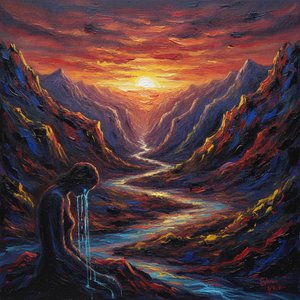
Capturing Emotion: A Journey Through the Soul of Expressionist Landscapes
Explore the profound emotional depth of Expressionist landscapes. Discover how Post-Impressionist masters moved beyond light to capture the soul through vibrant color and form. A curated journey for true art lovers seeking the beauty of expressive mastery.
Entdecken Sie Kunstwerke, die nach Themen, Stilen und Merkmalen sortiert sind.


