Vorschau anzeigen
 Versenden
 Teilen
 Details anzeigen
 Leitfaden

 Herunterladen
 Ähnliche Objekte
 Röntgenaufnahme
 Diashow
 Fragen & Antworten
 Statistiken
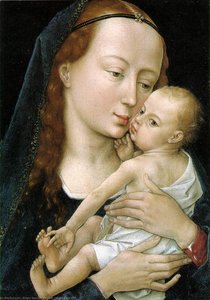
St. Katharina

- 21.0 x 18.0 cm


Rogier van der Weyden's 'St. Katharina' (1445) fesselt mit ihrer eindringlichen Darstellung einer Renaissance-Dame. Ein Meisterwerk in Öl auf Holz, heute im Museu Calouste Gulbenkian zu sehen.
 Weiterlesen
Ein Meister der altniederländischen Kunst, bekannt für die Beweinung. Entdecken Sie heute seine emotionalen und detailreichen Meisterwerke.
Giclée / Kunstdruck
Giclée- oder Leinwanddruck in Museumsqualität mit schneller Produktion und flexiblen Veredelungsoptionen. ( Handgemalte Reproduktion bestellen Zum digitalen Bild wechseln)




P118B €10

P118H €10

P118W €10

P438Z €10

P508JH €12

P508YH €12

P805H €10

P805Z €10

P919BZ €10

P919G €10

P919XJ €10

P959ZH €10

P968JZ €12

W106C €8

W218G €10

W218JH €8

W218Y €10

W307PJ €10

W316G €10

W316PJ €8

W316Y €10

W398PJ €8

W4111J €10

W500HY €15

W500JH €15

W692G €12

W849H €8

W940BG €15

W953PJ €8




Standardformat
individuell anpassbar
CM
INCH
Wählen Sie aus unseren vordefinierten Formaten, die den ursprünglichen Proportionen des Kunstwerks entsprechen.
Loading sizes...

Breite
Höhe
Geben Sie die benötigte Breite und Höhe an, damit der Druck perfekt in Ihren Rahmen oder an Ihre Wand passt. Ein Druck kann nur beschnitten, aber niemals größer als das Originalbild angefertigt werden; daher verliert ein Format mit anderen Proportionen einen Teil des Bildes. Wir senden Ihnen ein digitales Mockup zur Freigabe, bevor wir den Druck ausführen. Das auf dieser Seite gezeigte Bild zeigt nicht den tatsächlichen Beschnitt – dies ist nur im Mockup ersichtlich.
Weltweiter Versand () innerhalb von 2 Wochen statt der üblichen 4/5 Wochen. (10 November)

Kostenloser weltweiter Expressversand

Hochwertige Leinenleinwand

Umfassender Versicherungsschutz beim Versand

Zollgebühren-Rückerstattungsgarantie

Garantie für exakte Farbtreue

100 Tage Rückgaberecht (nur bei Mängeln)

100% Geld-zurück-Garantie

Mengenrabatt verfügbar
 Die Glasoption ist nur für Größen unter 110 cm verfügbar.

St. Katharina
Giclée / Kunstdruck
Format der Reproduktion
-


Endpreis
€ 63
Die St. Katharina – Ein Spiegel der Renaissance-Seele
Rogier van der Weyden’s “St. Catherine,” painted in 1445, is more than just a portrait; it's a profound meditation on faith, nobility, and the burgeoning humanism of the Early Netherlandish period. This intimate panel painting, measuring a modest 21 x 18 centimeters, radiates an almost unsettling stillness, drawing the viewer into a world of quiet contemplation. The subject, identified as St. Catherine – though her direct connection to the biblical figure remains somewhat debated by scholars – is depicted with an arresting realism that was revolutionary for its time. She’s not presented in flowing robes and dramatic gestures; instead, she appears as a dignified woman, likely a noblewoman of considerable standing, gazing directly at the observer with an expression both serene and subtly melancholic.
- The Goldsmith's Legacy: Van der Weyden’s early training as a goldsmith profoundly shaped his artistic approach. This meticulous attention to detail, born from the precision required in working precious metals, is immediately apparent in the rendering of Catherine’s garments – the intricate folds of her dress, the subtle sheen of the fabric, and the delicate embroidery all speak to an unparalleled level of craftsmanship.
- A Master of Light: The painting's use of light is particularly noteworthy. Van der Weyden employed a technique known as *sfumato*, subtly blurring outlines and creating soft transitions between light and shadow. This creates a sense of depth and volume, imbuing the figure with an almost ethereal quality.
Symbolism and Spiritual Depth
While the precise identity of the sitter remains elusive, art historians believe she represents a personification of virtue – specifically, chastity. The crown she wears is not merely a symbol of royalty but also signifies her dedication to spiritual purity. The setting itself contributes to the painting’s symbolic weight; it's a simple, uncluttered space, devoid of extraneous details, which directs all attention towards the figure and reinforces the theme of inner contemplation. The muted color palette – dominated by browns, blues, and golds – further enhances this sense of solemnity and reverence.
It’s important to note that during the 15th century, depictions of saints were often used to convey moral lessons and inspire piety within a largely illiterate population. Van der Weyden skillfully utilizes these symbolic elements to create a powerful visual narrative.Technique and Artistic Innovation
“St. Catherine” exemplifies Van der Weyden’s mastery of oil painting, a relatively new medium at the time. He expertly manipulated the pigments to achieve astonishing levels of realism – capturing not just the outward appearance but also the subtle nuances of skin texture, hair, and fabric. The layering of glazes, a technique perfected by Van der Weyden, creates a luminous surface that seems to glow from within. His ability to render such minute details with such clarity was groundbreaking for his era and set a new standard for portraiture.
- Panel Painting: The work is executed on a wooden panel, a common support for paintings during this period.
- Oil Medium: Van der Weyden’s innovative use of oil paints allowed him to achieve greater subtlety and luminosity than was possible with traditional tempera techniques.
Emotional Resonance and Contemporary Appeal
Despite its age, “St. Catherine” continues to resonate deeply with viewers today. The painting's quiet dignity, combined with the subject’s direct gaze, evokes a sense of empathy and invites us to contemplate our own spiritual journeys. It is a testament to Van der Weyden’s ability to capture not just likeness but also essence – to imbue his subjects with an enduring psychological depth. A high-quality reproduction offers a remarkable opportunity to experience the beauty and emotional power of this seminal work, bringing its timeless message into any interior space.
Fragen & Antworten
Aus welchem Land stammt das Early Netherlandish Painting-Werk „St. Katharina“?
Das Werk "St. Katharina" aus der Epoche des Early Netherlandish Painting wurde von einem Künstler geschaffen, der in Belgien geboren wurde.
Ist "St. Katharina" von Rogier Van Der Weyden ein helles oder ein dunkles Kunstwerk?
"St. Katharina" weist eine Gesamthelligkeit von tiefste Schattenwerte auf, und die Luminanz beträgt Sanfter Schatten.
Welche Farben dominieren "St. Katharina" von Rogier Van Der Weyden?
"St. Katharina" von Rogier Van Der Weyden verwendet eine Erdig-Palette, wobei Phthalogrün (#221412) die dominierende Farbe ist.
Künstlerbiografie
Das Leben und die Identität von Rogier Van Der Weyden
Der Name Rogier Van Der Weyden entspringt den sich wandelnden Sprachlandschaften des fünfzehnten Jahrhunderts. Geboren in Tournai, einem Bistum, das heute Teil Belgiens ist, um das Jahr 1399 oder 1400, bewegte er sich durch eine Welt sich entwickelnder Identitäten. Er war als Roger de la Pasture und Rogelet de le Pasture bekannt, bevor sein Name ins Niederländische als Rogier van der Weyden übersetzt wurde. Dieser Übergang spiegelt die komplexen sozialen und regionalen Texturen der burgundischen Niederlande während seiner Lebenszeit wider.
Sein Dasein war geprägt von der Wandlung vom Handwerker zu einer zentralen Figur der altniederländischen Malerei. Er navigierte durch die hochkarätigen Kreise des burgundischen Hofes und bewegte sich zwischen den urbanen Zentren von Tournai und Brüssel. Sein Leben fand am 18. Juni 1464 seinen Abschluss. Er hinterließ ein Werk, das die Kapazität für menschliche Emotionen in der Kunst der Nordrenaissance neu definierte, indem es sich von einer starren Ikonografie hin zu einer viszeralen, atmenden Realität entfernte.
Frühes Leben, Familie und Ausbildung
Die Wurzeln der Präzision, die das Werk von Rogier Van Der Weyden auszeichnen, liegen in der Werkstatt eines Messerschmieds. Sein Vater, Henri de le Pasture, war ein wohlhabender Mann, der um 1425-26 verstarb. Zusammen mit seiner Mutter, Agnes de Wattrélos – gelegentlich auch als Demoiselle Agnès de Waterlos bezeichnet – wuchs er in einem Haushalt auf, der maßgeblich vom Handwerk geprägt war. Bevor der Pinsel zu seinem primären Werkzeug wurde, schärfte Rogier vermutlich seine technischen Fähigkeiten als Goldschmied. Dieses frühe Eintauchen in die Bearbeitung edler Metalle vermittelte ihm eine Disziplin für kleinste Details und ein verfeinertes Gespür für Texturen, die später seinen ganz eigenen Ansatz der Ölmalerei definieren sollten.
Gegen Ende der 1420er Jahre vollzog sich ein entscheidender Wendepunkt in seinem beruflichen Werdegang. Am 5. März 1427 trat Rogier als Lehrling in die Werkstatt von Robert Campin ein. Diese Zeit markiert seinen Übergang von der Werkbank des Metallarbeiters zur Staffelei des Malers. Während dieser prägenden Jahre begann auch sein Privatleben Wurzeln zu schlagen. Er heiratete Elisabeth Goffaert zwischen 1426 und 1427. Aus dieser Verbindung gingen vier Kinder hervor: Cornelius, Margaretha, Pieter und Jan.
Das professionelle Wirken in Tournai und Brüssel
Der berufliche Aufstieg beginnt in Tournai. Bereits im Jahr 1427 hat er den Rang eines Meisters innerhalb der Lukasgilde erreicht. Dieser Status verleiht ihm die rechtliche und soziale Stellung, die notwendig ist, um eine formelle Werkstatt zu führen. Am 1. August 1432 sichert er sich den offiziellen Titel eines Meistermalers. Seine Präsenz in der Stadt kennzeichnet ihn als eine bedeutende Figur innerhalb der lokalen Zunftstruktur.
Der Fokus verlagert sich in der Folge nach Brüssel. Am 2. März 1436 übernimmt er das prestigeträchtige Amt des Stadtmalers von Brüssel. Diese Ernennung verankert seine Karriere im politischen und administrativen Herzen der Region. Er unterhält aktive Werkstätten sowohl in Tournai als auch in Brüssel und steuert die künstlerische Produktion über zwei bedeutende urbane Zentren hinweg. Um das Jahr 1443 herum erweitern sich seine Tätigkeiten innerhalb der Stadt; er belegt zwei aneinandergrenzende Häuser in der Goldenen Straße, unweit des Coudenberg-Palastes und des Rathauses.
Mäzene, Werkstatt und Aufträge
Der große Durchbruch gelang ihm im Jahr 1435, als Rogier Van Der Weyden in den Dienst von Philipp dem Guten, dem Herzog von Burgund, trat. Diese Ernennung festigte seinen Status an einem der einflussreichsten Höfe Europas und ließ seinen Ruf weit über die Grenzen der Benelux-Länder hinausstrahlen. Ausländische Aristokraten suchten seine Meisterschaft gezielt auf und schickten Aufträge über gewaltige Distanzen, um sich seinen unverwechselbaren Stil zu sichern. Zeit seines Lebens erwies er sich als ein überaus erfolgreicher Künstler, dessen künstlerische Präsenz bis nach Italien und Spanien reichte.
Seine Werkstatt entwickelte sich zu einem Zentrum technischer Exzellenz und künstlerischer Ausbildung. Als ehemaliger Schüler Robert Campins führte er eine Tradition höchster Präzision fort. Dabei erschuf er nicht bloß Kunstwerke; er formte die nächste Generation von Malern. Sogar Hans Memling trat in seinen Wirkungskreis und lernte jene Methoden, die die nächste Ära der nordischen Kunst definieren sollten. Die Werkstatt war dabei mit einem hohen Grad an professioneller Organisation geführt und bewältigte gleichermaßen die anspruchsvollen Wünsche städtischer Würdenträger wie die privater Mäzene.
- Die Grablegung (ca. 1435)
- Der heilige Lukas zeichnet ein Porträt der Madonna (ca. 1435)
- Die Verkündigung (ca. 1440)
- Sieben-Sakramente-Altar (1445)
- Porträt einer Dame (ca. 1460)
Technik und künstlerischer Stil
Der Pinsel führt mit der Präzision eines Goldschmieds. Indem er nach lebenden Modellen arbeitet, fängt Rogier Van Der Weyden die physische Welt mit einem akribischen, detailgetreuen Realismus ein. Er repliziert nicht bloß ein Gesicht; er meißelt es förmlich aus. Obwohl seine Beobachtungsgabe scharfzüngig und präzise ist, idealisiert er oft bestimmte Gesichtszüge und veredelt das Porträtierte zu einer Version seiner selbst, die eine ganz eigene gotische Eleganz besitzt. Diese Spannung zwischen dem Realen und dem Idealen definiert seinen Umgang mit der menschlichen Form.
Licht und Schatten fungieren als Werkzeuge psychologischer Tiefe. In seiner Porträtmalerei nutzt er dunkle Flächen, um das Subjekt zu isolieren und den Blick des Betrachters unweigerlich auf das Gesicht und die Hände zu lenken. Diese Technik beraubt das Bild jeglicher Ablenkung. Er erschafft seine Bilder durch den sorgfältigen Auftrag von Ölfarbe, wobei er transparente Lasuren schichtet, um leuchtende Effekte und ein Gefühl von profunder Tiefe zu erzielen. Seine Palette ist weitläufig; er nutzt ein ungewöhnlich breites Spektrum an Farben und variierenden Tönen, um sicherzustellen, dass keine zwei Stellen auf einer Leinwand in ihrem Farbton identisch sind. Diese Vielfalt erzeugt den Eindruck eines lebendigen, atmenden Raumes.
Emotion ist bei ihm kein nachträglicher Gedanke; sie ist in die Anatomie seiner Kompositionen eingewebt. Er erreicht ein Gefühl von ausdrucksstarkem Pathos durch subtile Gesten und die schwere, skulpturale Qualität der Gewandfalten. In Szenen intensiven Schmerzes wird die Trauer in der Neigung eines Kopfes oder der Anspannung einer Hand förmlich greifbar. Die technische Meisterschaft seines Mediums erlaubt es, dass diese Emotionen viszeral und unmittelbar wirken, anstatt lediglich symbolisch zu bleiben.
Hauptwerke und Meisterwerke
Das emotionale Gewicht des Schaffens von Rogier Van Der Weyden konzentriert sich oft auf den tiefgreifenden Schmerz der Passion. In der Beweinung Christi, die im Musée des Beaux-Arts Tournai in Belgien aufbewahrt wird, ist die Trauer förmlich greifbar. Diese Intensität findet ihre Entsprechung in der Kreuzabnahme, einem Tafelgemälde aus der Zeit um 1435. In ähnlicher Weise fängt die Kreuzabnahme im Museo del Prado in Madrid eine vergleichbare dramatische Spannung ein. Diese Werke stellen nicht bloß religiöse Ereignisse dar; sie übersetzen menschliches Leiden in eine visuelle Sprache aus schweren Gewändern und ausdrucksstarken Gesten.
Seine technische Präzision erstreckt sich auch auf die intimsten und komplexesten Aufträge. Die Verkündigung offenbart einen höchst verfeinerten Stil, während das Bladelin-Triptychon> eine verschlungene und detailreiche Komposition präsentiert. Im Jahr 1445 vollendete er den Altar der Sieben Sakramente, ein monumentales Werk, das komplexe theologische Wahrheiten durch visuelle Erzählweise artikuliert. Selbst in kleineren, kontemplativeren Szenen bleibt die Detailtiefe scharf gezeichnet. Die Magdalena beim Lesen, ebenfalls aus dem Jahr 1445, konzentriert sich auf die Stille spiritueller Reflexion, während die Madonna mit Kind im Museum of Fine Arts in Houston einen zärtlichen, menschlichen Moment zwischen Mutter und Kind einfängt.
- Die Kreuzabnahme, um 1435
- Magdalena beim Lesen, 1445
- Der Altar der Sieben Sakramente, 1445
Vermächtnis und Einfluss auf die Kunst
Rogier Van Der Weyden nimmt eine zentrale Stellung in der Geschichte der Kunst der Nordischen Renaissance ein. Er wird neben Jan van Eyck und Robert Campin als einer der drei großen Meister der Frühflämischen Malerei anerkannt. Sein Wirkungskreis erstreckt sich weit über die Grenzen der Benelux-Staaten hinaus; seine Tafelgemälde reisen durch ganz Europa und finden in Italien und Spanien enorme Nachfrage. Diese internationale Präsenz stellt sicher, dass seine stilistischen Innovationen weit in verschiedene künstlerische Traditionen hineinwirken.
Die Auswirkungen seines Schaffens sind in der gesamten Entwicklung der europäischen Malerei sichtbar. Seine technischen Fortschritte und sein spezifischer Umgang mit der menschlichen Emotion beeinflussten eine Ahnenreihe bedeutender Künstler, darunter Antonello da Messina, Albrecht Dürer und Martin Schongauer. Indem er sich von der starren Ikonografie hin zu einem unmittelbar erfahrbaren Naturalismus bewegte, schuf er eine neue visuelle Sprache für die Darstellung des menschlichen Daseins. Seine Methoden in der Anwendung der Ölmalerei und der Darstellung psychologischer Tiefe ebneten den Weg für nachfolgende Generationen von Malern.
Wo man seine Werke heute bewundern kann
Die Präsenz seines Schaffens in den modernen Sammlungen erstreckt sich über die bedeutendsten Kulturzentren Europas und Amerikas. In Madrid bewahrt das Museo del Prado bedeutende Stücke auf, darunter die aus dem Jahr 1435 stammende Deposition. Die National Gallery in London hütet seine Gemälde, wie etwa das im Jahr 1445 entstandene Werk The Magdalene Reading. Jenseits des Kanals beherbergt der Musée du Louvre in Paris seine Kunst, während das Metropolitan Museum of Art in New York eine Auswahl seiner Werke pflegt. In Brüssel bewahren die Königlichen Museen der Schönen Künste seine Gemälde und erhalten so die visuelle Sprache, die er in den Niederlanden maßgeblich mitgeprägt hat.
Die Reichweite seines Einflusses reicht bis in die großen Staatsmuseen Deutschlands und Österreichs. Die Staatlichen Museen in Berlin besitzen mehrere Werke, darunter Details aus dem Miraflores-Altar von 1445. In Wien bewahrt das Kunsthistorische Museum seine Gemälde und stellt sicher, dass seine technische Präzision sowohl für Gelehrte als auch für Betrachter gleichermaßen zugänglich bleibt. Diese Institutionen fungieren als die primären Bewahrer seines überlieferten Schaffens, in denen die spezifischen Texturen der Ölschichten und die skulpturale Qualität seiner Figuren für das moderne Auge lebendig bleiben.
- 1435: Deposition - Museo del Prado, Madrid
- 1445: The Magdalene Reading - National Gallery, London
- 1445: Sieben-Sakramente-Altar - Koninklijk Museum voor Schone Kunsten, Antwerpen

Rogier Van Der Weyden
1400 - 1464 , Belgien
Kurzinfos
- Artistic Movement Or Style: Frühflämische Kunst
- Artists Or Movements Influenced By This Artist: ['Westliche Malerei']
- Date Of Birth: 1400
- Date Of Death: 1464
- Full Name: Rogier Van Der Weyden
- Nationality: Belgisch
- Notable Artworks:
- St. Lukas zeichnet ein Porträt der Madonna
- Die Beweinung
- Die Kreuzabnahme
- Die Verkündigung
- Bladelin-Triptychon
- Place Of Birth: Tournai, Belgien
Ähnliche Artikel

Frühniederländische Meisterwerke: 10 Gemälde, die eine Epoche prägten | TopImpressionists
Entdecken Sie die 10 prägendsten Meisterwerke der Frühniederländischen Malerei! Von Jan van Eyck bis Rogier van der Weyden – erleben Sie Kunstgeschichte hautnah. Hochwertige Reproduktionen & Inspiration für Ihr Interieur auf TopImpressionists.com.

Rogier van der Weyden: Emotion, Innovation und die Frührenaissance der Niederlande
Entdecken Sie Rogier van der Weydens revolutionäre Kunst! Erfahren Sie mehr über seine Technik, ikonische Werke und den Einfluss der Frührenaissance auf die niederländische Malerei. Expertenanalyse & tiefe Einblicke.

Frühniederländische Renaissance: 10 Meisterwerke für Ihr Zuhause | TopImpressionists
Entdecken Sie die 10 prägendsten Meisterwerke der Frühniederländischen Renaissance! Erfahren Sie mehr über Jan van Eyck, Rogier van der Weyden & Co. und ihre ikonischen Gemälde. Hochwertige Reproduktionen für Ihr Zuhause – jetzt auf TopImpressionists.com!

Hugo van der Goes: Andacht, Innovation und die psychologische Tiefe der frühen niederländischen Malerei
Entdecken Sie die revolutionäre Kunst von Hugo van der Goes! Tiefgründige Analyse seiner Werke, bahnbrechende Technik und bleibender Einfluss auf die frühe niederländische Malerei. Für Kunstexperten & Sammler.

Meisterwerke des Lichts: Die 25 besten Kunstwerke von Rembrandt
Entdecken Sie die 25 besten Werke von Rembrandt. Erleben Sie Barock-Meisterwerke auf TopImpressionists.com. Jetzt die gesamte Kollektion online erkunden!
Entdecken Sie Kunstwerke, die nach Themen, Stilen und Merkmalen sortiert sind.