In echtem Maßstab anzeigen
 Versenden als Grußkarte
 Teilen
 Details anzeigen
 Leitfaden öffnen

 Herunterladen
 Ähnliche Objekte
 Röntgenaufnahme
 Diashow
 Besucherstatistiken
A Young Man
 Oil On Canvas
- WallArt
- Mannerist Portraiture
 1517
1517 82.0 x 60.0 cm
 Staatliche Museen zu Berlin
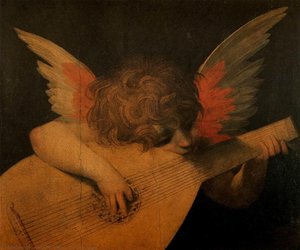
A captivating Renaissance portrait by Rosso Fiorentino (1518). Witness the enigmatic beauty of a young man rendered with Mannerist elegance – a masterpiece of Italian art.
 Mehr anzeigen
Rosso Fiorentino (1495–1540): Italienischer Manierist mit dramatischen Werken & emotionaler Intensität, beeinflusst von Michelangelo & Raffael. Entdecken Sie seine Kunst!
Giclée / Kunstdruck
Giclée- oder Leinwanddruck in Museumsqualität mit schneller Produktion und flexiblen Veredelungsoptionen. ( Handgemalte Reproduktion kaufen Zum digitalen Bild wechseln)




P118B $10

P118H $10

P118W $10

P438Z $10

P508JH $12

P508YH $12

P805H $10

P805Z $10

P919BZ $10

P919G $10

P919XJ $10

P959ZH $10

P968JZ $12

W106C $8

W218G $10

W218JH $8

W218Y $10

W307PJ $10

W316G $10

W316PJ $8

W316Y $10

W398PJ $8

W4111J $10

W500HY $15

W500JH $15

W692G $12

W849H $8

W940BG $15

W953PJ $8




Standardformat
individuell anpassbar
CM
INCH
Wählen Sie aus unseren vordefinierten Formaten, die den ursprünglichen Proportionen des Kunstwerks entsprechen.
Loading sizes...

Breite
Höhe
Sie können Ihre eigenen Maße eingeben, um ein bestimmtes Format oder einen speziellen Platz einzupassen. Wenn das von Ihnen gewählte Format nicht den Proportionen des Originalbildes entspricht, werden wir das Kunstwerk entweder beschneiden oder das Bild mit einem gespiegelten oder einfarbigen Rand erweitern. Ein digitaler Entwurf wird Ihnen zur Genehmigung zugesandt, bevor die Produktion beginnt.
Bitte beachten Sie, dass die Vorschau auf dem Bildschirm nicht den tatsächlichen Zuschnitt oder die Erweiterung widerspiegelt. Nur der Entwurf zeigt die endgültige Komposition präzise an.
Obwohl Sondermaße verfügbar sind, empfehlen wir die Auswahl eines Maßes aus der vordefinierten Liste, um die ursprünglichen Proportionen zu bewahren.
Weltweiter Versand () innerhalb von 2 Wochen statt der üblichen 4/5 Wochen. (25 September)

Kostenloser weltweiter Expressversand

Hochwertige Leinenleinwand

Vollständiger Versicherungsschutz beim Versand

Zollgebühren-Rückerstattungsgarantie

Garantie für exakte Farbtreue

100-tägiges Rückgaberecht (nur bei Mängeln)

100% Geld-zurück-Garantie

Angebot für Mengenrabatt
 Die Glasoption ist nur für Größen unter 110 cm verfügbar.

A Young Man
Giclée / Kunstdruck
Format der Reproduktion
-


Gesamtpreis
$ 69
A Portrait of Youthful Promise: Rosso Fiorentino’s ‘A Young Man’
Rosso Fiorentino's “A Young Man,” painted in 1518, isn’t merely a portrait; it’s a carefully constructed distillation of Renaissance ideals – a glimpse into the burgeoning complexities of Mannerism and a poignant meditation on youth, aspiration, and perhaps, a touch of melancholy. The painting, currently residing within the Gemäldegalerie in Berlin, immediately draws the eye with its subtly unsettling beauty, a hallmark of Rosso’s distinctive style. It's a work that whispers rather than shouts, inviting prolonged contemplation and rewarding repeated viewing.
At first glance, the subject appears remarkably relaxed, almost languidly posed against a hazy landscape backdrop – a detail that immediately sets it apart from the more rigidly formal portraits of the High Renaissance. He’s not presented as an idealized hero or a symbol of civic virtue; instead, he possesses a quiet intensity, his gaze directed slightly off-center, suggesting introspection and perhaps even a hint of guardedness. The youthful features – the delicate curve of his lips, the slight furrow in his brow – are rendered with remarkable sensitivity, capturing not just physical likeness but also an underlying sense of vulnerability. The red hair, a nod to Rosso’s own nickname, adds a touch of vibrant color against the muted palette, further emphasizing the subject's youthful vitality.
Mannerist Nuances and Artistic Innovation
Rosso Fiorentino was a pivotal figure in the transition from the High Renaissance to Mannerism. He wasn’t content with simply replicating classical ideals; he actively sought to push boundaries, experimenting with perspective, composition, and emotional expression. “A Young Man” exemplifies this innovative spirit. The landscape behind him isn't a realistic representation of nature but rather an atmospheric device – a deliberately ambiguous space that contributes to the painting’s overall sense of unease and psychological depth. Notice how the trees seem to lean inward, creating a claustrophobic effect, subtly mirroring the subject’s internal state.
The brushwork itself is crucial to understanding Rosso's approach. It’s not smooth or polished; instead, it’s characterized by visible strokes and a deliberate lack of finish. This technique – often referred to as “impasto” – adds texture and dynamism to the painting, creating a sense of movement and immediacy. The way he manipulates light and shadow is particularly noteworthy, casting dramatic highlights on the subject's face and clothing while leaving other areas shrouded in darkness. This masterful use of chiaroscuro not only enhances the portrait’s visual impact but also contributes to its emotional resonance.
Symbolism and a Hint of Disquiet
While seemingly straightforward, “A Young Man” is laden with subtle symbolism. The letter clutched in his hand – a detail often overlooked – suggests communication, perhaps even longing or unrequited affection. The slightly downturned mouth hints at suppressed emotions, while the direct gaze challenges the viewer to engage with the subject on a deeper level. Some art historians have interpreted the painting as an allegory for the fleeting nature of youth and beauty, reminding us that time inevitably marches forward, carrying with it both promise and loss.
Furthermore, the overall composition—the slightly off-balance arrangement, the ambiguous background—creates a sense of unease. It’s not a comfortable or reassuring portrait; rather, it's a reflection of the turbulent times in which it was created – a period marked by political instability and social upheaval. Rosso Fiorentino wasn’t simply depicting a young man; he was capturing a mood, an atmosphere of uncertainty and transformation.
A Timeless Masterpiece: Reproduction Possibilities
“A Young Man” remains a powerfully evocative work of art, captivating viewers centuries after its creation. Reproductions offer a wonderful opportunity to bring this masterpiece into your home or office, allowing you to appreciate its beauty and complexity on a daily basis. When selecting a reproduction, consider the quality of materials used – archival-quality prints on museum-grade canvas will ensure that the colors remain vibrant for years to come. The painting’s rich textures and subtle nuances are best captured by reproductions that faithfully replicate Rosso Fiorentino's distinctive brushwork and masterful use of light and shadow. It is a piece that speaks volumes, inviting contemplation and offering a timeless glimpse into the heart of the Renaissance.
Biografie des Künstlers
Rosso Fiorentino: Eine Biografie
- Name: Rosso Fiorentino (Giovanni Battista di Jacopo)
- Geboren: 8. März 1495, Florenz, Italien
- Gestorben: 14. November 1540, Fontainebleau, Frankreich
Frühes Leben und Ausbildung
- Rosso Fiorentino, dessen Name sich auf „Roter Florentiner“ bezieht, aufgrund seiner charakteristischen roten Haare, begann seine künstlerische Reise in Florenz.
- Er erhielt seine anfängliche Ausbildung im angesehenen Atelier von Andrea del Sarto, einer führenden Figur der florentinischen Renaissance-Malerei.
- Diese Zeit brachte ihn neben einem anderen bedeutenden Künstler seiner Zeit, Pontormo zusammen und förderte ein gemeinsames Umfeld künstlerischer Erkundung und Entwicklung.
- Der Einfluss der Florentiner Kunstschule während dieser prägenden Jahre prägte maßgeblich seinen zukünftigen Stil.
Künstlerischer Stil und Einflüsse
- Rosso Fiorentinos Werk zeichnet sich durch seine dramatische Intensität, den kühnen Einsatz von Farbe und den eindringlichen emotionalen Ausdruck aus.
- Er integrierte häufig Selbstporträts in seine Kompositionen und stellte sich oft als eine Schlüsselfigur innerhalb der Erzählung dar.
- Der Künstler wurde stark von den Werken Michelangelos und Raffaels beeinflusst, was insbesondere in seiner Beherrschung des chiaroscuro – der Technik, starke Kontraste zwischen Licht und Schatten zu nutzen, um Tiefe und Volumen zu erzeugen – deutlich wird.
- Sein Stil gilt als Teil der Manierismus-Bewegung, die im 16. Jahrhundert als Reaktion auf den Schwerpunkt des Hochrenaissancestils auf Ausgewogenheit und Harmonie entstand. Der Manierismus bevorzugte langgestreckte Formen, verzerrte Perspektiven und gesteigerte Emotionalität.
Bemerkenswerte Werke und Leistungen
- Die Kreuzabnahme: Dieses Gemälde gilt als eines der Meisterwerke Rosso Fiorentinos und veranschaulicht seinen einzigartigen Stil durch seine dramatische Beleuchtung und die emotional aufgeladene Darstellung der Szene.
- Elefant, Schloss Fontainebleau: Diese Arbeit zeigt seine Fähigkeit, das Wesen seiner Motive mit bemerkenswerter Detailtreue und Realismus einzufangen. Sie unterstreicht auch seine spätere Karriere in Frankreich.
- Moses und die Töchter Jethros: Demonstriert eine komplexe Komposition und emotionale Tiefe, die für seinen reifen Stil charakteristisch sind.
- Seine Beiträge zur Dekoration des Schlosses Fontainebleau waren bedeutend, obwohl sie durch seinen frühen Tod tragisch verkürzt wurden.
Vermächtnis und historische Bedeutung
- Rosso Fiorentinos Einfluss erstreckte sich über sein Leben hinaus und beeinflusste nachfolgende Generationen von Künstlern.
- Francesco Primaticcio, der ihm als führender Künstler im Schloss Fontainebleau folgte, wurde maßgeblich von Rosso's Stil beeinflusst.
- Seine Arbeit spielte eine entscheidende Rolle bei der Entwicklung und Popularisierung des Manierismus und trug zu dessen Betonung von dramatischem Ausdruck und künstlerischer Innovation bei.
- Rosso Fiorentinos Gemälde sind in verschiedenen Museen und Sammlungen auf der ganzen Welt zu finden, darunter die Galleria Nazionale d'Arte Moderna e Contemporanea in Rom.

Rosso Fiorentino
1495 - 1540 , Italien
Eckdaten zum Künstler
- Beeinflusste Künstler:
- Michelangelo
- Raphael
- Andrea del Sarto
- Bemerkenswerte Werke:
- Die Absetzung
- Elefant, Fontainebleau
- Moses und Jethros Töchter
- Geburtsdatum: 8. März 1495
- Geburtsort: Florenz, Italien
- Künstlerischer Stil: Manierismus
- Nationalität: Italienisch
- Sterbedatum: 14. November 1540
- Vollständiger Name: Rosso Fiorentino
- Von Ihm Beeinflusste Künstler: ['Francesco Primaticcio']
Verwandte Artikel

Drama & Distortion: A Journey Through the Captivating World of Baroque Mannerism
Explore the dramatic tension of Mannerism and the opulent grandeur of Baroque art. Discover how masters used light, shadow, and distortion to redefine European history through a captivating journey of emotional intensity and spiritual fervor.

Beyond Perfection: The Dramatic Elegance and Intellectual Tension of Renaissance Mannerism
Explore the captivating world of Renaissance Mannerism. Discover how artists moved beyond High Renaissance harmony into a realm of elegant distortion, psychological tension, and dramatic beauty that bridged the gap to the Baroque era.
Entdecken Sie Kunstwerke, die nach Themen, Stilen und Merkmalen sortiert sind.