

 Vorschau anzeigen
 Versenden
 Teilen
 Details anzeigen
 Leitfaden

 Herunterladen
 Ähnliche Objekte
 Röntgenaufnahme
 Diashow
 Fragen & Antworten
 Statistiken
Prototype for a laced shoe


Salvatore Ferragamo’s ‘Prototype for a laced shoe,’ created in 1938, is a striking painting featuring a brown shoe adorned with a colorful rainbow sock. Displayed at the Salvatore Ferragamo Museum in Florence, Italy, this artwork exemplifies Ferragamo's innovative approach to fashion and artistic vision.
 Weiterlesen
"meta_description": "Salvatore Ferragamo (1898-1960): Der italienische Schuhdesigner revolutionierte die Mode mit extravaganten Designs und Hollywood-Glamour. Seine innovativen Schuhe prägen bis heute die Luxuswelt."
Die auf dieser Seite dargestellten Kunstwerke sind urheberrechtlich geschützt, was bedeutet, dass wir keine identische Reproduktion rechtmäßig erstellen oder verkaufen dürfen. Dieser Schutz wird durch internationale Abkommen wie die Berner Übereinkunft und durch nationale Gesetze, einschließlich derer, die von den US-Urheberrecht – Titel 17.
Diese Methode entspricht vollumfänglich den Urheberrechtsbestimmungen, da sie keine Kopie oder Vervielfältigung des geschützten Kunstwerks darstellt. Stattdessen handelt es sich um eine kreative Neuinterpretation – ein neues Gemälde, das vom Original inspiriert, aber nicht identisch mit ihm ist.
Giclée / Kunstdruck
Giclée- oder Leinwanddruck in Museumsqualität mit schneller Produktion und flexiblen Veredelungsoptionen. ( Handgemalte Reproduktion bestellen Zum digitalen Bild wechseln)




P118B €10

P118H €10

P118W €10

P438Z €10

P508JH €12

P508YH €12

P805H €10

P805Z €10

P919BZ €10

P919G €10

P919XJ €10

P959ZH €10

P968JZ €12

W106C €8

W218G €10

W218JH €8

W218Y €10

W307PJ €10

W316G €10

W316PJ €8

W316Y €10

W398PJ €8

W4111J €10

W500HY €15

W500JH €15

W692G €12

W849H €8

W940BG €15

W953PJ €8




Standardformat
individuell anpassbar
CM
INCH
Wählen Sie aus unseren vordefinierten Formaten, die den ursprünglichen Proportionen des Kunstwerks entsprechen.
Loading sizes...

Breite
Höhe
Geben Sie die benötigte Breite und Höhe an, damit der Druck perfekt in Ihren Rahmen oder an Ihre Wand passt. Ein Druck kann nur beschnitten, aber niemals größer als das Originalbild angefertigt werden; daher verliert ein Format mit anderen Proportionen einen Teil des Bildes. Wir senden Ihnen ein digitales Mockup zur Freigabe, bevor wir den Druck ausführen. Das auf dieser Seite gezeigte Bild zeigt nicht den tatsächlichen Beschnitt – dies ist nur im Mockup ersichtlich.
Weltweiter Versand () innerhalb von 2 Wochen statt der üblichen 4/5 Wochen. (6 November)

Kostenloser weltweiter Expressversand

Hochwertige Leinenleinwand

Umfassender Versicherungsschutz beim Versand

Zollgebühren-Rückerstattungsgarantie

Garantie für exakte Farbtreue

100 Tage Rückgaberecht (nur bei Mängeln)

100% Geld-zurück-Garantie

Mengenrabatt verfügbar
 Die Glasoption ist nur für Größen unter 110 cm verfügbar.

Prototype for a laced shoe
Giclée / Kunstdruck
Format der Reproduktion
-


Endpreis
€ 63
Prototype for a Laced Shoe – A Vision of Futurism in Leather
Salvatore Ferragamo’s “Prototype for a Laced Shoe,” created in 1938, transcends mere footwear; it embodies the spirit of Italian Futurism and represents a pivotal moment in the designer's artistic evolution. This unassuming brown suede shoe, adorned with a vibrant rainbow sock crafted from fabric—a bold juxtaposition against the muted tones of leather—is more than just an object of fashion; it’s a carefully considered statement about innovation and embracing the dynamism of the modern age.The Futurist Influence: Embracing Speed and Dynamism
Ferragamo, deeply influenced by the avant-garde movement championed by Filippo Tommaso Marinetti, sought to reject traditional craftsmanship in favor of geometric forms and expressive color palettes. Futurism rejected nostalgia for the past, celebrating speed, technology, and industrial progress—themes that resonated powerfully with Ferragamo’s desire to push boundaries within the realm of design. The shoe's simplified silhouette reflects this ethos, prioritizing streamlined lines and minimizing ornamentation. It deliberately eschews fussy embellishments, opting instead for a deliberate austerity that underscores its conceptual intent.Technique and Materiality: Precision Craftsmanship Meets Bold Color
The execution of “Prototype for a Laced Shoe” demonstrates Ferragamo’s mastery of leatherworking techniques combined with an unexpected infusion of color. The suede upper is meticulously sculpted to achieve a subtly curved profile, highlighting the shoe's form while maintaining a minimalist aesthetic. Skilled artisans painstakingly applied the dye, resulting in a rich brown hue that contrasts beautifully with the kaleidoscopic rainbow sock—a deliberate provocation against conventional notions of elegance. This chromatic contrast isn’t merely decorative; it symbolizes Ferragamo’s embrace of artistic experimentation and his willingness to challenge established conventions.Historical Context: Hollywood Glamour Amidst Artistic Revolution
Created during a period marked by significant cultural upheaval – the rise of Fascist Italy and the burgeoning influence of Hollywood glamour – “Prototype for a Laced Shoe” captures the zeitgeist of its time. Ferragamo’s studio was at the forefront of adapting Italian artistic sensibilities to the demands of international fashion, mirroring the broader trend toward embracing new ideas and aesthetics. The shoe's design speaks to the optimism and dynamism of the era, reflecting Ferragamo’s belief in the transformative power of art and innovation.Symbolism: Beyond Functionality – An Expression of Artistic Vision
More than just a comfortable shoe, “Prototype for a Laced Shoe” serves as a visual metaphor for Ferragamo's artistic philosophy. The rainbow sock represents vibrancy, imagination, and a rejection of rigid formalism—values antithetical to the conservative sensibilities of the time. By juxtaposing these elements, Ferragamo asserts that beauty can be found in unexpected combinations and that true artistry lies in challenging preconceived notions about form and function. It’s a testament to Ferragamo's conviction that design should inspire wonder and provoke contemplation.Emotional Impact: A Legacy of Elegance and Innovation
Today, “Prototype for a Laced Shoe” continues to captivate viewers with its understated elegance and bold conceptual underpinning. Its enduring appeal stems from Ferragamo’s ability to fuse technical precision with artistic vision—a feat that solidified his reputation as one of the most influential designers of the 20th century. Examining this remarkable piece reveals not only a masterful demonstration of craftsmanship but also a profound reflection on the role of art in shaping cultural narratives and celebrating the boundless possibilities of creative expression. It remains an emblem of Ferragamo’s unwavering commitment to pushing boundaries and redefining what constitutes beauty within the world of fashion.Fragen & Antworten
Welches Gefühl vermittelt "Prototype for a laced shoe" von Salvatore Ferragamo?
In "Prototype for a laced shoe" verleiht eine Elegant-Stimmung der Calm Emotion Ausdruck.
Welche Emotion vermittelt "Prototype for a laced shoe" von Salvatore Ferragamo?
Die für "Prototype for a laced shoe" von Salvatore Ferragamo festgelegte emotionale Stimmung ist Calm. Sie fasst das Gefühl zusammen, das das Werk ausdrückt.
Inwiefern steht das Sujet von „Prototype for a laced shoe“ in Beziehung zu den üblichen Themen von Salvatore Ferragamo?
Unter den dokumentierten Themen von Salvatore Ferragamo – ferragamo’s sculptural vision, hollywood glamour & elegance, italian artisanal heritage, geometric abstraction style, iconic shoe design legacy – setzt „Prototype for a laced shoe“ einen ganz eigenen Fokus auf shoemaking, luxury design, hollywood glamour, italian craftsmanship, geometric art, rainbow colors, wooden heel, fashion sculpture.
Künstlerbiografie
Ein Vermächtnis aus Leder: Das Leben und die Vision von Salvatore Ferragamo
Salvatore Ferragamo, ein Name, der untrennbar mit Eleganz, Innovation und dem goldenen Zeitalter des Hollywood-Glamours verbunden ist, wurde 1898 unter bescheidenen Verhältnissen in Bonito, Italien, geboren. Fernab der glitzernden Welt, die er später prägen sollte, war die frühe Kindheit des jungen Salvatore von ländlicher Einfachheit geprägt, doch genau hier nahm seine außergewöhnliche Reise ihren Anfang. Als elftes von vierzehn Kindern zeigte er eine angeborene Faszination für das Schuhhandwerk und verbrachte unzählige Stunden damit, dem örtlichen Schuster zuzusehen – ein Handwerk, das sein Vater zunächst ablehnte, da er es als einen Beruf von niedrigem sozialen Stand betrachtete. Doch die Leidenschaft des jungen Salvatore war unerschütterlich; bereits im Alter von neun Jahren fertigte er sein erstes Paar Schuhe für die Erstkommunion seiner Schwester an, ein Zeugnis seines aufkeimenden Talents und seiner Entschlossenheit. Dieser Akt war nicht bloß die Herstellung von Schuhwerk; es war das Schmieden eines Schicksals. Er markierte die Geburtsstunde einer künstlerischen Vision, welche die Landschaft der Mode grundlegend verändern sollte.Von Boston nach Hollywood: Ein transatlantischer Aufstieg
Getrieben von Ehrgeiz emigrierte Ferragamo 1915 nach Amerika, schloss sich seinen Brüdern in Boston an und wurde schließlich von der aufstrebenden Filmindustrie Kaliforniens angezogen. Dieser Schritt erwies sich als entscheidend. Er eröffnete zunächst eine Reparaturwerkstatt, erkannte aber schnell den ungedeckten Bedarf an exquisit gefertigtem Schuhwerk, das den Ansprüchen der Leinwand gerecht wurde. Die Stars Hollywoods – Lillian Gish, Mary Pickford und bald darauf unzählige andere – wurden zu seinem treuen Kundenstamm. Ferragamo fertigte nicht einfach nur Schuhe; er erschuf Illusionen und veredelte die Leinwand-Persönlichkeiten, die eine ganze Nation in ihren Bann zogen. Er verstand die Macht des visuellen Geschichtenerzählens und wusste, wie Schuhwerk zur Erzählung eines Charakters beitragen konnte. Dieses Verständnis führte ihn dazu, Anatomie an der University of Southern California zu studerten, da er fest davon überzeugt war, dass wahrer Komfort und wahre Eleganz aus einem tiefen Verständnis der Fußstruktur resultieren. Sein innovativer Einsatz von Stahlbögen zur Unterstützung des Fußgewölbes revolutionierte die Schuhkonstruktion, indem er Ästhetik und Wohlbefinden gleichermaßen priorisierte – ein Markenzeichen seiner Designphilosophie.Die Rückkehr nach Hause: Florentinische Renaissance und künstlerisches Aufblühen
Im Jahr 1927 kehrte Ferragamo in seine italienische Heimat zurück und ließ sich in Florenz nieder – einer Stadt, die tief in künstlerischer Tradition und Handwerkskunst verwurzelt ist. Er gründete eine Werkstatt, die sich schnell zu einem Labor der Innovation entwickelte. Trotz finanzieller Nöte während der Weltwirtschaftskrise und der Anmeldung eines Konkurses im Jahr 1933 hielt er stand, angetrieben von einem unerschütterlichen Glauben an seine Vision. Mit der Wiederaufnahme seines Geschäfts im Jahr 1938 im historischen Palazzo Spini Feroni begann Ferragamo eine Ära produktiver Kreativität. Er experimentierte furchtlos mit unkonventionellen Materialien – Kork, Fischhaut, sogar Metall – und verschob die Grenzen dessen, was im Schuhhandwerk als möglich galt. Diese Bereitschaft, Konventionen herauszufordern, wurde zu seiner Handschrift. Seine Entwürfe waren keine bloßen Gebrauchsgegenstände; sie waren skulpturale Kunstwerke, die eine tiefe Wertschätzung für die Geschichte und einen kühnen Geist der Moderne widerspiegelten. Der ikonische Keilabsatz, entstanden aus Materialknappheit während der Kriegszeit, steht als Zeugnis seiner Einfallsreichtum und Genialität und brachte ihm 1947 den prestigeträchtigen Neiman Marcus Award ein.Ein bleibender Eindruck: Vermächtnis und Einfluss
Salvatore Ferragamos Wirkung reicht weit über die Welt des Schuhwerks hinaus. Er gründete Salvatore Ferragamo S.p.A., ein Luxusgüterimperium, das bis heute floriert und weltweit hunderte von Boutiquen betreibt. Während er für seine Entwürfe für Hollywood-Ikonen wie Marilyn Monroe – er erschuf ihren charakteristischen Stiletto-Absatz – und Audrey Hepburn gefeiert wird, hallt sein Einfluss bis in die zeitgenössische Mode nach. Sein Engagement für anatomischen Komfort, innovative Materialien und skulpturale Formen ebnete den Weg für Generationen von Designern. Das Ferragamo Museum in Florenz dient als lebendiges Denkmal für sein Erbe und zeigt nicht nur seine bahnbrechenden Schuhdesigns, sondern auch seine breiteren künstlerischen Interessen, einschließlich Sammlungen wie La Collezione Bonello (Malta) und der Palumbo-Fossati Collection (Venedig). Sein Werk transzendiert reine Mode; es ist eine Feier der Kunstfertigkeit, der Innovation und der beständigen Kraft italienischer Handwerkskunst. Obwohl er 1960 verstarb, inspiriert der Geist von Salvatore Ferragamo uns weiterhin und erinnert uns daran, dass wahrer Stil nicht nur in dem liegt, was wir tragen, sondern in der Geschichte, die es erzählt.Bemerkenswerte Werke & Sammlungen
- Pollicino: Eine lebendige Pop-Art-Schuhskulptur, die durch kräftige Farben und ein verspieltes Design besticht.
- Sandal (1952): Ein ikonisches Beispiel für luxuriöse Handwerkskunst und geometrisches Design, das die Eleganz jener Ära verkörpert.
- Prototipo di sandalo (1938): Ein prachtvoller antiker Schuh, der aufwendige Stickereien und meisterhafte handwerkliche Fertigkeit demonstriert.
- La Collezione Bonello (Malta): Eine kuratierte Sammlung mit Werken von Meistern wie Caravaggio und Alberto Morrocco, die Ferragamos Liebe zur bildenden Kunst widerspiegelt.
- The Palumbo-Fossati Collection (Venedig, Italien): Eine renommierte Zusammenstellung europäischer Gemälde aus verschiedenen Jahrhunderten, die Ferragamos breite kulturelle Interessen unterstreicht.

Salvatore Ferragamo
1898 - 1960 , Italien
Kurzinfos
- Artistic Movement Or Style: Barock
- Artists Or Movements Influenced By This Artist: ['Christian Dior']
- Artists Who Influenced This Artist: ['Guccio Gucci']
- Date Of Birth: 5. Juni 1898
- Date Of Death: 7. August 1960
- Full Name: Salvatore Ferragamo
- Nationality: Italienisch
- Notable Artworks:
- Pollicino
- Sandal (1952)
- Prototipo di sandalo (1938)
- Place Of Birth: Bonito, Italien
Ähnliche Artikel

The Lens of Luxury: A Visual Journey Through the Evolution and Artistry of Fashion Photography
Embark on a visual journey through the evolution of fashion photography. Discover how masters like Gianfranco Ferré blended geometry, surrealism, and texture to redefine high-fashion art for collectors and connoisseurs of luxury imagery.

Gianfranco Ferré: Deconstructing Haute Couture – A Legacy of Architectural Form
Explore the revolutionary world of Gianfranco Ferré, 'the architect of fashion.' Discover his architectural approach to haute couture, iconic Dior designs, and lasting influence on luxury style. A deep dive for collectors & enthusiasts.
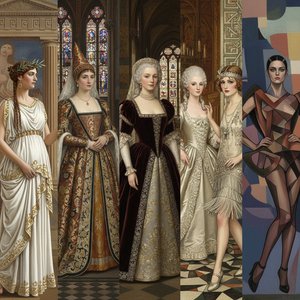
Style Through the Ages: Iconic Artworks That Defined the Evolution of Fashion Design
Explore the breathtaking intersection of fine art and high fashion. Discover how iconic masterpieces from Art Deco to Impressionism have shaped the world of luxury couture and timeless design in this curated visual journey.

Draped Narratives: Fashion as Symbol & Subject in Historical Art
Explore the fascinating history of fashion as a symbol of power & status in art! Discover masterpieces from Gainsborough to Tissot and learn how clothing shaped societal narratives. Find museum-quality reproductions at TopImpressionists.

Die 25 bedeutendsten Meisterwerke der Uffizien in Florenz
Erleben Sie die Meisterwerke der Uffizien von Botticelli bis Da Vinci. Entdecken Sie alle Schätze auf TopImpressionists.com.
Entdecken Sie Kunstwerke, die nach Themen, Stilen und Merkmalen sortiert sind.


