


 In echtem Maßstab anzeigen
 Versenden als Grußkarte
 Teilen
 Details anzeigen
 Leitfaden öffnen

 Herunterladen
 Ähnliche Objekte
 Röntgenaufnahme
 Diashow
 Besucherstatistiken
Simson und Delila
 Öl auf Leinwand
- Wandkunst
- Barock-Rückkehr
 1630
1630- – Frühe Neuzeit
 2540.0 x 1460.0 cm
 Kunsthistorisches Museum
Erleben Sie Van Dycks Meisterwerk zu Simson und Delila! Dieses Barock-Drama zeigt Verrat und Verlust, inspiriert von Tizian und Rubens.
 Mehr anzeigen
Sir Anthony van Dyck (1599-1641): Ein Meister des Barock, bekannt für elegante Porträts europäischer Aristokraten & Charles I. Seine Kunst prägte die englische Malerei nachhaltig.
Giclée / Kunstdruck
Giclée- oder Leinwanddruck in Museumsqualität mit schneller Produktion und flexiblen Veredelungsoptionen. ( Handgemalte Reproduktion kaufen Zum digitalen Bild wechseln)




P118B €10

P118H €10

P118W €10

P438Z €10

P508JH €12

P508YH €12

P805H €10

P805Z €10

P919BZ €10

P919G €10

P919XJ €10

P959ZH €10

P968JZ €12

W106C €8

W218G €10

W218JH €8

W218Y €10

W307PJ €10

W316G €10

W316PJ €8

W316Y €10

W398PJ €8

W4111J €10

W500HY €15

W500JH €15

W692G €12

W849H €8

W940BG €15

W953PJ €8




Standardformat
individuell anpassbar
CM
INCH
Wählen Sie aus unseren vordefinierten Formaten, die den ursprünglichen Proportionen des Kunstwerks entsprechen.
Loading sizes...

Breite
Höhe
Geben Sie die Breite und die Höhe an, die Sie benötigen, damit der Druck perfekt in Ihren Rahmen oder an Ihre Wand passt. Ein Druck kann nur beschnitten werden und niemals größer als das Originalbild gemacht werden; daher verliert ein Format mit einer anderen Proportion einen Teil des Bildes. Wir senden Ihnen ein digitales Mockup zur Freigabe, bevor wir den Druck ausführen. Das auf dieser Seite gezeigte Bild zeigt nicht den tatsächlichen Beschnitt – dies ist nur im Mockup ersichtlich.
Weltweiter Versand () innerhalb von 2 Wochen statt der üblichen 4/5 Wochen. (24 Oktober)

Kostenloser weltweiter Expressversand

Hochwertige Leinenleinwand

Vollständiger Versicherungsschutz beim Versand

Zollgebühren-Rückerstattungsgarantie

Garantie für exakte Farbtreue

100-tägiges Rückgaberecht (nur bei Mängeln)

100% Geld-zurück-Garantie

Angebot für Mengenrabatt
 Die Glasoption ist nur für Größen unter 110 cm verfügbar.

Simson und Delila
Giclée / Kunstdruck
Format der Reproduktion
-


Gesamtpreis
€ 61
Ein Moment, der im Verrat verweilt
Im prachtvollen Geflecht des flämischen Barock fangen nur wenige Augenblicke die Spannung zwischen göttlicher Stärke und menschlicher Zerbrechlichkeit so ergreifend ein wie Sir Anthony van Dycks Simson und Delila. Dieses um 1630 entstandene Meisterwerk erzählt nicht bloß eine biblische Episode; es zieht den Betrachter in ein klaustrophobisches, hochdramatisches Geschehen, in dem jeder Schatten ein Geheimnis birgt. Die Szene konzentriert sich auf den entscheidenden Augenblick des Verrats: Simson, die legendäre Gestalt von immenser Macht, verweilt in einem Zustand verletzlicher Ruhe, während Delila, getrieben von einer komplexen Mischung aus Entschlossenheit und vielleicht einem schwelenden Reuegefühl, sich darauf vorbereitet, die Quelle seiner Kraft zu trennen – sein Haar. Es ist ein Tableau trügerischer Stille, in dem die Luft schwer wirkt von dem bevorstehenden Verlust der Freiheit und der Last eines gebrochenen Bundes.
Van Dycks technische Meisterschaft offenbart sich in seiner raffinierten Anwendung des Chiaroscuro. Das dramatische Zusammenspiel von Licht und Schatten definiert weit mehr als nur die physischen Formen; es formt die psychologische Landschaft der Charaktere. Das Licht fließt über die Texturen der Szene – den sanften Glanz der Haut, das schwere Gewicht luxuriöser Stoffe und die kunstvollen Strähnen des Haares – und schafft eine leuchtende Qualität, die ein Markenzeichen seines Stils ist. Durch eine pyramidenförmige Komposition lenkt Van Dyck unseren Blick nach innen auf die zentrale Interaktion und stellt sicher, dass die emotionale Schwere der Begegnung das unbestrittene Herzstück des Werkes bleibt. Der Hintergrund, der an die weiten Landschaften seines Mentors Peter Paul Rubens erinnert, bildet einen atemberaubenden Kontrast zur intimen, fast erstickenden Intensität des Vordergrunddramas.
Symbolik und die barocke Seele
Über die wörtliche Erzählung aus dem Buch der Richter hinaus dient dieses Gemälde als tiefgründige Meditation über das menschliche Dasein. Die Figuren sind mit symbolischer Bedeutung aufgeladen und repräsentieren den ewigen Kampf zwischen Glaube und Zweifel sowie Stärke und Verletzlichkeit. Simsons körperliche Überlegenheit tritt hinter seine emotionale Entblößung zurück; er ist ein Titan, der nicht durch ein Schwert zu Fall gebracht wird, sondern durch Vertrauen. Delila, in der Kunst oft nur als Verführerin dargestellt, erhält hier eine nuanciertere, psychologische Tiefe, die die verheerenden Folgen des Stolzes und die Komplexität der Begierde verkörpert. Selbst die peripheren Elemente, wie die Anwesenheit wachsamer Hunde oder die massiven Möbel, verankern diese himmlische Tragödie in einer greifbaren, irdischen Realität, die jeden Betrachter berührt.
Für den anspruchsvollen Sammler oder Innenarchitekten bietet eine Reproduktion dieses Kalibers mehr als nur visuelle Pracht; sie schafft einen Fokuspunkt von intellektueller und emotionaler Tiefe. Die reiche Palette und die dramatische Lichtführung des Gemäldes machen es zu einer außergewöhnlichen Bereicherung für jeden kuratierten Raum, fähig, in einem formellen Arbeitszimmer, einem prunkvollen Salon oder an einer anspruchsvollen Galeriewand die Aufmerksamkeit auf sich zu ziehen. Es ist ein Werk, das zu langen Momenten der Kontemplation einlädt und mit jedem Blick neue Bedeutungsebenen offenbart. Ein solches Werk zu besitzen bedeutet, ein Fragment des Goldenen Zeitalters der flämischen Kunst in das moderne Heim zu holen und eine Epoche zu feiern, in der die Kunst dazu genutzt wurde, die äußersten Grenzen des menschlichen Geistes zu erforschen.
Fragen & Antworten
Wie wirkt die Helligkeit von "Simson und Delila" von Sir Anthony van Dyck?
Insgesamt wird „Simson und Delila“ mit einer Helligkeit von tiefste Schattenwerte erfasst. Die wahrgenommene Helligkeit beschreibt, wie hell oder dunkel das Werk erscheint.
Welche Platzierung passt zum Format von "Simson und Delila" von Sir Anthony van Dyck?
Format (Panoramaformat) und der empfohlene Raum (Wohnzimmer) sind die zwei festgehaltenen Platzierungsdetails für "Simson und Delila" von Sir Anthony van Dyck.
Warum ist der Urheberrechtsstatus von "Simson und Delila" so, wie er ist?
"Simson und Delila" von Sir Anthony van Dyck ist gemeinfrei – das Urheberrecht ist abgelaufen. Die Urheberrechtsfristen werden ab dem Todesjahr des Künstlers berechnet, und Sir Anthony van Dyck verstarb im Jahr 1641.
Biografie des Künstlers
A Flemish Master at the Courts of Europe
Sir Anthony van Dyck, born in Antwerp in 1599, emerged as one of the most celebrated and influential portraitists of the Baroque era. His life, though tragically cut short at just forty-two years old, was a whirlwind of artistic exploration and prestigious commissions that took him from his native Flanders to Italy and ultimately to the heart of the English court. From an early age, van Dyck displayed remarkable talent, entering Hendrick van Balen’s workshop as a young apprentice and quickly absorbing the prevailing styles of the time. However, it was his association with Peter Paul Rubens – not merely as a student but as a collaborator – that truly shaped his artistic foundation. He learned from Rubens' dynamic compositions, rich color palettes, and masterful handling of light and shadow, yet van Dyck soon began to forge his own distinct path, one characterized by an elegance and refinement that would become his signature.Italian Sojourns and the Birth of a Style
The years van Dyck spent in Italy, beginning around 1621, proved pivotal in his artistic development. He resided primarily in Genoa, where he found favor among the city’s aristocratic families. It was here that he began to cultivate the sophisticated style for which he would become renowned – a style marked by graceful poses, luxurious fabrics, and an almost palpable sense of nobility. Unlike the robust energy often found in Rubens' work, van Dyck’s Italian portraits exude a refined composure, capturing not just physical likeness but also the inner character and social standing of his sitters. During this period, he embarked on his *Iconography*, a series of meticulously rendered portrait etchings featuring prominent figures of his time – artists, scholars, and rulers alike. This project showcased his exceptional technical skill and established him as a leading printmaker. These etchings weren’t simply records; they were carefully constructed images designed to immortalize the subjects and convey their status and intellect. He experimented with innovative techniques—dramatic lighting, sweeping gestures, and carefully chosen backgrounds —to create images that were both visually stunning and politically charged.The King's Painter: Van Dyck in England
In 1632, van Dyck received an invitation that would forever alter his career trajectory – a summons from Charles I of England to become the court painter. This appointment marked a turning point, not only for van Dyck but also for English portraiture. He arrived in London with a considerable reputation and quickly became indispensable to the king, tasked with creating images that projected an aura of power, majesty, and divine right. Van Dyck’s portraits of Charles I are particularly noteworthy; he moved away from the stiff, formal representations favored by earlier artists, instead portraying the king as a dynamic, charismatic leader. He employed innovative techniques – dramatic lighting, sweeping gestures, and carefully chosen backgrounds – to create images that were both visually stunning and politically charged. His influence extended beyond the royal family, shaping the visual culture of the English aristocracy for generations to come. He didn’t just paint portraits; he crafted an image of kingship, influencing how royalty was perceived for over a century.Legacy and Enduring Influence
Van Dyck's untimely death in 1641 robbed the art world of a prodigious talent, but his legacy endures to this day. His impact on English portraiture is immeasurable; he established a standard of elegance and sophistication that subsequent artists would strive to emulate. He was recognized as one of the foremost painters of his time—a true innovator who reshaped artistic conventions.- Technical Innovation: He mastered both oil painting and etching, constantly experimenting with new techniques.
- Stylistic Refinement: His portraits are characterized by their graceful poses, luxurious fabrics, and subtle psychological insights.
- Courtly Influence: He transformed the image of the English monarchy, creating a visual language of power and prestige.

Sir Anthony van Dyck
1599 - 1641 , Belgien
Eckdaten zum Künstler
- Artistic Movement Or Style: Barock
- Artists Who Influenced This Artist: ['Peter Paul Rubens']
- Date Of Birth: 22 März 1599
- Full Name: Sir Anthony van Dyck
- Nationality: Flämisch
- Notable Artworks:
- Charles I in Drei Positionen
- Rinaldo und Armida
- Portrait von Nicolaes van der Borght
- Place Of Birth: Antwerpen, Belgien
Verwandte Artikel

Die 10 Meisterwerke der niederländischen Barockmalerei – Kunst für Ihr Zuhause | TopImpressionists
Entdecken Sie die 10 prägendsten Meisterwerke der niederländischen Barockmalerei! Von Rembrandt bis Vermeer – erleben Sie Kunstgeschichte, Techniken & Emotionen. Hochwertige Reproduktionen für Ihr Zuhause auf TopImpressionists.com.

Sir Anthony van Dyck: Hofmalerei und die Formung barocker Identität
Entdecken Sie das Werk von Sir Anthony van Dyck – Hofmaler Karls I. und Meister der Porträtkunst. Erfahren Sie mehr über seine Einflüsse, Techniken und den Wert seiner Gemälde für Sammler.

The Grandeur of Baroque Portraiture: Power, Emotion & Artistic Innovation
Explore the grandeur of Baroque portraiture! Discover Rubens, Van Dyck & the masters of 17th-century art. Uncover symbolism, techniques & lasting influence. Expert insights for collectors and enthusiasts.

Rembrandts Meisterwerke: Die Top 25 Kunstwerke für Ihr Zuhause | TopImpressionists
Entdecken Sie Rembrandts 25 berühmteste Kunstwerke! Tauchen Sie ein in die Welt des Barock, Licht und Schatten & historischer Porträts. Hochwertige Reproduktionen für Ihr Zuhause – jetzt auf TopImpressionists.com!
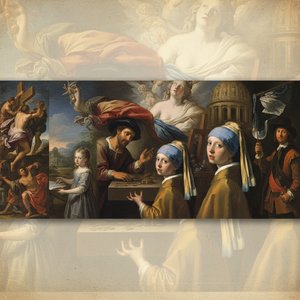
Barock Meisterwerke: Die 10 prägendsten Kunstwerke für Ihr Zuhause |
Entdecken Sie die 10 prägendsten Meisterwerke des Barock! Caravaggio, Rembrandt & Co. – Erfahren Sie die Geschichten hinter ikonischen Gemälde und finden Sie hochwertige Kunst Reproduktionen für Ihr Zuhause auf .
Entdecken Sie Kunstwerke, die nach Themen, Stilen und Merkmalen sortiert sind.


