


 In echtem Maßstab anzeigen
 Versenden als Grußkarte
 Teilen
 Details anzeigen
 Leitfaden öffnen

 Herunterladen
 Ähnliche Objekte
 Röntgenaufnahme
 Diashow
 Besucherstatistiken
Loch Katrine


Sir John Lavery’s ‘Loch Katrine’ captures an Impressionistic moment of serene tranquility with its vast loch and hazy mountains. This 1913 oil painting evokes Edwardian beauty through loose brushwork and subtle color, perfect for art lovers.
 Mehr anzeigen
Sir John Lavery (1856-1941): Irischer Maler, berühmt für elegante Porträts & eindrucksvolle Kriegsdarstellungen. Ein Meister des Impressionismus!
Giclée / Kunstdruck
Giclée- oder Leinwanddruck in Museumsqualität mit schneller Produktion und flexiblen Veredelungsoptionen. ( Handgemalte Reproduktion kaufen Zum digitalen Bild wechseln)




P118B €10

P118H €10

P118W €10

P438Z €10

P508JH €12

P508YH €12

P805H €10

P805Z €10

P919BZ €10

P919G €10

P919XJ €10

P959ZH €10

P968JZ €12

W106C €8

W218G €10

W218JH €8

W218Y €10

W307PJ €10

W316G €10

W316PJ €8

W316Y €10

W398PJ €8

W4111J €10

W500HY €15

W500JH €15

W692G €12

W849H €8

W940BG €15

W953PJ €8




Standardformat
individuell anpassbar
CM
INCH
Wählen Sie aus unseren vordefinierten Formaten, die den ursprünglichen Proportionen des Kunstwerks entsprechen.
Loading sizes...

Breite
Höhe
Geben Sie die Breite und die Höhe an, die Sie benötigen, damit der Druck perfekt in Ihren Rahmen oder an Ihre Wand passt. Ein Druck kann nur beschnitten werden und niemals größer als das Originalbild gemacht werden; daher verliert ein Format mit einer anderen Proportion einen Teil des Bildes. Wir senden Ihnen ein digitales Mockup zur Freigabe, bevor wir den Druck ausführen. Das auf dieser Seite gezeigte Bild zeigt nicht den tatsächlichen Beschnitt – dies ist nur im Mockup ersichtlich.
Weltweiter Versand () innerhalb von 2 Wochen statt der üblichen 4/5 Wochen. (25 Oktober)

Kostenloser weltweiter Expressversand

Hochwertige Leinenleinwand

Vollständiger Versicherungsschutz beim Versand

Zollgebühren-Rückerstattungsgarantie

Garantie für exakte Farbtreue

100-tägiges Rückgaberecht (nur bei Mängeln)

100% Geld-zurück-Garantie

Angebot für Mengenrabatt
 Die Glasoption ist nur für Größen unter 110 cm verfügbar.

Loch Katrine
Giclée / Kunstdruck
Format der Reproduktion
-


Gesamtpreis
€ 61
Loch Katrine: A Moment Frozen in Impressionistic Light
Sir John Lavery’s “Loch Katrine” isn't merely a depiction of a Scottish landscape; it’s an embodiment of the Edwardian spirit—a yearning for beauty amidst societal change and a fascination with capturing fleeting impressions. Painted in 1913, this oil on canvas masterpiece exemplifies Lavery’s signature style: Impressionistic brushwork combined with meticulous attention to atmospheric perspective and subtle tonal shifts. The painting transports viewers back to a time of aristocratic leisure and artistic experimentation, offering a glimpse into the visual language of its era.Composition & Technique – Embracing Fluidity
The canvas is dominated by the tranquil expanse of Loch Katrine, occupying approximately two-thirds of the frame—a deliberate choice that underscores Lavery’s desire to convey grandeur and serenity. The mountains rising in the background serve as a grounding element, receding into hazy distance thanks to atmospheric perspective – a technique perfected during Lavery's Parisian studies. Notice how the artist eschews sharp lines; instead, he employs loose brushstrokes to create an undulating surface that mimics the movement of water and reflects the sky’s muted hues. This impasto technique—thickly applied paint—adds textural richness and enhances the realism of the scene, particularly evident in the rougher surfaces of the trees. Furthermore, Lavery skillfully utilizes “broken color,” applying small touches of complementary hues alongside each other to achieve luminous vibrancy and capturing the ephemeral quality of light.Color Palette & Emotional Resonance – Shades of Tranquility
The painting’s color palette is deliberately restrained, favoring cool shades of grey, blue-grey, brown, and olive green—a masterful reflection of the overcast Scottish Highlands. These muted tones contribute to an overall mood of contemplative peace, mirroring the solitary figure seated beside the loch. The subtle variations in tone across the water surface subtly convey the interplay between sky and landscape, creating a harmonious visual experience. Lavery’s careful consideration of color isn't simply aesthetic; it serves to evoke feelings of solitude and wonder—themes prevalent throughout Impressionistic art.Historical Context & Artistic Influences – Whistler’s Legacy
Lavery’s artistic journey was profoundly shaped by his exposure to Whistler’s pioneering explorations into tonal harmony and optical illusion. Like Whistler, Lavery sought to capture the essence of a moment rather than striving for photographic accuracy—a hallmark of Impressionism itself. The painting speaks to the broader cultural preoccupation with landscape as a source of inspiration and spiritual contemplation during the Edwardian period. It represents a pivotal contribution to British art history, cementing Lavery’s reputation as one of Scotland's foremost portraitists and securing his place among the artistic luminaries of his time.Symbolism – A Reflection of Victorian Idealism
The solitary figure with an umbrella embodies Victorian ideals of gentlemanly contemplation—a quiet observer absorbing the beauty of nature. This deliberate inclusion adds a human element to the landscape, prompting viewers to consider their own relationship with the natural world and inviting reflection on themes of solitude and serenity. “Loch Katrine” remains a testament to Lavery’s artistic vision and his ability to distill complex emotions into a single, unforgettable image—a timeless masterpiece that continues to inspire admiration for its beauty and technical prowess.Fragen & Antworten
Welchen kunsthistorischen Stellenwert nimmt "Loch Katrine" von Sir John Lavery ein?
Historisch gesehen ist „Loch Katrine“ ein Werk der Impressionistic Landscape-Strömung aus der umfassenderen Ära der 19th Century.
Wer ist der Künstler hinter "Loch Katrine"?
Der Künstler hinter „Loch Katrine“ ist Sir John Lavery. Das Werk ist unter dem Namen von Sir John Lavery katalogisiert.
Ist "Loch Katrine" eines der beliebtesten Werke von Sir John Lavery?
"Loch Katrine" wird als Recognized eingestuft.


Biografie des Künstlers
Sir John Lavery: Ein Leben in Porträts und Gesellschaft
- Geboren: Belfast, Irland (1856)
- Gestorben: 1941
Sir John Lavery RA war ein hoch angesehener irischer Maler, der für seine fesselnden Porträts und eindringlichen Darstellungen von Kriegsszenen bekannt ist. Geboren in Belfast, zeigte er früh künstlerisches Talent, besuchte die Haldane Academy in Glasgow in den 1870er Jahren und verbesserte seine Fähigkeiten weiter an der Académie Julian in Paris in den frühen 1880er Jahren.
Frühe Karriere & Einflüsse
Nach seiner Rückkehr nach Glasgow wurde Lavery mit den Künstlern der einflussreichen Glasgow School assoziiert. Ein entscheidender Moment kam 1888, als er den Auftrag erhielt, den Besuch von Königin Victoria bei der Internationalen Ausstellung in Glasgow zu malen. Dieser prestigeträchtige Auftrag startete seine Karriere als gefragter Gesellschaftsmaler und veranlasste ihn kurz darauf, nach London umzuziehen.
- Frühe Einflüsse: Lavery wurde deutlich von James McNeill Whistler beeinflusst, was sich in seinem künstlerischen Stil und seiner Herangehensweise an Porträts widerspiegelt.
- Glasgow School Assoziation: Seine Zeit mit der Glasgow School förderte eine ausgeprägte ästhetische Sensibilität, die seine späteren Werke prägte.
Kriegsdarstellungen & Offizielle Anerkennung
Wie William Orpen wurde Lavery während des Ersten Weltkriegs zum offiziellen Kriegskünstler ernannt. Aufgrund anhaltender gesundheitlicher Probleme und eines schweren Autounfalls infolge eines Zeppelin-Bombenangriffs konnte er jedoch nicht an der Westfront dienen. Stattdessen konzentrierte er sich darauf, Kriegsszenen innerhalb Großbritanniens festzuhalten und fing Boote, Flugzeuge und Luftschiffe ein.
- Offizieller Kriegskünstler: Trotz Einschränkungen leisteten Lavery’s Beiträge als offizieller Kriegskünstler wertvolle visuelle Aufzeichnungen eines Landes im Krieg.
- Bemerkenswerte Kriegswerke: Seine Serie umfasste "War Room – zeigt die Kapitulation der Hochseeflotte 1918", "Munitions, Newcastle, 1917" und “A Coast Defence – eine 18-Pfund-Flakkanone, Tyneside, 1917.”
Späteres Leben & Vermächtnis
Nach dem Krieg wurde Lavery zum Sir erhoben und 1921 in die Royal Academy aufgenommen. Sein persönliches Leben war eng mit bedeutenden historischen Ereignissen verbunden; er und seine Frau Hazel spielten eine diskrete Rolle im Irischen Unabhängigkeitskrieg und Bürgerkrieg, indem sie ihr Londoner Haus für irische Verhandlungsführer zur Verfügung stellten. Er verewigte Michael Collins mit seinem Gemälde "Michael Collins, Love of Ireland", das sich heute in der Hugh Lane Municipal Gallery befindet.
- Anglo-Irische Beziehungen: Die Beteiligung der Lavery’s spiegelte eine komplexe Beziehung zwischen Großbritannien und Irland während einer Zeit intensiver politischer Umwälzungen wider.
- Hazels Einfluss: Hazel Lavery, seine Frau, wurde häufig in seinen Gemälden abgebildet und diente von 1928 bis 1975 als allegorische Figur "Irland" auf irischen Banknoten.
- Großzügige Förderung: Lavery spendete großzügig Werke an das Ulster Museum und die Hugh Lane Municipal Gallery, was sein Vermächtnis in der irischen Kunst festigte.
Künstlerischer Stil & Hauptwerke
Laverys künstlerischer Stil vereinte Elemente des Impressionismus mit einem scharfen Auge für die Erfassung von Persönlichkeit und Atmosphäre. Seine Porträts werden für ihren Realismus, ihre Eleganz und ihre aufschlussreiche Darstellung des Charakters gefeiert. Er war auch ein begabter Landschafts- und Alltagsszenenmaler.
- Hauptwerke: "Die Eröffnung der Modern Foreign and Sargent Galleries in der Tate Gallery, 26. Juni 1926," “On the Loing: An Afternoon Chat (auch bekannt als Unter der Kirschbaum),” "A Visitor to the Studio," "Eileen, Her First Communion."
- Wiederkehrende Themen: Porträts von prominenten Persönlichkeiten, Szenen des britischen Gesellschaftslebens und Darstellungen von Kriegserfahrungen standen im Mittelpunkt seines Werkes.

Sir John Lavery
1856 - 1941 , Irland
Eckdaten zum Künstler
- Beeinflusste Künstler: ['James McNeill Whistler']
- Bemerkenswerte Werke:
- Michael Collins, Love of Ireland
- Sommer am Fluss
- Kriegsraum – Kapitulation
- Lady Lavery
- Der Künstlers Atelier
- Ein Besucher im Studio
- Am Loing: Nachmittagsgespräch
- Geburtsdatum: 1856
- Geburtsort: Belfast, Irland
- Künstlerische Richtung: Impressionismus
- Nationalität: Irisch
- Sterbedatum: 1941
- Vollständiger Name: Sir John Lavery
Verwandte Artikel

Capturing the Soul: The Most Emotionally Moving Impressionist and Post-Impressionist Masterpieces
Discover the profound emotional depth of Impressionist and Post-Impressionist masterpieces. Explore how legends like Monet, Van Gogh, and Gauguin captured light and soul through evocative landscapes and vibrant brushwork for a timeless connection to art history.

The Beauty of Impermanence: Capturing Decay through Impressionist Eyes
Explore the profound beauty of impermanence through Impressionist and Post-Impressionist eyes. Discover how masters like Monet and Van Gogh captured fleeting light and the poetic essence of nature's transitions in our deep dive into art history and emotional landscapes.

Beyond the Light: Capturing Raw Emotion and Subjective Vision in Post-Impressionist Landscapes
Explore the profound emotional depth of Post-Impressionist landscapes. Discover how masters like Van Gogh moved beyond light to capture raw human feeling through vibrant color and expressive texture in this expert art history retrospective.

The Magic of Lithography: Capturing Light and Texture in Every Impressionist Print
Discover the enchanting world of lithography through an Impressionist lens. Explore how this timeless technique captures the luminous light and delicate textures of masters like Monet and Renoir, offering a profound way to bring art history into your home with elegance and soul.
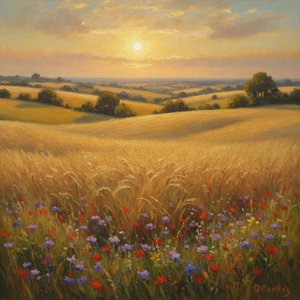
Golden Fields & Sun-Drenched Meadows: Capturing the Soul of Impressionist Landscapes
Immerse yourself in the luminous world of Impressionist landscapes. Discover how masters like Monet and Gauguin captured ephemeral light through plein air painting, and learn to bring the soul of sun-drenched meadows into your home with exquisite, hand-painted oil reproductions.
Entdecken Sie Kunstwerke, die nach Themen, Stilen und Merkmalen sortiert sind.


