


 Vorschau anzeigen
 Versenden
 Teilen
 Details anzeigen
 Leitfaden

 Herunterladen
 Ähnliche Objekte
 Röntgenaufnahme
 Diashow
 Statistiken
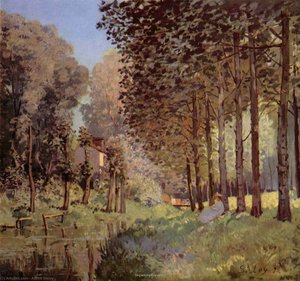
Richmond Park


Serene autumn forest scene by Spencer Gore, a key figure of the Camden Town Group, captures tranquility with detailed trees and lush foliage from 1914 – discover this beautiful painting.
 Weiterlesen
Ein Pionier der Camdem Town Gruppe und Meister des Landschaftsbildern – Entdecken Sie Spencer Gore (1878-1914) und seine beeindruckenden Gemälde von Richmond Park sowie Musikhallen und Innenräumen!
Giclée / Kunstdruck
Giclée- oder Leinwanddruck in Museumsqualität mit schneller Produktion und flexiblen Veredelungsoptionen. ( Handgemalte Reproduktion bestellen Zum digitalen Bild wechseln)




P118B €10

P118H €10

P118W €10

P438Z €10

P508JH €12

P508YH €12

P805H €10

P805Z €10

P919BZ €10

P919G €10

P919XJ €10

P959ZH €10

P968JZ €12

W106C €8

W218G €10

W218JH €8

W218Y €10

W307PJ €10

W316G €10

W316PJ €8

W316Y €10

W398PJ €8

W4111J €10

W500HY €15

W500JH €15

W692G €12

W849H €8

W940BG €15

W953PJ €8




Standardformat
individuell anpassbar
CM
INCH
Wählen Sie aus unseren vordefinierten Formaten, die den ursprünglichen Proportionen des Kunstwerks entsprechen.
Loading sizes...

Breite
Höhe
Geben Sie die benötigte Breite und Höhe an, damit der Druck perfekt in Ihren Rahmen oder an Ihre Wand passt. Ein Druck kann nur beschnitten, aber niemals größer als das Originalbild angefertigt werden; daher verliert ein Format mit anderen Proportionen einen Teil des Bildes. Wir senden Ihnen ein digitales Mockup zur Freigabe, bevor wir den Druck ausführen. Das auf dieser Seite gezeigte Bild zeigt nicht den tatsächlichen Beschnitt – dies ist nur im Mockup ersichtlich.
Weltweiter Versand () innerhalb von 2 Wochen statt der üblichen 4/5 Wochen. (28 Oktober)

Kostenloser weltweiter Expressversand

Hochwertige Leinenleinwand

Umfassender Versicherungsschutz beim Versand

Zollgebühren-Rückerstattungsgarantie

Garantie für exakte Farbtreue

100 Tage Rückgaberecht (nur bei Mängeln)

100% Geld-zurück-Garantie

Mengenrabatt verfügbar
 Die Glasoption ist nur für Größen unter 110 cm verfügbar.

Richmond Park
Giclée / Kunstdruck
Format der Reproduktion
-


Endpreis
€ 61
Spencer Gore's 'Richmond Park': A Study in Autumnal Tranquility
Richmond Park, painted in 1914 by Spencer Frederick Gore, offers a poignant glimpse into the heart of British landscape painting at the dawn of the 20th century. This evocative work captures the serene beauty of Richmond Park, not as a dramatic vista but rather through a meticulous observation of light and texture – a hallmark of the Camden Town Group to which Gore belonged. The scene unfolds with a quiet intensity; trees dominate the composition, their foliage rendered in rich autumnal hues that suggest both the vibrancy of life and the melancholic acceptance of decline. Gore’s skill lies not just in depicting the physical form of the park but also in conveying an atmosphere of profound stillness, inviting the viewer to share in its contemplative mood.
The Camden Town Group and Impressionist Influence
Gore's work is inextricably linked to the rise of Camden Town, a collective of artists who sought to break away from the academic traditions of the Royal Academy. Influenced by Post-Impressionists like Monet and Van Gogh, Gore embraced bold color palettes and an emphasis on capturing fleeting moments of light – techniques that would profoundly shape British art in the early 20th century. The painting’s brushwork is loose yet controlled, creating a sense of depth and movement within the trees while simultaneously emphasizing their individual forms. This approach reflects a desire to represent not just what was seen but also how it *felt*—a core tenet of the Camden Town Group's artistic philosophy.
Technique and Materiality
Executed in oil on canvas, Richmond Park demonstrates Gore’s mastery of layering and glazing techniques. The artist built up color gradually, creating a luminous effect that captures the dappled sunlight filtering through the trees. Note the subtle variations in tone – from the deep greens of the shadowed foliage to the brighter yellows and oranges where light catches the leaves. This meticulous attention to detail speaks to Gore’s dedication to realism, albeit one filtered through his own artistic sensibility. The canvas itself contributes to the painting's impact, its texture subtly enhancing the impression of natural surfaces.
Symbolism and Historical Context
Painted in 1914, just months before Gore’s untimely death at the age of 36, the artwork carries a poignant sense of finality. The autumnal theme—the shedding of leaves, the fading light—can be interpreted as a reflection on mortality and the passage of time. Gore's work aligns with a broader cultural fascination with nature during this period, reflecting a desire for escape from the rapid industrialization and social upheaval of Edwardian England. As Robert Upstone notes in the Tate’s research publication, Gore was “a pioneer of Camden Town,” establishing a distinct artistic voice that would influence generations of British artists.
Emotional Impact & Reproduction
Richmond Park is more than just a landscape painting; it's an invitation to experience tranquility and contemplate the beauty of the natural world. A hand-painted reproduction captures not only the visual details but also the emotional resonance of Gore’s original work, allowing you to bring this timeless scene into your home or office. TopImpressionists offers meticulously crafted reproductions that faithfully recreate the artist's technique and color palette, ensuring a lasting tribute to this significant piece of British art history.
Fragen & Antworten
Welches Druckformat wird für "Richmond Park" von Spencer Frederick Gore empfohlen?
Für einen Druck von "Richmond Park" von Spencer Frederick Gore wird ein Format von Large in der Ausrichtung Landscape empfohlen.
Wo kann ich das Original von "Richmond Park" von Spencer Frederick Gore sehen?
"Richmond Park" von Spencer Frederick Gore wird im Ashmolean Museum, Oxford, Vereinigtes Königreich ausgestellt. Die Museumsangabe bezieht sich auf das Originalwerk, nicht auf Reproduktionen.
Wo kann ich einen Druck von "Richmond Park" von Spencer Frederick Gore kaufen?
"Richmond Park" ist als ein Fine Art Print auf Baumwollkanvas oder Archiv-Leinwandpapier erhältlich. Bestellungen können in der gewünschten Größe auf der Kunstdruck in Premiumqualität-Seite aufgegeben werden.
Ähnliche Kunstwerke


Künstlerbiografie
Spencer Gore (1878 – 1914): Ein Pionier der Camden Town Gruppe
Spencer Frederick Gore war ein britischer Maler, der als eine der bedeutendsten Figuren der aufstrebenden Camden Town Gruppe hervorging und damit einen entscheidenden Wendepunkt in der britischen Kunst des frühen zwanzigsten Jahrhunderts markierte. Geboren am 26. Mai 1878 in Epsom, Surrey, entstammt er einer Familie, die tief in künstlerischen Traditionen verwurzelt war – sein Vater, Spencer Gore (der Wimbledon-Tennischampion), war selbst Maler, und sein Bruder Charles Gore war Theologe, was ein Umfeld schuf, das Kreativität und intellektuelle Neugier förderte. Gores prägende Jahre wurden durch den Besuch der Harrow School geprägt, wo er seine Beobachtungsgabe verfeinerte, bevor er an der Slade School of Fine Art eine formale Ausbildung neben Zeitgenossen wie Harold Gilman erhielt, was seine Verbindung zu impressionistischen Idealen festigte.- <Frühe Einflüsse: Gores künstlerische Sensibilität wurde tiefgreifend von Post-Impressionisten wie Claude Monet und Vincent van Gogh beeinflusst, deren Erkundung von Farbe und Licht als Sprungbrett für seinen eigenen, unverwechselbaren Stil diente.
- <Die Camden Town Gruppe: Er leitete 1904 die Gründung der Camden Town Gruppe gemeinsam mit Walter Sickert, Lucien Pisarro, Harold Gilman und Charles Ginner – ein Kollektiv, das sich der Aufgabe widmete, die Atmosphäre des Londoner Bohémiens mit kräftigen Pinselstrichen und lebendigen Paletten einzufangen.
- <Bedeutende Werke: Gores Œuvre umfasst eine bemerkenswerte Sammlung von Landschaften, Musikhallen-Szenen und Interieurs, die durch akribische Details und ein unerschütterliches Engagement für die Darstellung natürlicher Schönheit gekennzeichnet sind. Besonders hervorzuheben sind seine zweiunddreißig Leinwände des Richmond Parks, die in den letzten Monaten seines Lebens vollendet wurden – ein Zeugnis seiner dauerhaften Faszination für die englische Landschaft.
Technik und Stil: Die Bejahung der bildnerischen Konstruktion
Gores künstlerischer Ansatz zeichnete sich durch eine bewusste Hinwendung zur bildnerischen Konstruktion aus, was die stilistischen Innovationen der Impressionisten und Post-Impressionisten widerspiegelte. Er wandte geschickt Schichtungstechniken an – oft trug er dünne Lasuren über die Untermalung auf –, um leuchtende Effekte zu erzielen und seinen Leinwänden Tiefe und Resonanz zu verleihen. Diese akribische Liebe zum Detail ging über die bloße Darstellung hinaus; Gore suchte nicht nur zu vermitteln, was er sah, sondern auch, was er fühlte, wodurch die emotionale Intensität eingefangen wurde, die dem Erleben flüchtiger Momente innewohnt. Seine Gemälde wie „Hartington Square“ sind beispielhaft für dieses stilistische Engagement und demonstrieren eine meisterhafte Beherrschung von Farbe und Form.- <Farbpalette: Gore bevorzugte harmonische Paletten, die von gedämpften Grün-, Blau- und Gelbtönen dominiert wurden – Farben, die die Ruhe und Erhabenheit der natürlichen Welt heraufbeschworen.
- <Pinselführung: Seine Pinselstriche waren durch Fluidität und Spontaneität gekennzeichnet, wodurch sie die Dynamik von Licht und Luft einfingen und gleichzeitig ein Gefühl von Stille und Kontemplation vermittelten.
Die Landschaften des Richmond Parks: Ein Vermächtnis der Beobachtung
Die Richmond-Park-Serie stellt Gores Opus Magnum dar – eine ergreifende Chronik seiner letzten Jahre und ein bleibendes Symbol der britischen Landschaftsmalerei. Diese in unerschütterlicher Hingabe im Herbst 1913 ausgeführten Leinwände fangen die ätherische Schönheit des Parks ein, der in herbstliches Licht getaucht ist. Die resultierenden Bilder sind von einer spürbaren Melancholie durchdrungen und strahlen dennoch Wärme und Vitalität aus, was Gores tiefe Verbindung zu seiner Umgebung widerspiegelt. Die Tate-Kuratorin Helena Bonett bemerkte, dass Gores Tod an Lungenentzündung plötzlich kam und ein unvollendetes Meisterwerk hinterließ – ein Zeugnis seines unermüdlichen Strebens nach künstlerischer Exzellenz.Frederick Gore: Sohn und Künstler
Gores Sohn, Frederick John Pym Gore CBE RA (1913–2009), folgte den Fußstapfen seines Vaters als Maler, erbte dessen künstlerische Vision und etablierte sich als eine angesehene Figur in der britischen Kunstwelt. Wie Spencer absolvierte auch er eine formale Ausbildung an der Ruskin School of Art und entwickelte einen unverwechselbaren Stil, der in impressionistischen Prinzipien verwurzelt war – eine direkte Fortsetzung des Erbes seines Vaters. Gores Einfluss reichte über sein eigenes künstlerisches Schaffen hinaus; er diente als Lehrer, gab wertvolles Wissen an aufstrebende Künstler weiter und pflegte eine Tradition der Beobachtung und des expressiven Malens, die Generationen überdauerte.
Spencer Frederick Gore
1878 - 1914 , Vereinigtes Königreich
Kurzinfos
- Artistic Movement Or Style: Postimpressionismus
- Artists Or Movements Influenced By This Artist: ['Camden Town Gruppe']
- Artists Who Influenced This Artist:
- Walter Sickert
- Albert Rutherston
- Date Of Birth: Mai 26, 1878
- Date Of Death: März 27, 1914
- Full Name: Spencer Frederick Gore
- Nationality: Britisch
- Notable Artworks:
- Hartington Square
- Von einem Fenster in Cambrian Road, Richmond
- Place Of Birth: Epsom, Vereinigtes Königreich
Ähnliche Artikel

Gordon Parks: A Poetic Lens on American Life – Photography, Social Justice & Storytelling
Explore the profound work of Gordon Parks, a groundbreaking photographer who documented American life with unparalleled empathy and artistry. Discover his iconic images & lasting impact on social justice through Life magazine & beyond.

Familienporträts im Großformat: Ein zeitloses Vermächtnis für Generationen
Erstellen Sie ein einzigartiges Großformat Familienporträt mit TopImpressionists! Handgemalte Meisterwerke nach Ihren Fotos, von erfahrenen Künstlern. Transparenter Prozess & höchste Qualität – Ihr bleibendes Familienerinnerung.

Robert Bevan: Pioneering British Post-Impressionism & the Camden Town Group's Intimate Vision
Explore the life & work of Robert Bevan, a pioneer of British Post-Impressionism and founding member of the Camden Town Group. Discover his vibrant landscapes and lasting impact on early 20th-century art.

Sir William Blake Richmond: Ästhetizismus und Symbolismus – Eine Vision zwischen Präraffaelitismus und Renaissance-Ideal
Entdecken Sie das faszinierende Werk von Sir William Blake Richmond – ein Pionier des Ästhetizismus und Symbolismus. Erfahren Sie mehr über seine Mosaiken in St. Paul’s Cathedral, seinen Einfluss auf die Arts and Crafts Bewegung und sein Vermächtnis als Slade Professor.

Sir Stanley Spencer: Eine Neubewertung spiritueller Vision und autobiografischer Erzählung
Entdecken Sie die faszinierende Welt von Stanley Spencer! Unsere Expertenanalyse beleuchtet seine spirituelle Vision, einzigartige Ikonografie und den Einfluss seines Lebens auf sein Werk. Jetzt lesen!
Entdecken Sie Kunstwerke, die nach Themen, Stilen und Merkmalen sortiert sind.