


 Vorschau anzeigen
 Versenden
 Teilen
 Details anzeigen
 Leitfaden

 Herunterladen
 Ähnliche Objekte
 Röntgenaufnahme
 Diashow
 Q&A
Q&A Statistiken
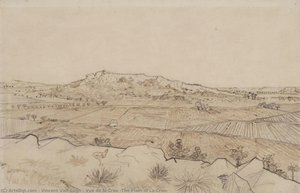
La Crau


Experience Vincent van Gogh’s iconic "La Crau" landscape in this stunning black and white reproduction of his Post-Impressionist masterpiece, capturing the expressive brushstrokes and evocative mood of 1888.
 Weiterlesen
Vincent van Gogh (1853-1890): Niederländischer Postimpressionistischer Meister, der für kräftige Farben, emotionale Landschaften und ikonische Werke wie 'Sternennacht' bekannt ist. Erkunden Sie seine Sonnenblumen, Porträts und seinen bleibenden Einfluss auf die moderne Kunst bei TopImpressionists.
Giclée / Kunstdruck
Giclée- oder Leinwanddruck in Museumsqualität mit schneller Produktion und flexiblen Veredelungsoptionen. ( Handgemalte Reproduktion bestellen Zum digitalen Bild wechseln)




P118B €10

P118H €10

P118W €10

P438Z €10

P508JH €12

P508YH €12

P805H €10

P805Z €10

P919BZ €10

P919G €10

P919XJ €10

P959ZH €10

P968JZ €12

W106C €8

W218G €10

W218JH €8

W218Y €10

W307PJ €10

W316G €10

W316PJ €8

W316Y €10

W398PJ €8

W4111J €10

W500HY €15

W500JH €15

W692G €12

W849H €8

W940BG €15

W953PJ €8




Standardformat
individuell anpassbar
CM
INCH
Wählen Sie aus unseren vordefinierten Formaten, die den ursprünglichen Proportionen des Kunstwerks entsprechen.
Loading sizes...

Breite
Höhe
Geben Sie die benötigte Breite und Höhe an, damit der Druck perfekt in Ihren Rahmen oder an Ihre Wand passt. Ein Druck kann nur beschnitten, aber niemals größer als das Originalbild angefertigt werden; daher verliert ein Format mit anderen Proportionen einen Teil des Bildes. Wir senden Ihnen ein digitales Mockup zur Freigabe, bevor wir den Druck ausführen. Das auf dieser Seite gezeigte Bild zeigt nicht den tatsächlichen Beschnitt – dies ist nur im Mockup ersichtlich.
Weltweiter Versand () innerhalb von 2 Wochen statt der üblichen 4/5 Wochen. (29 Oktober)

Kostenloser weltweiter Expressversand

Hochwertige Leinenleinwand

Umfassender Versicherungsschutz beim Versand

Zollgebühren-Rückerstattungsgarantie

Garantie für exakte Farbtreue

100 Tage Rückgaberecht (nur bei Mängeln)

100% Geld-zurück-Garantie

Mengenrabatt verfügbar
 Die Glasoption ist nur für Größen unter 110 cm verfügbar.

La Crau
Giclée / Kunstdruck
Format der Reproduktion
-


Endpreis
€ 61
A Landscape Forged in Emotion: Exploring Van Gogh’s *La Crau*
Vincent van Gogh's *La Crau*, painted in 1888, is more than just a depiction of the Provençal landscape; it’s a raw and intensely personal expression of the artist’s experience. This iconic work, now meticulously reproduced for TopImpressionists.com, offers a window into Van Gogh’s turbulent inner world, translated through his signature Post-Impressionist style. The scene – a vast, undulating hill dominated by the silhouette of the Montagne de la Crau – immediately commands attention with its dynamic energy and palpable sense of solitude. It's a landscape imbued with a profound emotional weight, reflecting Van Gogh’s own struggles and his yearning for connection to nature.
Decoding the Brushstroke: Technique and Style
The photograph captures the essence of *La Crau* through its faithful reproduction of Van Gogh’s distinctive technique. The loose, expressive lines are not merely representational; they are imbued with emotion. Thick impasto – a building up of paint – creates a tactile surface that invites close inspection, revealing the individual strokes that form the very structure of the scene. Notice how the artist uses layered lines to define the contours of the hill, creating an illusion of movement and depth. The trees and bushes aren’t rendered with delicate detail but rather as clusters of short, energetic strokes, contributing to the overall sense of restless energy. The simplified forms of the tents in the foreground serve as a grounding element, anchoring the viewer within this vast, almost overwhelming landscape.
Historical Context: A Moment of Transition
*La Crau* was created during a pivotal period in Van Gogh’s artistic development. Following his move to Arles in southern France in 1888, he sought to capture the light and atmosphere of the region – a landscape that profoundly influenced his work. This painting represents a crucial step in his evolution away from purely representational art towards a more subjective and emotionally charged style. Painted just before his infamous breakdown at the Ear Farm, *La Crau* offers a glimpse into Van Gogh’s state of mind—a blend of fascination and apprehension as he attempted to translate his vision onto canvas. The year 1888 was also marked by his increasing experimentation with color, foreshadowing the vibrant palettes that would become synonymous with his name.
Symbolism and Emotional Resonance
The solitary tents in *La Crau* evoke a sense of isolation and vulnerability, mirroring Van Gogh’s own feelings of alienation. The vastness of the landscape emphasizes this feeling, suggesting a human insignificance against the power of nature. The dominant hill, with its imposing presence, can be interpreted as representing both challenge and opportunity – a symbol of perseverance in the face of adversity. Ultimately, *La Crau* is not simply a landscape; it’s a deeply personal meditation on themes of loneliness, spirituality, and the human condition. Its enduring appeal lies in its ability to resonate with viewers on an emotional level, inviting contemplation and reflection.
Fragen & Antworten
Wie gesättigt ist die Farbpalette von "La Crau"?
"La Crau" von Vincent Willem Van Gogh zeichnet sich durch eine Muted Sättigung aus.
Wann wurde "La Crau" geschaffen?
"La Crau" stammt aus dem Jahr 1888. Dieses Datum ordnet das Werk in die Schaffensperiode von Vincent Willem Van Gogh sowie in dessen Epoche ein.
Wo kann ich eine digitale Abbildung von "La Crau" von Vincent Willem Van Gogh kaufen?
"La Crau" ist als hochauflösender digitaler Bild-Download direkt über die Seite Digitales Kunstwerk erhältlich.
Ähnliche Kunstwerke



Künstlerbiografie
Vincent van Gogh: Leben, Kunst und Vermächtnis
Frühes Leben und Einflüsse
- Geboren am 30. März 1853 in Groot-Zundert, Niederlande, war Vincent Willem van Gogh der älteste von sechs Kindern.
- Sein Vater, Theodorus van Gogh, war ein Protestantischer Pfarrer, und seine Erziehung wurde stark von Religion geprägt.
- Frühe Interessen umfassten Zeichnen, aber er verfolgte verschiedene Karrieren, bevor er sich dem Kunstschaffen widmete. Er arbeitete als Kunsthändler, Lehrer und Missionar.
- Wichtige Einflüsse: Zu den frühen Einflüssen gehörten niederländische Meister wie Rembrandt van Rijn und Frans Hals, sowie zeitgenössische französische Maler wie Jean-François Millet und Camille Corot.
Künstlerische Entwicklung & Stil
- Van Gogh begann 1880 ernsthaft zu malen, größtenteils autodidaktisch.
- Seine frühen Werke konzentrierten sich auf die Darstellung des Lebens von Bauern und Arbeitern und spiegelten seine Empathie für die Arbeiterklasse wider.
- Ein Umzug nach Paris im Jahr 1886 ermöglichte ihm den Kontakt mit Impressionismus und Post-Impressionismus, was zu einem helleren Farbstahl und Experimenten mit neuen Techniken führte.
- Besonderer Stil: Van Gogh entwickelte einen hochindividuellen Stil, der durch kräftige Farben, ausdrucksstarke Pinselstriche und emotionale Intensität gekennzeichnet ist. Er verwendete oft Impasto – dicke Farbschichten – um Textur zu erzeugen und Gefühle auszudrücken.
Wichtige Perioden & Werke
- Die niederländische Periode (1880-1886): Konzentrierte sich auf dunkle, erdige Töne und Darstellungen des ländlichen Lebens. Bedeutende Werke sind The Potato Eaters.
- Die Pariser Periode (1886-1888): Experimente mit impressionistischen Techniken und helleren Farben.
- Die Arleser Periode (1888-1889): Eine Periode intensiver Kreativität, die von lebendigen Landschaften, Porträts und Stillleben geprägt war. Wichtige Werke sind Sunflowers, The Night Café, und Starry Night Over the Rhône.
- Saint-Rémy & Auvers-sur-Oise (1889-1890): Nach einem Nervenzusammenbruch wurde Van Gogh freiwillig in eine Anstalt in Saint-Rémy eingeliefert. Seine letzten Jahre waren von fortgesetzter künstlerischer Produktion, aber auch zunehmender emotionaler Belastung geprägt. Bedeutende Werke sind The Starry Night und Porträts von Dr. Gachet.
Wichtige Errungenschaften & Anerkennung
- Trotz der Kämpfe mit psychischen Erkrankungen und der Ablehnung während seines Lebens schuf Van Gogh in über einem Jahrzehnt mehr als 2.100 Kunstwerke – etwa 860 Ölgemälde.
- Sein Werk hatte einen tiefgreifenden Einfluss auf die Entwicklung der modernen Kunst, insbesondere des Expressionismus und des Fauvismus.
- Posthume Ruhm: Die Anerkennung kam nach seinem Tod im Jahr 1890. Seine Werke erfreuten sich in den frühen 20er Jahren zunehmender Beliebtheit und wurden zu einigen der bekanntesten und wertvollsten Kunstwerke der Welt.
Historische Bedeutung & Vermächtnis
- Van Goghs Kunst berührt die Menschen bis heute aufgrund seiner emotionalen Ehrlichkeit, lebendigen Farben und der kraftvollen Darstellung menschlicher Erfahrungen.
- Er gilt als eine der wichtigsten Figuren in der Geschichte der westlichen Kunst und inspiriert seit Generationen Künstler.
- Seine Lebensgeschichte ist zu einem Symbol des “leidenden Künstlers” geworden, obwohl diese Erzählung oft seine Hingabe, Geschicklichkeit und künstlerische Vision überschattet.
- Museen auf der ganzen Welt, darunter das Van Gogh Museum in Amsterdam, zeigen sein Werk und feiern sein bleibendes Vermächtnis.

Vincent Willem Van Gogh
1853 - 1890 , Niederlande
Kurzinfos
- Artistic Movement Or Style: Post-Impressionismus
- Artists Or Movements Influenced By This Artist:
- Expressionismus
- Fauvismus
- Artists Who Influenced This Artist:
- Rembrandt
- Millet
- Date Of Birth: 30. März 1853
- Date Of Death: 29. Juli 1890
- Full Name: Vincent Willem van Gogh
- Nationality: Niederländer
- Notable Artworks:
- Sternennacht
- Sonnenblumen
- Place Of Birth: Zundert, Niederlande
Ähnliche Artikel

Van Goghs Impasto: Die emotionale Kraft und Struktur seiner Pinselstriche verstehen
Erleben Sie die emotionale Kraft von Van Goghs Impasto-Technik durch Expertenwissen. Entdecken Sie jetzt die Tiefe seiner Pinselstriche.
Entdecken Sie Kunstwerke, die nach Themen, Stilen und Merkmalen sortiert sind.


![Irisen [1889]](/media/artworks/images-thumb/ca/85/ca85582a4fd1dc392efef83ec4dc3124.jpg)

