


 In echtem Maßstab anzeigen
 Versenden als Grußkarte
 Teilen
 Details anzeigen
 Leitfaden öffnen

 Herunterladen
 Ähnliche Objekte
 Röntgenaufnahme
 Diashow
 Besucherstatistiken
Landscape

Explore Wassily Kandinsky’s vibrant landscape painting—a cornerstone of abstract expressionism—capturing the emotive power of color and form. Witness a dynamic scene brimming with spirit and nature's beauty; discover or acquire this iconic masterpiece.
 Mehr anzeigen
Entdecken Sie Wassily Kandinsky (1866-1944), Pionier der abstrakten Kunst! Erleben Sie seinen Expressionismus, spirituelle Themen & Bauhaus-Erbe durch beeindruckende Reproduktionen.
Handgefertigte Ölreproduktion
Handgemaltes Ölgemälde auf Leinwand in Ihrer Wunschgröße und mit Rahmen, auf Bestellung von unseren Künstlern angefertigt. ( Zum Druck wechseln Zum digitalen Bild wechseln)




P118B €10

P118H €10

P118W €10

P438Z €10

P508JH €12

P508YH €12

P805H €10

P805Z €10

P919BZ €10

P919G €10

P919XJ €10

P959ZH €10

P968JZ €12

W106C €8

W218G €10

W218JH €8

W218Y €10

W307PJ €10

W316G €10

W316PJ €8

W316Y €10

W398PJ €8

W4111J €10

W500HY €15

W500JH €15

W692G €12

W849H €8

W940BG €15

W953PJ €8




Standardformat
individuell anpassbar
CM
INCH
Wählen Sie aus unseren vordefinierten Formaten, die den ursprünglichen Proportionen des Kunstwerks entsprechen.
Loading sizes...

Breite
Höhe
Geben Sie die Breite und die Höhe an, die Sie für Ihren Rahmen oder Ihre Wand benötigen. Da dieses Werk handgemalt ist, kann der Künstler bei einer anderen Form etwas mehr um das Bild herum malen oder etwas abschneiden – Sie entscheiden. Wir senden Ihnen ein digitales Mockup zur Freigabe, bevor mit dem Malen begonnen wird. Das auf dieser Seite gezeigte Bild stellt nicht das tatsächliche Ergebnis dar – dies tut nur das Mockup.
Beispiele für Anpassungsmöglichkeiten: Gesicht durch Kundenfoto ersetzen; Haustier hinzufügen (z. B. Katze durch Hund ersetzen); eine versteckte Nachricht im Hintergrund einfügen; Hintergrundlandschaft oder -elemente ändern.
Nach der Bestellung wird das TopImpressionists.com-Team dem Kunden Anweisungen per E-Mail zusenden und eine Mockup-Vorschau bereitstellen.
Nach der Bestellung wird das TopImpressionists.com-Team dem Kunden Anweisungen per E-Mail zusenden und eine Mockup-Vorschau bereitstellen.
Weltweiter Versand () in nur 3 bis 4 Wochen statt der üblichen 5 Wochen. (24 Oktober). Keine Kompromisse bei der Qualität.

Kostenloser weltweiter Expressversand

Hochwertige Leinenleinwand

Vollständiger Versicherungsschutz beim Versand

Zollgebühren-Rückerstattungsgarantie

Garantie für exakte Farbtreue

100-tägiges Rückgaberecht (nur bei Mängeln)

100% Geld-zurück-Garantie

Angebot für Mengenrabatt
 Die Glasoption ist nur für Größen unter 110 cm verfügbar.

Landscape
Reproduktionsmedium
Format der Reproduktion
-


Gesamtpreis
€ 236
A Pioneer of Abstraction: Exploring Wassily Kandinsky’s Landscape
- Subject Matter & Composition The painting depicts a serene landscape brimming with vibrant foliage and shimmering water—a scene that immediately draws the eye into its expansive beauty. However, it's not merely a picturesque vista; Kandinsky deliberately incorporates human figures scattered throughout the composition, alongside an animal positioned on the right side of the canvas. This juxtaposition serves to elevate the artwork beyond a simple depiction of nature, inviting contemplation about humanity’s relationship with the environment.
- Style & Technique Kandinsky's Landscape exemplifies his groundbreaking approach to painting—pure abstraction. Rejecting representational art altogether, he abandons recognizable forms and colors to prioritize their expressive qualities. The artist utilizes a technique characterized by spontaneous brushstrokes and layering of pigments, resulting in textured surfaces that capture the dynamism of light and color. This method aligns perfectly with Kandinsky’s belief that art should transcend visual perception and tap into deeper spiritual realms.
- Historical Context Created during Kandinsky's formative years in Munich (around 1908-1910), Landscape sits firmly within the burgeoning movement of Expressionism. However, unlike many Expressionist artists who sought to convey emotional turmoil through distorted imagery, Kandinsky aimed for a more profound connection with the subconscious mind. He was deeply influenced by developments in music theory—particularly Arnold Schoenberg’s pioneering use of atonality—which encouraged him to explore musical equivalents of color and form.
- Symbolism & Emotional Impact The colors employed in Landscape are deliberately chosen not for their literal representation but for their symbolic resonance. Vivid hues convey feelings of joy, tranquility, and vitality, mirroring the beauty of the natural world. Kandinsky’s intention was to evoke an emotional response in the viewer—a sensation akin to experiencing a musical harmony—and to transport them beyond the confines of rational thought. The presence of the animal symbolizes instinctual forces and primal energy, complementing the human figures' role as embodiments of intellect and consciousness.
- Conclusion Wassily Kandinsky’s Landscape represents more than just a beautiful depiction of scenery; it embodies his revolutionary vision for art—a quest to liberate color and form from the constraints of imitation. Its enduring appeal lies in its ability to inspire awe, provoke contemplation, and resonate with viewers on an emotional level, securing its place as a cornerstone of modern artistic heritage.
Fragen & Antworten
Für welchen Raum wird "Landscape" von Wassily Wassilyevich Kandinsky aufgrund seiner Farben empfohlen?
Die Dark-Farben von "Landscape" von Wassily Wassilyevich Kandinsky harmonieren perfekt mit dem empfohlenen Raum: einem Living Room.
Welches Gefühl wird mit "Landscape" assoziiert?
Die für "Landscape" von Wassily Wassilyevich Kandinsky festgelegte emotionale Stimmung ist Calm. Sie fasst das Gefühl zusammen, das das Werk ausdrückt.
Welche Platzierung passt zum Format von "Landscape" von Wassily Wassilyevich Kandinsky?
Mit seiner Landscape-Form wird eine Reproduktion von „Landscape“ für ein Living Room empfohlen.
Biografie des Künstlers
Wassily Wassilyevich Kandinsky: Ein Pionier der Abstraktion
- Geboren: 16. Dezember 1866, Moskau, Russland
- Gestorben: 13. Dezember 1944
- Nationalität: Russisch
Frühes Leben und künstlerische Entwicklung
- Kandinskys frühes Leben war von einer vielfältigen Ausbildung geprägt, zunächst studierte er Rechts- und Wirtschaftswissenschaften an der Universität Moskau.
- Mit 30 Jahren wandte er sich der Kunst zu und schrieb sich an der Münchner Akademie unter Franz von Stuck ein. Dieser Wechsel bedeutete ein tiefes Engagement für künstlerischen Ausdruck.
- Seine frühen Werke wurden von russischer Volkskunst beeinflusst, insbesondere durch seine ethnografische Forschungsreise in die Region Wologda im Jahr 1889.
- Er entwickelte ein Interesse an der Farbsymbolik und Psychologie, was grundlegende Elemente seiner späteren abstrakten Kompositionen wurde.
Wichtige künstlerische Perioden und Stile
- Früh-Expressionismus: Gekennzeichnet durch lebendige Farben und emotionale Intensität, wie in "Papeln (Poplars)" (1902) zu sehen ist.
- Übergang zur Abstraktion: Kandinsky löste sich allmählich von der gegenständlichen Kunst und erforschte das Verhältnis zwischen Farbe, Form und Emotion.
- Geometrische Abstraktion: Diese Periode sah einen Fokus auf geometrischen Formen und Kompositionen, wie in "Several Circles" (140 x 140 cm) dargestellt.
- Spirituelle Abstraktion: Kandinsky glaubte, dass die Kunst spirituelle Wahrheiten durch nicht-gegenständliche Formen ausdrücken konnte. Seine Werke zielten darauf ab, Emotionen und innere Erfahrungen hervorzurufen, anstatt externe Realität darzustellen.
Einfluss und Vermächtnis
- Bauhaus-Einfluss: Als Dozent an der Bauhausschule in Deutschland beeinflusste Kandinsky Generationen von Künstlern mit seinen Theorien über Farbe, Form und Abstraktion nachhaltig.
- Theoretische Schriften: Seine Schriften, insbesondere "Über das Geistige in der Kunst", artikulierten seine künstlerische Philosophie und trugen wesentlich zur Entwicklung der abstrakten Kunsttheorie bei.
- Einfluss auf die moderne Kunst: Kandinsky gilt weithin als Pionier der abstrakten Kunst und ebnete den Weg für zahlreiche nachfolgende Bewegungen und Künstler.
- Museumsbestände: Seine Werke befinden sich in wichtigen Museen weltweit, darunter die Tretjakow-Galerie in Moskau, die sein monumentales Werk "Komposition VII" beherbergt.
Bemerkenswerte Werke
- Komposition VII: Ein großformatiges abstraktes Werk, das als Höhepunkt von Kandinskys künstlerischer Entwicklung gilt.
- Schwarzes Quadrat (in Zusammenarbeit mit Kasimir Malewitsch): Ein bahnbrechendes Werk in der Geschichte der Abstraktion, das eine radikale Abkehr von traditionellen Kunstformen darstellt.
- Several Circles: Demonstriert seine innovative Verwendung geometrischer Formen und lebendiger Farben zur Schaffung dynamischer Kompositionen.
- Murnau mit einer Kirche: Balanciert abstrakte Elemente mit gegenständlicher Bildsprache und zeigt seinen sich entwickelnden Stil.
- Ein intimes Fest: Ein späteres Werk mit geometrischer Abstraktion und mehrschichtiger Impastopastechnik, die seine fortgesetzte Erforschung spiritueller Themen widerspiegelt.

Wassily Wassilyevich Kandinsky
1866 - 1944 , Russland
Eckdaten zum Künstler
- Artistic Movement Or Style: Abstrakter Expressionismus
- Date Of Birth: 16. Dezember 1866
- Date Of Death: 13. Dezember 1944
- Full Name: Wassily Wassilyevich Kandinsky
- Nationality: Russisch
- Notable Artworks:
- Komposition VII
- Schwarzes Quadrat
- Mehrere Kreise
- Murnau mit Kirche
- Ein Intimes Fest
- Place Of Birth: Moskau, Russland
Verwandte Artikel

Capturing the Soul: The Most Emotionally Moving Impressionist and Post-Impressionist Masterpieces
Discover the profound emotional depth of Impressionist and Post-Impressionist masterpieces. Explore how legends like Monet, Van Gogh, and Gauguin captured light and soul through evocative landscapes and vibrant brushwork for a timeless connection to art history.

Beyond the Light: Capturing Raw Emotion and Subjective Vision in Post-Impressionist Landscapes
Explore the profound emotional depth of Post-Impressionist landscapes. Discover how masters like Van Gogh moved beyond light to capture raw human feeling through vibrant color and expressive texture in this expert art history retrospective.

The Beauty of Impermanence: Capturing Decay through Impressionist Eyes
Explore the profound beauty of impermanence through Impressionist and Post-Impressionist eyes. Discover how masters like Monet and Van Gogh captured fleeting light and the poetic essence of nature's transitions in our deep dive into art history and emotional landscapes.
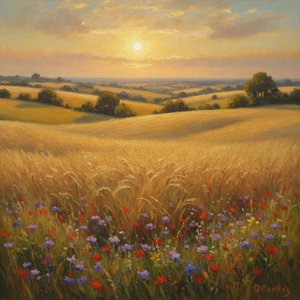
Golden Fields & Sun-Drenched Meadows: Capturing the Soul of Impressionist Landscapes
Immerse yourself in the luminous world of Impressionist landscapes. Discover how masters like Monet and Gauguin captured ephemeral light through plein air painting, and learn to bring the soul of sun-drenched meadows into your home with exquisite, hand-painted oil reproductions.

The Soul of Color: A Journey into the Emotional Resonance of Lyrical Abstraction
Embark on a cultural journey through Lyrical Abstraction. Explore how masters like Kandinsky used color and motion to translate emotion into visual poetry. Discover the profound beauty of abstract expressionism and learn to curate emotional resonance in your own art collection.
Entdecken Sie Kunstwerke, die nach Themen, Stilen und Merkmalen sortiert sind.


