


 In echtem Maßstab anzeigen
 Versenden als Grußkarte
 Teilen
 Details anzeigen
 Leitfaden öffnen

 Herunterladen
 Ähnliche Objekte
 Röntgenaufnahme
 Diashow
 Besucherstatistiken
Windmills
 Impressionism
 1911
1911 69.0 x 112.0 cm
Discover 'Windmills' by William Grant Murray – a serene 1911 landscape painting of a Dutch windmill scene. Explore its historical context & timeless beauty.
 Mehr anzeigen
William Grant Murray (1877-1950): Britischer Künstler, bekannt für Landschaften, Porträts & Wandgemälde. Schulleiter der Swansea Art School & Kurator der Glynn Vivian Gallery. Entdecken Sie seine figurativen Werke und walisischen Beiträge.
Giclée / Kunstdruck
Giclée- oder Leinwanddruck in Museumsqualität mit schneller Produktion und flexiblen Veredelungsoptionen. ( Handgemalte Reproduktion kaufen Zum digitalen Bild wechseln)




P118B $10

P118H $10

P118W $10

P438Z $10

P508JH $12

P508YH $12

P805H $10

P805Z $10

P919BZ $10

P919G $10

P919XJ $10

P959ZH $10

P968JZ $12

W106C $8

W218G $10

W218JH $8

W218Y $10

W307PJ $10

W316G $10

W316PJ $8

W316Y $10

W398PJ $8

W4111J $10

W500HY $15

W500JH $15

W692G $12

W849H $8

W940BG $15

W953PJ $8




Standardformat
individuell anpassbar
CM
INCH
Wählen Sie aus unseren vordefinierten Formaten, die den ursprünglichen Proportionen des Kunstwerks entsprechen.
Loading sizes...

Breite
Höhe
Sie können Ihre eigenen Maße eingeben, um ein bestimmtes Format oder einen speziellen Platz einzupassen. Wenn das von Ihnen gewählte Format nicht den Proportionen des Originalbildes entspricht, werden wir das Kunstwerk entweder beschneiden oder das Bild mit einem gespiegelten oder einfarbigen Rand erweitern. Ein digitaler Entwurf wird Ihnen zur Genehmigung zugesandt, bevor die Produktion beginnt.
Bitte beachten Sie, dass die Vorschau auf dem Bildschirm nicht den tatsächlichen Zuschnitt oder die Erweiterung widerspiegelt. Nur der Entwurf zeigt die endgültige Komposition präzise an.
Obwohl Sondermaße verfügbar sind, empfehlen wir die Auswahl eines Maßes aus der vordefinierten Liste, um die ursprünglichen Proportionen zu bewahren.
Weltweiter Versand () innerhalb von 2 Wochen statt der üblichen 4/5 Wochen. (25 September)

Kostenloser weltweiter Expressversand

Hochwertige Leinenleinwand

Vollständiger Versicherungsschutz beim Versand

Zollgebühren-Rückerstattungsgarantie

Garantie für exakte Farbtreue

100-tägiges Rückgaberecht (nur bei Mängeln)

100% Geld-zurück-Garantie

Angebot für Mengenrabatt
 Die Glasoption ist nur für Größen unter 110 cm verfügbar.

Windmills
Giclée / Kunstdruck
Format der Reproduktion
-


Gesamtpreis
$ 69
A Pastoral Scene: William Grant Murray’s ‘Windmills’ (1911)
- Subject and Composition: ‘Windmills’ transports the viewer to a tranquil rural landscape, dominated by a stately windmill set against a backdrop of billowing clouds. The composition is carefully balanced; the windmill acts as a central focal point, yet doesn't overwhelm the scene. A modest building – perhaps a shed or small barn – nestles nearby, suggesting human presence and agricultural life. Two figures animate the field, one positioned to the left and another to the right, subtly guiding the eye through the painting. The inclusion of a grazing horse further enhances the sense of peaceful activity within this idyllic setting.
- Style and Technique: Painted in 1911, ‘Windmills’ reflects influences of Post-Impressionism and early Modernism, though Murray maintains a distinctly representational approach. His brushwork is visible yet controlled, creating texture and depth without sacrificing clarity. The color palette is muted and harmonious, dominated by earthy tones and soft greys that evoke the atmosphere of a cloudy day. Murray’s technique emphasizes light and shadow to define form and create a sense of spaciousness within the landscape.
Historical Context & Artistic Lineage
- A Scottish Artist in Transition: William Grant Murray (1877-1950) was a versatile British artist, renowned for his murals, portraits and mosaics. Educated at prestigious art schools including the Royal College of Art in London and the Académie Julian in Paris, he possessed a strong academic foundation. ‘Windmills’ dates from a period where Murray was establishing himself as a landscape painter, moving away from purely decorative work towards more expressive representations of the natural world.
- The Allure of Rural Life: The early 20th century witnessed a growing fascination with rural life and a desire to escape the rapid industrialization of urban centers. Paintings like ‘Windmills’ tapped into this sentiment, offering viewers a nostalgic vision of simpler times and harmonious coexistence between humanity and nature.
Symbolism & Emotional Resonance
- The Windmill as Metaphor: The windmill itself carries symbolic weight. Traditionally, windmills represent progress, ingenuity, and harnessing the power of nature for human benefit. However, they can also evoke a sense of timelessness and the cyclical rhythms of agricultural life. In this painting, the windmill stands as a silent sentinel, witnessing the passage of time and the enduring beauty of the countryside.
- A Mood of Serenity: ‘Windmills’ evokes a profound sense of peace and tranquility. The soft colors, gentle brushwork, and harmonious composition combine to create a calming atmosphere. It's a scene that invites contemplation and offers respite from the stresses of modern life. The painting’s emotional impact lies in its ability to capture a fleeting moment of beauty and stillness.
For Collectors & Interior Design
- A Versatile Addition: With dimensions of 69 x 112 cm, ‘Windmills’ is a substantial yet manageable artwork suitable for a variety of interior spaces. Its muted color palette and pastoral subject matter make it particularly well-suited to traditional or country-style interiors.
- Harmonious Placement: Consider pairing this painting with natural materials such as wood, linen, and stone to enhance its rustic charm. It would be a striking focal point in a living room, dining room, or study, adding warmth and character to any space. A high-quality reproduction of ‘Windmills’ offers an accessible way to bring the serenity of Murray's vision into your home.
Ähnliche Kunstwerke


Biografie des Künstlers
Der Visionär der walisischen Landschaft: Das Leben von William Grant Murray
William Grant Murray war weit mehr als nur ein Maler; er war eine transformative Kraft, deren Einfluss die britische und walisische Kunstlandschaft des frühen zwanzigsten Jahrhunderts tiefgreifend prägte. Geboren 1877 in der Küstennähe von Portsoy, Schottland, war sein frühes Leben von der rauen Schönheit des Nordens geprägt – eine Umgebung, die zweifellos seine lebenslange Faszination für Licht und Atmosphäre beeinflussen sollte. Sein Weg zur Meisterschaft begann mit strenger akademischer Disziplin, angefangen an der Blairgowrie School of Art über die renommierte Edinburgh School of Art bis hin zum Herzen der Londoner Kunstszene am Royal College of Art. In diesen prägenden Jahren wurde Murrays Streben nach Exzellenz deutlich und brachte ihm Auszeichnungen ein, die ihn als aufstrebenden Stern seiner Generation kennzeichneten. Die wahre Metamorphose seines Stils vollzog sich jedoch unter dem sonnendurchfluteten Himmel Frankreichs. Im Jahr 1905 tauchte Murray während seines Studiums an der Académie Julian in Paris in die lebendigen Strömungen des europäischen Impressionismus ein. Diese Begegnung mit den französischen Meistern schenkte ihm eine tiefe Wertschutzes für das Ephemere – die Art und Weise, wie ein plötzlicher Schatten über eine Wiese fällt oder wie der Morgennebel an einem Hafen haftet. Er lernte, Farbe nicht als statisches Pigment zu betrachten, sondern als ein lebendiges, atmendes Element, das sich mit dem Vergehen der Zeit wandelt. Diese impressionistische Sensibilität sollte zum Herzschlag seines Werkes werden und es ihm ermöglichen, jene flüchtigen Momente von Licht und Bewegung einzufangen, die die natürliche Welt definieren.Ein Vermächtnis der Führung und künstlerischen Vitalität
Jenseits der Leinwand war Murrays Leben durch ein leidenschaftliches Engagement für die Förderung der künstlerischen Ausbildung und die Bewahrung der Kultur geprägt. Seine Karriere nahm eine entscheidende Wendung, als er Rollen von großer Verantwortung übernahm, unter anderem als Kunstpädagoge an der West Bromwich Municipal School of Art. Doch erst seine Ernennung zum Direktor der Swansea Municipal School of Art sollte seine historische Bedeutung festigen. Nach seiner Ankunft kritisierte Murray berühmt die Verfassung der Institution und sah den Mangel an Einrichtungen als Zeichen des Verfalls. Getrieben von einem unerschütterlichen Glauben an die künstlerische Vitalität leitete er eine Ära beispiellosen Wachstums ein und transformierte die Schule in eine erstklassige Institution, die bis 1914 zu den fünfundzwanzig besten Schulen in England und Wales gehörte. Sein Einfluss reichte tief in das bürgerliche Leben von Wales hinein, insbesondere durch seine Rolle als erster Kurator der Glynn Vivian Art Gallery. In dieser Funktion agierte er als Hüter der Schönheit, gestaltete die Sammlung und förderte eine Gemeinschaft, in der Kunst neben der Industrie gedeihen konnte. Sein Schaffen beschränkte sich nicht auf das kleine Format der Staffeleimalerei; er besaß eine große Vision, die auch Wandgemälde und großformatige Kompositionen umfasste, ganz ähnlich wie sein Bruder George, der ebenfalls für seine monumentalen Werke bekannt war. Durch seine Doppelfunktion als Pädagoge und Kurator stellte Murray sicher, dass der künstlerische Puls von Swansea durch die turbulenten Jahre der Zwischenkriegszeit hindurch kräftig weiterschlug.Das Wesen seiner Kunstfertigkeit
Ein Werk von Grant Murray zu betrachten bedeutet, einen Dialog zwischen Struktur und Spontaneität zu erleben. Seine Technik verband oft das disziplinierte Fundament seiner akademischen Ausbildung mit dem fließenden, emotionalen Pinselstrich, der charakteristisch für die impressionistische Bewegung ist. Ob er die felsigen Küsten seiner schottischen Heimat oder das wechselnde Licht der walisischen Küste darstellte – seine Gemälde besitzen eine innewohnende Wärme und ein Gefühl von Ort, das über die bloße Darstellung hinausgeht. Zu den wesentlichen Aspekten seines künstlerischen Beitrags gehören:- Die Integration französischer impressionistischer Techniken in die britische Landschaftstradition.
- Die tiefgreifende Fähigkeit, atmosphärisches Licht und die vergänglichen Qualitäten der Natur einzufangen.
- Die institutionelle Transformation der Swansea Art School zu einem Zentrum der Exzellenz.
- Seine entscheidende Rolle bei der kuratorischen Entwicklung der Glynn Vivian Art Gallery.

William Grant Murray
1877 - 1950 , Schottland
Eckdaten zum Künstler
- Artistic Movement Or Style: Impressionismus
- Artists Or Movements Influenced By This Artist: ['']
- Artists Who Influenced This Artist:
- Claude Monet
- Pierre Auguste Renoir
- Date Of Birth: 1877
- Date Of Death: 1950
- Full Name: William Grant Murray
- Nationality: Britisch
- Notable Artworks:
- On the Seine
- Carreg Cennen Castle
- Barges on the Seine
- Place Of Birth: Portsoy, Schottland
Verwandte Artikel

Capturing the Soul: The Most Emotionally Moving Impressionist and Post-Impressionist Masterpieces
Discover the profound emotional depth of Impressionist and Post-Impressionist masterpieces. Explore how legends like Monet, Van Gogh, and Gauguin captured light and soul through evocative landscapes and vibrant brushwork for a timeless connection to art history.

Beyond the Light: Capturing Raw Emotion and Subjective Vision in Post-Impressionist Landscapes
Explore the profound emotional depth of Post-Impressionist landscapes. Discover how masters like Van Gogh moved beyond light to capture raw human feeling through vibrant color and expressive texture in this expert art history retrospective.
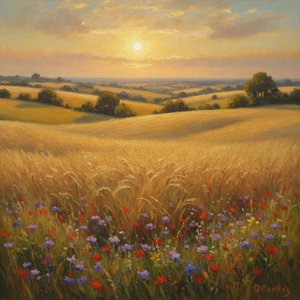
Golden Fields & Sun-Drenched Meadows: Capturing the Soul of Impressionist Landscapes
Immerse yourself in the luminous world of Impressionist landscapes. Discover how masters like Monet and Gauguin captured ephemeral light through plein air painting, and learn to bring the soul of sun-drenched meadows into your home with exquisite, hand-painted oil reproductions.

The Timeless Charm of Oil on Board: Reimagining Texture and Light through the Impressionist Lens
Discover the profound intimacy of oil on panel. Explore how Impressionist masters used rigid supports to capture light, texture, and impasto depth through exquisite, handmade oil reproductions for discerning collectors.

The Beauty of Impermanence: Capturing Decay through Impressionist Eyes
Explore the profound beauty of impermanence through Impressionist and Post-Impressionist eyes. Discover how masters like Monet and Van Gogh captured fleeting light and the poetic essence of nature's transitions in our deep dive into art history and emotional landscapes.