Eine Offenbarung der Renaissance: Die Bardi-Kapelle
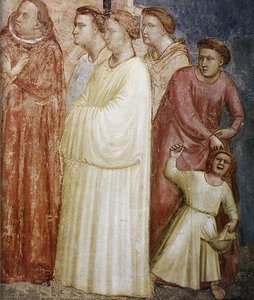
In der geweihten, lichtdurchfluteten Weite der Basilika Santa Croce in Florenz existiert ein Heiligtum, in dem die Grenzen zwischen dem Irdischen und dem Göttlichen zu verschwimmen scheinen. Die Bardi-Kapelle ist nicht bloß eine religiöse Nische; sie ist ein tiefgreifendes Zeugnis des Anbruchs des Humanismus und des revolutionären Genies von Giotto di Bondone . Wenn man diesen intimen Raum betritt, weicht die schwere Last der byzantinischen Tradition einer neuen, atmenden Realität. Hier findet das vierzehnte Jahrhundert seine Stimme durch einen Freskenzyklus, der die Entwicklung der westlichen Kunst transformierte, indem er statische, symbolische Ikonen durch Figuren ersetzte, die Gewicht, Volumen und eine unverkennbare psychologische Tiefe besitzen.
Die Erzählung der Kapelle wird durch Giottos meisterhafte Darstellung des Lebens des Heiligen Franziskus von Assisi verankert. In Auftrag gegeben von der illustren Familie Bardi – jenen mächtigen florentinischen Bankiers, deren wirtschaftlicher Einfluss den aufstrebenden politischen Aufstieg der Stadt widerspiegelte – dienen diese Fresken als dramatischer, fortlaufender Wandteppich aus Glauben und Erfahrung. In Szenen wie Franz von Assisi vor dem Sultan wird die wegweisende Nutzung von Licht und Schatten durch den Künstler Zeugnis abgelegt, um ein Gefühl von dreidimensionalem Raum zu erzeugen – eine Technik, die später zum Eckpfeiler der Renaissance-Malerei werden sollte. Die emotionale Resonanz ist greifbar; Giotto fängt die rohe Spannung einer Feuerprobe und die stille, feierliche Würde des Transito di Francesco ein, in dem der Tod des Heiligen mit einer Sensibilität dargestellt wird, die den Betrachter zu einem gemeinsamen Moment der Trauer und spirituellen Transzendenz einlädt.
Architektonische Harmonie und künstlerisches Erbe
In architektonischer Hinsicht verkörpert die Kapelle die elegante Schlichtheit des gotischen Stils, der darauf ausgelegt ist, ein Gefühl kontemplativer Harmonie zu fördern. Die räumliche Anordnung besitzt trotz ihrer Intimität eine weitreichende spirituelle Kraft, verstärkt durch originale polychrome Buntglasfenster, die das florentinische Licht in einen ätherischen Glanz filtern. Dieses Zusammenspiel von Licht und Struktur schafft eine Atmosphäre, in der die Kunst nicht bloß auf den Wänden lastet, sondern im Gefüge der Architektur selbst atmet.
Obwohl die Kapelle Jahrhunderte des Wandels überdauert hat – einschließlich Perioden der Vernachlässigung und sogar Übermalungen, die Giottos Brillanz vorübergehend verdeckten – haben jüngste, akribische Konservierungsbemühungen des Opificio delle Pietre Dure diesen fragilen Oberflächen neues Leben eingehaucht. Diese Restaurierung hat nicht nur den Putz stabilisiert, sondern auch die lebendigen Farbpaletten und komplizierten Details zurückgewonnen, die einst die Augen der Pilger der Renaissance verzauberten. Für den Kunsthistoriker, den Sammler oder den Designer, der Inspiration in den Klassikern sucht, bietet die Bardi-Kapelle eine unvergleichliche Begegnung mit den Ursprüngen der modernen visuellen Sprache. Es ist ein Ort, an dem das Erbe Giottos auf die Pracht der florentinischen Geschichte trifft und als Eckpfeiler des UNESCO-Welterbes Santa Croce fortbesteht.