


 Προεπισκόπηση
 Αποστολή
 Κοινοποίηση
 Λεπτομέρειες
 Οδηγός

 Λήψη
Λήψη
 Παρόμοια αντικείμενα συλλογής
 Ακτινογραφία
 Παρουσίαση
 Στατιστικά
not identified

Experience the dramatic intensity of Caravaggio's still life masterpiece, featuring a colossal pumpkin and scattered apples in a rich Baroque style – perfect for art lovers to discover or own.
 Περισσότερα λεπτομέρεια
Ανακαλύψτε τον Καραβάτζο (1571-1610): Μάστορας του μπαρόκ, ρεαλισμού & tenebrism. Δραματικές θρησκευτικές σκηνές, έντονο chiaroscuro και επαναστατικό στυλ.
Χειροποίητη Αναπαραγωγή σε Έλαιο
Χειροποίητη ελαιογραφία σε καμβά στο δικό σας μέγεθος και πλαίσιο, κατά παραγγελία από τους καλλιτέχνες μας. ( Μετάβαση σε Εκτυπώσεις Μετάβαση σε Ψηφιακή Εικόνα)




P118B €10

P118H €10

P118W €10

P438Z €10

P508JH €12

P508YH €12

P805H €10

P805Z €10

P919BZ €10

P919G €10

P919XJ €10

P959ZH €10

P968JZ €12

W106C €8

W218G €10

W218JH €8

W218Y €10

W307PJ €10

W316G €10

W316PJ €8

W316Y €10

W398PJ €8

W4111J €10

W500HY €15

W500JH €15

W692G €12

W849H €8

W940BG €15

W953PJ €8




Πρότυπο
κατόπιν παραγγελίας
CM
INCH
Επιλέξτε από τις προκαθορισμένες διαστάσεις μας που διατηρούν τις αρχικές αναλογίες του έργου τέχνης.
Loading sizes...

πλάτος
ύψος
Πληκτρολογήστε το πλάτος και το ύψος που επιθυμείτε, ώστε να ταιριάζουν στο κάδሮ ή στον τοίχο σας. Ε เนื่องจาก πρόκειται για χειροποίητη ζωγραφική, σε περίπτωση διαστάσεων με διαφορετικό σχήμα, ο καλλιτέχνης μπορεί να ζωγραφίσει λίγο παραπάνω γύρω από το έργο ή να αφαιρέσει ένα μέρος — η επιλογή είναι δική σας. Σας στέλνουμε ένα ψηφιακό mockup για έγκριση πριν ξεκινήσει η δημιουργία του έργου. Η εικόνα που εμφανίζεται σε αυτή τη σελίδα δεν δείχνει το τελικό αποτέλεσμα — μόνο το mockup το αναδεικνύει.
Παραδείγματα αλλαγών: Αντικατάσταση προσώπου με φωτογραφία του πελάτη· Προσθήκη κατοικίδιου (π.χ., αντικατάσταση γάτας με σκύλο)· Ενσωμάτωση κρυφού μηνύματος στο φόντο· Αλλαγή τοπίου ή στοιχείων του φόντου.
Μετά την παραγγελία, η ομάδα του TopImpressionists.com θα στείλει email στον πελάτη με οδηγίες και θα παρέχει μια προεπισκόπηση προσχεδίου
Μετά την παραγγελία, η ομάδα του TopImpressionists.com θα στείλει email στον πελάτη με οδηγίες και θα παρέχει μια προεπισκόπηση προσχεδίου
Παγκόσμια Αποστολή () σε 3-4 εβδομάδες αντί για τις συνήθεις 5 εβδομάδες. (24 Οκτώβριος). Χωρίς συμβιβασμούς στην ποιότητα.

Δωρεάν γρήγορη διεθνής αποστολή

Κάμβας από Λινό Υψηλής Ποιότητας

Πλήρης ασφάλιση μεταφοράς

Εγγύηση επιστροφής δασμών και φόρων εισαγωγής

Εγγύηση Απόλυτης Ομοιότητας Χρωμάτων

Πολιτική Επιστροφής 100 Ημερών (Μόνο σε περίπτωση ελαττωμάτων)

Εγγύηση επιστροφής 100% των χρημάτων

Έκπτωση για πολλαπλές παραγγελίες
 Η επιλογή με γυαλί είναι διαθέσιμη μόνο για μεγέθη κάτω από 110 εκ.

not identified
Τεχνική Αναπαραγωγής
Διαστάσεις Αναπαραγωγής
-


Συνολικό Κόστος
€ 236
A Study in Abundance: A Caravaggio Still Life
This captivating still life, attributed to the masterful hand of Michelangelo Merisi da Caravaggio, presents a scene brimming with both earthly bounty and profound emotional resonance. The composition immediately draws the eye to a monumental pumpkin – a dominant presence that speaks volumes about the harvest’s richness and the transient nature of beauty. Scattered around this central figure are a carefully arranged collection of apples, their crimson skins offering a vibrant counterpoint to the earthy tones of the vegetables and fruit. A solitary human form, subtly placed on the right side of the canvas, introduces an element of narrative, perhaps suggesting contemplation or interaction with this opulent display.
- Subject Matter: The painting’s subject is a classic still life – a meticulously rendered collection of fruits and vegetables. However, Caravaggio elevates this genre through his dramatic use of light and shadow, transforming the mundane into something deeply evocative.
- Style & Technique: This work exemplifies Caravaggio's signature *tenebrism*, a technique characterized by stark contrasts between intensely dark areas and dramatically illuminated subjects. The strong directional light not only reveals the textures and forms of the objects but also serves to heighten their emotional impact, creating a sense of theatrical drama. The artist’s brushwork is loose and expressive, contributing to the painting's raw energy and immediacy.
Historical Context & Caravaggio’s Innovation
Created during the tumultuous period of the Baroque era (roughly 1600-1750), this still life reflects a shift in artistic sensibilities away from the idealized forms of the Renaissance towards a more realistic and emotionally charged approach. Caravaggio, working primarily in Rome, was a revolutionary figure who challenged the established conventions of his time. He rejected the polished surfaces and classical allegories favored by many of his contemporaries, instead choosing to depict everyday subjects – often religious scenes – with unflinching honesty and a deep understanding of human psychology. His use of ordinary people as models, rather than idealized figures, further contributed to this revolutionary spirit.
Born in Milan in 1571, Caravaggio’s early life was marked by tragedy—the deaths of his father and grandfather from the plague. This experience profoundly shaped his artistic vision, fueling a preoccupation with themes of mortality, suffering, and redemption. His time in Rome, though initially challenging, provided him with the freedom to develop his unique style, which would ultimately influence generations of artists.
Symbolism & Emotional Impact
- The Pumpkin: The oversized pumpkin is often interpreted as a symbol of abundance, fertility, and even mortality – a reminder of the cyclical nature of life and death.
- Apples: Apples frequently represent temptation, knowledge, or beauty in Western art. Their placement strategically draws attention to specific areas of the composition.
- The Human Figure: The presence of the human figure adds an element of mystery and invites the viewer to contemplate their role within this scene. It could be interpreted as a representation of humanity’s relationship with nature, or perhaps a meditation on faith and doubt.
Ultimately, this Caravaggio still life transcends its simple subject matter to become a powerful exploration of light, shadow, emotion, and the human condition. Its dramatic intensity and masterful technique continue to captivate viewers centuries later, making it a timeless masterpiece worthy of admiration and preservation.
Ερωτήσεις & Απαντήσεις
Σε τι μέγεθος συνιστάται να εκτυπωθεί το "not identified";
Για το έργο "not identified" του Καραβάτζο προτείνεται αναπαραγωγή μεγέθους Large. Το μέγεθος μπορεί να προσαρμοστεί διατηρώντας αναλογικά τις αναλογίες.
Τι επίπεδα κορεσμού και έντασης παρουσιάζει το "not identified" του Καραβάτζο;
Τα χρώματα του έργου "not identified" του Καραβάτζο παρουσιάζουν μια κορεσμό Muted με ένταση Monochromatic.
Τι εξηγεί την κατάσταση των πνευματικών δικαιωμάτων του έργου "not identified" του Καραβάτζο;
Η κατάσταση των πνευματικών δικαιωμάτων για το "not identified" - δημόσιο κτήμα - τα δικαιώματα αυτορության έχουν λήξει - προκύπτει από τον θάνατο του καλλιτέχνη το έτος 1610.
Βιογραφικό Καλλιτέχνη
Η Ζωή και η Σκιερή Τέχνη του Καραβάτζο
Ο Μικελάντζελο Μερίσι ντα Καραβάτζο, ένα όνομα συνώνυμο της δραματικής έντασης της μπαρόκ ζωγραφικής, γεννήθηκε στο Μιλάνο το 1571, μια εποχή γεμάτη καλλιτεχνική άνθηση και κοινωνικές αναταραχές. Η παιδική του ζωή σημαδεύτηκε από απώλειες: η πανώλη έπληξε την πατρίδα του, στερώντας τη ζωή του πατέρα και του παππού του όταν ήταν μόλις έξι ετών. Μεγαλωμένος μέσα στη σχετική φτώχεια, τα πρώτα χρόνια του νεαρού Μικελάντζελο τον ενίσχυσαν με μια έντονη αίσθηση της ανθρώπινης δυστυχίας και ανθεκτικότητας – θέματα που αργότερα θα κυριαρχούσαν στους πίνακές του. Ξεκίνησε την καλλιτεχνική του εκπαίδευση στο Μιλάνο υπό τον Σιμόνε Πετερτσάνο, έναν πρώην μαθητή του Τιτσιάνο, απορροφώντας τα θεμελιώδη στοιχεία της τεχνικής της Αναγέννησης, αλλά ήδη υποδεικνύοντας ένα επαναστατικό πνεύμα που σύντομα θα έσπαζε τους συμβατικούς κανόνες. Αυτή η μαθητεία παρείχε μια σταθερή βάση, ωστόσο ήταν στη Ρώμη, γύρω στο 1592, που ο Καραβάτζο βρήκε πραγματικά τη φωνή του, αν και όχι χωρίς αρχικές δυσκολίες και στερήσεις. Η πόλη, ένας ζωντανός κόμβος καλλιτεχνικής προστάτιδας και θρησκευτικού ενθουσιασμού, αποδείχθηκε ταυτόχρονα δελεαστική και αμείλικτη για τον φιλόδοξο νεαρό ζωγράφο.Μια Επανάσταση στην Όραση: Τεχνική και Στυλ
Η άφιξη του Καραβάτζο στη Ρώμη σηματοδότησε μια σεισμική αλλαγή στο τοπίο της ιταλικής τέχνης. Απέρριψε την επικρατούσα τεχνοτροπία του Μανιερισμού – που χαρακτηρίζεται από την τεχνητή κομψότητα και τις επιμήκεις μορφές – υπέρ ενός αδιάλλακτου ρεαλισμού που σοκάρει και σαγηνεύει το κοινό. Η πιο καθοριστική του καινοτομία ήταν η άριστη χρήση του κιαρροσκούρο, της δραματικής αντίθεσης μεταξύ φωτός και σκότους, την οποία ανύψωσε σε ένα νέο επίπεδο εκφραστικής δύναμης. Αυτή η τεχνική, που συχνά αναφέρεται ως τενεμπρισμός, δεν ήταν απλώς μια αισθητική επιλογή. Ήταν ένας τρόπος να ενταθεί ο συναισθηματικός αντίκτυπος, τραβώντας τους θεατές στην καρδιά της σκηνής και εμποτίζοντας τις μορφές του με μια απτή αίσθηση παρουσίας. Απέφυγε τα ιδεαλιστικά απεικονίσεις, πληθύζοντας τους πίνακές του με συνηθισμένους ανθρώπους – συχνά αντλημένους από τους δρόμους της Ρώμης – ως μοντέλα για θρησκευτικές μορφές. Αυτή η ριζοσπαστική προσέγγιση αμφισβήτησε τις παραδοσιακές αντιλήψεις για την ομορφιά και την αγιότητα, κάνοντας το ιερό σχετικό και βαθιά ανθρώπινο. Οι συνθέσεις του ήταν συχνά αυστηρές και άμεσες, εστιάζοντας σε κομβικά σημεία έντονης δραματικότητας, είτε πρόκειται για τον βάναυσο ρεαλισμό της «Σύλληψης του Χριστού» είτε για την ήσυχη περισυλλογή στην «Αγίου Φραγκίσκου της Ασίζη σε Έκσταση».Βασικά Έργα και Διαρκής Επιρροή
Καθ’ όλη τη σχετικά σύντομη καριέρα του, ο Καραβάτζο παρήγαγε ένα έργο που συνεχίζει να βρίσκει απήχηση στο κοινό σήμερα. Πρώιμα έργα όπως «Η Μαντεψιά» (1594) επιδεικνύουν την αυξανόμενη ικανότητά του να αποτυπώνει τον ρεαλισμό και τη ψυχολογική απόχρωση. Η «Δείπνο στην Εμμαούς» (1601-1602), που στεγάζεται στην Εθνική Πινακοθήκη στο Λονδίνο, αποτελεί παράδειγμα της δεξιοτεχνίας του στο κιαρροσκούρο και της ικανότητάς του να μεταφέρει βαθύ συναισθηματικό βάθος μέσα σε μια βιβλική αφήγηση. Ο «Δαβίδ με το Κεφάλι του Γολιάθ» (περ. 1610) είναι ιδιαίτερα στοιχειωτικός, συχνά ερμηνευόμενος ως αυτοπορτραίτο που αντανακλά την ταραγμένη κατάσταση του μυαλού του Καραβάτζο. Η επιρροή του εκτεινόταν πολύ πέρα από την Ιταλία, εμπνέοντας μια γενιά καλλιτεχνών γνωστή ως οι Καραβαγγιστί, ή «σκιερογράφοι», που υιοθέτησαν το στυλ του σε όλη την Ευρώπη. Εξέχοντες ακόλουθοι περιελάμβαναν τους Πέτερ Παύλ Ρούμπενς, Χοσέ ντε Ριμπέρα και Γκέριτ φαν Χόνθορστ, ο καθένας προσαρμόζοντας τις τεχνικές του Καραβάτζο στις δικές του μοναδικές καλλιτεχνικές οράσεις.Μια Τραγική Ύπαρξη και Διαρκής Κληρονομιά
Η ζωή του Καραβάτζο ήταν τόσο δραματική όσο και η τέχνη του. Ένας ασταθής χαρακτήρας και μια τάση για καβγάδες τον οδήγησαν σε συχνές περιπέτειες με το νόμο, κορυφώνοντας με μια κατηγορία για φόνο το 1606 που τον ανάγκασε να εγκαταλείψει τη Ρώμη. Πέρασε τα επόμενα τέσσερα χρόνια περιπλανώμενος στη Νάπολη, τη Μάλτα και τη Σικελία, συνεχίζοντας να ζωγραφίζει ενώ απεγνωσμένα αναζητούσε μια παπική άφεση. Παρά τις προσπάθειές του, παρέμεινε φυγάς, στοιχειωμένος από το παρελθόν του και βασανισμένος από προσωπικές συγκρούσεις. Πέθανε στο Πόρτο Ερκολέ της Ιταλίας το 1610 υπό αδιευκρίνιστες συνθήκες – η αιτία θανάτου του παραμένει υπό συζήτηση, με θεωρίες που κυμαίνονται από πυρετό έως δηλητηρίαση. Παρόλο που η ζωή του κόπηκε βραχιά, η καλλιτεχνική κληρονομιά του Καραβάτζο διαρκεί ως μαρτυρία για το επαναστατικό όραμά του και την ακλόνητη δέσμευσή του στον ρεαλισμό. Προκάλεσε τις συμβάσεις της εποχής του, ανοίγοντας τον δρόμο για μια πιο σύγχρονη προσέγγιση στη ζωγραφική και αφήνοντας ένα ανεξίτηλο σημάδι στην πορεία της δυτικής τέχνης. Το έργο του συνεχίζει να εμπνέει θαυμασμό και προβληματισμό, υπενθυμίζοντάς μας τη δύναμη της τέχνης να φωτίζει τις σκοτεινότερες γωνιές της ανθρώπινης εμπειρίας.
Καραβάτζο
1571 - 1610 , Ισπανία
Στοιχεία καλλιτέχνη
- Εθνικότητα: Ιταλός
- Ημερομηνία Γέννησης: 29 Σεπτεμβρίου 1571
- Ημερομηνία Θανάτου: 18 Ιουλίου 1610
- Καλλιτέχνες Που Τον Επηρέασαν:
- Τιτσιάνος
- Λεονάρντο ντα Βίντσι
- Καλλιτέχνες/Κινήματα Που Επηρέασε:
- Ρούμπενς
- Ριμπέρα
- Καραβατζιστί
- Καλλιτεχνικό Κίνημα/Στυλ: Μπαρόκ, Τενεβρισμός
- Πλήρες Όνομα: Michelangelo Merisi da Caravaggio
- Σημαντικά Έργα Τέχνης:
- Η Μαντεψιά
- Δείπνο στην Εμμαούς
- Δαυίδ με το κεφάλι του Γολιάθ
- Τόπος Γέννησης: Μιλάνο, Ισπανία
Σχετικά άρθρα
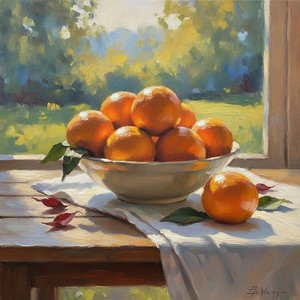
Sun-Drenched Citrus: The Vibrant Beauty of Oranges in Impressionist Masterpieces
Embark on a sensory journey through Impressionist masterpieces. Discover how Renoir and Cézanne captured the vibrant light and luscious textures of sun-drenched oranges in exquisite still life paintings designed to inspire and transform your home.

Drama and Light: Discover the Captivating Grandeur of Baroque Art
Immerse yourself in the dramatic splendor of Baroque art. Explore the profound impact of light, shadow, and the Counter-Reformation through an expert historical lens, celebrating the masters who defined an era of unparalleled grandeur and emotional intensity.
Εξερευνήστε έργα τέχνης ταξινομημένα ανά θέμα, στυλ και χαρακτηριστικά.


