


 Προεπισκόπηση
 Αποστολή
 Κοινοποίηση
 Λεπτομέρειες
 Οδηγός

 Λήψη
Λήψη
 Παρόμοια αντικείμενα συλλογής
 Ακτινογραφία
 Παρουσίαση
 Στατιστικά
L'Espada


Explore Manet’s ‘L’Espada,’ a striking monochromatic etching of a swordsman. Discover its detailed realism, dramatic lighting & 18th-century style – a captivating piece of art history.
 Περισσότερα λεπτομέρεια
Ανακαλύψτε τον Εντουάρ Μανέ (1832-1883), πρωτοπόρο της μοντέρνας τέχνης! Γνωρίστε τα εμβληματικά έργα του, όπως 'Ολυμπία' και 'Το γεύμα στην Χλόη', και την επίδρασή του.
Χειροποίητη Αναπαραγωγή σε Έλαιο
Χειροποίητη ελαιογραφία σε καμβά στο δικό σας μέγεθος και πλαίσιο, κατά παραγγελία από τους καλλιτέχνες μας. ( Μετάβαση σε Εκτυπώσεις Μετάβαση σε Ψηφιακή Εικόνα)




P118B €10

P118H €10

P118W €10

P438Z €10

P508JH €12

P508YH €12

P805H €10

P805Z €10

P919BZ €10

P919G €10

P919XJ €10

P959ZH €10

P968JZ €12

W106C €8

W218G €10

W218JH €8

W218Y €10

W307PJ €10

W316G €10

W316PJ €8

W316Y €10

W398PJ €8

W4111J €10

W500HY €15

W500JH €15

W692G €12

W849H €8

W940BG €15

W953PJ €8




Πρότυπο
κατόπιν παραγγελίας
CM
INCH
Επιλέξτε από τις προκαθορισμένες διαστάσεις μας που διατηρούν τις αρχικές αναλογίες του έργου τέχνης.
Loading sizes...

πλάτος
ύψος
Πληκτρολογήστε το πλάτος και το ύψος που επιθυμείτε, ώστε να ταιριάζουν στο κάδሮ ή στον τοίχο σας. Ε เนื่องจาก πρόκειται για χειροποίητη ζωγραφική, σε περίπτωση διαστάσεων με διαφορετικό σχήμα, ο καλλιτέχνης μπορεί να ζωγραφίσει λίγο παραπάνω γύρω από το έργο ή να αφαιρέσει ένα μέρος — η επιλογή είναι δική σας. Σας στέλνουμε ένα ψηφιακό mockup για έγκριση πριν ξεκινήσει η δημιουργία του έργου. Η εικόνα που εμφανίζεται σε αυτή τη σελίδα δεν δείχνει το τελικό αποτέλεσμα — μόνο το mockup το αναδεικνύει.
Παραδείγματα αλλαγών: Αντικατάσταση προσώπου με φωτογραφία του πελάτη· Προσθήκη κατοικίδιου (π.χ., αντικατάσταση γάτας με σκύλο)· Ενσωμάτωση κρυφού μηνύματος στο φόντο· Αλλαγή τοπίου ή στοιχείων του φόντου.
Μετά την παραγγελία, η ομάδα του TopImpressionists.com θα στείλει email στον πελάτη με οδηγίες και θα παρέχει μια προεπισκόπηση προσχεδίου
Μετά την παραγγελία, η ομάδα του TopImpressionists.com θα στείλει email στον πελάτη με οδηγίες και θα παρέχει μια προεπισκόπηση προσχεδίου
Παγκόσμια Αποστολή () σε 3-4 εβδομάδες αντί για τις συνήθεις 5 εβδομάδες. (21 Οκτώβριος). Χωρίς συμβιβασμούς στην ποιότητα.

Δωρεάν γρήγορη διεθνής αποστολή

Κάμβας από Λινό Υψηλής Ποιότητας

Πλήρης ασφάλιση μεταφοράς

Εγγύηση επιστροφής δασμών και φόρων εισαγωγής

Εγγύηση Απόλυτης Ομοιότητας Χρωμάτων

Πολιτική Επιστροφής 100 Ημερών (Μόνο σε περίπτωση ελαττωμάτων)

Εγγύηση επιστροφής 100% των χρημάτων

Έκπτωση για πολλαπλές παραγγελίες
 Η επιλογή με γυαλί είναι διαθέσιμη μόνο για μεγέθη κάτω από 110 εκ.

L'Espada
Τεχνική Αναπαραγωγής
Διαστάσεις Αναπαραγωγής
-


Συνολικό Κόστος
€ 278
The Enigmatic Figure of L’Espada
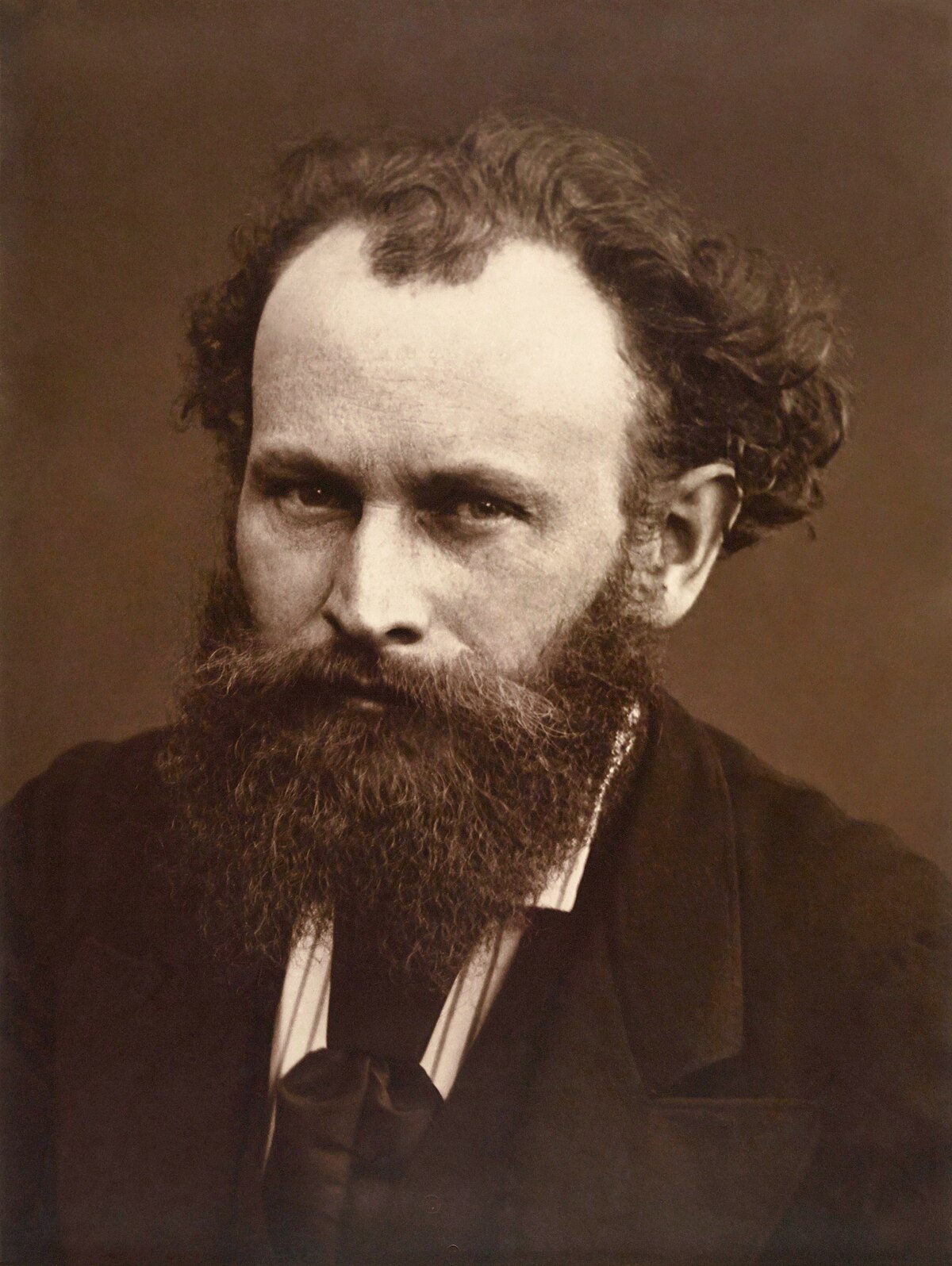
Édouard Manet’s L’Espada, a monochromatic etching completed around 1862, isn't merely a portrait; it’s a carefully constructed tableau vivant—a snapshot of Victorian masculinity imbued with an undercurrent of melancholy and subtle defiance. The subject, identified as Victorine Meurent, a model known for her striking beauty and independent spirit, is depicted in a pose that simultaneously evokes the grandeur of a Spanish bullfighter and the vulnerability of a solitary figure. Manet masterfully captures a moment suspended between action and contemplation, inviting the viewer to decipher the narrative hidden within this seemingly simple scene.
A Fusion of Styles and Influences
The etching’s power lies in its deliberate blending of influences. Manet, a restless innovator, drew inspiration from a diverse range of sources—from the dramatic compositions of Francisco Goya's *Tauromaquia* series to the theatrical poses of Renaissance prints depicting figures like Temperance and Justice. He skillfully adapted elements from these disparate traditions, creating a work that feels both historically rooted and strikingly modern. The backdrop, a meticulously rendered scene of a bullring, echoes Goya’s powerful imagery while Victorine's stance subtly references the allegorical figure of Temperance, suggesting restraint and control. The inclusion of other figures in the background—a group of spectators observing the action—adds to the sense of drama and immediacy.
- Goya’s *Tauromaquia*: Provides the setting and overall atmosphere of a bullfight.
- Renaissance Prints: Influenced Victorine's pose, evoking themes of virtue and control.
- Contemporary Parisian Life: Manet captures a specific moment within the bustling urban landscape of 19th-century Paris.
Technique and Emotional Resonance
Manet’s masterful use of etching technique is central to the work's impact. The stark contrasts between light and shadow, achieved through varying pressures on the metal plate, create a dramatic sense of depth and volume. The sharply defined lines delineate the subject’s form, while subtle tonal variations suggest texture—the folds of his cloak, the sheen of his sword, and the rough surface of the bullring wall. The monochromatic palette amplifies the emotional intensity of the scene, lending it a somber and introspective quality. Victorine's direct gaze at the viewer is particularly arresting, inviting us to share in her quiet contemplation.
Symbolism and Victorian Masculinity
Beyond its formal elements, L’Espada offers a poignant commentary on Victorian masculinity. The figure of the “espada,” or bullfighter, traditionally represented strength, courage, and virility, is here presented with an unexpected vulnerability. Victorine's unconventional attire—a pink cape that deviates from the traditional red—and her detached expression suggest a rejection of conventional expectations. The etching subtly critiques the rigid social codes of the era, hinting at the suppressed emotions and desires beneath the surface of Victorian propriety. It’s a portrait not just of a man, but of a complex and layered individual grappling with his own identity within a restrictive society.
Ερωτήσεις & Απαντήσεις
Υπάρχει οδηγός για το "L'Espada" του Εδουάρδος Μανέ;
Η σελίδα Οδηγός για το έργο "L'Espada" του Εδουάρδος Μανέ προσφέρει ένα εκτυπώσιμο ενημερωτικό φυλλάδιο δύο σελίδων: το έργο τέχνης με τον πίνακα ταυτότητάς του, μια χρονική ζώντα δεκαετίας που το τοποθετεί μέσα στη διάρκεια της ζωής του καλλιτέχνη, άλλα έργα του ίδιου δημιουργού, τη μετρημένη παλέτα χρωμάτων και αναφορές έτοιμες για αντιγραφή σε τέσσερα στυλ.
Σε ποιο δωμάτιο προτείνεται να τοποθετηθεί το "L'Espada", λαμβάνοντας υπόψη την παλέτα των χρωμάτων του;
Λαμβάνοντας υπόψη τα χρώματα της παλέτας του, "L'Espada", προτείνεται για ένα Living Room, με βάση το Neutrals.
Σε ποιο καλλιτεχνικό movement και σε ποια εποχή τοποθετείται το "L'Espada" του Εδουάρδος Μανέ;
Στο έργο "L'Espada" του Εδουάρδος Μανέ, το κίνημα του Realism συναντά την εποχή του 19ος αιώνας.
Παρόμοια Έργα Τέχνης


Βιογραφικό Καλλιτέχνη
Ένας Παρισινός Επαναστάτης: Η Ζωή και η Τέχνη του Εντουάρ Μανέ
Ο Εντουάρ Μανέ, γεννημένος το 1832 σε μια εύπορη αστική οικογένεια στο Παρίσι, δεν προοριζόταν για τη ζωή ενός επαναστατικού καλλιτέχνη. Ο πατέρας του, ένας αξιοσέβαστος δικαστής, οραματιζόταν ένα ασφαλές μέλλον για τον γιο του ως δικηγόρο ή ίσως ναυτικός – αξιοπρεπή επαγγέλματα που αρμόζουν στην κοινωνική τους θέση. Ωστόσο, ακόμη και όταν ήταν μικρό παιδί, η καρδιά του Μανέ άνηκε στην τέχνη. Στα έντεκα του χρόνια άρχισε επίσημα μαθήματα σχεδίασης και, αν και για λίγο μαθητεύτησε στον ακαδημαϊκό ζωγράφο Τομά Κουτούρ, γρήγορα βρήκε τις αυστηρές μεθόδους του καταπιεστικές. Αυτή η πρώιμη αντίσταση προμήνυε μια ζωή αφιερωμένη στην πρόκληση των καλλιτεχνικών συμβάσεων. Ο Μανέ δεν ενδιαφερόταν απλώς να αναπαράγει το παρελθόν· επιδίωκε να αποτυπώσει τη ζωντάνια – και μερικές φορές τις ανησυχητικές πραγματικότητες – της σύγχρονης παρισινής ζωής. Επισκέφθηκε συχνά το Λούβρο, όχι απλώς για να αντιγράψει τους Παλιούς Δασκάλους, αλλά για να αναλύσει τις τεχνικές τους, μαθαίνοντας από καλλιτέχνες όπως ο Καραβάτζιο και ο Βελάσκεθ πώς το φως και η σκιά μπορούσαν να σμιλεύσουν τη μορφή και να προκαλέσουν συναισθήματα. Ωστόσο, ήταν μια αλλαγή στις καλλιτεχνικές τάσεις, ιδιαίτερα η άνοδος του Ρεαλισμού που υποστηρίχθηκε από τον Γκυστάβ Κουρμπέ, που πραγματικά πυροδότησε την δημιουργική πορεία του Μανέ. Η επιμονή του Κουρμπέ να απεικονίζει την καθημερινή ζωή χωρίς εξιδανίκευση βρήκε βαθύ συντονισμό στον Μανέ, ελευθερώνοντάς τον από τους περιορισμούς ιστορικών ή μυθολογικών θεμάτων.Ρήξη με την Παράδοση: Σκάνδαλο και Καινοτομία
Η δεκαετία του 1860 σηματοδότησε μια περίοδο έντονου καλλιτεχνικού αναβρασμού στο Παρίσι, και ο Μανέ βρέθηκε στο επίκεντρό της. Η άφιξη των ιαπωνικών εκτυπώσεων – *ukiyo-e* – είχε βαθύ αντίκτυπο στην αισθητική του ευαισθησία. Γοητεύτηκε από τις επίπεδες προοπτικές τους, τις τολμηρές συνθέσεις τους και την εντυπωσιακή χρήση του χρώματος, στοιχεία που θα γίνονταν σήματα κατατεθέντα του δικού του ύφους. Αυτή η επιρροή, σε συνδυασμό με την αυξανόμενη απόρριψή του για την ακαδημαϊκή γυαλάδα, οδήγησε σε έργα που σοκάρισαν και προκάλεσαν σκάνδαλο στον παρισινό καλλιτεχνικό κόσμο. Το Le Déjeuner sur l'herbe (Το Γεύμα στην Χλόη), εκτεθειμένο στο Salon des Refusés το 1863 – μια έκθεση για έργα που απορρίφθηκαν από το επίσημο Σαλόνι – έγινε αστραπή για αντιπαράθεση. Ο πίνακας, που απεικονίζει ένα γυμνό γυναικείο σώμα να κάνει πικνίκ απρόσεχτα με δύο πλήρως ντυμένους άνδρες, δεν αφορούσε απλώς τη γυμνότητα· αφορούσε *πώς* παρουσιαζόταν αυτή η γυμνότητα. Οι μορφές του Μανέ έλειπαν από τα εξιδανικευμένα σχήματα και το μυθολογικό πλαίσιο των παραδοσιακών γυναικείων μορφών. Ήταν αναμφισβήτητα σύγχρονες, αντιμετωπίζοντας τον θεατή με μια ανησυχητική ειλικρίνεια. Το σκάνδαλο γύρω από το Le Déjeuner εντάθηκε μόνο με το αριστούργημά του του 1865, την Olympia. Αυτός ο πίνακας, μια σκόπιμη ανακατασκευή της *Αφροδίτης του Ουρμπίνο* του Τιτσιάνο, παρουσίαζε μια σύγχρονη πόρνα να κοιτάζει τολμηρά τον θεατή. Ο αδιάλλακτος ρεαλισμός και το προκλητικό θέμα αντιμετωπίστηκαν με ευρεία καταδίκη. Οι κριτικοί κατηγόρησαν τον Μανέ για χυδαιότητα και καλλιτεχνική αναξιότητα, αλλά κάτω από την οργή βρισκόταν η αναγνώριση ότι άλλαζε θεμελιωδώς τη γλώσσα της ζωγραφικής.Μια Γέφυρα προς τον Ιμπρεσιονισμό: Φως, Πινελιά και Σύγχρονη Ζωή
Ενώ ο Μανέ δεν αγκάλιασε ποτέ πλήρως την ετικέτα «Ιμπρεσιονιστής», η επιρροή του στο κίνημα ήταν αναμφισβήτητη. Μοιράστηκε την απόρριψή τους για τις ακαδημαϊκές συμβάσεις και τη δέσμευσή τους να αποτυπώσουν τα φευγαλέα αποτελέσματα του φωτός και της ατμόσφαιρας. Έκθεσε μαζί με τον Μονέ, τον Ρενουάρ, τον Ντεγκά και άλλους στις ανεξάρτητες εκθέσεις των Ιμπρεσιονιστών, εδραιώνοντας τη θέση του ως βασικό σχήμα στην πρωτοπορία. Η τεχνική του Μανέ εξελίχθηκε προς μια πιο χαλαρή πινελιά, δίνοντας προτεραιότητα στην εντύπωση της μορφής έναντι της ακριβούς λεπτομέρειας. Πειραματίστηκε με το χρώμα, χρησιμοποιώντας συχνά έντονες αντιθέσεις για να δημιουργήσει δραματικά εφέ. Εκτός από τα σκandalώδη γυμνά, ο Μανέ εξερεύνησε ένα ευρύ φάσμα θεμάτων: πορτρέτα – συμπεριλαμβανομένων εντυπωσιακών απεικονίσεων της συζύγου του Σουζάν και του συναδέλφου καλλιτέχνη Εμίλ Ζολά· σκηνές νυχτερινής ζωής στο Παρίσι, όπως το *A Bar at the Folies-Bergère*, που αποτυπώνει δεξιοτεχνικά την απομόνωση και τη θεαματικότητα της σύγχρονης αστικής ζωής· και οικείες οικιακές σκηνές. Δεν απλώς τεκμηρίωνε αυτά τα θέματα· τα διερευνούσε, αμφισβητώντας τις κοινωνικές νόρμες και προκαλώντας συμβατικές αντιλήψεις για την ομορφιά.Κληρονομιά και Διαρκής Επίδραση
Ο πρόωρος θάνατος του Εντουάρ Μανέ το 1883 από σύφιλη έκοψε μια καριέρα που είχε ήδη αλλάξει ανεπανόρθωτα την πορεία της ιστορίας της τέχνης. Αν και η φήμη του αυξήθηκε σημαντικά μετά τον θάνατό του, ο αντίκτυπός του έγινε αμέσως αισθητός από νεότερους καλλιτέχνες που τον αναγνώρισαν ως απελευθερωτή. Έριξε εμπόδια, προκαλώντας παραδοσιακές αντιλήψεις για το θέμα, την τεχνική και τον καλλιτεχνικό σκοπό. Η έμφασή του στην αποτύπωση της σύγχρονης ζωής άνοιξε τον δρόμο για τον Ιμπ
Εδουάρδος Μανέ
1832 - 1883 , Γαλλία
Στοιχεία καλλιτέχνη
- Εθνικότητα: Γάλλος
- Ημερομηνία Γέννησης: 23 Ιανουαρίου 1832
- Ημερομηνία Θανάτου: 30 Απριλίου 1883
- Καλλιτέχνες Που Τον Επηρέασαν:
- Caravaggio
- Diego Velázquez
- Gustave Courbet
- Καλλιτέχνες/Ρεύματα Που Επηρέασε:
- Claude Monet
- Pierre-Auguste Renoir
- Impressionism
- Καλλιτεχνικό Ρεύμα/Στυλ: Ρεαλισμός, Ιμπρεσιονισμός
- Πλήρες Όνομα: Édouard Manet
- Σημαντικά Έργα Τέχνης:
- Le Déjeuner sur l'herbe
- Olympia
- A Bar at the Folies-Bergère
- Τόπος Γέννησης: Παρίσι, Γαλλία
Σχετικά άρθρα

The Intricate World of Etching: A Historical Survey of Technique, Aesthetic Evolution, and Enduring Artistic Impact
Explore the rich history of etching, from its origins to modern practice. Discover techniques, key artists like Rembrandt, and insights for collectors. A comprehensive guide by TopImpressionists.

Édouard Manet: Τα 25 Κορυφαία Έργα Τέχνης | TopImpressionists.gr
Ανακαλύψτε τα 25 κορυφαία έργα τέχνης του Édouard Manet! Εξερευνήστε την ιστορία, το στυλ και τις τεχνικές των πιο εμβληματικών ιμπρεσιονιστικών πινάκων. Βρείτε αναπαραγωγές υψηλής ποιότητας για να εμπνεύσετε τον χώρο σας στο TopImpressionists.com.

Édouard Manet: Pioneering Modernism & Challenging Artistic Conventions
Explore the life & art of Édouard Manet, a pivotal figure bridging Realism and Impressionism. Discover his revolutionary techniques, controversial masterpieces like 'Olympia,' and lasting impact on modern art history.

Οι 10 Κορυφαίοι Δάσκαλοι της Χαρακτικής που Άλλαξαν την Τέχνη για Πάντα | TopImpressionists
Ανακαλύψτε τα 10 αριστουργήματα της χαρακτικής που καθόρισαν την τέχνη! Rembrandt, Goya & Dürer: ιστορίες τεχνικής και έμπνευσης. Βρείτε αναπαραγωγές υψηλής ποιότητας για τον χώρο σας στο TopImpressionists.com

Etching: A Historical Survey of Technique, Aesthetic Qualities & Enduring Artistic Significance
Explore the rich history of etching, from its origins to Rembrandt's masterful innovations. Discover the technique, aesthetic qualities & enduring legacy of this captivating art form. Expert insights for collectors and enthusiasts.
Εξερευνήστε έργα τέχνης ταξινομημένα ανά θέμα, στυλ και χαρακτηριστικά.


