


 Προεπισκόπηση
 Αποστολή
 Κοινοποίηση
 Λεπτομέρειες
 Οδηγός

 Λήψη
Λήψη
 Παρόμοια αντικείμενα συλλογής
 Ακτινογραφία
 Παρουσίαση
 Στατιστικά
The Modena Triptych (front panels)
 Acrylic On Canvas
- WallArt
- Expressionistic Mannerism
 1568
1568 37.0 x 23.0 cm
 Galleria Estense
Discover El Greco's 'The Modena Triptych' (front panels) – a masterpiece of dramatic storytelling and vibrant color from 1568, now available as a stunning hand-painted reproduction.
 Περισσότερα λεπτομέρεια
Εντυπωσιακή αναπαράσταση του Αγίου Ιωάννη του Ευαγγελιστή από τον Έλ Greco στο Μουσείο Πρενδές με ιδιαίτερη έμφαση στην μανερίστικη τεχνική και την πνευματική ατμόσφαιρα της εποχής. Ανακαλύψτε την τέχνη του Μεγάλου Έλληνα!
Giclée / Εκτυπώσεις Τέχνης
Εκτύπωση giclée ή σε καμβά ποιότητας μουσείου με γρήγορη παραγωγή και ευέλικτες επιλογές φινιρίσματος. ( Αγορά χειροποίητου πίνακα Μετάβαση σε Ψηφιακή Εικόνα)




P118B €10

P118H €10

P118W €10

P438Z €10

P508JH €12

P508YH €12

P805H €10

P805Z €10

P919BZ €10

P919G €10

P919XJ €10

P959ZH €10

P968JZ €12

W106C €8

W218G €10

W218JH €8

W218Y €10

W307PJ €10

W316G €10

W316PJ €8

W316Y €10

W398PJ €8

W4111J €10

W500HY €15

W500JH €15

W692G €12

W849H €8

W940BG €15

W953PJ €8




Πρότυπο
κατόπιν παραγγελίας
CM
INCH
Επιλέξτε από τις προκαθορισμένες διαστάσεις μας που διατηρούν τις αρχικές αναλογίες του έργου τέχνης.
Loading sizes...

πλάτος
ύψος
Πληκτρολογήστε το πλάτος και το ύψος που επιθυμείτε, ώστε να ταιριάζουν στο κάδሮ ή στον τοίχο σας. Μια εκτύπωση μπορεί μόνο να κοπεί και ποτέ να μην γίνει μεγαλύτερη από την εικόνα, επομένως ένα μέγεθος με διαφορετικό σχήμα συνεπάγεται απώλεια ενός μέρους της εικόνας. Σας στέλνουμε ένα ψηφιακό mockup για έγκριση πριν εκτυπώσουμε οτιδήποτε. Η εικόνα που εμφανίζεται σε αυτή τη σελίδα δεν δείχνει την πραγματική κοπή — μόνο το mockup την παρουσιάζει.
Παγκόσμια Αποστολή () σε 2 εβδομάδες αντί για τις συνήθεις 4/5 εβδομάδες. (25 Οκτώβριος)

Δωρεάν γρήγορη διεθνής αποστολή

Κάμβας από Λινό Υψηλής Ποιότητας

Πλήρης ασφάλιση μεταφοράς

Εγγύηση επιστροφής δασμών και φόρων εισαγωγής

Εγγύηση Απόλυτης Ομοιότητας Χρωμάτων

Πολιτική Επιστροφής 100 Ημερών (Μόνο σε περίπτωση ελαττωμάτων)

Εγγύηση επιστροφής 100% των χρημάτων

Έκπτωση για πολλαπλές παραγγελίες
 Η επιλογή με γυαλί είναι διαθέσιμη μόνο για μεγέθη κάτω από 110 εκ.

The Modena Triptych (front panels)
Giclée / Εκτυπώσεις Τέχνης
Διαστάσεις Αναπαραγωγής
-


Συνολικό Κόστος
€ 61
The Modena Triptych: A Glimpse into El Greco’s Soul
The Modena Triptych, created in 1568 by the visionary artist Doménikos Theotokopoulos – better known as El Greco – stands as a pivotal work in his artistic journey. More than just a religious depiction, it's a profound exploration of faith, humanity, and the burgeoning Expressionist currents that would later define European art. Housed within the Galleria Estense in Modena, Italy, this tempera painting offers a rare window into El Greco’s unique synthesis of Byzantine tradition, Venetian influence, and his own intensely personal vision. The triptych's three panels – each meticulously rendered with vibrant colors and dramatic lighting – tell layered stories, inviting contemplation on themes of salvation, earthly struggles, and the divine presence within the human experience.
El Greco’s early training in Crete instilled a deep reverence for Byzantine iconography, evident in the meticulous detail and stylized figures. However, his time in Venice exposed him to the dynamism of the Venetian Renaissance, particularly the works of Titian and Tintoretto, which he skillfully integrated into his own style. This fusion is strikingly apparent in the Modena Triptych: the formal rigor of Byzantine painting coexists with a heightened sense of drama, elongated forms, and an emotional intensity that foreshadows the expressive power of later movements. The use of tempera paint – known for its luminous quality and slow drying time – allowed El Greco to build up layers of color and create subtle gradations of light and shadow, contributing significantly to the painting’s ethereal atmosphere.
Panel Breakdown: Narratives of Faith and Humanity
The triptych unfolds as a series of interconnected narratives. The central panel depicts the Adoration of the Shepherds, a scene brimming with symbolic weight. A Christian knight, resplendent in armor, is crowned by Christ – an image laden with meaning representing divine grace and earthly triumph. Below, the shepherds kneel in adoration, their faces etched with reverence. To either side are scenes from the Baptism of Jesus and the Adoration of the Magi, further reinforcing the central theme of salvation through faith. The back panels offer a contrasting perspective, showcasing biblical events such as the Annunciation to Mary, the revelation at Mount Sinai, and the creation of Adam and Eve. These scenes, rendered with a similar level of detail and emotional intensity, underscore the enduring struggle between good and evil, obedience and rebellion, within the human story.
Notably, El Greco’s compositional choices are deliberate and impactful. The figures are elongated and often appear to be caught in moments of intense emotion – a characteristic that would become synonymous with his style. He employs dramatic diagonals and swirling drapery to create a sense of movement and dynamism, drawing the viewer's eye through the complex arrangement of figures and objects. The use of color is equally striking; vibrant reds, blues, and golds dominate the palette, creating a visually arresting effect that amplifies the emotional impact of each scene.
Symbolism and El Greco’s Vision
Beyond their literal depictions, the scenes in the Modena Triptych are rich in symbolism. The presence of Saint Catherine, with her wheel – a potent symbol of martyrdom and devotion – is particularly significant. Her inclusion suggests a connection to El Greco's Cretan roots and his deep faith. The recurring motif of light, often associated with divine illumination, permeates the entire triptych, guiding the viewer’s eye and reinforcing the central theme of spiritual enlightenment. El Greco wasn’t simply illustrating biblical stories; he was attempting to convey a profound emotional experience – a glimpse into the soul of humanity and its relationship with the divine.
The Modena Triptych represents a crucial stage in El Greco's artistic development, bridging the gap between his Byzantine training and his later, more individualistic style. It’s a testament to his ability to synthesize diverse influences – religious iconography, Venetian painting, and his own deeply personal vision – into a uniquely powerful and emotionally resonant work of art. Today, reproductions of this masterpiece offer an accessible way to appreciate the genius of El Greco and experience the enduring power of his artistic legacy.
Ερωτήσεις & Απαντήσεις
Ποια τεχνική χρησιμοποιήθηκε για το "The Modena Triptych (front panels)" και πότε δημιουργήθηκε;
Το έργο "The Modena Triptych (front panels)" δημιουργήθηκε το 1568, με την τεχνική Acrylic On Canvas.
Από πού προέρχονται οι επισκέπτες του "The Modena Triptych (front panels)" του Ελ Γκρέκο;
Η σελίδα Στατιστικά του έργου "The Modena Triptych (front panels)" του Ελ Γκρέκο παρουσιάζει στατιστικά στοιχεία επισκέψεων: μηνιαίες επισκέψεις αυτού του έργου, μια σύγκριση με τα πιο δημοφιλή έργα του καλλιτέχνη και την προέλευση των επισκεπτών του.
Ποια είναι η συνολική ατμόσφαιρα του "The Modena Triptych (front panels)" του Ελ Γκρέκο;
Το έργο "The Modena Triptych (front panels)" διαθέτει μια Dramatic ατμόσφαιρα.
Βιογραφικό Καλλιτέχνη
Doménikos Θεοτοκόπουλος, ο Έλληνας
Ο Δομήνικος Θεοτοκόπουλος, γνωστός στο κοινό ως Ελ Γκρέκο – “ο Έλληνας” – ήταν ένας ζωγράφος που η ζωή και το έργο του αντιμετωπίζουν τις πιο δύσκολες προκλήσεις στην κατηγοριοποίηση της τέχνης. Γεννήθηκε το 1541 στην Κρήτη, τότε υπό βενετσιάνικη κυριαρχία, και το καλλιτεχνικό του ταξίδι τον οδήγησε στη Βενετία και τη Ρώμη πριν εντοπίσει την τελική του έκφραση στο πνευματικό κέντρο της Ισπανίας: την Τολεδό. Ο Ελ Γκρέκο δεν ήταν απλά προϊόν αυτών των τόπων· συνθέτει τις επιρροές τους σε κάτι εντελώς μοναδικό, ένα στυλ που προβλέπει την ένταση του συναίσθησης και τον διακεκομισμένο χαρακτήρα των μορφών του κυβισμού αιώνες αργότερα. Η πρώιμη εκπαίδευσή του στην βυζαντινή παράδοση εμφυσμάτισε σε αυτόν μια ακριβή προσοχή στις λεπτομέρειες και μια βαθιά κατανόηση της θεολογικής αναπαράστασης. Αυτή όμως η βάση δεν τον περιορίζει· υιοθετεί νέες καλλιτεχνικές περιοχές χωρίς να περιοριστεί στην τεχνική αλλά και στην έντονη θρησκευτική ατμόσφαιρα της πατρικής του γης και την πλούσια ιστορία της βενετσιάνικης τέχνης.Η Μετανήστευση στη Βενετία και η Επίδραση των Μαστιγών
Η μετακόμιση στη Βενετία περίπου το 1567 σηματοδότησε μια κρίσιμη στιγμή στην καλλιτεχνική του πορεία. Περιβαλλόμενος από τον ζωντανό καλλιτεχνικό χώρο της πόλης, ο Ελ Γκρέκο σπούδασε τους μεγάλους ζωγράφους της εποχής – τον Τιτάνιο, τον Τιντέρεττο και τον Βερονέζε – απορροφώντας την τεχνογνωσία τους στην χρήση του χρώματος, της σύνθεσης και του δραματικού φωτός. Μάθαμε να χαλαρώνουμε το πηγαίο του χρώμα, να αγκαλιάσουμε τη σεξουαλικότητα του λαδιού και να απεικονίζουμε τις μορφές με μια νέα δυναμική. Η βενετσιάνικη επιρροή είναι εμφανής στις πρώιμες του δημιουργίες όπως το *Άγιο Σεβαστιανό* (1600), όπου η ανατομία συγχωνεύεται ομαλά με την θεατρικότητα της φωτεινότητας και της σκιάς. Μια μεταγενέστερη παραμονή στη Ρώμη αποκάλυψε τον μανερισμό, ένα στυλ που χαρακτηρίζεται από μακριά μορφή και παραμορφωμένες προοπτικές και σύνθετες αναπαραστάσεις. Ενώ έδειξε σημαντική ταλέντο, ο Ελ Γκρέκο δυσκολευόταν να αποκτήσει ευρεία αναγνώριση στον ανταγωνιστικό καλλιτεχνικό χώρο της Ρώμης. Η μετακόμιση του στην Τολεδό το 1577 ήταν που τελικά επέτρεψε στην μοναδική του οπτική πορεία να ανθίσει. Η πόλη, τότε κέντρο θρησκευτικού ζήλωματος κατά τη διάρκεια της αντιμεταξιακής εποχής προσέφερε τόσο χρηματοδότηση όσο και ατμόσφαιρα κατάλληλη για την έκφραση του βαθύ πυρήνα του πνεύματός του.Ένα Στυλ Αντίπαλο σε Οποιοδήποτε Άλλο
Το καλλιτεχνικό στυλ του Ελ Γκρέκο είναι αμέσως αναγνωρίσιμο – και εντελώς συναρπαστικό. Οι μορφές του συχνά παραμορφώνονται δραματικά, τα σώματά τους τεντωμένα σε στάσεις που εκφράζουν μια έντονη αίσθηση πνευματικής ευδαιμονίας ή βαθιάς οδύνης. Αυτό δεν είναι απλά ένα καλλιτεχνικό στοιχείο· αποτελεί προσπάθεια απεικόνισης των μη ορατών πραγμάτων, των συναισθημάτων και της πνευματικότητας που βρίσκονται πέρα από την επιφάνεια των πραγμάτων. Επικεντρώνεται στην τέχνη να αποδώσει την ουσία του Θεού και της ανθρώπινης ψυχής χωρίς περιορισμούς και να γιορτάσει την ανθρώπινη δυνατότητα υπερνόησης. Μάθαμε να χρησιμοποιούμε το χρώμα με τρόπο ιδιαίτερα έντονο και δραματικό για να ενισχύσουμε τον καλλιτεχνικό χαρακτήρα της δημιουργίας του χωρίς περιορισμούς και να αποδώσουμε την ουσία του Θεού και της ανθρώπινης ψυχής χωρίς περιορισμούς. Επικεντρώνεται στην τέχνη να αποδώσει την ουσία του Θεού και της ανθρώπινης ψυχής χωρίς περιορισμούς και να γιορτάσει την ανθρώπινη δυνατότητα υπερνόησης. Μάθαμε να χρησιμοποιούμε το χρώμα με τρόπο ιδιαίτερα έντονο και δραματικό για να ενισχύσουμε τον καλλιτεχνικό χαρακτήρα της δημιουργίας του χωρίς περιορισμούς και να αποδώσουμε την ουσία του Θεού και της ανθρώπινης ψυχής χωρίς περιορισμούς. Επικεντρώνεται στην τέχνη να αποδώσει την ουσία του Θεού και της ανθρώπινης ψυχής χωρίς περιορισμούς και να γιορτάσει την ανθρώπινη δυνατότητα υπερνόησης. Μάθαμε να χρησιμοποιούμε το χρώμα με τρόπο ιδιαίτερα έντονο και δραματικό για να ενισχύσουμε τον καλλιτεχνικό χαρακτήρα της δημιουργίας του χωρίς περιορισμούς και να αποδώσουμε την ουσία του Θεού και της ανθρώπινης ψυχής χωρίς περιορισμούς. Επικεντρώνεται στην τέχνη να αποδώσει την ουσία του Θεού και της ανθρώπινης ψυχής χωρίς περιορισμούς και να γιορτάσει την ανθρώπινη δυνατότητα υπερνόησης. Μάθαμε να χρησιμοποιούμε το χρώμα με τρόπο ιδιαίτερα έντονο και δραματικό για να ενισχύσουμε τον καλλιτεχνικό χαρακτήρα της δημιουργίας του χωρίς περιορισμούς και να αποδώσουμε την ουσία του Θεού και της ανθρώπινης ψυχής χωρίς περιορισμούς. Επικεντρώνεται στην τέχνη να αποδώσει την ουσία του Θεού και της ανθρώπινης ψυχής χωρίς περιορισμούς και να γιορτάσει την ανθρώπινη δυνατότητα υπερνόησης. Μάθαμε να χρησιμοποιούμε το χρώμα με τρόπο ιδιαίτερα έντονο και δραματικό για να ενισχύσουμε τον καλλιτεχνικό χαρακτήρα της δημιουργίας του χωρίς περιορισμούς και να αποδώσουμε την ουσία του Θεού και της ανθρώπινης ψυχής χωρίς περιορισμούς. Επικεντρώνεται στην τέχνη να αποδώσει την ουσία του Θεού και της ανθρώπινης ψυχής χωρίς περιορισμούς και να γιορτάσει την ανθρώπινη δυνατότητα υπερνόησης. Μάθαμε να χρησιμοποιούμε το χρώμα με τρόπο ιδιαίτερα έντονο και δραματικό για να ενισχύσουμε τον καλλιτεχνικό χαρακτήρα της δημιουργίας του χωρίς περιορισμούς και να αποδώσουμε την ουσία του Θεού και της ανθρώπινης ψυχής χωρίς περιορισμούς. Επικεντρώνεται στην τέχνη να αποδώσει την ουσία του Θεού και της ανθρώπινης ψυχής χωρίς περιορισμούς και να γιορτάσει την ανθρώπινη δυνατότητα υπερνόησης. Μάθαμε να χρησιμοποιούμε το χρώμα με τρόπο ιδιαίτερα έντονο και δραματικό για να ενισχύσουμε τον καλλιτεχνικό χαρακτήρα της δημιουργίας του χωρίς περιορισμούς και να αποδώσουμε την ουσία του Θεού και της ανθρώπινης ψυχής χωρίς περιορισμούς. Επικεντρώνεται στην τέχνη να αποδώσει την ουσία του Θεού και της ανθρώπινης ψυχής χωρίς περιορισμούς και να γιορ
Ελ Γκρέκο
1541 - 1614 , Ελλάδα
Στοιχεία καλλιτέχνη
- Artistic Movement Or Style: Μανερισμός Βαρόκκο
- Artists Or Movements Influenced By This Artist: ['Εκφραστισμός Κουβισμός']
- Artists Who Influenced This Artist:
- Τιτσιάνο
- Τιντερέττο
- Date Of Birth: 1541 Κρήτη Ελλάδα
- Date Of Death: 1614 Τόλεδο Ισπανία
- Full Name: Δομήνικος Θεοτοκόπουλος
- Nationality: Ελληνική Ισπανική
- Notable Artworks:
- Η Στέψη της Παναγίας
- Η Ενθύμηση του Αγίου Ιωάννη του Ευαγγελιστή
- Η Αναστάσι του Κυρίου
- Place Of Birth: Κρήτη Ελλάδα
Σχετικά άρθρα

Οι 25 Κορυφαίοι Πίνακες του Museo del Prado: Έμπνευση για το Σπίτι σας
Ανακαλύψτε τους 25 κορυφαίους πίνακες του Museo del Prado! Velázquez, Goya, El Greco και άλλοι μεγάλοι ζωγράφοι ζωντανεύουν. Έμπνευση για διακόσμηση σπιτιού & υψηλής ποιότητας αναπαραγωγές τέχνης. Εξερευνήστε την πλήρη συλλογή στο TopImpressionists.com

Mannerism Explained: The Dramatic Evolution of Renaissance Art and the Rise of El Greco
Explore the dramatic evolution of Mannerism from High Renaissance perfection to El Greco's spiritual intensity. Discover the history, techniques, and enduring legacy of this transformative era through an expert art-history lens.

El Greco: Spirituality, Style & Innovation – A Renaissance Master's Legacy
Explore the captivating world of El Greco! Discover his unique style, spiritual intensity, and lasting impact on art history. Learn about this Renaissance master's life, iconic paintings & legacy.
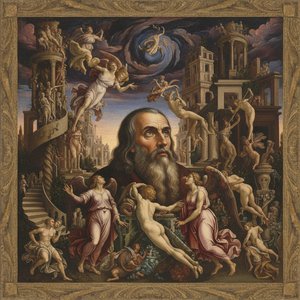
Mannerism Unveiled: The Dramatic Evolution of Renaissance Art and the Visionary Legacy of El Greco
Explore the dramatic transition from High Renaissance harmony to Mannerist tension. Discover how masters like El Greco redefined art through distortion and spiritual intensity. An expert guide for art enthusiasts seeking deep historical context and museum-quality inspiration.

Ελ Γκρέκο: Τα 25 Κορυφαία Έργα Τέχνης για Διακόσμηση και Έμπνευση | TopImpressionists.gr
Ανακαλύψτε τα 25 κορυφαία έργα τέχνης του Ελ Γκρέκο! Μάθετε για τη βυζαντινή τεχνική, την αναγέννηση και τον μπαρόκ στυλ του. Βρείτε πίνακες υψηλής ποιότητας & ιδέες διακόσμησης στο TopImpressionists.com.
Εξερευνήστε έργα τέχνης ταξινομημένα ανά θέμα, στυλ και χαρακτηριστικά.


