

Εμφανίζεται: · Συμπεριλαμβανομένου του πλαισίου:
 Προεπισκόπηση σε πραγματική κλίμακα
 Αποστολή
 Κοινοποίηση
 Λεπτομέρειες
 Οδηγός

 Λήψη
Λήψη
 Παρόμοια αντικείμενα συλλογής
 Ακτινογραφία
 Παρουσίαση
 Ερωτήσεις & Απαντήσεις
 Στατιστικά

€ 239
Χειροποίητη Αναπαραγωγή σε Έλαιο
Χειροποίητη ελαιογραφία σε καμβά στο δικό σας μέγεθος και πλαίσιο, κατά παραγγελία από τους καλλιτέχνες μας. ( Μετάβαση σε Εκτυπώσεις Μετάβαση σε Ψηφιακή Αποτέλεσμα)
Διαστάσεις
·Πρότυπο
κατόπιν παραγγελίας
CM
INCH
Επιλέξτε από τις προκαθορισμένες διαστάσεις μας που διατηρούν τις αρχικές αναλογίες του έργου τέχνης.
Φόρτωση μεγεθών...

πλάτος
ύψος
Πληκτρολογήστε το πλάτος και το ύψος που επιθυμείτε, ώστε να ταιριάζουν στο κάδሮ ή στον τοίχο σας. Ε เนื่องจาก πρόκειται για χειροποίητη ζωγραφική, σε περίπτωση διαστάσεων με διαφορετικό σχήμα, ο καλλιτέχνης μπορεί να ζωγραφίσει λίγο παραπάνω γύρω από το έργο ή να αφαιρέσει ένα μέρος — η επιλογή είναι δική σας. Σας στέλνουμε ένα ψηφιακό mockup για έγκριση πριν ξεκινήσει η δημιουργία του έργου. Η εικόνα που εμφανίζεται σε αυτή τη σελίδα δεν δείχνει το τελικό αποτέλεσμα — μόνο το mockup το αναδεικνύει.
 Διαβάστε περισσότερα
Ολοκλήρωση
·
Λευκό €1

Αντιστροφή με θολό φινίρισμα €1

Εκτεταμένη περιφέρεια €1

P118B €10

P118H €10

P118W €10

P438Z €10

P508JH €12

P508YH €12

P805H €10

P805Z €10

P919BZ €10

P919G €10

P919XJ €10

P959ZH €10

P968JZ €12

W106C €8

W218G €10

W218JH €8

W218Y €10

W307PJ €10

W316G €10

W316PJ €8

W316Y €10

W398PJ €8

W4111J €10

W500HY €15

W500JH €15

W692G €12

W849H €8

W940BG €15

W953PJ €8

H24-GOLD €30

H24-SILVER €30

H36-GOLD €45

H36-SILVER €45
Αποστέλλεται σε προστατευτικό σωλήνα, έτοιμο για το δικό σας κάδρονια.
Πρόσθετες υπηρεσίες
προαιρετικόΤι περιλαμβάνουν τα επιπλέον στοιχεία;
Παραδείγματα όσων μπορούν να αλλάξουν: Αντικατάσταση του προσώπου με φωτογραφία του πελάτη· Προσθήκη κατοικιδίου (π.χ. αντικατάσταση γάτας με σκύλο)· Ενσωμάτωση κρυφού μηνύματος στο φόντο· Αλλαγή τοπίου ή στοιχείων στο φόντο.
Μετά την παραγγελία, η ομάδα του TopImpressionists.com θα στείλει email στον πελάτη για οδηγίες και θα παρέχει μια προεπισκόπηση (mockup)
Μετά την παραγγελία, η ομάδα του TopImpressionists.com θα στείλει email στον πελάτη για οδηγίες και θα παρέχει μια προεπισκόπηση (mockup)
Παγκόσμια Αποστολή () σε 3-4 εβδομάδες αντί για τις συνήθεις 5 εβδομάδες. (4 Νοέμβριος). Χωρίς συμβιβασμούς στην ποιότητα.
Βερνίκι Προστασίας
Πληροφορίες έργου
Λεπτομέρειες Χάραξης σε Πλακέτα Χαλκού
This elegant plaque features the artist's name and the title of the artwork, finely engraved for a timeless presentation.
It is made from bronze with a refined, elegant finish. The text is precisely laser-engraved for a sharp and permanent result. Measuring 9x2 cm, the plaque is compact yet easy to read. It's built to be durable and scratch-resistant, offering a professional, museum-quality look. Mounting is simple thanks to the included adhesive backing.
Λεπτομέρειες Διαφανούς Ακρυλικής Πλακίδας
The plaque includes essential engraved details such as the artist's name, the title of the artwork, the date it was created, the type of media used-like oil on canvas or watercolor-a brief description of the piece, and a QR code that links to the complete artwork information.
It is crafted from clear acrylic, offering a sleek, modern appearance. The text is UV-engraved in black to ensure strong visual contrast. With a size of 10x15 cm, it ensures optimal readability. It comes equipped with two metal hooks for secure wall mounting. The plaque is designed to be weather-resistant, making it suitable for various environments, and it includes interactive features that work seamlessly with smartphone scanning.
Λεπτομέρειες Πλακίδας Ακρυλικού Μαύρου Χρώματος
This elegant plaque includes engraved information such as the artist's name, the title of the artwork, the date it was created, the type of media used (like oil on canvas or watercolor), a short description of the artwork, and a QR code for quick access to more information.
The plaque itself is made from refined black acrylic with a premium finish. The text is laser-engraved in white for high contrast and readability. Its size is 10x15 cm, designed to be easy to read. It comes with two metal hooks for professional mounting. The design is sleek and fits any interior style. It is also weather-resistant and durable, with built-in digital integration for mobile compatibility.
Η επιλογή με γυαλί είναι διαθέσιμη μόνο για μεγέθη κάτω από 110 εκ.
 Η επιλογή με γυαλί είναι διαθέσιμη μόνο για μεγέθη κάτω από 110 εκ.
- Δωρεάν γρήγορη διεθνής αποστολή
- Κάμβας από Λινό Υψηλής Ποιότητας
- Πλήρης ασφάλιση μεταφοράς
- Εγγύηση επιστροφής δασμών και φόρων εισαγωγής
- Εγγύηση Απόλυτης Ομοιότητας Χρωμάτων
- Πολιτική Επιστροφής 100 Ημερών (Μόνο σε περίπτωση ελαττωμάτων)
- Εγγύηση επιστροφής 100% των χρημάτων
- Προσφορά για πολλαπλές παραγγελίες


Περιγραφή Συλλεκτικού Αντικειμένου
Experience Paul Gauguin's 'Mountain Landscape' (1882) – a vibrant post-impressionist masterpiece capturing nature’s essence with bold colors & expressive brushstrokes. Hand-painted reproductions available.
Βιογραφικό Καλλιτέχνη
Ο Πολ Γκωγκέν: Ένας επαναστατικός ζωγράφος του μετα-ιμπρεσιονισμού, γνωστός για τα έντονα χρώματα, τους εξωτικούς θεματικούς του τομείς και τις συμβολικές θεματολογίες. Ανακαλύψτε την τέχνη του!
Σχετικά με το έργο
A Journey Into Gauguin’s Soul: “Mountain Landscape”
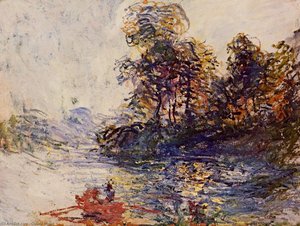
Paul Gauguin's "Mountain Landscape," painted in 1882, isn’t merely a depiction of a hillside; it’s a profound distillation of the artist’s evolving vision and his yearning for a deeper connection with nature and spirituality. Emerging from the vibrant, yet ultimately superficial, world of Impressionism, Gauguin embarked on a radical shift—a deliberate rejection of objective representation in favor of subjective experience and symbolic resonance. This painting stands as a pivotal moment in that transformation, showcasing a nascent style that would profoundly influence generations of artists to come. The scene itself is deceptively simple: a rugged, almost primordial landscape dominated by towering mountains and a swirling, cloudy sky. Yet, within this apparent simplicity lies a complex interplay of color, texture, and emotion—a testament to Gauguin’s innovative approach to capturing the essence of his subject. He wasn't striving for photographic accuracy; instead, he sought to translate the *feeling* of being amidst such grandeur, an experience deeply rooted in personal intuition and spiritual contemplation.- The Palette of Emotion: Gauguin’s masterful use of color is immediately striking. Gone are the delicate pastel hues of Impressionism; here, we encounter a bolder, more assertive palette—deep greens, rich browns, ochre yellows, and dramatic blues. These aren't colors that simply describe the landscape; they *become* the landscape itself, imbued with an emotional charge. The vibrant greens suggest life and vitality, while the earthy browns ground the scene in a sense of solidity and permanence. The sky, rendered in swirling shades of blue and grey, evokes both serenity and turbulence—a reflection perhaps of Gauguin’s own inner turmoil during this period of intense artistic exploration.
- Brushstrokes as Voices: Gauguin's distinctive brushwork is equally crucial to the painting’s impact. His strokes are not smooth or blended; they are loose, expressive, and often deliberately uneven. These visible marks—a hallmark of his style—inject a sense of movement and energy into the scene, suggesting the constant flux of nature and the artist’s own restless spirit. The brushstrokes seem to dance across the canvas, creating a tactile quality that invites the viewer to reach out and touch the landscape.
- A Departure from Realism: Notice how Gauguin simplifies forms—the mountains are not meticulously rendered but rather suggested through broad masses of color and texture. This simplification isn’t an act of carelessness; it's a deliberate choice to prioritize emotional impact over literal representation. He is less concerned with depicting *what* he sees than with conveying *how* he feels about what he sees.
The Context of Transformation: Gauguin and Post-Impressionism
To fully appreciate “Mountain Landscape,” it’s essential to understand its place within the broader context of Post-Impressionism—a movement that arose in reaction to the limitations of Impressionism. While Impressionists sought to capture fleeting moments of light and color, Post-Impressionist artists like Gauguin aimed to delve deeper into the underlying emotions and symbolic meanings of their subjects. They rejected the purely optical approach of Impressionism, embracing a more subjective and expressive style. Gauguin’s journey began in Paris, where he initially experimented with Impressionistic techniques. However, disillusioned by what he perceived as its superficiality, he sought refuge in Brittany, immersing himself in rural life and drawing inspiration from Celtic folklore and mythology. This experience profoundly shaped his artistic vision, leading him to develop a style characterized by bold colors, simplified forms, and symbolic imagery—a style that would become synonymous with Post-Impressionism. Key Influences:- Synthetism: Gauguin’s exploration of Synthetism – an artistic style focused on the synthesis of form and color – is evident in this work.
- Primitivism: His fascination with non-Western cultures, particularly those of Tahiti, fueled his desire to strip away Western conventions and embrace a more primal, intuitive approach to art.
Decoding the Symbolism
“Mountain Landscape” isn’t simply a landscape painting; it's a visual poem—a meditation on nature, spirituality, and the human condition. The towering mountains themselves can be interpreted as symbols of strength, permanence, and the sublime—evoking a sense of awe and humility in the face of nature’s grandeur. The swirling clouds suggest both tranquility and turbulence, reflecting the complexities of life and the artist's own inner struggles. Notably, the absence of human figures reinforces this focus on the landscape itself, transforming it into a sacred space—a realm where the viewer can connect with something larger than themselves. Gauguin was deeply interested in exploring themes of spirituality and mythology, often incorporating symbolic elements into his work to convey hidden meanings. The painting invites contemplation: What does the rugged terrain represent? How does the sky’s movement affect your mood?A Legacy of Innovation
“Mountain Landscape” is a remarkably prescient work—a harbinger of the radical artistic movements that would emerge in the early 20th century. Gauguin's bold experimentation with color, texture, and symbolism paved the way for Expressionism, Fauvism, and other avant-garde styles. His willingness to challenge conventional notions of representation and embrace a more subjective approach to art continues to inspire artists today. Reproductions of this iconic painting offer a unique opportunity to experience Gauguin’s visionary spirit—to step into his world and contemplate the timeless beauty and profound mystery of the natural landscape.Ερωτήσεις και Απαντήσεις
Με τι τεχνική έχει δημιουργηθεί το "Mountain landscape";
Το έργο "Mountain landscape" εκτελέστηκε με τη χρήση του/της Oil On Canvas.
Τι συναίσθημα αποπνέει το "Mountain landscape" του Πωλ Γκωγκέν;
Το συναισθηματικό ύφος που καταγράφεται για το "Mountain landscape" του Πωλ Γκωγκέν είναι Tranquil. Περιγράφει με συνοπτικό τρόπο το συναίσθημα που εκφράζει το έργο.
Ποια είναι η τεχνική και η ημερομηνία δημιουργίας του έργου "Mountain landscape" του Πωλ Γκωγκέν;
Το έργο "Mountain landscape" δημιουργήθηκε το 1882 με την τεχνική του Oil On Canvas. Το υλικό και η ημερομηνία περιγράφουν τον τρόπο και την περίοδο δημιουργίας του πρωτοτύπου.
Γρήγορα στοιχεία και κвиζ τέχνης
Σχετικά με τον Πωλ Γκωγκέν

Πωλ Γκωγκέν
1848 - 1903, Ελλάδα
Βιογραφικό Καλλιτέχνη
A Life Painted in Bold Strokes: The World of Paul Gauguin
Eugène Henri Paul Gauguin, ένα όνομα που αντηχεί με έντονα χρώματα και πνευματική ατμόσφαιρα, αποτελεί μια κρίσιμη φιγούρα στην μετάβαση από τον Ιμπρεσιονισμό στον σύγχρονο χώρο της τέχνης. Γεννήθηκε στο Παρίσι το 1848, αλλά η ζωή του δεν ήταν καθόλου συμβατική. Τα πρώτα του χρόνια διαμορφώθηκαν από μια ασυνήθιστη παιδική ηλικία: ο πατέρας του ένας δημοσιογράφος και η μητέρα του καταγόμενη από περουβιανή αριστοκρατία – η γιαγιά της, Flora Tristan, μια πρωτοπόρος φεμινίστρια και σοσιαλιστική συγγραφέας, των οποίων ιδέες αντηχούσαν αναμφίβολα μέσα στην οικογένεια. Αυτή η κληρονομικότητα διαμόρφωσε βαθιά την καλλιτεχνική του όραση, ενσταλάζοντας σε αυτόν μια περιέργεια για πολιτισμούς πέρα από την Ευρώπη. Μια σημαντική περίοδος που πέρασε στην Περού ως παιδί, ακολουθώντας τη μετακόμιση της οικογένειάς του το 1850, τον έσυρε σε έναν κόσμο πολύ διαφορετικό από αυτόν του Παρισιού, μια εμπειρία που παρέμεινε και τελικά τροφοδότησε την επιθυμία του για αυθεντικότητα στην τέχνη. Επιστρέφοντας στη Γαλλία μετά το θάνατο του πατέρα του, ο Gauguin έλαβε μια επίσημη εκπαίδευση αλλά βρήκε τον εαυτό του να τραβιέται όχι από την ακαδημαϊκή ζωή, αλλά στον αναπτυσσόμενο χρηματοπιστωτικό κόσμο, ξεκινώντας μια καριέρα ως διαχειριστής κεφαλαίων – ένα μονοπάτι που φαινόταν αντιθέσιο με το καλλιτεχνικό πεπρωμένο που περίμενε.Από τη Χρηματοοικονομική Επάγγελμα στην Καλλιτεχνική Κλήση
Για χρόνια, ο Gauguin διηκόνευσε ένα διπλό βιογραφικό, επιδιώκοντας με αφοσίωση τις επιχειρήσεις του ενώ παράλληλα καλλιεργούσε μυστικά μια πάθηση για τη ζωγραφική. Αρχικά επηρεασμένος από τους Ιμπρεσιονιστές, άρχισε να πειραματίζεται με χρώματα και φως στο ελεύθερό του χρόνο, αλλά σύντομα αισθάνθηκε περιορισμούς λόγω της δέσμευσής τους στην καταγραφή στιγμιαίων γεγονότων της πραγματικότητας. Η οικονομική κρίση του 1882 αποτέλεσε μια στροφή, αναγκάζοντάς τον να εγκαταλείψει την επιτυχημένη καριέρα του και να αγκαλιάσει με όλη του τη δύναμη την καλλιτεχνική του κλήση. Αυτό δεν ήταν απλώς μια αλλαγή επαγγέλματος, αλλά μια θεμελιώδης μετατόπιση στον τρόπο σκέψης. Αναζητούσε καθοδήγηση από τον Κάμιλ Πατισό, ο οποίος ενθάρρυνε την ανάπτυξή του και τον εισήγαγε στις προηγμένες κύκλους της Παριζιάνης ζωής. Ωστόσο, ο Gauguin σύντομα άρχισε να αποκλίνει από τις ιμπρεσιονιστικές αρχές, επιθυμώντας κάτι πιο εκφραστικό, κάτι συμβολικό – ένα μέσο για την έκφραση όχι μόνο τι *είδω*, αλλά τι *αίσθηση* έκανα. Αυτή η επιθυμία τον οδήγησε σε ένα ταξίδι καλλιτεχνικής εξερεύνησης που θα ξεπερνούσε τα σαλέ του Παρισιού και θα οδηγήσει στο κέντρο των "πρωτότυπων" πολιτισμών. Δεν ήταν απλώς ενδιαφερόμενος για την απεικόνιση αυτών των πολιτισμών, αλλά επιθυμούσε να απορροφήσει τη φύση τους, πιστεύοντας ότι περιείχαν μια αυθεντικότητα που είχε χαθεί στον δυτικό κόσμο.Η Κλήση προς τα Βρετανικά Χωριά και την Ταΐτί
Η καλλιτεχνική εξέλιξη του Gauguin συνδέθηκε άρρηκτα με τα ταξίδια του. Επέστρεψε στα βρετανικά χωριά, ενθουσιασμένος από τις σκληρές τοπικές ομορφιές και τις βαθιές παραδόσεις των ανθρώπων τους. Αυτή η περίοδος είδε τον Gauguin να πειραματίζεται με απλοποιημένες μορφές, έντονες περιγράμματα και μια απλοποίηση της σύνθεσης – τεχνικές που τον οδήγησαν πιο μακριά από τον ρεαλισμό και πιο κοντά σε μια πιο συμβολική γλώσσα. Αλλά το ταξίδι του στην Ταΐτί το 1891 ήταν αυτό που απελευθέρωσε πραγματικά τη δημιουργική του δυναμικότητα. Αναζητώντας καταφύγιο από αυτά που θεωρούσε ότι ήταν οι περιοριστικοί παράγοντες της ευρωπαϊκής κοινωνίας, ο Gauguin ήθελε να βρει έμπνευση στον πολιτισμό των Ταϊτίων, πιστεύοντας ότι προσέφερε έναν πιο αυθεντικό και πνευματικά πλούσιο τρόπο ζωής. Αυτό δεν ήταν απλώς μια καλλιτεχνική επιδίωξη, αλλά μια πνευματική αναζήτηση. Έμεινε ενσωματωμένος στις τοπικές συνήθειες και τις πεποιθήσεις, απεικονίζοντας τα Ταϊτίτικα γυναίκες, τοπία και θρησκευτικές πρακτικές μέσα από τον μοναδικό του φακό. Επηρεασμένος από τα ιαπωνικά τυπογραφικά έργα (Japonisme) και την μεσαιωνική τέχνη, ανέπτυξε μια μοναδική αισθητική που χαρακτηριζόταν από έντονα χρώματα, εξωτικά θέματα και μια ατμόσφαιρα μυστηρίου. Εμβληματικές ζωγραφιές όπως "Vahine no te miti” (Γυναίκα με Μάνγκο), “Manao Tupapau” (Παρακολουθώντας το Πνεύμα του Νεκρού) και “The Day of Gods προέκυψαν από αυτή την περίοδο, σταθεροποιώντας τη φήμη του ως ενός πρωτοποριακού καλλιτέχνη. Η χρήση του χρώματος έγινε όλο και πιο έντονη και μη-φυσική, υπηρετώντας όχι την αναπαράσταση της πραγματικότητας, αλλά την έκφραση συναισθημάτων και πνευματικής σημασίας.Κληρονομιά και Έκπληξη
Παρά τις καλλιτεχνικές του επιτυχίες, η ζωή του Gauguin ήταν συχνά χαρακτηρισμένη από δυσκολίες. Είχε οικονομικά προβλήματα και υποφέρει από προβλήματα υγείας κατά τη διάρκεια της παραμονής του στην Ταΐτί και αργότερα στα νησιά Μάρκες, όπου τελικά εγκαταστάθηκε. Ωστόσο, συνέχισε να ζωγραφίζει αμείλικτα, εξερευνώντας συνεχώς θέματα ζωής, θανάτου και πνευματικότητας. Πέθανε το 1903 στο νησί Hiva Oa, σε απομονωμένο νησί των νησιών Μάρκες, σχεδόν μη αναγνωρισμένος για τη δεινότητα του. Μόνο μετά τον θάνατό του η τέχνη του άρχισε να λαμβάνει την αναγνώριση που της αξούσιαζε. Σήμερα, τιμάται ως μια κρίσιμη φιγούρα στην ανάπτυξη της σύγχρονης τέχνης, γεφυρώνοντας το χάσμα μεταξύ του Ιμπρεσιονισμού και του Συμβολισμού και ανοίγοντας τον δρόμο για κινήσεις όπως το Fauvism. Η χρήση του χρώματος, των απλοποιημένων σχημάτων και της συμβολικής απεικόνισης επηρέασε βαθιά τους καλλιτέχνες όπως οι Pablo Picasso, Henri Matisse και πολλούς άλλους. Ωστόσο, ο Gauguin παραμένει μια αμφιλεγόμενη φιγούρα λόγω των πτυχών της προσωπΓρήγορα στοιχεία για τον/την Πωλ Γκωγκέν
- Artistic Movement Or Style: Εντυπωσιασμός, Συμβολισμός
- Artists Or Movements Influenced By This Artist:
- Picasso
- Matisse
- Artists Who Influenced This Artist: ['Pissarro']
- Date Of Birth: 1848
- Date Of Death: 1903
- Full Name: Eugène Henri Paul Gauguin
- Nationality: Γάλλος
- Notable Artworks:
- Vahine no te miti
- Manao Tupapau
- Ημέρα των Θεών
- Place Of Birth: Παρίσι, Γαλλία
Σχετικά Έργα Τέχνης


Εξερευνήστε έργα τέχνης ταξινομημένα ανά θέμα, στυλ και χαρακτηριστικά.


Πωλ Γκωγκέν
Mountain landscape
() ·
Συμπεριλαμβανομένου του πλαισίου: · Χειροποίητο με λάδια σε λινό
Σύνολο