

Shown: · With its frame:
 Προεπισκόπηση σε πραγματική κλίμακα
 Αποστολή
 Κοινοποίηση
 Λεπτομέρειες
 Οδηγός

 Λήψη
Λήψη
 Παρόμοια αντικείμενα συλλογής
 Ακτινογραφία
 Παρουσίαση
 Q&A
Q&A Στατιστικά
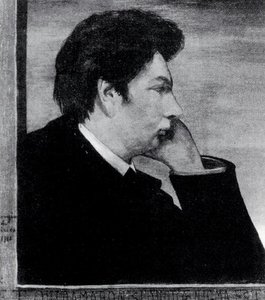
Self-portrait 7


€ 237
Χειροποίητη Αναπαραγωγή σε Έλαιο
Χειροποίητη ελαιογραφία σε καμβά στο δικό σας μέγεθος και πλαίσιο, κατά παραγγελία από τους καλλιτέχνες μας. ( Μετάβαση σε Εκτυπώσεις Μετάβαση σε Ψηφιακή Αποτέλεσμα)
Το έργο αυτό προστατεύεται από πνευματικά δικαιώματα
Το έργο τέχνης που εμφανίζεται σε αυτή τη σελίδα προστατεύεται από τους νόμους περί πνευματικών δικαιωμάτων, γεγονός που σημαίνει ότι δεν μπορούμε νομικά να δημιουργήσουμε ή να πουλήσουμε μια ταυτόσημη αναπαραγωγή του. Αυτή η προστασία επιβάλλεται βάσει διεθνών συμφωνιών, όπως η Σύμβαση της Βέρνης καθώς και από τους εθνικούς νόμους, συμπεριλαμβανομένων αυτών που ορίζονται από το Νομοθεσία περί πνευματικών δικαιωμάτων των ΗΠΑ - Τίτλος 17. Όλα τα δικαιώματα κατοχυρωμένα. Απαγορεύεται η αναπαραγωγή χωρίς άδεια.
Ως μια σεβαστή και νόμιμη εναλλακτική, προσφέρουμε προσαρμοσμένα, χειροποίητα έργα τέχνης εμπνευσμένα από το πρωτότυπο. Οι έμπειροι και επαγγελματίες καλλιτέχνες μας μελετούν προσεκτικά το στυλ, τη διάθεση και την καλλιτεχνική ουσία του πρωτοτύπου, ώστε να δημιουργήσουν ένα νέο, μοναδικό έργο που προκαλεί την ίδια αίσθηση — παραμένοντας όμως μια πρωτότυπη δημιουργία από μόνη της.
Αυτή η μέθοδος συμμορφώνεται πλήρως με τους κανονισμούς περί πνευματικών δικαιωμάτων, καθώς δεν περιλαμβάνει την αντιγραφή ή την αναπαραγωγή του προστατευόμενου έργου. Αντίθετα, πρόκειται για μια δημιουργική ερμηνεία — ένα νέο έργο που επηρεάζεται από το πρωτότυπο, χωρίς όμως να είναι πανομοιότυπο με αυτό.
 Διαβάστε περισσότερα
Size
·Πρότυπο
κατόπιν παραγγελίας
CM
INCH
Επιλέξτε από τις προκαθορισμένες διαστάσεις μας που διατηρούν τις αρχικές αναλογίες του έργου τέχνης.
Loading sizes...

πλάτος
ύψος
Πληκτρολογήστε το πλάτος και το ύψος που επιθυμείτε, ώστε να ταιριάζουν στο κάδሮ ή στον τοίχο σας. Ε เนื่องจาก πρόκειται για χειροποίητη ζωγραφική, σε περίπτωση διαστάσεων με διαφορετικό σχήμα, ο καλλιτέχνης μπορεί να ζωγραφίσει λίγο παραπάνω γύρω από το έργο ή να αφαιρέσει ένα μέρος — η επιλογή είναι δική σας. Σας στέλνουμε ένα ψηφιακό mockup για έγκριση πριν ξεκινήσει η δημιουργία του έργου. Η εικόνα που εμφανίζεται σε αυτή τη σελίδα δεν δείχνει το τελικό αποτέλεσμα — μόνο το mockup το αναδεικνύει.
Finish
·
White €1

Blurside €1

Extended €1

P118B €10

P118H €10

P118W €10

P438Z €10

P508JH €12

P508YH €12

P805H €10

P805Z €10

P919BZ €10

P919G €10

P919XJ €10

P959ZH €10

P968JZ €12

W106C €8

W218G €10

W218JH €8

W218Y €10

W307PJ €10

W316G €10

W316PJ €8

W316Y €10

W398PJ €8

W4111J €10

W500HY €15

W500JH €15

W692G €12

W849H €8

W940BG €15

W953PJ €8

H24-GOLD €30

H24-SILVER €30

H36-GOLD €45

H36-SILVER €45
Shipped in a protective tube, ready for your own framer.
Above 105 cm the frame is shipped as a kit for a professional framer — read the details.
Extras
optionalWhat do the extras include?
Examples of what can be changed: Replace face with customer photo; Add pet (e.g., replace cat with dog); Include hidden message in background; Change background landscape or elements.
After order, TopImpressionists.com team will email client for instructions and provide a mockup preview
After order, TopImpressionists.com team will email client for instructions and provide a mockup preview
Παγκόσμια Αποστολή () σε 3-4 εβδομάδες αντί για τις συνήθεις 5 εβδομάδες. (29 Οκτώβριος). Χωρίς συμβιβασμούς στην ποιότητα.
Βερνίκι Προστασίας
Πληροφορίες έργου
Λεπτομέρειες Χάραξης σε Πλακέτα Χαλκού
This elegant plaque features the artist's name and the title of the artwork, finely engraved for a timeless presentation.
It is made from bronze with a refined, elegant finish. The text is precisely laser-engraved for a sharp and permanent result. Measuring 9x2 cm, the plaque is compact yet easy to read. It's built to be durable and scratch-resistant, offering a professional, museum-quality look. Mounting is simple thanks to the included adhesive backing.
Λεπτομέρειες Διαφανούς Ακρυλικής Πλακίδας
The plaque includes essential engraved details such as the artist's name, the title of the artwork, the date it was created, the type of media used-like oil on canvas or watercolor-a brief description of the piece, and a QR code that links to the complete artwork information.
It is crafted from clear acrylic, offering a sleek, modern appearance. The text is UV-engraved in black to ensure strong visual contrast. With a size of 10x15 cm, it ensures optimal readability. It comes equipped with two metal hooks for secure wall mounting. The plaque is designed to be weather-resistant, making it suitable for various environments, and it includes interactive features that work seamlessly with smartphone scanning.
Λεπτομέρειες Πλακίδας Ακρυλικού Μαύρου Χρώματος
This elegant plaque includes engraved information such as the artist's name, the title of the artwork, the date it was created, the type of media used (like oil on canvas or watercolor), a short description of the artwork, and a QR code for quick access to more information.
The plaque itself is made from refined black acrylic with a premium finish. The text is laser-engraved in white for high contrast and readability. Its size is 10x15 cm, designed to be easy to read. It comes with two metal hooks for professional mounting. The design is sleek and fits any interior style. It is also weather-resistant and durable, with built-in digital integration for mobile compatibility.
Η επιλογή με γυαλί είναι διαθέσιμη μόνο για μεγέθη κάτω από 110 εκ.
 Η επιλογή με γυαλί είναι διαθέσιμη μόνο για μεγέθη κάτω από 110 εκ.
- Δωρεάν γρήγορη διεθνής αποστολή
- Κάμβας από Λινό Υψηλής Ποιότητας
- Πλήρης ασφάλιση μεταφοράς
- Εγγύηση επιστροφής δασμών και φόρων εισαγωγής
- Εγγύηση Απόλυτης Ομοιότητας Χρωμάτων
- Πολιτική Επιστροφής 100 Ημερών (Μόνο σε περίπτωση ελαττωμάτων)
- Εγγύηση επιστροφής 100% των χρημάτων
- Προσφορά για πολλαπλές παραγγελίες


Περιγραφή Συλλεκτικού Αντικειμένου
A haunting self-portrait by Giorgio de Chirico (1922). Explore the artist's melancholic style, surreal imagery, and philosophical depth in this iconic masterpiece.
Βιογραφικό Καλλιτέχνη
Ο Γιώργος Ντε Κιρίκο (1888-1978): Ένας ιδιοφυής ζωγράφος που δημιούργησε το μεταφυσικό ρεαλισμό, με έργα γεμάτα μυστήριο, ονειρικά τοπία και εμβληματικούς κωδωνοφόρους. Επηρεαστής του σουρεαλισμού.
About the painting
A Dreamscape in Gray: De Chirico’s “Self-Portrait 7”
Giorgio de Chirico's "Self-Portrait 7," painted around 1922, isn’t merely a depiction of an artist; it’s a distilled essence of the anxieties and intellectual currents swirling through Europe at the dawn of the 20th century. This haunting monochrome study, housed within the Toledo Museum of Art, invites us into a realm where reality fractures, memory bleeds into dream, and the self becomes both subject and object—a captivating paradox that defines much of de Chirico’s oeuvre. The painting immediately arrests with its stark simplicity: a figure rendered in muted grays, positioned slightly off-center against a subtly receding backdrop, his hand partially obscuring his mouth as if holding back a profound thought or perhaps a secret sorrow.
The work belongs firmly within de Chirico’s “Metaphysical” period, a movement he pioneered alongside his brother, Andrea Savinio. This style rejected the superficiality of contemporary art and sought to capture not just appearances but the underlying anxieties and irrationalities of human experience. Influenced by philosophers like Arthur Schopenhauer and Friedrich Nietzsche, de Chirico aimed to depict a world where logic dissolves, and the familiar becomes unsettlingly strange. The painting’s palette—a carefully orchestrated symphony of grays—is crucial to this effect. It's not simply black and white; it’s a spectrum of tones that evokes both melancholy and a sense of timelessness, mirroring the artist’s own preoccupation with mortality and the passage of time.
Deconstructing Form: Technique and Composition
Technically, “Self-Portrait 7” is characterized by a meticulous layering of oil paint—a technique de Chirico revisited after abandoning his earlier, more vibrant style. He employed subtle gradations of tone to create an illusion of depth and texture, suggesting the rough surface of clothing and the smooth planes of the face. The composition itself is deceptively simple, yet profoundly effective. The figure’s placement off-center creates a dynamic tension, drawing the eye across the canvas and inviting contemplation. Notice how the background recedes sharply, almost dissolving into an indeterminate space—a technique that reinforces the painting's sense of unease and disorientation.
The use of line is equally deliberate. The strong outlines defining the face and body are softened by the surrounding tones, creating a sense of ambiguity. There’s a deliberate lack of detail; de Chirico wasn’t interested in photographic realism but rather in capturing the *feeling* of a scene—the emotional weight of a moment. The inclusion of the bust of Eudipides, subtly referenced in the painting's title and further explored in another work by the artist, adds an additional layer of symbolic complexity, hinting at themes of fate, suffering, and the burden of knowledge.
Symbolism and Emotional Resonance
The obscured mouth is perhaps the most potent symbol within the portrait. It suggests restraint, introspection, or even a suppressed emotion—a refusal to fully articulate the anxieties that plague the artist’s mind. The overall mood is undeniably melancholic, yet there's also an undercurrent of quiet dignity and resilience. De Chirico wasn’t simply depicting sadness; he was exploring the complex relationship between the self and the world, revealing a profound sense of isolation within a rapidly changing society.
The painting’s setting—a vaguely architectural space—further contributes to its unsettling atmosphere. It's reminiscent of Roman arcades, which de Chirico frequently depicted in his work, but here they feel strangely deserted and devoid of life. This reinforces the sense of alienation and loneliness that permeates the portrait. The subtle inclusion of a tangerine adds an unexpected element of warmth and color—a fleeting reminder of beauty amidst the prevailing gloom.
A Legacy of Dreamlike Visions
“Self-Portrait 7” stands as a quintessential example of de Chirico’s unique artistic vision. It's a painting that defies easy interpretation, inviting viewers to engage with its mysteries and grapple with its emotional complexities. It’s not merely a portrait; it’s a window into the artist’s psyche—a glimpse behind the curtain of his creative process. De Chirico’s work continues to resonate today because it taps into universal anxieties about identity, mortality, and the nature of reality. Reproductions of this powerful image offer a chance to bring this dreamlike vision into your own space, prompting reflection and sparking conversation.
Ερωτήσεις και Απαντήσεις
Προς ποιο καλλιτεχνικό ρεύμα ανήκει το έργο "Self-portrait 7" του Γιώργος Ντε Κιρίκο;
Το έργο "Self-portrait 7" ανήκει στο καλλιτεχνικό ρεύμα Metaphysical Art, το οποίο ορίζει την καλλιτεχνική παράδοση στην οποία εντάσσεται.
Είναι το έργο "Self-portrait 7" του Γιώργος Ντε Κιρίκο φωτεινό ή σκοτεινό;
Οι καταγεγραμμένες τιμές για το έργο "Self-portrait 7" του Γιώργος Ντε Κιρίκο είναι: φωτεινότητα deep_shadow, φωταύγεια Soft Shadow.
Πού συνιστάται να τοποθετηθεί το έργο "Self-portrait 7" στο format Portrait;
Το σχήμα Portrait του έργου "Self-portrait 7" του Γιώργος Ντε Κιρίκο προτείνεται για έναν/μια Living Room. Το σχήμα και ο χώρος καθοδηγούν μαζί την τοποθέτηση μιας αναπαραγωγής.
Quick facts and art quiz
About Γιώργος Ντε Κιρίκο

Γιώργος Ντε Κιρίκο
1888 - 1978, Ελλάδα
Βιογραφικό Καλλιτέχνη
Ένα Όνειρο της Ψυχής: Η Ζωή και η Τέχνη του Γιόργκο Ντε Κιρίκο
Γεννήθηκε το 1888 στη Βέλοζ, στην Ελλάδα, από ιταλικά γονείς – μια γενουέζα μητέρα και ένας σικελός πατέρας – ο καλλιτεχνικός δρόμος του Γιόργκο Ντε Κιρίκο ήταν γεμάτος τόσο κλασική κληρονομιά όσο και μια αναπτυσσόμενη αίσθηση σύγχρονου απομονωτισμού. Η πρώιμη εκπαίδευσή του στο Αθηναίο Πολυτεχνείο έθεσε τις βάσεις σε παραδοσιακές τεχνικές, αλλά οι μεταγενέστερες σπουδές του στη Μόναχο που πραγματικά ανάγκασαν το δημιουργικό του πνεύμα. Εκεί, στην εγκεφαλική ζημιά της προπολεμικής Ευρώπης, συναντούσε τα έργα του Άρνολντ Μπέκλιν και Μάξι Κλίγγκερ, καλλιτέχνες των οποίων συμβολικές τοπίες και τρομαγτικές εικόνες θα αντηχούσαν βαθιά στην δική του αναπτυσσόμενη αισθητική. Ίσως εξίσου επιδραστικοί ήταν οι φιλοσοφικοί ρεύματα της εποχής – τα γραπτά του Φριτς Νίτσε, Άρθουρ Σπόνχεμπερ και Ότο Βάινηργέρ – που διερευνούσαν θέματα υπαρξισμού, την ανόητη ανθρώπινη επιθυμία και τη υποκειμενική φύση της πραγματικότητας. Αυτές οι ιδέες θα γίνονταν κεντρικές στην πρωτοποριακή καλλιτεχνική του όραση.Η Γένεση της Μεταφυσικής Τέχνης
Περίπου το 1909, ένα μοναδικό στυλ άρχισε να αναδύεται από τις εξερευνήσεις του Ντε Κιρίκο – ένα στυλ που ο ίδιος ονομάστηκε “Μεταφυσική” τέχνη. Αυτό δεν ήταν απλώς μια στυλιακή καινοτομία, αλλά μια βαθιά προσπάθεια να συλλάβει τις κρυμμένες πραγματικότητες κάτω από την επιφάνεια της καθημερινής ζωής, να αποκαλύψει την ανησυχητική ποίηση που κρύβεται σε οικείους χώρους. Μια καθοριστική στιγμή συνέβη κατά τη διάρκεια μιας επίσκεψης στη Φλωρεντία και μια εμπειρία στην Πιάτσα Σάντα Κρόσε, η οποία πυροδότησε τη χαρακτηριστική του σειρά “Μεταφυσική Πλατεία Πόλης”. Αυτά τα έργα διακρίνονται από την παράξενη ακινησία τους, τις μακριές δραματικές σκιές, τις παραμορφωμένες προοπτικές και την παρουσία κλασικής αρχιτεκτονικής σε συνδυασμό με ανησυχητικά στοιχεία όπως άψυχες ανθρώπινες κατασκευές και τρομαγτικοί αγάλματα. Η επίδραση είναι βαθιά ανησυχητική, προκαλώντας μια αίσθηση νοσταλγίας, απομόνωσης και μιας σχεδόν ανεχόμενης επιθυμίας για κάτι χαμένο ή μη προσβάσιμο. Ο Ντε Κιρίκο ίδρυσε τη Σκουόλα Μεταφυσικής, επηρεάζοντας βαθιά τον σουρεαλισμό, αν και αργότερα αποστασιοποιήθηκε από τις ερμηνείες του έργου του. Τα ζωγραφικά του δεν ήταν προορισμένα να απεικονίζουν ονειρικές σκηνές, αλλά να προσπαθούν να καταγράψουν μια πραγματικότητα πέρα από τον ορατό κόσμο – ένα βασίλειο όπου ο χρόνος και το χώρος είναι ρευστές και τα όρια μεταξύ συνείδησης και ασυνειδήτου θολώνονται. Έργα όπως *Οι Ενοχλήσεις του Σκεπτικού*, *Το Ενigma μιας Άνοιξης Απόγευματιά* και *Το Τραγούδι της Αγάπης* αποτελούν αυτό το τρομακτικό αισθητικό παράδειγμα, προσκαλώντας τους θεατές να προβληματιστούν για τα μυστήρια της ύπαρξης και τη φθίνουσα αξία της ανθρώπινης αντίληψης.Μια Αλλαγή Στυλ και Μια Διαρκής Κληρονομιά
Μετά τον Πρώτο Παγκόσμιο Πόλεμο, γύρω στα 1919, ο καλλιτεχνικός δρόμος του Ντε Κιρίκο πήρε μια απροσδόκητη τροπή. Απέκτησε απόρριψη της μεταφυσικής προσέγγισής του, υιοθετώντας αντί αυτού μια πιο παραδοσιακή νεοκλασική ή νεομπαρόκικη αισθητική. Αυτή η αλλαγή συνάντησε σημαντικό αντιεναρκητισμό, καθώς πολλοί κριτικοί λύγισαν την υποτιθέμενη πτώση της καινοτομίας που ονόμασε το πρώιμο έργο του. Ωστόσο, ο Ντε Κιρίκο παρέμεινε σταθερός στις καλλιτεχνικές του επιλογές, εξερευνώντας διάφορα στυλ και θέματα ενώ διατηρούσε μια συνεχή δέσμευση στην τεχνική δεξιοτεχνία. Παρά την κριτική, η επιρροή του επεκτάθηκε σε επόμενες γενιές καλλιτεχνών. Η πρωτοποριακή χρήση του χώρου, της προοπτικής και του συμβόλου πρότεινε νέους τρόπους έκφρασης.Επιρροές και Διαρκής Επίδραση
Η δουλειά του Ντε Κιρίκο αποτελεί μια κρίσιμη γέφυρα μεταξύ της μεταγεννημένης σκιερης ρομαντικής εποχής και της άνοδου του σουρεαλισμού στην αρχή του 20ού αιώνα. Ήταν άμεσα επηρεασμένος από καλλιτέχνες όπως ο Άρνολντ Μπέκλιν και ο Μάξι Κλίγγκερ, των οποίων οι εικονογραφικές εικόνες και η τρομαγτική αισθητική αντηχούσαν στην δική του έμφυτη έλξη για τη μυθολογία και το ασυνείδητο. Οι φιλόσοφοι όπως ο Νίτσε και ο Σπόνχεμπερ παρείχαν του ένα πλαίσιο για την εξερεύνηση θεμάτων υπαρξισμού, ανθρώπινης απομόνωσης και της αναζήτησης νοήματος σε έναν φαινομενικά άσκοπο κόσμο. Ωστόσο, η επιρροή του Ντε Κιρίκο επεκτάθηκε πέρα από τον σουρεαλισμό. Καλλιτέχνες όπως ο Ρενέ Μαγκρίτ και ο Σαλβαντόρ Μπαλντέ ήταν βαθιά εμπνευσμένοι από τα μεταφυσικά ζωγραφικά του, υιοθετώντας τις τεχνικές του για την τοποθέτηση, την παραμορφωμένη προοπτική και τον συμβολισμό για τη δημιουργία των δικών τους ονειρικών κόσμων. Η δουλειά του επηρέασε επίσης μεταγενέστερες κινήσεις όπως ο Μάγικος Ρεαλισμός, που επιδίωκαν να απεικονίσουν την καθημερινή πραγματικότητα με μια εντελώς αυξημένη αίσθηση μυστηρίου και ψυχολογικής βάθους. Σήμερα, τα ζωγραφικά του εκτίθενται σε σημαντικά μουσεία σε όλο τον κόσμο, συμπεριλαμβανομένου του μουσείου αφιερωμένου στη δουλειά του κοντά στα Ισπανικά Σκαλοπάτια της Ρώμης, διασφαλίζοντας ότι η κληρονομιά του ως ένας από τους σημαντικότερους ανθρώπους της τέχνης του 20ού αιώνα παραμένει ασφαλής. Έμεινε πίσω όχι μόνο ένα σώμα έργων τέχνης αλλά και έναν νέο τρόπο θέασης – έναν τρόπο αντίληψης του κόσμου ως ενός τόπου κρυφών νοημάτων, ανησυχητικής ομορφιάς και διαρκούς μυστηρίου.Βασικές Επιρροές & Κα
Γρήγορα στοιχεία
- Artistic Movement Or Style: Μεταφυσική τέχνη
- Artists Or Movements Influenced By This Artist:
- Surrealισμός
- Ντεκονεξιονισμός
- Artists Who Influenced This Artist:
- Arnold Böcklin
- Max Klinger
- Date Of Birth: 10 Ιουλίου 1888
- Date Of Death: 20 Νοεμβρίου 1978
- Full Name: Giorgio de Chirico
- Nationality: Ιταλός
- Notable Artworks:
- Το Μυστήριο του φθινοπώρου
- Το μυστήριο μιας αυγής
- Το τραγούδι της αγάπης
- Place Of Birth: Βόλος, Ελλάδα
Εξερευνήστε έργα τέχνης ταξινομημένα ανά θέμα, στυλ και χαρακτηριστικά.


Self-portrait 7
·