Προεπισκόπηση
 Αποστολή
 Κοινοποίηση
 Λεπτομέρειες
 Οδηγός

 Λήψη
Λήψη
 Παρόμοια αντικείμενα συλλογής
 Ακτινογραφία
 Παρουσίαση
 Στατιστικά
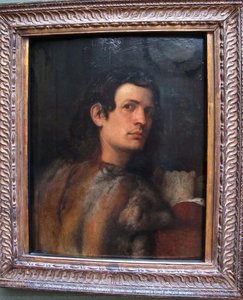
Boy with flute


 Περισσότερα λεπτομέρεια
Ανακαλύψτε τον Γιοργκόνε (1477/8-1510), έναν πρωτοποριακό ζωγράφο της Αναγέννησης στην Βενετία! Εξερευνήστε τις ποιητικές του δημιουργίες και την άψογη χρήση χρώματος και ατμόσφαιρας όπως η Κάθοδος του Ρωμηού & το Παστερικό Κορνέλο.
Χειροποίητη Αναπαραγωγή σε Έλαιο
Χειροποίητη ελαιογραφία σε καμβά στο δικό σας μέγεθος και πλαίσιο, κατά παραγγελία από τους καλλιτέχνες μας. ( Μετάβαση σε Εκτυπώσεις Μετάβαση σε Ψηφιακή Εικόνα)




P118B €10

P118H €10

P118W €10

P438Z €10

P508JH €12

P508YH €12

P805H €10

P805Z €10

P919BZ €10

P919G €10

P919XJ €10

P959ZH €10

P968JZ €12

W106C €8

W218G €10

W218JH €8

W218Y €10

W307PJ €10

W316G €10

W316PJ €8

W316Y €10

W398PJ €8

W4111J €10

W500HY €15

W500JH €15

W692G €12

W849H €8

W940BG €15

W953PJ €8




Πρότυπο
κατόπιν παραγγελίας
CM
INCH
Επιλέξτε από τις προκαθορισμένες διαστάσεις μας που διατηρούν τις αρχικές αναλογίες του έργου τέχνης.
Loading sizes...

πλάτος
ύψος
Πληκτρολογήστε το πλάτος και το ύψος που επιθυμείτε, ώστε να ταιριάζουν στο κάδሮ ή στον τοίχο σας. Ε เนื่องจาก πρόκειται για χειροποίητη ζωγραφική, σε περίπτωση διαστάσεων με διαφορετικό σχήμα, ο καλλιτέχνης μπορεί να ζωγραφίσει λίγο παραπάνω γύρω από το έργο ή να αφαιρέσει ένα μέρος — η επιλογή είναι δική σας. Σας στέλνουμε ένα ψηφιακό mockup για έγκριση πριν ξεκινήσει η δημιουργία του έργου. Η εικόνα που εμφανίζεται σε αυτή τη σελίδα δεν δείχνει το τελικό αποτέλεσμα — μόνο το mockup το αναδεικνύει.
Παραδείγματα αλλαγών: Αντικατάσταση προσώπου με φωτογραφία του πελάτη· Προσθήκη κατοικίδιου (π.χ., αντικατάσταση γάτας με σκύλο)· Ενσωμάτωση κρυφού μηνύματος στο φόντο· Αλλαγή τοπίου ή στοιχείων του φόντου.
Μετά την παραγγελία, η ομάδα του TopImpressionists.com θα στείλει email στον πελάτη με οδηγίες και θα παρέχει μια προεπισκόπηση προσχεδίου
Μετά την παραγγελία, η ομάδα του TopImpressionists.com θα στείλει email στον πελάτη με οδηγίες και θα παρέχει μια προεπισκόπηση προσχεδίου
Παγκόσμια Αποστολή () σε 3-4 εβδομάδες αντί για τις συνήθεις 5 εβδομάδες. (24 Οκτώβριος). Χωρίς συμβιβασμούς στην ποιότητα.

Δωρεάν γρήγορη διεθνής αποστολή

Κάμβας από Λινό Υψηλής Ποιότητας

Πλήρης ασφάλιση μεταφοράς

Εγγύηση επιστροφής δασμών και φόρων εισαγωγής

Εγγύηση Απόλυτης Ομοιότητας Χρωμάτων

Πολιτική Επιστροφής 100 Ημερών (Μόνο σε περίπτωση ελαττωμάτων)

Εγγύηση επιστροφής 100% των χρημάτων

Έκπτωση για πολλαπλές παραγγελίες
 Η επιλογή με γυαλί είναι διαθέσιμη μόνο για μεγέθη κάτω από 110 εκ.

Boy with flute
Τεχνική Αναπαραγωγής
Διαστάσεις Αναπαραγωγής
-


Συνολικό Κόστος
€ 236
A Venetian Reverie: Unveiling Giorgione’s ‘Boy with Flute’
Giorgione's “Boy with Flute,” painted around 1508, isn’t merely a portrait; it’s an invitation into a fleeting moment of serene beauty – a quintessential example of the Venetian Renaissance at its most evocative. The painting immediately captivates with its luminous palette and the palpable sense of stillness that permeates the scene. The young man, bathed in diffused light, appears lost in his own world as he plays a simple flute, an instrument often associated with pastoral tranquility and youthful innocence. This wasn’t simply a commission for a wealthy patron; it feels like a distillation of Venetian ideals – a celebration of beauty, harmony, and the subtle pleasures of life.
The Painter's Hand: Technique and Style
Giorgione’s style is notoriously difficult to pin down, contributing significantly to his enduring mystique. He operated outside the rigid confines of academic painting, favoring a more intuitive approach that prioritized atmosphere and color over precise detail. “Boy with Flute” exemplifies this perfectly. Notice how Giorgione employs *sfumato*, a technique perfected by Leonardo da Vinci, to soften edges and create an almost hazy effect. The light seems to emanate from within the figure itself, blurring the boundaries between subject and background. The brushstrokes are incredibly subtle, layered upon each other to build up depth and luminosity. He masterfully uses color – predominantly muted greens, blues, and ochres – to evoke a sense of twilight or early morning, lending the scene an ethereal quality. The composition is remarkably simple yet profoundly effective; the figure dominates the frame without feeling cramped, drawing the viewer into his contemplative state.
- Color Palette: Dominated by muted greens, blues, and ochres – creating a sense of twilight or early morning.
- Sfumato Technique: Employed to soften edges and create an atmospheric haze.
- Brushwork: Subtle and layered, contributing to the painting’s luminous quality.
A Fragment of Venice: Historical Context and Symbolism
Painted in the early 16th century, “Boy with Flute” reflects the flourishing artistic climate of Venice at the time – a city renowned for its wealth, trade, and patronage of the arts. Giorgione’s work aligns closely with the Venetian *Trecento* style, characterized by its emphasis on color, light, and classical themes. The flute itself carries symbolic weight; it represents youth, innocence, and connection to nature. The dark background, devoid of specific details, could be interpreted as a representation of the unknown or the realm of dreams – further enhancing the painting’s enigmatic quality. Some scholars suggest that the setting might allude to the Venetian countryside, a popular subject for Renaissance artists seeking inspiration beyond the city walls.
Emotional Resonance: A Portrait of Contemplation
Beyond its technical brilliance and historical context, “Boy with Flute” possesses a remarkable emotional resonance. The young man’s expression is one of quiet contemplation – he's not actively performing but lost in the act of playing. This invites us to consider our own relationship with music, nature, and the simple joys of life. The painting doesn’t demand an explanation; it simply *is*—a beautiful, self-contained moment captured on canvas. It speaks to a universal human desire for peace and connection, making it a timeless work that continues to captivate viewers centuries after its creation. A reproduction of this piece offers a window into the soul of Renaissance Venice, bringing a touch of serene beauty to any space.
Ερωτήσεις & Απαντήσεις
Πώς συνδέει το "Boy with flute" του Γιοργκόνε το High Renaissance με τη χώρα καταγωγής του καλλιτέχνη;
Το έργο "Boy with flute" δημιουργήθηκε από τον/την Γιοργκόνε, που γεννήθηκε στην/στη Ιταλία, στο πλαίσιο του movements High Renaissance. Η καταγωγή του/της καλλιτέχνη συνδέει το έργο με το High Renaissance, όπως αυτός/αυτή εφαρμόζεται από καλλιτέχνες της/του Ιταλία.
Ποια διάθεση και συναίσθημα συνυπάρχουν στο "Boy with flute";
Στο "Boy with flute", μια ατμόσφαιρα Romantic συνοδεύεται από ένα συναίσθημα Melancholic.
Με τι υλικά είναι φτιαγμένο το "Boy with flute" και σε ποιο στυλ;
Το έργο "Boy with flute" του Γιοργκόνε συνδυάζει την τεχνική του Acrylic On Canvas με το στυλ της High Renaissance. Η τεχνική και το καλλιτεχνικό κίνημα περιγράφουν τον τρόπο δημιουργίας και το ύφος του έργου.
Βιογραφικό Καλλιτέχνη
Ένα Βενεσιανό Αίνιγμα: Η Ζωή και η Κληρονομιά του Giorgione
Ο Giorgio Barbarelli da Castelfranco, γνωστός στον κόσμο ως Giorgione, παραμένει μία από τις πιο αινιγματικές και μαγευτικές μορφές της τέχνης της Αναγέννησης. Γεννημένος στην οζώδη πόλη του Castelfranco Veneto κοντά στη Βενετία γύρω στο 1477 ή 1478 – η ακριβής χρονολέγηση παραμένει αντικείμενο διαφωνιών – η τραγικά σύντομη ζωή του, που έληξε γύρω στο 1510 στην ηλικία των τριάντα δύο ή τριάντα τριών ετών, κρύβει μια καλλιτεχνική επίδραση που συνεχίζει να αντηχεί αιώνες μετά. Σε αντίθεση με πολλούς συνemporους του, των οποίων η ζωή είναι καλά τεκμηριωμένη, η ιστορία του Giorgione είναι τυλιγμένη στο μυστήριο, συναρμολογημένη από ελάχιστες ιστορικές καταγραφές και τις συχνά ρομαντισμένες περι𝒆γκες του Giorgio Vasari. Αυτό που γνωρίζουμε υποδηλώνει έναν άνθρωπο βαθιά βυθισμένο στον ζωντανό πολιτισμό της Βενετίας, μιας πόλης που προέβαλε τόσο την καλλιτεχνική καινοτομία όσο και μια αισθησιακή εκτίμηση για την ομορφιά. Πιθανότατα εκπαιδεύτηκε υπό τον Giovanni Bellini, έναν κορυφαίο Βενεσιανό ζωγράφο, απορροφώντας τις καθιερωμένες παραδόσεις πριν δημιουργήσει τη δική του μοναδική πορεία. Οι πρώτες του παραγγελίες περιλάμβαναν πορτρέτα σημαντικών προσώπων, όπως ο Δοξος Agostino Barbarigo, αναδεικνύοντας ένα άμεσο ταλέντο στην αποτύπωση της ομοιότητας και του κοινωνικού κύρους. Ωστόσο, ήταν η απόκλιση από την παραδοσιακή θεματολογία και η επαναστατική του προσέγγιση στη ζωγραφική που τον ξεχώρισαν πραγματικά.Ποιητικές Όραση: Ύφος και Καινοτομία
Το καλλιτεχνικό ύφος του Giorgione σηματοδότησε μια σημαντική απόσπαση από την επικρατούσα Φλωρεντσιανή έμφαση στην γραμμική προοπτική και την ακριβή σχεδίαση. Υπερασπίστηκε το χρώμα, την ατμόσφαιρα και μια καθηλωτική μελαγχολία που έγιναν χαρακτηριστικά της Βενεσιανής σχολής. Η τεχνική του περιλάμβανε την απαλότητα των περιγραμμάτων, τη χρήση λεπτών αποχρώσεων – το sfumato – για τη δημιουργία ατμοσφαιρικών εφέ, και την προτεραιότητα της συνολικής αρμονίας έναντι της λεπτομερειας. Αυτή η προσέγγιση δεν ήταν απλώς μια τεχνική επιλογή· αντικατόπτριζε μια θεμελιωδώς διαφορετική καλλιτεχνική αισθητική. Ο Giorgione δεν επιδίωκε να αναπαραστήσει την πραγματικότητα, αλλά να αγγίξει την ουσία της, τις φευγαλέες συναισθήματα και την ποιητική της απόηχηση. Οι πίνακές του συχνά παρουσιάζουν αινιγματικά θέματα και ασαφή αφηγήματα, προσκαλώντας τους θεατές σε έναν κόσμο στοχασμού αντί να προσφέρουν ξεκάθαρες ιστορίες. Η Καταιγίδα (The Tempest), ίσως το πιο διάσημο έργο του, το esemplिफाईεί αυτό απόλυτα. Η σκηνή – ένας στρατιώτης και μια θηλάζουσα μητέρα μέσα σε ένα καταιγιστικό τοπίο – έχει μπερδέψει τους ιστορικούς της τέχνης για αιώνες, με το νόημά της να παραμένει προκλητικά ανέγγιχτο. Παρόμοια, το Παστερικό Κορνέλο (Pastoral Concert) παρουσιάζει μια ειδυλλιακή συγκέντρωση μουσικών σε ένα pastoral περιβάλλον, που δεν υμνοπεύεται για κάποιο συγκεκριμένο αφηγηματικό στοιχείο, αλλά για την αρμονική σύνθεσή του και την λυρική του ποιότητα. Αυτά τα έργα δεν προοριζόταν να είναι γρίφοι προς επίλυση· είχαν ως σκοπό να προκαλέσουν συναισθήματα, διάθεση και μια αίσθηση θαυμασμού.Μαρασιτερά Έργα και Διαχρονική Επίδραση
Παρόλο που η παραγωγή του περιορίστηκε από τον πρόωρο θάνατό του, ο Giorgione άφησε πίσω του ένα μικρό αλλά βαθιά επιδραστικό καλλιτεχνικό έργο. Η Κοιμώμενη Αφροδίτη, η οποία πιθανότατα ολοκληρώθηκε με τη βοήθεια του Titian μετά τον θάνατο του Giorgione, είναι μια εμβληματική απεικόνιση της θεάς, αναδεικνύοντας την κυριαρχία του στο χρώμα και τη μορφή. Η αλακρίνιστη στάση και οι απαλοί τόνοι του δέρματος ενσαρκώνουν τη Βενεσιανή αγάπη για την αισθησιακότητα και την ομορφιά. Άλλα αξιοσημείωτα έργα περιλαμβάνουν την Ιουδίθ, ένα πρώιμο παράδειγμα του εξελισσόμενου ύφους του, και πορτρέτα που αποκαλύπτουν μια εξαιρετική ικανότητα στην αλλητενειακή απόδοση του χαρακτήρα και της ουσίας των υποκειμένων του. Η επιρροή του Giorgione εκτείνεται πολύ πέρα από τους ίδιους πίνακές του. Ήταν μέντορας του Titian, ο οποίος θα γίνει ένας από τους πιο διάσημους καλλιτέχνες της Υψηλής Αναγέννησης, διατηρώντας τις καινοτομίες του Giorgione στη χρήση του χρώματος και της ατμοσφαιρικής ζωγραφικής. Η έμφαση στο χρώμα και την ατμόσφαιρα επηρέασε βαθιά την ανάπτυξη της Βενεσιανής ζωγραφικής, διαφοροποιώντας την από την Φλωρεντσιανή παράδοση και καθιστώντας τη Βενετία ένα κομβικό κέντρο καλλιτεχνικής καινοτομίας.Μια Αιώνια Κληρονομιά: Η Ιστορική Σημασία του Giorgione
Παρά την σύντομη καριέρα του, ο Giorgione καταλαμβάνει μια κομβική θέση στην ιστορία της τέχνης. Δημιούργησε μια γέφυρα ανάμεσα στις προγενέστερες Βενεσιανές παραδόσεις και τις καινοτομίες του Titian και άλλων μεταγενέστερων δασκάλων, αλλοιώνοντας θεμελιωδώς την πορεία της ιταλικής ζωγραφικής. Η έμφασή του στο ποιητικό συναίσθημα, τα ατμοσφαιρικά εφέ και τα ασαφή αφηγήματα άνοιξε τον δρόμο για νέες καλλιτεχνικές εξερευνήσεις και ενέπνευσε γενιές καλλιτεχνών. Το ίδιο το μυστήριο που περιβάλλει τη ζωή και το έργο του έχει συμβάλει στη διαχρονική γοητεία και έλξη του. Παραμένει ένα σύμβολο καλλιτεχνικής ελευθερίας, καινοτομίας και της δύναμης της υπονοούμενης αίσθησης – ένας ζωγράφος που τόλμησε να δώσει προτεραιότητα στο συναίσθημα έναντι της μορφής, στην ατμόσφαιρα έναντι της ακρίβειας και στην ποίηση έναντι της αφήγησης.Βασικά Έργα του Giorgione
- Η Καταιγίδα (περ. 1506-1508)
- Παστερικό Κορνέλο (Fête champêtre) (περ. 1509)
- Κοιμώμενη Αφροδίτη (περ. 1510)
- Ιουδίθ (1504)
- Πορτρέτο Βενεσιανού Ευγενή

Γιοργκόνε
1477 - 1510 , Ιταλία
Στοιχεία καλλιτέχνη
- Artistic Movement Or Style: Υψηλός Αναγέννηση, Βενετσιάνικη σχολή ζωγραφικής
- Artists Or Movements Influenced By This Artist: ['Τίταν']
- Artists Who Influenced This Artist:
- Γιοβάννης Μπελίνι
- Μαντένεγκα
- Date Of Birth: 1477/78 ή 1473/74
- Date Of Death: 1510
- Full Name: Giorgio Barbarelli da Castelfranco
- Nationality: Ιταλία
- Notable Artworks:
- Η Κάθοδος του Ρωμηού
- Εαυτόπροσωπογραφία του Ζωρζιόνε
- Μανώλη της Καστελλφράγκου
- Place Of Birth: Καστελλφράγκου Βενετίας
Σχετικά άρθρα

The Golden Light of Innovation: Exploring the Venetian Renaissance Art Movement (1430–1580)
Explore the Golden Age of Venetian art (1430–1580). Discover Giorgione, Titian & Tintoretto's techniques, the 'colorito' revolution, and lasting influence. Expert insights for collectors & enthusiasts.

Giorgione: Enigma and Innovation in Early Venetian Renaissance Painting
Explore the enigmatic world of Giorgione, a pivotal figure in the Venetian Renaissance. Discover his innovative techniques, iconic paintings like 'The Tempest', and lasting influence on art history. Learn more at TopImpressionists.

Jacopo Tintoretto: Τα 25 Κορυφαία Έργα Τέχνης | TopImpressionists.gr
Ανακαλύψτε τα 25 κορυφαία έργα τέχνης του Jacopo Tintoretto! Εξερευνήστε τη βενετσιάνικη Αναγέννηση, την έντονη χρωματική παλέτα και τις ιστορικές αφηγήσεις. Υψηλής ποιότητας αναπαραγωγές πινάκων στο TopImpressionists.com.

Venetian Renaissance: The Golden Age of Color, Light, and Luminous Artistry
Embark on a journey through the Venetian Renaissance. Discover how masters like Giorgione and Titian revolutionized art through luminous color and light. Explore the profound legacy of the Venetian School and its enduring influence on the world of fine art.

Pietro Longhi's Venetian Scenes: A Study of Rococo Society & Domestic Life
Explore the captivating world of Pietro Longhi's Venetian scenes! Discover insightful analysis of his Rococo masterpieces & social commentary on 18th-century life. Learn about this 'Venetian Hogarth' and his lasting artistic legacy.
Εξερευνήστε έργα τέχνης ταξινομημένα ανά θέμα, στυλ και χαρακτηριστικά.