


 Προεπισκόπηση σε πραγματική κλίμακα
 Αποστολή
 Κοινοποίηση
 Λεπτομέρειες
 Οδηγός

 Λήψη
Λήψη
 Παρόμοια αντικείμενα συλλογής
 Ακτινογραφία
 Παρουσίαση
 Στατιστικά
not identified (17)

Henri Matisse (1869-1954) revolutionized modern art with his bold palette and expressive draughtsmanship, establishing Fauvism and influencing generations of artists. Known for masterpieces like ‘The Joy of Life,’ he championed decorative forms and simplified shapes, leaving an indelible mark on the artistic landscape.
 Περισσότερα
Ο Ανρί Ματίς (1869-1954): Ο πρωτοπόρος του φωβισμού, ένας ζωγράφος που έφερε το χρώμα στην πρώτη γραμμή! Δημιούργησε έργα γεμάτα πάθος και ομορφιά, επηρεάζοντας την σύγχρονη τέχνη.
Giclée / Εκτυπώσεις Τέχνης
Εκτύπωση giclée ή σε καμβά ποιότητας μουσείου με γρήγορη παραγωγή και ευέλικτες επιλογές φινιρίσματος. ( Αγορά χειροποίητου πίνακα Μετάβαση σε Ψηφιακή Αποτέλεσμα)




P118B €10

P118H €10

P118W €10

P438Z €10

P508JH €12

P508YH €12

P805H €10

P805Z €10

P919BZ €10

P919G €10

P919XJ €10

P959ZH €10

P968JZ €12

W106C €8

W218G €10

W218JH €8

W218Y €10

W307PJ €10

W316G €10

W316PJ €8

W316Y €10

W398PJ €8

W4111J €10

W500HY €15

W500JH €15

W692G €12

W849H €8

W940BG €15

W953PJ €8




Πρότυπο
κατόπιν παραγγελίας
CM
INCH
Επιλέξτε από τις προκαθορισμένες διαστάσεις μας που διατηρούν τις αρχικές αναλογίες του έργου τέχνης.
Loading sizes...

πλάτος
ύψος
Εισάγετε το πλάτος και το ύψος που επιθυμείτε, ώστε να ταιριάζουν στο κάδሮ ή στον τοίχο σας. Μια εκτύπωση μπορεί μόνο να υποστεί κοψίμό και ποτέ να μην γίνει μεγαλύτερη από την αρχική εικόνα, επομένως η επιλογή μεγέθους με διαφορετικό σχήμα συνεπάγεται απώλεια ενός μέρους της εικόνας. Σας στέλνουμε ένα ψηφιακό mockup για έγκριση πριν προχωρήσουμε σε οποιαδήποτε εκτύπωση. Η εικόνα που εμφανίζεται σε αυτή τη σελίδα δεν δείχνει την πραγματική κοπή — μόνο το mockup την παρουσιάζει.
Παγκόσμια Αποστολή () σε 2 εβδομάδες αντί για τις συνήθεις 4/5 εβδομάδες. (25 Οκτώβριος)

Δωρεάν γρήγορη διεθνής αποστολή

Κάμβας από Λινό Υψηλής Ποιότητας

Πλήρης ασφάλιση μεταφοράς

Εγγύηση επιστροφής δασμών και φόρων εισαγωγής

Εγγύηση Απόλυτης Ομοιότητας Χρωμάτων

Πολιτική Επιστροφής 100 Ημερών (Μόνο σε περίπτωση ελαττωμάτων)

Εγγύηση επιστροφής 100% των χρημάτων

Προσφορά για πολλαπλές παραγγελίες
 Η επιλογή με γυαλί είναι διαθέσιμη μόνο για μεγέθη κάτω από 110 εκ.

not identified (17)
Giclée / Εκτυπώσεις Τέχνης
Διαστάσεις Αναπαραγωγής
-


Τελική Τιμή
€ 61
A Window into Matisse’s Vision
Henri Matisse, born December 31st, 1869, in the unassuming French town of Le Cateau-Cambrésis, wasn't initially destined for a career bathed in vibrant hues. His early aspirations leaned towards law—a path meticulously charted by circumstance and ambition—until an unexpected illness forced him to reconsider his trajectory. This convalescence proved transformative; it ignited within him a passion for painting that would reshape his life’s artistic journey.
The Fauvist Breakthrough: Bold Color as Expression
Matisse's formative years in Bohain-en-Vermandois, surrounded by grain merchants and steeped in the traditions of rural France, belied the revolutionary spirit he was about to unleash. His enrollment at the Académie Julian followed by studies at École Nationale des Beaux-Arts cemented his grounding in artistic principles while simultaneously preparing him for a confrontation with prevailing aesthetic conventions. It was during this period that he encountered Maurice Denis and embraced the tenets of Fauvism—a movement characterized by its audacious use of color, divorced from naturalistic representation.
“Woman With A Hat”: Symbolism Within Simplification
"Woman With A Hat," painted in 1906, exemplifies Matisse’s masterful distillation of artistic ideas. The portrait captures a woman seated at a table, engrossed in reading amidst a carefully curated composition. Two books—one prominent in the center and another positioned to the right—suggest contemplation and intellectual engagement. However, it is the woman's hair adorned with flowers that commands immediate attention; these blossoms aren’t merely decorative elements but potent symbols of femininity, beauty, and renewal – mirroring Matisse’s broader exploration of themes related to nature and emotion.
Decorative Pattern and Artistic Intent
Matisse’s technique—characterized by flattened forms and simplified contours—served as a deliberate rejection of academic realism. He prioritized conveying feeling and atmosphere above meticulous detail, prioritizing color as the primary vehicle for artistic expression. The inclusion of potted plants in the background reinforces this aesthetic sensibility, grounding the portrait within a natural setting while simultaneously elevating it to the realm of decorative art.
Legacy: An Influence That Endures
Henri Matisse’s impact on 20th-century art is undeniable. His unwavering commitment to color and form established him as a pivotal figure in Modernism, influencing generations of artists who followed. Reproductions of “Woman With A Hat,” like this exquisite print offered by iArtPrints.com, allow viewers to experience the profound beauty and contemplative spirit of Matisse’s vision—a testament to his enduring legacy as one of the most influential painters of his time.
Ερωτήσεις και Απαντήσεις
Πόσο αρμονικά συνδυάζονται τα χρώματα του "not identified (17)";
Το έργο "not identified (17)" του Ημέριος Ματίς παρουσιάζει μια χρωματική αρμονία τύπου Discordant Palette.
Ποια χρώματα κυριαρχούν στο "not identified (17)" του Ημέριος Ματίς;
Το "not identified (17)" χαρακτηρίζεται από μια παλέτα με χρώματα Neutrals, στην οποία κυριαρχεί το Putty (#cdcbbd).
Πού μπορώ να αγοράσω ένα εκτύπωμα του "not identified (17)" του Ημέριος Ματίς;
Για να αποκτήσετε ένα εκτύπωμα του "not identified (17)" του Ημέριος Ματίς, αρκεί να το παραγγείλετε στη σελίδα Καλλιτεχνικό Έντυπο: ένα εκτύπωμα fine art σε βαμβακερό καμβά ή σε αρχειοθετητικό χαρτί καμβά.


Βιογραφικό Καλλιτέχνη
Μια Ζωή Βυθισμένη στο Χρώμα: Ο Κόσμος του Ανρί Ματίς
Ο Ανρί Εμίλ Μπενουά Ματίς, γεννημένος στις 31 Δεκεμβρίου 1869 στην μικρή πόλη του Λε Κατό-Καμπρεσί στη βόρεια Γαλλία, δεν προοριζόταν για μια ζωή αφιερωμένη στο χρώμα και τη μορφή. Αρχικά σπούδασε νομική στο Παρίσι μετά το σχολείο, αλλά η πορεία του άλλαξε δραματικά μετά από μια κρίση σκωληκοειδίτιδας το 1889. Περιορισμένος στην ανάρρωση, ανακάλυψε ένα λανθάνον πάθος που πυροδοτήθηκε από την απλή πράξη της ζωγραφικής με ένα σετ καλλιτεχνικών υλικών που του χάρισε η μητέρα του. Αυτό δεν ήταν απλώς μια διασπορά, αλλά μια αποκάλυψη—ένα σημείο καμπής που τον έστρεψε μακριά από νομικά κείμενα και προς έναν κόσμο όπου το χρώμα θα γινόταν η γλώσσα του και ο καμβάς ο χώρος του. Μεγαλώνοντας στο Μποέν-αν-Βερμαντουά, γιος εμπόρων δημητριακών, ο Ματίς αρχικά φαινόταν απίθανο να αγκαλιάσει την μποέμ ζωή ενός καλλιτέχνη, ωστόσο ο σπόρος είχε φυτευτεί, θρεφθεί από την ανάρρωση και ανθίζοντας σε μια διαρκή αφοσίωση. Εγγράφηκε στην Académie Julian και αργότερα στην École Nationale des Beaux-Arts, σπουδάζοντας υπό τον Γουίλιαμ-Αδόλφος Μπουγκρό και τον Γκυστάβ Μορώ αντίστοιχα, απορροφώντας κλασικές τεχνικές που θα χρησίμευαν ως θεμέλιο για τις μελλοντικές του καινοτομίες. Τα πρώτα έργα αντανακλούσαν αυτήν την ακαδημαϊκή εκπαίδευση, επιδεικνύοντας επάρκεια αλλά στερούμενα της ξεχωριστής φωνής που σύντομα θα τον καθόριζε.Η Αυγή του Φωβισμού και η Τολμηρή Πειραματισμός
Μια κομβική στιγμή έφτασε το 1896 κατά τη διάρκεια μιας επίσκεψης στην Μπελ Ιλ με τον Αυστραλό ζωγράφο Τζον Ράσελ. Αυτή η συνάντηση αποδείχθηκε μεταμορφωτική. Ο Ράσελ εισήγαγε τον Ματίς στον ζωντανό κόσμο του ιμπρεσιονισμού και, το πιο σημαντικό, στους φορτισμένους συναισθηματικά καμβάδες του Βίνσεντ βαν Γκογκ. Η επίδραση ήταν βαθιά. Η εκφραστική χρήση του χρώματος από τον βαν Γκογκ έσπασε την προηγουμένως συγκρατημένη παλέτα του Ματίς, ωθώντας τον προς μια πιο τολμηρή, υποκειμενική προσέγγιση. Άρχισε να απομακρύνεται από γήινους τόνους, αγκαλιάζοντας αποχρώσεις που αντήχησαν με τα συναισθήματα και όχι με την αυστηρή αναπαράσταση. Αυτή η εξερεύνηση κορυφώθηκε στην ανάδυση του Φωβισμού γύρω στο 1905—ένα κίνημα όπου ο Ματίς έγινε ηγετική μορφή. Το όνομα αυτό, που σημαίνει «άγρια θηρία», ήταν αρχικά περιφρονητικό, απονεμημένο από έναν κριτικό στα συγκλονιστικά ζωντανά και μη ρεαλιστικά έργα της ομάδας που εκτέθηκαν στο Salon d'Automne. Ο Ματίς, μαζί με καλλιτέχνες όπως ο Αντρέ Ντερέν και ο Μωρίς ντε Βλαμίνκ, υπερασπίστηκε την έντονη χρήση του χρώματος ως ένα ανεξάρτητο στοιχείο έκφρασης, απλοποιώντας τις μορφές για να ενισχύσει τον αντίκτυπό του. Έργα όπως Οι Κολοκύθες (1905) αποτελούν παράδειγμα αυτού του στυλ—μια πανδαισία κόκκινων, πράσινων και κίτρινων χρωμάτων που εφαρμόστηκαν με μια ελευθερία που αγνόησε την παραδοσιακή προοπτική και την μιμητική ακρίβεια. Τα βασικά χαρακτηριστικά περιελάμβαναν έντονες κορεσμένες παλέτες, απλοποιημένα σχήματα, εκφραστικές πινελιές και μια συνειδητή απόρριψη της συμβατικής αναπαράστασης υπέρ του συναισθηματικού αντίκτυπου.Ραφινάρισμα και Διακοσμητική Αρμονία
Μετά τον αρχικό ενθουσιασμό του Φωβισμού, το στυλ του Ματίς υπέστη μια λεπτή αλλά σημαντική εξέλιξη. Ενώ ποτέ δεν εγκατέλειψε την αγάπη του για το χρώμα, η δουλειά του έγινε πιο εκλεπτυσμένη, τείνοντας προς μια διακοσμητική αισθητική που έδινε έμφαση σε επίπεδες μορφές και περίπλοκα σχέδια. Εξερεύνησε θέματα αναψυχής, οικειότητας και της ανθρώπινης φιγούρας σε ήρεμα περιβάλλοντα, δημιουργώντας συνθέσεις που ήταν ταυτόχρονα αρμονικές και συναισθηματικά ηχηρές. Μια μετακόμιση στη Νίκαια στην Γαλλική Ριβιέρα το 1917 επηρέασε περαιτέρω αυτήν την αλλαγή, εμποδίζοντας τη δουλειά του με μια αίσθηση γαλήνης και κλασικής ισορροπίας. Άρχισε να επικεντρώνεται στη δημιουργία περιβαλλόντων—πίνακες, γλυπτά και διακοσμητικά αντικείμενα—που περικύκλωναν τον θεατή σε μια ατμόσφαιρα ομορφιάς και ηρεμίας. Αυτή η περίοδος τον είδε να πειραματίζεται με διαφορετικά μέσα, συμπεριλαμβανομένης της κεραμικής και των υφασμάτων, επεκτείνοντας το καλλιτεχνικό του όραμα πέρα από τον παραδοσιακό καμβά. Δεν απεικόνιζε απλώς σκηνές· κατασκεύαζε κόσμους σχεδιασμένους να προκαλέσουν μια συγκεκριμένη συναισθηματική απόκριση.Ύστερα Χρόνια: Καινοτομία Μέσω Περιορισμού
Καθώς η φθίνουσα υγεία περιόρισε την ικανότητα του Ματίς να ζωγραφίζει με τον συμβατικό τρόπο, ξεκίνησε ένα εξαιρετικό νέο κεφάλαιο στο καλλιτεχνικό του ταξίδι—τη δημιουργία κολλαζιών από χαρτί ή *ντεκουπάζ*. Ξεκινώντας γύρω στο 1947, αυτά τα έργα γεννήθηκαν από ανάγκη. Περιορισμένος σε αναπηρικό καρέκλα, δεν μπορούσε να σταθεί και να ζωγραφίσει σωματικά, αλλά εξακολουθούσε να μπορεί να χειρίζεται χαρτί με ψαλίδι. Αυτό που ξεκίνησε ως μια πρακτική λύση εξελίχθηκε σε μια πρωτοποριακή καλλιτεχνική τεχνική. Θα ζωγράφιζε μεγάλα φύλλα χαρτιού σε ζωντανά χρώματα, στη συνέχεια θα τα έκοβε σε σχήματα—οργανικές μορφές, φύλλα, φιγούρες—και θα τα διευθετούσε στον καμβά, δημιουργώντας συνθέσεις που ήταν ταυτόχρονα δυναμικές και παραπλανητικά απλές. Αυτά τα *ντεκουπάζ* δεν ήταν απλώς υποκατάστατα της ζωγραφικής· αντιπροσώπευαν έναν νέο τρόπο σκέψης για το χρώμα, τη μορφή και τη σύνθεση. Συνέχισαν την διαρκή εξερεύνησή του σε αυτά τα στοιχεία, επιδεικνύοντας ένα ανθεκτικό καλλιτεχνικό
Ημέριος Ματίς
1869 - 1954 , Γαλλία
Γρήγορα στοιχεία
- Εθνικότητα: Γάλλος
- Ημερομηνία Γέννησης: 31 Δεκεμβρίου 1869
- Ημερομηνία Θανάτου: 3 Νοεμβρίου 1954
- Καλλιτέχνες Που Τον Επηρέασαν:
- Van Gogh
- Chardin
- Russell
- Καλλιτεχνικό Κίνημα/Στυλ: Φωβισμός
- Κινήματα/Καλλιτέχνες Επηρεασμένοι:
- Μοντερνισμός
- Εκφρασισμός
- Πλήρες Όνομα: Henri Émile Benoît Matisse
- Σημαντικά Έργα Τέχνης:
- The Gourds
- La Danse
- Τόπος Γέννησης: Le Cateau-Cambrésis, Γαλλία
Σχετικά άρθρα

Ενρί Ματίς: Τα 25 Κορυφαία Έργα Τέχνης για Διακόσμηση και Έμπνευση | TopImpressionists.gr
Ανακαλύψτε τα 25 εμβληματικότερα έργα τέχνης του Ενρί Ματίς! Μάθετε για το Fauvism, την τεχνική και τα χρώματα που έκαναν τον καλλιτέχνη θρύλο. Υψηλής ποιότητας αναπαραγωγές πινάκων & ιδέες διακόσμησης στο TopImpressionists.com.
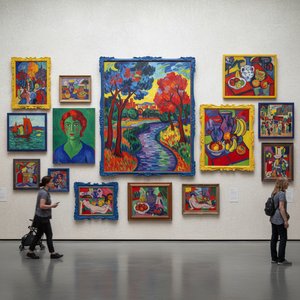
Οι 10 Κορυφαίοι Δάσκαλοι του Φωβισμού: Έργα που Άλλαξαν την Τέχνη | TopImpressionists.gr
Ανακαλύψτε τα 10 εμβληματικά έργα που καθόρισαν τον Φωβισμό! Matisse, Derain & άλλοι ζωγράφοι. Ιστορία, τεχνική και έντονα χρώματα. Βρείτε αναπαραγωγές υψηλής ποιότητας για την διακόσμηση του σπιτιού σας στην TopImpressionists.com.

Fauvism Unveiled: The Wild Revolution of Color and Emotion in Modern Art
Explore the vibrant revolution of Fauvism. Discover how masters like Henri Matisse liberated color from reality to express pure emotion. An expert guide into the 'Wild Beasts' of modern art history for collectors and enthusiasts.

Τα 10 Κορυφαία Έργα Τέχνης που Εξερευνούν το Χρώμα | TopImpressionists.gr
Ανακαλύψτε τα 10 κορυφαία έργα τέχνης που ορίζουν το χρώμα! Ιμπρεσιονισμός, Βαν Γκογκ, Μονέ & άλλοι μεγάλοι καλλιτέχνες. Ιστορία, τεχνική και έμπνευση για τη διακόσμησή σας. Εξερευνήστε την πλήρη συλλογή στο TopImpressionists.gr

Τα 10 Κορυφαία Έργα που Όρισαν τον Φωβισμό: Ζωγραφική, Χρώμα & Διακόσμηση
Ανακαλύψτε τα 10 κορυφαία έργα που καθόρισαν τον Φωβισμό! Matisse, Derain & άλλοι καλλιτέχνες. Ιστορία, χρώματα και τεχνικές σε πίνακες ζωγραφικής. Βρείτε την τέλεια αναπαραγωγή για το σπίτι σας στην TopImpressionists.com.
Εξερευνήστε έργα τέχνης ταξινομημένα ανά θέμα, στυλ και χαρακτηριστικά.


