Προεπισκόπηση σε πραγματική κλίμακα
 Αποστολή
 Κοινοποίηση
 Λεπτομέρειες
 Οδηγός

 Λήψη
Λήψη
 Παρόμοια αντικείμενα συλλογής
 Ακτινογραφία
 Παρουσίαση
 Ερωτήσεις & Απαντήσεις
 Στατιστικά
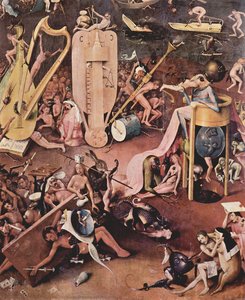
Paradise and Hell

- 135.0 x 45.0 cm


 Περισσότερα
Ο Γιερονίμους Μπος είναι ένας μυστηριώδης Ολλανδός ζωγράφος της Αναγέννησης, γνωστός για τις σουρεαλιστικές και συμβολικές του απεικονίσεις, ιδιαίτερα στον Κήπο των Εδεών. Ένα αριστούργημα τέχνης.
Giclée / Εκτυπώσεις Τέχνης
Εκτύπωση giclée ή σε καμβά ποιότητας μουσείου με γρήγορη παραγωγή και ευέλικτες επιλογές φινιρίσματος. ( Αγορά χειροποίητου πίνακα Μετάβαση σε Ψηφιακή Αποτέλεσμα)




P118B €10

P118H €10

P118W €10

P438Z €10

P508JH €12

P508YH €12

P805H €10

P805Z €10

P919BZ €10

P919G €10

P919XJ €10

P959ZH €10

P968JZ €12

W106C €8

W218G €10

W218JH €8

W218Y €10

W307PJ €10

W316G €10

W316PJ €8

W316Y €10

W398PJ €8

W4111J €10

W500HY €15

W500JH €15

W692G €12

W849H €8

W940BG €15

W953PJ €8




Πρότυπο
κατόπιν παραγγελίας
CM
INCH
Επιλέξτε από τις προκαθορισμένες διαστάσεις μας που διατηρούν τις αρχικές αναλογίες του έργου τέχνης.
Loading sizes...

πλάτος
ύψος
Εισάγετε το πλάτος και το ύψος που επιθυμείτε, ώστε να ταιριάζουν στο κάδሮ ή στον τοίχο σας. Μια εκτύπωση μπορεί μόνο να υποστεί κοψίμό και ποτέ να μην γίνει μεγαλύτερη από την αρχική εικόνα, επομένως η επιλογή μεγέθους με διαφορετικό σχήμα συνεπάγεται απώλεια ενός μέρους της εικόνας. Σας στέλνουμε ένα ψηφιακό mockup για έγκριση πριν προχωρήσουμε σε οποιαδήποτε εκτύπωση. Η εικόνα που εμφανίζεται σε αυτή τη σελίδα δεν δείχνει την πραγματική κοπή — μόνο το mockup την παρουσιάζει.
Παγκόσμια Αποστολή () σε 2 εβδομάδες αντί για τις συνήθεις 4/5 εβδομάδες. (11 Νοέμβριος)

Δωρεάν γρήγορη διεθνής αποστολή

Κάμβας από Λινό Υψηλής Ποιότητας

Πλήρης ασφάλιση μεταφοράς

Εγγύηση επιστροφής δασμών και φόρων εισαγωγής

Εγγύηση Απόλυτης Ομοιότητας Χρωμάτων

Πολιτική Επιστροφής 100 Ημερών (Μόνο σε περίπτωση ελαττωμάτων)

Εγγύηση επιστροφής 100% των χρημάτων

Προσφορά για πολλαπλές παραγγελίες
 Η επιλογή με γυαλί είναι διαθέσιμη μόνο για μεγέθη κάτω από 110 εκ.

Paradise and Hell
Giclée / Εκτυπώσεις Τέχνης
Διαστάσεις Αναπαραγωγής
-


Τελική Τιμή
€ 63
Paradise and Hell: A Descent into Symbolic Horror
Hieronymus Bosch’s “Paradise and Hell,” completed around 1510, stands as one of the most unsettling and enduring visions of the afterlife produced during the Renaissance. This monumental double-sided altarpiece transcends mere depiction; it plunges viewers into a meticulously crafted psychological landscape brimming with biblical allegory and disturbing imagery—a testament to Bosch’s unparalleled ability to capture both divine grace and demonic torment.
- The Left Side: Edenic Tranquility The left panel presents an idyllic garden scene, mirroring the biblical Genesis narrative. Lush greenery dominates the composition, populated by stylized trees bearing fruit – a deliberate reference to the Tree of Knowledge of Good and Evil. Figures representing Adam and Eve are positioned centrally, bathed in soft light, embodying innocence and harmony. Birds flutter amongst blossoms, symbolizing spiritual freedom and divine blessing. Bosch’s meticulous attention to detail—the delicate rendering of petals and leaves—contrasts sharply with the impending doom represented on the opposite side.
- The Right Side: Inferno's Fury In stark contrast, the right panel depicts Hell as a terrifying panorama of torment. Flames engulf the landscape, consuming grotesque creatures and tormented souls. Twisted figures writhe in agony, trapped within inescapable circles of fire and despair. Bosch employs a masterful technique—primarily oil on oak wood—to convey an overwhelming sense of claustrophobia and horror. The use of vibrant reds and yellows underscores the intensity of the infernal fires, while dark blues and blacks create a suffocating atmosphere.
Historical Context & Artistic Innovation Bosch’s work emerged during a period marked by religious anxieties and intellectual ferment—the Reformation was gaining momentum across Europe. He drew heavily upon medieval folklore and Christian symbolism, blending fantastical elements with moral didacticism. Unlike many of his contemporaries who adhered to idealized representations of biblical scenes, Bosch deliberately distorted reality to express profound psychological truths about human nature. His approach foreshadowed the darker currents of Expressionist art centuries later.
Symbolism & Emotional Impact The symbolism embedded within “Paradise and Hell” is extraordinarily complex. Recurring motifs—such as demons, hybrids (creatures combining animal and human features), and grotesque distortions—represent temptations and sins that threaten to corrupt the soul. Bosch’s aim wasn't merely to frighten viewers but to provoke introspection about morality and salvation. The painting’s enduring power lies in its ability to evoke visceral emotions – fear, pity, awe – forcing us to confront our own mortality and grapple with fundamental questions about faith and damnation.
Further Exploration For a deeper understanding of Bosch's artistic legacy, consider visiting Palazzo Ducale di Venezia (Palazzo Ducale) where you can admire masterpieces by Titian and Veronese – artists influenced by Bosch’s visionary style. Alternatively, delve into “Hieronymus Bosch: Decoding the Visions of a Netherlandish Master” (Hieronymus Bosch) for an insightful analysis of his artistic innovations and enduring influence. You can also explore “Mystical Masterpieces: 10 Artworks That Transcends Reality |” (Mystical Masterpieces) to discover similar artistic expressions of spiritual contemplation.
Ερωτήσεις και Απαντήσεις
Μπορώ να δω το έργο "Paradise and Hell" του Ιερώνυμος Μπος στον δικό μου τοίχο πριν από την αγορά;
Το έργο "Paradise and Hell" διαθέτει προεπισκόπηση με τεχνητή πραγματικότητα: η σελίδα Προεπισκόπηση σε AR σας επιτρέπει να το δείτε στον δικό σας χώρο μέσω μιας συμβατής συσκευής.
Ποιο συναισθηματικό ύφος αποπνέει το στυλ της καλλιτεχνικής καμπάνιας Early Netherlandish Painting του έργου "Paradise and Hell";
Το "Paradise and Hell" αποπνέει ένα Mysterious συναισθηματικό ύφος μέσα στο πλαίσιο του руху Early Netherlandish Painting.
Πώς το "Paradise and Hell" εξισορροπεί το φως και το σκοτάδι;
Το έργο "Paradise and Hell" έχει συνολική φωτεινότητα shadow, ενώ η φωτεινότητά του (luminance) είναι Soft Shadow.
Σχετικά άρθρα

25 Must-See Masterpieces at the Museo del Prado: A Journey Through Spanish Art History
Embark on a visual journey through the Museo del Prado. From Velázquez to Goya, explore 25 timeless masterpieces of Spanish Baroque and Renaissance art. Find inspiration for your collection with museum-quality reproductions. Discover all masterpieces on TopImpressionists.com.

25 Must-See Masterpieces at Staatliche Museen Berlin: A Journey Through Art History
Embark on a journey through Berlin's Staatliche Museen. From Nefertiti to ancient Greek masterpieces, explore the stories behind 25 iconic works. Find inspiration for museum-quality art reproductions and curated decor. Discover all masterpieces on TopImpressionists.com.

Masterpieces of Madness: The Top 25 Most Iconic Artworks by Hieronymus Bosch
Step into the surreal world of Hieronymus Bosch. Explore 25 iconic Northern Renaissance masterpieces, from symbolic demons to divine landscapes. Find inspiration and museum-quality art reproductions for your collection. Discover all masterpieces on TopImpressionists.com.
Εξερευνήστε έργα τέχνης ταξινομημένα ανά θέμα, στυλ και χαρακτηριστικά.