


 Προεπισκόπηση
 Αποστολή
 Κοινοποίηση
 Λεπτομέρειες
 Οδηγός

 Λήψη
Λήψη
 Παρόμοια αντικείμενα συλλογής
 Ακτινογραφία
 Παρουσίαση
 Στατιστικά
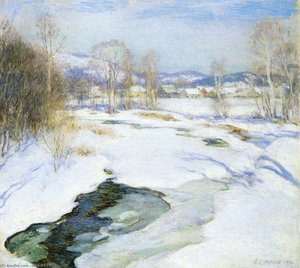
Spring Flow
 Post-Impressionism
 1904
1904 70.0 x 89.0 cm
Ο Ιωάννης Γκράμπαρ (1871-1960) ήταν ένας σημαντικός Ρώσος μετα-ιμπρεσιονίστας ζωγράφος και ιστορικός τέχνης, γνωστός για τα έργα του με χιονόπτωση, την τεχνική της διαίρεσης και τον ρόλο του στη σύγχρονη Tretyakov Gallery.
 Περισσότερα λεπτομέρεια
Αγοράστε μια ψηφιακή εικόνα υψηλής ανάλυσης και βελτιωμένης ποιότητας, πολύ ανώτερης από την προεπισκόπηση στο διαδίκτυο.
Κάθε αρχείο προετοιμάζεται σχολαστικά από τους εξειδικευμένους συνεργάτες μας, με τη χρήση προηγμένων εργαλείων και χειροκίνητου ρετουσαρίσματος υψηλής ακρίβειας. Εξασφαλίζουμε ότι κάθε εικόνα προσφέρει εξαιρετική ευκρίνεια, απόλυτη πιστότητα στο χρώμα και λεπτομερή ανάδραση των λεπτομερειών.
Το τελικό αρχείο παραδίδεται μέσω email εντός 72 ωρών, βελτιστοποιημένο για άμεση χρήση σε επαγγελματικά, εκδοτικά και έντυπα περιβάλλοντα. Πρόκειται για την ίδια ποιότητα που εμπιστεύονται κορυφαία studios σχεδιασμού, εκδότες και γκαλερί.
Ψηφιακή εικόνα
Κατεβάστε ένα αρχείο υψηλής ανάλυσης για προσωπική χρήση, εκτύπωση και δημιουργικά έργα. ( Μετάβαση σε Εκτυπώσεις Αγορά χειροποίητου πίνακα)
Περιλαμβάνεται σε κάθε αγορά ψηφιακής εικόνας
Επαγγελματική Ψηφιακή Παράδοση με Εγγύηση
Όταν επιλέγετε το TopImpressionists.com, δεν αποκτάτε απλώς μια εικόνα – λαμβάνετε ένα επαγγελματικά αναβαθμισμένο ψηφιακό έργο τέχνης, δημιουργημένο με ακρίβεια και με εγγύηση ικανοποίησης. Δείτε όλα όσα περιλαμβάνονται στην παραγγελία σας, αυτόματα:

Άμεση αποστολή μέσω email
Το ψηφιακό σας αρχείο εικόνας υψηλής ανάλυσης θα σας σταλεί μέσω email εντός 72 ωρών από την παραγγελία σας — έτοιμο για άμεση χρήση.

Ψηφιακό Αρχείο με Τεχνητή Νοημοσύνη
Το έργο σας βελτιστοποιείται επαγγελματικά με τη χρήση προηγμένων εργαλείων Τεχνητής Νοημοσύνης και χειροκίνητης επεξεργασίας, εξασφαλίζοντας μέγιστη λεπτομέρεια, ευκρίνεια και ακρίβεια χρωμάτων.

Δωρεάν επανεκδόσεις مدى ζωής
Απώλησες ή διαγράψατε κατά λάθος το αρχείο σας; Μην ανησυχείτε — θα σας το ξαναστείλομε οποιαδήποτε στιγμή, δωρεάν.

Χωρίς Τελωνειακούς Φόρους - Ποτέ
Απολαύστε αμέσως τα έργα τέχνης σας χωρίς δασμούς, φόρους ή έξοδα αποστολής - οι ψηφιακές λήψεις είναι πάντα αφορεশিপτεία.

Εγγύηση Ακριβούς Χρωματισμού
Εξασφαλίζουμε ότι η ψηφιακή σας εικόνα αποτυπώνει τα αυθεντικά χρώματα όσο το δυνατόν πιστότερα, χρησιμοποιώντας επαγγελματικά εργαλεία και διαχείριση χρωμάτων.

Εγγύηση Ικανοποίησης 100 Ημερών
Εάν δεν είστε ικανοποιημένοι με την ψηφιακή σας εικόνα, θα την τροποποιήσουμε ή θα σας επιστρέψουμε το 100% εντός 100 ημερών - χωρίς κανένα ερώτημα.

100% Εγγύηση Επιστροφής Χρήματος
Δεν είστε ικανοποιημένοι; Λάβετε πλήρη επιστροφή των χρημάτων σας εντός 100 ημερών από τη λήψη του ψηφιακού σας αρχείου — χωρίς κανένα ερώτημα.

Εκπτώσεις σε μαζικές παραγγελίες
Αγοράστε 3 εικόνες, κάντε εξοικονόμηση 10% - Αγοράστε 5, κάντε εξοικονόμηση 15% - Αγοράστε 10+, κάντε εξοικονόμηση 20%. Ιδανικό για δημιουργικά έργα, γκαλερί και agencies.
Παρόμοια Έργα Τέχνης



Βιογραφικό Καλλιτέχνη
Early Life and Education
Igor Emmanuilovich Grabar (Russian: Игорь Эммануи́лович Грабарь, 25 March 1871 – 16 May 1960) was a Russian Post-Impressionist painter, publisher, restorer and historian of art. Grabar, descendant of a wealthy Rusyn family, was trained as a painter by Ilya Repin in Saint Petersburg and by Anton Àžbe in Munich. He reached his peak in painting between 1903–1907 and was notable for a peculiar technique bordering on pointillism and his rendition of snow. His early life unfolded amidst the turbulent currents of Austro-Hungarian rule, shaping his worldview and fueling his artistic ambition. Born in Budapest (then part of Austria-Hungary), Grabar’s family possessed deep roots in Rusyn culture—a tradition marked by fervent devotion to Russian Orthodox faith and a palpable yearning for connection with Moscow. His father, Emmanuil Hrabar, was an ethnic Rusyn lawyer and politician who maintained close ties with the Russian embassy, instilling in Igor a profound appreciation for Russian heritage. From a young age, Grabar demonstrated exceptional artistic talent, sketching diligently and immersing himself in the vibrant visual culture of his surroundings—a formative experience that would profoundly influence his future endeavors. He pursued his education rigorously at Yegoryevsk Gymnasium, honing his analytical skills alongside his burgeoning artistic sensibilities. The influx of Russian magazines following the assassination of Tsar Alexander II ignited Grabar’s passion for illustration and encouraged him to explore innovative visual approaches. Recognizing his innate aptitude for art, he enrolled in Mikhail Katkov's boarding school in Moscow, establishing connections with fellow students who shared a fervent enthusiasm for painting and sculpture.Artistic Career and Notable Works
Grabar’s artistic journey commenced under the tutelage of Ilya Repin—a titan of Russian realism—who instilled in him a steadfast commitment to portraying life authentically and conveying profound emotional resonance. Simultaneously, Anton Àžbe imparted invaluable lessons in Munich's avant-garde milieu, exposing Grabar to the burgeoning stylistic currents of Jugendstil and fostering his experimentation with new artistic mediums. During this period, Grabar’s distinctive style crystallized—characterized by a masterful blend of divisionist technique and pointillistic precision—a method perfectly suited for capturing the ethereal beauty of snow landscapes. His oeuvre encompasses a remarkable array of canvases that exemplify both stylistic innovation and unwavering dedication to artistic excellence. Among his most celebrated works are:- Landscape with a Haystack: This evocative depiction captures the serene majesty of rural Russia, showcasing Grabar’s unparalleled ability to translate visual impressions into emotionally charged compositions.
- The Embroideress: A poignant portrait rendered in meticulous realism, “The Embroideress” delves into the complexities of human experience—illuminating themes of labor, dignity, and artistic contemplation.
- Going to Work: Grabar’s masterful portrayal of daily life embodies the spirit of Russian Impressionism—capturing fleeting moments of urban existence with remarkable sensitivity and nuance.
Museum and Art Restoration
In 1913, Igor Grabar ascended to a pivotal role within the cultural landscape of Russia—appointed executive director of the Tretyakov Gallery in Moscow. This appointment marked a watershed moment, propelling him into the vanguard of artistic reform and ushering in an era of unprecedented intellectual engagement. Recognizing the imperative for broadening the gallery’s horizons beyond traditional Russian art, Grabar championed the inclusion of modern European masterpieces—a bold initiative that fundamentally reshaped the Tretyakov's identity and solidified its position as a beacon of artistic innovation. Furthermore, he spearheaded the publication of the gallery’s inaugural comprehensive catalogue in 1917—a monumental undertaking that meticulously documented the collection’s holdings and disseminated knowledge about art history to an eager public. As a professor of art restoration at Moscow State University (1921), Grabar championed the preservation of Russia's artistic heritage—establishing workshops dedicated to safeguarding invaluable artworks from decay and neglect.Legacy and Later Life
Throughout his illustrious career, Grabar remained steadfast in his commitment to advancing Russian art scholarship—producing seminal treatises on painters such as Repin, Àžbe, Petrov-Vodkin and Kandinsky. His magnum opus, *History of Russian Art* (1910–15), stands as a testament to his erudition and artistic vision—establishing itself as the definitive reference work for understanding Russian art history. During World War II, Grabar actively participated in repatriating looted artworks from Germany—demonstrating unwavering devotion to safeguarding cultural treasures amidst turbulent geopolitical circumstances. Following the war, he served as advisor to Joseph Stalin on architectural preservation—influencing policy decisions that ensured the enduring beauty of Russia’s historic monuments. Igor Emmanuilovich Grabar passed away peacefully in Moscow on May 16, 1960, leaving behind an indelible mark on Russian art and culture—a legacy celebrated by generations of artists and scholars alike.
igor emmanuilovich grabar
1871 - 1960 , Ουγγαρία
Συνοπτικά στοιχεία
- Artistic Movement Or Style: Ποστ-ιμπρεσιανισμός
- Artists Who Influenced This Artist:
- Ιλία Ρεπιν
- Άντον Αζμπέ
- Date Of Birth: Μάρκος 25, 1871
- Date Of Death: Μάιος 16, 1960
- Full Name: Igor Emmanuilovich Grabar
- Nationality: Ρώσος
- Notable Artworks:
- Το Πεδίο με Συκαροδέντρα
- Η Επιδερμίστρια
- Πηγαίνοντας στην Εργασία
- Place Of Birth: Βουδαπέστης, Ουγγαρία