

 Προεπισκόπηση σε πραγματική κλίμακα
 Αποστολή
 Κοινοποίηση
 Λεπτομέρειες
 Οδηγός

 Λήψη
Λήψη
 Παρόμοια αντικείμενα συλλογής
 Ακτινογραφία
 Παρουσίαση
 Ερωτήσεις & Απαντήσεις
 Στατιστικά
Quiet cloister


Experience tranquility with Levitan's "Quiet Cloister." This serene landscape captures a peaceful church scene, inviting reflection and showcasing the artist’s mastery of mood.
 Περισσότερα
Ο Isaac Levitan (1860-1900) ήταν ένας πρωτοποριακός Ρώσος ζωγράφος τοπίου, γνωστός για τις συναισθηματικές του απεικονίσεις της ρωσικής φύσης και την ατμοσφαιρική του τέχνη.
Giclée / Εκτυπώσεις Τέχνης
Εκτύπωση giclée ή σε καμβά ποιότητας μουσείου με γρήγορη παραγωγή και ευέλικτες επιλογές φινιρίσματος. ( Αγορά χειροποίητου πίνακα Μετάβαση σε Ψηφιακή Αποτέλεσμα)




































Πρότυπο
κατόπιν παραγγελίας
CM
INCH
Επιλέξτε από τις προκαθορισμένες διαστάσεις μας που διατηρούν τις αρχικές αναλογίες του έργου τέχνης.
Loading sizes...

πλάτος
ύψος
Εισάγετε το πλάτος και το ύψος που επιθυμείτε, ώστε να ταιριάζουν στο κάδሮ ή στον τοίχο σας. Μια εκτύπωση μπορεί μόνο να υποστεί κοψίμό και ποτέ να μην γίνει μεγαλύτερη από την αρχική εικόνα, επομένως η επιλογή μεγέθους με διαφορετικό σχήμα συνεπάγεται απώλεια ενός μέρους της εικόνας. Σας στέλνουμε ένα ψηφιακό mockup για έγκριση πριν προχωρήσουμε σε οποιαδήποτε εκτύπωση. Η εικόνα που εμφανίζεται σε αυτή τη σελίδα δεν δείχνει την πραγματική κοπή — μόνο το mockup την παρουσιάζει.
Παγκόσμια Αποστολή () σε 2 εβδομάδες αντί για τις συνήθεις 4/5 εβδομάδες. (4 Νοέμβριος)

Δωρεάν γρήγορη διεθνής αποστολή

Κάμβας από Λινό Υψηλής Ποιότητας

Πλήρης ασφάλιση μεταφοράς

Εγγύηση επιστροφής δασμών και φόρων εισαγωγής

Εγγύηση Απόλυτης Ομοιότητας Χρωμάτων

Πολιτική Επιστροφής 100 Ημερών (Μόνο σε περίπτωση ελαττωμάτων)

Εγγύηση επιστροφής 100% των χρημάτων

Προσφορά για πολλαπλές παραγγελίες
 Η επιλογή με γυαλί είναι διαθέσιμη μόνο για μεγέθη κάτω από 110 εκ.

Quiet cloister
Giclée / Εκτυπώσεις Τέχνης
Διαστάσεις Αναπαραγωγής
-


Τελική Τιμή
€ 62
A Serene Vision of Rural Russia: "Quiet Cloister" by Isaak Levitan
Isaak Ilyich Levitan’s “Quiet Cloister,” painted around 1890, offers a captivating glimpse into the soul of rural Russia. This evocative landscape transcends mere representation; it's an emotional portrait of tranquility and reflection, capturing a moment suspended in time. The painting depicts a picturesque scene featuring a church with a prominent steeple rising above the surrounding countryside. A bridge gracefully arches over what appears to be a river or lake, leading the eye towards the central focal point – the church itself. Scattered figures enjoying the peaceful setting add a touch of human presence without disrupting the overall sense of serenity.
Style and Technique: The Birth of Mood Landscape
Levitan was a pioneer in what became known as the "mood landscape," moving away from purely topographical depictions to focus on conveying atmosphere and emotional resonance. His style, influenced by masters like Alexei Savrasov, is characterized by its subtle color palette, soft brushstrokes, and masterful use of light and shadow. “Quiet Cloister” exemplifies this approach; the muted tones of green, blue, and grey create a sense of calm and introspection. Notice how Levitan doesn't meticulously detail every element but instead uses suggestion and implication to evoke a feeling of spaciousness and quietude. The atmospheric perspective – where distant objects appear paler and less distinct – further enhances the painting’s depth and contributes to its dreamlike quality.
Historical Context: A Nation in Transition
Painted during a period of significant social and political change in Russia, “Quiet Cloister” can be interpreted as a nostalgic yearning for a simpler, more traditional way of life. The late 19th century saw rapid industrialization and urbanization transforming Russian society. Levitan’s landscapes often served as a counterpoint to this modernity, celebrating the enduring beauty and spiritual significance of the Russian countryside. The church in the painting symbolizes faith and tradition, standing steadfast against the backdrop of an evolving nation. It reflects a broader cultural sentiment – a desire to preserve Russia's unique identity amidst external pressures.
Symbolism and Emotional Impact
Beyond its aesthetic appeal, “Quiet Cloister” is rich in symbolic meaning. The bridge can be interpreted as a link between the earthly realm and the spiritual, while the church represents hope and solace. The figures enjoying the view suggest a connection to nature and a moment of respite from daily life. Levitan’s genius lies in his ability to evoke profound emotions through seemingly simple imagery. The painting's overall effect is one of peaceful contemplation – an invitation to pause, reflect, and appreciate the beauty of the natural world. It resonates with viewers seeking tranquility and a connection to something larger than themselves.
Ερωτήσεις και Απαντήσεις
Σε ποιο καλλιτεχνικό ρεύμα και σε ποια εποχή τοποθετείται το "Quiet cloister" του Isaak Ilyich Levitan;
Το "Quiet cloister" ανήκει στο καλλιτεχνικό ρεύμα Realism, και ο δημιουργός του εργάστηκε στην εποχή 19ος αιώνας.
Πού μπορώ να αγοράσω μια χειρόγραφα ζωημένη αναπαραγωγή του "Quiet cloister" του Isaak Ilyich Levitan;
Το έργο "Quiet cloister" είναι διαθέσιμο ως αναπαραγωγή με ζωγραφισμένο με λάδι σε καμβά λινου. Μπορείτε να πραγματοποιήσετε την παραγγελία σας στη σελίδα Αντιγραφή με Χειρόχειρο Ζωγράφισμα, επιλέγοντας το επιθυμητό μέγεθος.
Το έργο "Quiet cloister" του Isaak Ilyich Levitan ανήκει στο δημόσιο περιουσιακό αγαθό;
Η κατάσταση των πνευματικών δικαιωμάτων για το έργο "Quiet cloister" του Isaak Ilyich Levitan είναι η εξής: το έργο ανήκει στο δημόσιο κτήμα - τα δικαιώματα αυτορության έχουν λήξει. Αυτό καθορίζει εάν επιτρέπεται η ελεύθερη αναπαραγωγή της εικόνας.
Σχετικά Έργα Τέχνης


Βιογραφικό Καλλιτέχνη
A Symphony of the Russian Soul: The Life and Art of Isaak Ilyich Levitan
Isaak Ilyich Levitan, ένα όνομα συνυφασμένο με τη δυναμική δύναμη της ρωσικής ζωγραφικής τοπίου, ήταν κάτι περισσότερο από ένας απλός χαρτογράφος της φύσης· ήταν ένας ποιητής της γης, ένας μεταφραστής των συναισθημάτων της σε οπτική μορφή. Γεννήθηκε το 1860 στην Κιμπάρτι (σήμερα Λιθουανία), σε μια εβραϊκή οικογένεια που αργότερα εγκαταστάθηκε στη Μόσχα, η ζωή του χαρακτηρίστηκε από βαθύς πόνο και ακλόνητη αφοσίωση στην τέχνη. Η πρόωρη απώλεια των γονιών του ενέπνευσε μέσα του μια ευαισθησία που θα διαπολούσε τα έργα του με μια μελαγχολική ομορφιά. Αυτή η αίσθηση νοσταλγίας, σε συνδυασμό με τους περιορισμούς που επιβλήθηκαν στις εβραϊκές κοινότητες της Τsarist Ρωσίας, πυροδότησε την επιθυμία του να βρει παρηγοριά και έκφραση στον φυσικό κόσμο. Εισήχθη στο Μουσικό και Αρχιτεκτονικό Σχολείο της Μόσχας το 1873, όπου υπό την καθοδήγηση του Αλέξη Σαβράσοφ, ο οποίος θα έπαιζε καθοριστικό ρόλο στη διαμόρφωση της καλλιτεχνικής του όρασης. Ο Σαβράσοφ ενθάρρυνε την εγγενή ικανότητα του μαθητή του να αποτυπώνει όχι μόνο την εμφάνιση της φύσης, αλλά και την ίδια την ουσία της – την ατμόσφαιρα, τη συναισθηματική της αντανάκλαση.The Birth of a ‘Mood Landscape’
Ο Λεβίταν ξεχώρισε γρήγορα ως καλλιτέχνης ικανός να μεταφέρει βαθιά συναισθήματα μέσω του τοπίου. Δεν ενδιαφερόταν για την τυποποιημένη γεωγραφική ακρίβεια από μόνη της· αναζητούσε, αντιθέτως, να εμπλουτίσει τα έργα του με μια αίσθηση *μορφής*, ένα συναίσθημα που αντηχούσε βαθιά στην ψυχή του θεατή. Αυτή η προσέγγιση του χάρισε τον τίτλο του πρωτοπόρου της “μορφή τοπίου”, ενός είδους τέχνης που ξεπερνούσε την απλή αναπαράσταση για να εξερευνήσει τη πνευματική σύνδεση μεταξύ ανθρώπου και φύσης. Η παλέτα του ήταν συχνά υποτονική, δίνοντας έμφαση στα φυσικά χρώματα και τα ποιητικά στοιχεία αντί για έντονα χρώματα. Επιδεξιά χρησιμοποιούσε το φως και τις σκιές, δημιουργώντας ατμοσφαιρικές εφέ που προκαλούσαν αίσθησεις ηρεμίας, μοναξιάς ή ακόμα και ήσυχου απελπισμού. Έργα όπως το *Autumn Day. Sokolniki* (1879), ζωγραφισμένο όταν ήταν μόνος του είκοσι εννέα χρονών, έδειξαν ήδη την ικανότητά του να αποτυπώνει τις λεπτές αποχρώσεις της ρωσικής ύπαιθρου. Η εικόνα με τα απαλά χρώματα και την ευαίσθητη απεικόνιση του φωτός δημιουργεί μια αίσθηση νοσταλγίας, υποδηλώνοντας τη φθίνουσα ομορφιά και την αναπόφευκτη αλλαγή. Μετέπειτα έργα κορυφής, όπως το *The Vladimirka Road* (1892) και το *Eternal Rest* (1894), που εκτίθενται σημαντικά στο Μουσείο Τρετιακόφ, σταθερά εδραίωσαν τη φήμη του ως κύριου καλλιτέχνη της ατμοσφαιρικής ζωγραφικής τοπίου.Influences and Artistic Kinships
Παρόλο που ήταν βαθιά χρωματισμένος από την επιρροή του Σαβράσοφ, ο Λεβίταν ήταν επίσης ανοιχτός σε άλλες καλλιτεχνικές ρευματοποιήσεις. Συνεργάστηκε με άλλους καλλιτέχνες όπως ο Κωνσταντίνος Κοροβίν, ο Μιχαήλ Νεστόροβ και ο Νικόλαος Τσεχόφ – ο αδελφός του διάσημου θεατρικού συγγραφέα Αντώνη Τσεχοφ. Αυτή η ομάδα προώθησε ένα περιβάλλον δημιουργικής ανταλλαγής και αμοιβαίας υποστήριξης. Παρά το γεγονός ότι πειραματίστηκε προσωρινά με τις τεχνικές του ιμπρεσιονισμού, ο Λεβίταν δεν υιοθέτησε πλήρως αυτήν την κίνηση, διατηρώντας μια μοναδικά ρωσική αίσθηση στα έργα του. Βρήκε έμπνευση όχι μόνο στον οπτικό κόσμο αλλά και στη μουσική και τη λογοτεχνία, αναζητώντας να μεταφράσει την συναισθηματική τους δύναμη σε ζωγραφικά έργα του. Οι σχεδιασμοί του για σκηνικά στο ιδιωτικό ρωσικό όπερα του Σάββα Μμαντόνοφ αποδεικνύουν τη δημιουργική του ευελιξία και την προθυμία του να εξερευνήσει διαφορετικούς καλλιτεχνικούς τύπους. Η επιρροή αυτών των συνεργασιών και εμπειριών είναι εμφανής στα έργα του, όπως το *Spring Flood*, το *Stormy Day* και το *Silent Cloister*, καθένα από τα οποία αποτελεί μαρτυρία της εξελισσόμενης του στυλ και της βαθύτερης κατανόησης του συναισθηματικού τοπίου.Major Achievements and Historical Significance
Το 1897, ο Λεβίταν εκλέφθη στην Αυτοκρατορική Ακαδημία Τέχνης, αναγνώριση που ανταποκρινόταν στη σταθερά αυξανόμενη φήμη του στον ρωσικό καλλιτεχνικό κόσμο. Στη συνέχεια έγινε επικεφαλής της στούντιο τοπίου στο ίδρυμά του το 1898, αφιερώνοντας τον εαυτό του στην καλλιέργεια της επόμενης γενιάς ρωσικών ζωγράφων τοπίου. Η επιρροή του επεκτάθηκε πέρα από τους μαθητές του, ενισχύοντας τη θέση του ως ένας από τους σημαντικότερους καλλιτέχνες της εποχής του. Τα έργα του έπαιξαν καθοριστικό ρόλο στη διαμόρφωση της ρωσικής ζωγραφικής τοπίου, αναβαθμίζοντάς την από απλή απεικόνιση σε μια ισχυρή μέσο έκφρασης συναισθημάτων και πνευματικής δύναμης. Εμβάθυνε μέσα στα έργα του μια εθνική ταυτότητα και μια εκτίμηση για την ομορφιά της ρωσικής ύπαιθρου που συνεχίζει να αντηχεί στους θεατές σήμερα. Η πρόωρη θάλασσα του το 1900 σε ηλικία τριάντα εννέα ετών άφησε ένα κενό στον καλλιτεχνικό κόσμο, αλλά η κληρονομιά του διασώζεται ως ένας κύριος καλλιτέχνης της ατμοσφαιρικής ζωγραφικής τοπίου και ένας βαθύς ερμηνευτής της ρωσικής ψυχής. Το 1941, μια συγκινητική τιμή αποβλήθηκε στη μνήμη του όταν τα οστά του μεταφέρθηκαν στο νεκροταφείο Novodevichy στη Μόσχα, όπου βρίσκεται δίπλα στον Αντώνη Τσεχόφ – ένα συμβολικό συνδέσμο δύο καλλιτεχνικών συγγενών.
Isaak Ilyich Levitan
1860 - 1900 , Λιθουανία
Γρήγορα στοιχεία
- Artistic Movement Or Style: Πνευματική Τοπική
- Artists Or Movements Influenced By This Artist: ['Ρωσική Τοπική']
- Artists Who Influenced This Artist:
- Alexei Savrasov
- Vasily Polenov
- Date Of Birth: 30 Αυγούστου 1860
- Date Of Death: 4 Αυγούστου 1900
- Full Name: Isaak Ilyich Levitan
- Nationality: Ρώσος
- Notable Artworks:
- Ανοιξιάτικη Ημέρα. Σολόκινο
- Οδός Βλαδιμίρ
- Η Ειρήνη
- Άνοιξη
- Place Of Birth: Κιμπάρτι, Λιθουανία
Σχετικά άρθρα

Paul Cézanne: Τα 25 Κορυφαία Έργα Τέχνης για Διακόσμηση & Συλλογή
Ανακαλύψτε τα 25 κορυφαία έργα τέχνης του Paul Cézanne! Ιμπρεσιονισμός, μετα-ιμπρεσιονισμός & η τεχνοτροπία του. Βρείτε πίνακες για διακόσμηση και συλλογή υψηλής ποιότητας στο TopImpressionists.com.
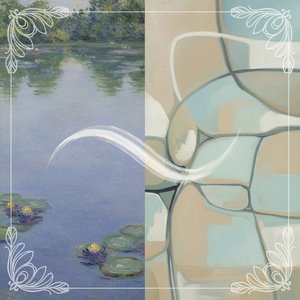
Serene Visions: Exploring Themes of Tranquility in Art History & Contemporary Practice
Explore the history of serene landscape art & discover artists who evoke tranquility. Find the perfect calming artwork for your home with expert guidance from TopImpressionists.

Οι 10 Κορυφαίοι Πίνακες που Όρισαν τον Ρομαντισμό στην Τοπιογραφία | TopImpressionists.gr
Ανακαλύψτε τους 10 πίνακες που καθόρισαν τον Ρομαντισμό στην τοπιογραφία! Friedrich, Turner & άλλοι. Ιστορίες τέχνης, τεχνικές και έμπνευση για διακόσμηση σπιτιού. Βρείτε αναπαραγωγές υψηλής ποιότητας στο TopImpressionists.com.

Evocations of Place: A Historical Journey Through Landscape Art
Explore the rich history of landscape art with TopImpressionists. Discover renowned artists, movements like Impressionism & Romanticism, and expert guidance for collecting timeless pieces. Find your perfect serene escape today!

John Constable: Τα 25 Κορυφαία Έργα Τέχνης | Ανακαλύψτε την Αγγλική Υπαίθριο στον Χώρο Σας
Ανακαλύψτε τα 25 κορυφαία έργα τέχνης του John Constable! Εξερευνήστε την αγγλική τοπιογραφία, τον ρομαντισμό και τη μαγεία της φύσης. Υψηλής ποιότητας αναπαραγωγές & ιδέες διακόσμησης στον χώρο σας. Ανακαλύψτε όλα τα αριστουργήματα στο TopImpressionists.com
Εξερευνήστε έργα τέχνης ταξινομημένα ανά θέμα, στυλ και χαρακτηριστικά.
