

 Προεπισκόπηση
 Αποστολή
 Κοινοποίηση
 Λεπτομέρειες
 Οδηγός

 Λήψη
Λήψη
 Παρόμοια αντικείμενα συλλογής
 Ακτινογραφία
 Παρουσίαση
 Στατιστικά
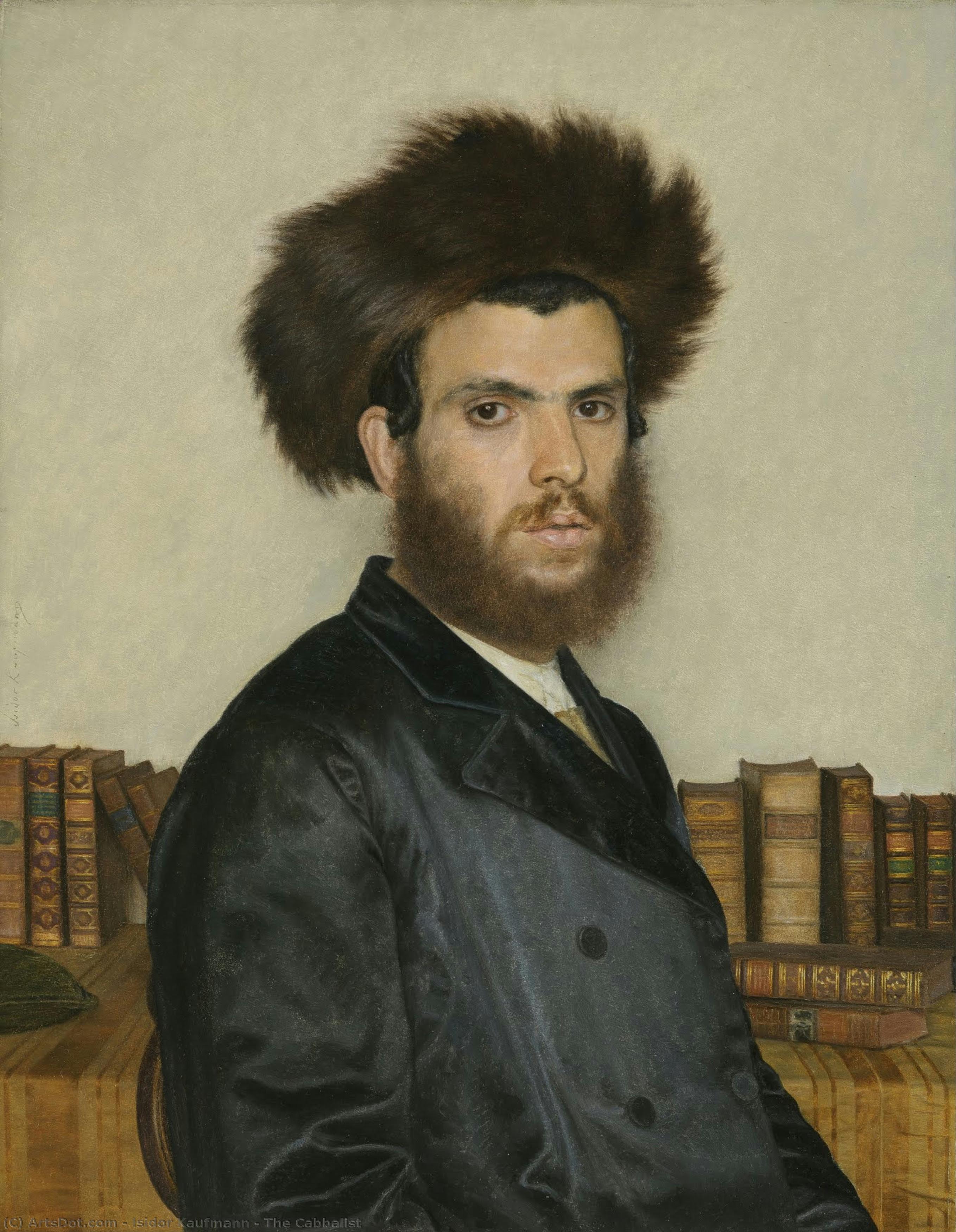
The Cabbalist
 Acrylic On Canvas
- WallArt
- Realism
 1910
1910- 19th Century
 44.0 x 35.0 cm
 Το Μουσείο του Πολιτισμού των Εβραίων
A poignant 1910 portrait by Isidor Kaufmann captures a Jewish scholar immersed in Cabbalistic studies, showcasing the artist’s masterful depiction of Hasidic life in Eastern Europe. Discover this evocative artwork and bring its rich history into your space.
 Περισσότερα λεπτομέρεια
Ανακαλύψτε τα συγκινητικά γ жанρα ζωγραφικά του Isidor Kaufmann για την εβραϊκή ζωή στην Ανατολική Ευρώπη. Εξερεύστε τα καθηλωτικά έργα του που απεικονίζουν Χασιδικές κοινότητες και ιστορικές στιγμές.
Χειροποίητη Αναπαραγωγή σε Έλαιο
Χειροποίητη ελαιογραφία σε καμβά στο δικό σας μέγεθος και πλαίσιο, κατά παραγγελία από τους καλλιτέχνες μας. ( Μετάβαση σε Εκτυπώσεις Μετάβαση σε Ψηφιακή Εικόνα)




P118B $10

P118H $10

P118W $10

P438Z $10

P508JH $12

P508YH $12

P805H $10

P805Z $10

P919BZ $10

P919G $10

P919XJ $10

P959ZH $10

P968JZ $12

W106C $8

W218G $10

W218JH $8

W218Y $10

W307PJ $10

W316G $10

W316PJ $8

W316Y $10

W398PJ $8

W4111J $10

W500HY $15

W500JH $15

W692G $12

W849H $8

W940BG $15

W953PJ $8




Πρότυπο
κατόπιν παραγγελίας
CM
INCH
Επιλέξτε από τις προκαθορισμένες διαστάσεις μας που διατηρούν τις αρχικές αναλογίες του έργου τέχνης.
Loading sizes...

πλάτος
ύψος
Μπορείτε να ορίσετε δικές σας διαστάσεις ώστε το έργο να ταιριάζει σε ένα συγκεκριμένο πλαίσιο ή χώρο. Εάν το επιλεγμένο μέγεθος δεν συμπίπτει με τις αναλογίες της αρχικής εικόνας, θα περικοψούμε το έργο ή θα επεκτείνουμε τη ζωγραφιά με πρόσθετα χειρόγραφα στοιχεία. Ένα ψηφιακό προσχέδιο θα σας αποσταλεί για έγκριση πριν την έναρξη της παραγωγής.
Παρακαλούμε σημειώστε ότι η προεπισκόπηση στην οθόνη δεν αντικατοπτρίζει την πραγματική περικοπή ή επέκταση. Μόνο το προσχέδιο θα δείξει με ακρίβεια την τελική σύνθεση.
Παρόλο που είναι διαθέσιμα προσαρμοσμένα μεγέθη, συνιστούμε να επιλέξετε μια διάσταση από τη λίστα των προκαθορισμένων μεγεθών για τη διατήρηση των αρχικών αναλογιών.
Παραδείγματα αλλαγών: Αντικατάσταση προσώπου με φωτογραφία του πελάτη· Προσθήκη κατοικίδιου (π.χ., αντικατάσταση γάτας με σκύλο)· Ενσωμάτωση κρυφού μηνύματος στο φόντο· Αλλαγή τοπίου ή στοιχείων του φόντου.
Μετά την παραγγελία, η ομάδα του TopImpressionists.com θα στείλει email στον πελάτη με οδηγίες και θα παρέχει μια προεπισκόπηση προσχεδίου
Μετά την παραγγελία, η ομάδα του TopImpressionists.com θα στείλει email στον πελάτη με οδηγίες και θα παρέχει μια προεπισκόπηση προσχεδίου
Παγκόσμια Αποστολή () σε 3-4 εβδομάδες αντί για τις συνήθεις 5 εβδομάδες. (26 Σεπτέμβριος). Χωρίς συμβιβασμούς στην ποιότητα.

Δωρεάν γρήγορη διεθνής αποστολή

Κάμβας από Λινό Υψηλής Ποιότητας

Πλήρης ασφάλιση μεταφοράς

Εγγύηση επιστροφής δασμών και φόρων εισαγωγής

Εγγύηση Απόλυτης Ομοιότητας Χρωμάτων

Πολιτική Επιστροφής 100 Ημερών (Μόνο σε περίπτωση ελαττωμάτων)

Εγγύηση επιστροφής 100% των χρημάτων

Έκπτωση για πολλαπλές παραγγελίες
 Η επιλογή με γυαλί είναι διαθέσιμη μόνο για μεγέθη κάτω από 110 εκ.

The Cabbalist
Τεχνική Αναπαραγωγής
Διαστάσεις Αναπαραγωγής
-


Συνολικό Κόστος
$ 269
Isidor Kaufmann’s ‘The Cabbalist’: A Window into Eastern European Jewish Life
TopImpressionists presents a meticulously crafted hand-painted reproduction of Isidor Kaufmann's “The Cabbalist,” an arresting portrait painted in 1910 that offers a rare and intimate glimpse into the world of Hasidic scholarship. Measuring 44 x 35 cm, this work transcends a simple likeness; it’s a carefully constructed tableau brimming with symbolic weight and reflecting the profound spiritual life of a community largely untouched by the sweeping changes of the early 20th century.
- Subject & Composition: The painting centers on a man – presumably a ‘Cabbalist,’ as the title suggests – seated in what appears to be a study. His weathered face, framed by a neatly trimmed beard and a worn hat, speaks of years spent immersed in contemplation and learning. The arrangement of books surrounding him isn’t merely decorative; it's a deliberate composition that underscores his intellectual pursuits and connection to ancient wisdom.
- Artistic Style & Technique: Kaufmann’s style is firmly rooted in the traditions of Austro-Hungarian genre painting, characterized by its realism and attention to detail. The brushwork is precise yet imbued with a subtle warmth, suggesting a deep understanding of his subject's character and environment. He employs a muted color palette – predominantly browns, grays, and ochres – which contributes to the painting’s solemn and contemplative mood.
A Portrait of Faith: Historical Context & Kaufmann’s Vision
Painted in 1910, “The Cabbalist” captures a pivotal moment in the history of Hasidic Judaism. Isidor Kaufmann (1853-1921), born in Arad, Romania, dedicated his artistic career to documenting the lives and traditions of these communities, primarily in Poland and Romania. His work emerged during a period of significant social and religious change, as traditional Jewish life faced increasing pressure from modernity. Kaufmann’s portraits weren't simply representations; they were acts of preservation, meticulously recording a way of life on the verge of disappearing.
Born to Hungarian Jewish parents, Kaufmann initially pursued commerce before discovering his true calling in painting. His training at the Landes-Zeichenschule in Budapest and subsequent studies at the Vienna Academy of Fine Arts – though initially met with rejection – ultimately shaped his distinctive artistic voice. He was profoundly influenced by Professor Trenkwald, who guided him toward a more focused approach to depicting Jewish life.
Symbolism & Interpretation
The inclusion of numerous books is laden with symbolic meaning within the context of Kabbalah, the mystical branch of Judaism. These volumes represent not just knowledge but also a connection to generations of scholarship and spiritual tradition. The man’s posture – seated, absorbed in his studies – embodies the contemplative nature of this pursuit. The hat, a traditional Jewish head covering, further reinforces his identity and religious devotion. Kaufmann's ability to capture such nuanced details speaks volumes about his deep respect for his subject and his commitment to portraying authentic Jewish life.
Emotional Impact & Collecting
"The Cabbalist" is more than just a beautiful painting; it’s a poignant reminder of a vanishing world. This hand-painted reproduction offers collectors and interior designers alike the opportunity to own a piece of art history, imbued with spiritual significance and artistic merit. Its evocative depiction of scholarly devotion will undoubtedly add depth and character to any space, serving as a constant source of contemplation and appreciation for the rich tapestry of human culture.
Βιογραφικό Καλλιτέχνη
Ο Χρονιστής ενός Εξαφανισμένου Κόσμου
Ο Isidor Kaufmann αναδεικνύεται ως μια μοναδική μορφή στην αυστρο-ουγγρική ιστορία της τέχνης, φημισμένος για τα συγκινητικά έργα του είδους (genre paintings) που αποδίδουν την καθημερινή ζωή και τις πνευματικές παραδόσεις των Χασιδικών κοινοτήτων στην Πολωνία και τη Ρουμανία. Γεννημένος το 1853 στο Arad της Ουγγαρίας—που σήμερα ανήκει στη Ρουμανία—από Ουγγρικούς Εβραίους γονείς, το καλλιτεχνικό ταξίδι του Kaufmann σημαδεύτηκε από τυχαίες περισταções που τελικά τον ώθησαν να γίνει ένας από τους σημαντικότερους χρονιστές της εβραϊκής κουλτούρας στα τέλη του 19ου αιώνα. Παρόλο που αρχικά επιδίωξε μια εμπορική καριέρα, η πραγματική του κλήση αναδύθηκε μέσα από μια σύντομη περίοδο σπουδών στη Landes-Zeichenschule στο Μπουδάπεστη. Αυτή η πρώιμη σπίθα πυροδότησε μια ολόβια πάθηση που θα τον οδηγήσει στην κορυφαία Ακαδημία Καλών Τεχνών της Βιέννης, όπου, παρά τις αρχικές δυσκολίες, καλλιέργησε τις δεξιότητές του υπό την αυστηρή καθοδήγηση του καθηγητή Trenkwald.
Καθιερώνοντας τον εαυτό του ως έναν επιδεξιοτεχνό ζωγράφο πορτραίτων στην κοσμοπολίτικη ατμόσφαιρα της Βιέννης, ο Kaufmann απορρόφησε τις στυλιστικές επιρροές μεγάλων καλλιτεχνών, όπως ο Joseph Matthäus Aigner. Το έργο του άρχισε να αντανακλά έναν εξελιγμένο συνδυασμό ακαδημαϊκής παράδοσης και του αναδυόμενου ρεαλισμού που υποστήριζε ο Ιμπρεσιονισμός. Αυτή η μοναδική τεχνική βάση του επέτρεψε να ξεπεράσει την απλή αναπαράσταση, επιτρέποντάς του να αποτυπώσει το βαθύ ψυχολογικό βάθος και το πνευματικό βάρος των υποκειμένων του. Η maîtrise του στη χρήση του chiaroscuro—του δραματικού παιχνιδιού φωτός και σκιάς—έγινε σήμα κατατεθέν του ύφους του, προσδίδοντας μια σχεδόν ιερή ατμόσφαιρα στις απεικονίσεις της θρησκευτικής μελέτης και των κοινοτικών τελετουργιών.
Ένα Αριστούργημα Αυτοκρατορικής Αναγνώρισης
Το σημείο καμπής στην καριέρα του Kaufmann ήρθε με την κολοσσιαία παραγγελία του έργου “Der Besuch des Rabbi” (Η Επίσκεψη του Ραቢ), ένα έργο τόσο σημαντικό που ανατέθηκε από τον Αυτοκράτορα Franz Joseph I για το Kunsthistorisches Museum. Αυτό το πίνακας αποτελεί μια οριστική απόδειξη της ικανότητάς του να υφαίνει λεπτομερή λεπτομέρεια με βαθιά συναισθηματική αντήχηση. Μέσα από αυτόν τον καμβά, ο Kaufmann απέδειξε ότι δεν ήταν απλώς ένας παρατηρητής της παράδοσης, αλλά ένας δάσκαλος ικανός να αγγίξει την ίδια την ουσία της ανθρώπινης εμπειρίας μέσα σε συγκεκριμένα πολιτισμικά πλαίσια. Η επιτυχία αυτού του έργου εδραίωσε τη φήμη του σε όλη την Ευρώπη, καθορίζοντάς τον ως έναν καλλιτέχνη που μπορούσε να ανυψώσει την εθνογραφική θεματολογία στα ύψη της υψηλής τέχνης.
Το έργο του χαρακτηρίζεται από μια οικεία ματιά στην καρδιά της εβραϊκής ζωής της Ανατολικής Ευρώπης. Είτε αποδίδει τη στοχαστική ησυχία ενός μελετητή είτε την ήσυχη ένταση της νεότητας, οι πίνακες του Kaufmann λειτουργούν ως παράθυρα σε έναν κόσμο που περνούσε από βαθιές ιστορικές αλλαγές. Τα αξιόλογα έργα του περιλαμβάνουν:
- Schachspieler (Οι Παίκτες Σκακιού): Μια μαγευτική απεικόνιση μιας στοχαστικής στιγμής τελετουργικού παιχνιδιού, που αναδεικνύει την ικανότητά του να βρίσκει ομορφιά στις καθημερινές κοινοτικές αλληλεπιδράσεις.
- Ο Καμπαλιστής: Ένα πορτρέτο του 1910 που αποτυπώνει έναν Εβραίο μελετητή βαθιά βυθισμένο σε μυστικιστικές μελέτες, αναδεικνύοντας την δεξιοτεχνία του καλλιτέχνη στην απεικόνιση της πνευματικής αφοσίωσης.
- Πορτρέτο ενός Νέου Ανδρά: Ένα οικείο έργο είδους από το 1901, που χρησιμοποιεί ένα έντονο βλέμμα για να προσφέρει μια ματιά στην πολιτισμική ταυτότητα της εποχής.
- <Πορτρέτο του Isidor Gewitsch: Ένα κορυφαίο παράδειγμα ακαδημαϊκού ρεαλισμού, που αποτυπώνει την αξιοπρέπεια και τη σιωπηλή περισυλλογή ενός ηλικιωμένου άνδρα με διαχρονική κομψότητα.
Κληρονομιά και Ιστορική Σημασία
Η ιστορική σημασία του Isidor Kaufmann έγκειται στον ρόλο του ως οπτικός ιστορικός. Οι πίνακές του αποτελούν μια ζωτική, συγκινητική καταγραφή της Χασιδικής ζωής και των Εβραϊκών παραδόσεων κατά τα τελευταία, ζωντανά χρόνια τους στην Ανατολική Ευρώπη, πριν από τις αναταραχές του 20ού αιώνα. Μέσα από το πινέλο του, οι υφές των βαριών μαύρων παλτό, η λάμψη του κεριού πάνω στα αρχαία κείμενα και η σοβαρότητα της θρησκευτικής τελετουργίας διατηρούνται με μια σχεδόν αισθητή σαφήνεια. Ο Kaufmann δεν ζωγράφισε απλώς σκηνές· εκείνος ακολούθησε την ψυχή ενός πολιτισμού, διασφαλίζοντας ότι η αξιοπρέπεια, η πνευματική διάνοια και η πνευματική πλούσια φύση αυτών των κοινοτήτων θα παραμείνουν χαραγμένα για πάντα στις αρχές της ιστορίας της τέχνης.

Ισιδωρ Κάουφμαν
1853 - 1921 , Ρουμανία
Στοιχεία καλλιτέχνη
- Artistic Movement Or Style: Ζωρη peinture (Genre Painting)
- Artists Or Movements Influenced By This Artist: ['Baron Königswarter Künstler-Preis']
- Artists Who Influenced This Artist: ['Joseph Matthäus Aigner']
- Date Of Birth: 1853
- Full Name: Isidor Kaufmann
- Nationality: Αυστρο-Ουγγρικός
- Notable Artworks:
- Πορτρέτο του Isidor Gewitsch
- Πορτρέτο ενός νεαρού Εβραίου
- Place Of Birth: Arad, Ρουμανία
Σχετικά άρθρα

TopImpressionists.com F.A.Q.: Discover the Vibrant Beauty of Our Premium Art Poster Prints
Explore the technical excellence of TopImpressionists.com's premium art poster prints. Discover how our 12-color pigment system and archival inks capture the luminous beauty of Impressionist masterpieces with unmatched color fidelity and museum-grade durability for the discerning collector.