


 Προεπισκόπηση
 Αποστολή
 Κοινοποίηση
 Λεπτομέρειες
 Οδηγός

 Λήψη
Λήψη
 Παρόμοια αντικείμενα συλλογής
 Ακτινογραφία
 Παρουσίαση
 Στατιστικά
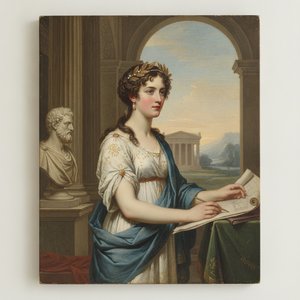
sappho and phaon

 Περισσότερα λεπτομέρεια
Ο Jacques-Louis David (1748-1825): Ένας πρωτοποριακός ζωγράφος της Νεοκλασικής εποχής, γνωστός για τα έργα του που απεικονίζουν τη Γαλλική Επανάσταση και τον Ναπολέοντα.
Χειροποίητη Αναπαραγωγή σε Έλαιο
Χειροποίητη ελαιογραφία σε καμβά στο δικό σας μέγεθος και πλαίσιο, κατά παραγγελία από τους καλλιτέχνες μας. ( Μετάβαση σε Εκτυπώσεις Μετάβαση σε Ψηφιακή Εικόνα)




P118B €10

P118H €10

P118W €10

P438Z €10

P508JH €12

P508YH €12

P805H €10

P805Z €10

P919BZ €10

P919G €10

P919XJ €10

P959ZH €10

P968JZ €12

W106C €8

W218G €10

W218JH €8

W218Y €10

W307PJ €10

W316G €10

W316PJ €8

W316Y €10

W398PJ €8

W4111J €10

W500HY €15

W500JH €15

W692G €12

W849H €8

W940BG €15

W953PJ €8




Πρότυπο
κατόπιν παραγγελίας
CM
INCH
Επιλέξτε από τις προκαθορισμένες διαστάσεις μας που διατηρούν τις αρχικές αναλογίες του έργου τέχνης.
Loading sizes...

πλάτος
ύψος
Πληκτρολογήστε το πλάτος και το ύψος που επιθυμείτε, ώστε να ταιριάζουν στο κάδሮ ή στον τοίχο σας. Ε เนื่องจาก πρόκειται για χειροποίητη ζωγραφική, σε περίπτωση διαστάσεων με διαφορετικό σχήμα, ο καλλιτέχνης μπορεί να ζωγραφίσει λίγο παραπάνω γύρω από το έργο ή να αφαιρέσει ένα μέρος — η επιλογή είναι δική σας. Σας στέλνουμε ένα ψηφιακό mockup για έγκριση πριν ξεκινήσει η δημιουργία του έργου. Η εικόνα που εμφανίζεται σε αυτή τη σελίδα δεν δείχνει το τελικό αποτέλεσμα — μόνο το mockup το αναδεικνύει.
Παραδείγματα αλλαγών: Αντικατάσταση προσώπου με φωτογραφία του πελάτη· Προσθήκη κατοικίδιου (π.χ., αντικατάσταση γάτας με σκύλο)· Ενσωμάτωση κρυφού μηνύματος στο φόντο· Αλλαγή τοπίου ή στοιχείων του φόντου.
Μετά την παραγγελία, η ομάδα του TopImpressionists.com θα στείλει email στον πελάτη με οδηγίες και θα παρέχει μια προεπισκόπηση προσχεδίου
Μετά την παραγγελία, η ομάδα του TopImpressionists.com θα στείλει email στον πελάτη με οδηγίες και θα παρέχει μια προεπισκόπηση προσχεδίου
Παγκόσμια Αποστολή () σε 3-4 εβδομάδες αντί για τις συνήθεις 5 εβδομάδες. (21 Οκτώβριος). Χωρίς συμβιβασμούς στην ποιότητα.

Δωρεάν γρήγορη διεθνής αποστολή

Κάμβας από Λινό Υψηλής Ποιότητας

Πλήρης ασφάλιση μεταφοράς

Εγγύηση επιστροφής δασμών και φόρων εισαγωγής

Εγγύηση Απόλυτης Ομοιότητας Χρωμάτων

Πολιτική Επιστροφής 100 Ημερών (Μόνο σε περίπτωση ελαττωμάτων)

Εγγύηση επιστροφής 100% των χρημάτων

Έκπτωση για πολλαπλές παραγγελίες
 Η επιλογή με γυαλί είναι διαθέσιμη μόνο για μεγέθη κάτω από 110 εκ.

sappho and phaon
Τεχνική Αναπαραγωγής
Διαστάσεις Αναπαραγωγής
-


Συνολικό Κόστος
€ 235
Jacques-Louis David’s ‘Sappho & Phaon’: A Symphony of Classical Idealism Amidst Tumultuous Times
Jacques-Louis David’s “Sappho & Phaon,” completed in 1809, stands as a testament to the enduring power of Neoclassical art—a beacon of serene beauty amidst the turbulent backdrop of Napoleon’s reign and the reverberations of the French Revolution. More than just a depiction of mythic love, this painting embodies David's unwavering commitment to classical ideals while subtly reflecting the anxieties and aspirations of his era.
The artwork portrays Sappho, revered poetess of Lesbos, reclining on a bed alongside Phaon, her admirer. The scene is bathed in soft light, emphasizing tranquility and intimacy—a deliberate contrast to the violent upheavals that gripped France during David’s lifetime. Two angelic figures flank the composition, lending an aura of divine grace and reinforcing the painting's moral seriousness.
Style & Technique: Embracing Classical Precision
David meticulously adhered to the tenets of Neoclassicism—a movement championed for its return to Greco-Roman artistic principles after the excesses of Rococo. His brushstrokes are deliberate, controlled, and strive for anatomical accuracy, mirroring the sculptural style favored by artists like Michelangelo. The artist skillfully employs chiaroscuro – dramatic contrasts between light and shadow – to sculpt form and heighten emotional impact. Observe how David renders Sappho’s delicate posture and Phaon's attentive gaze with remarkable detail.
Historical Context: Revolution & Romanticism Converge
"Sappho & Phaon" was created during a pivotal moment in European history—the Napoleonic era, following the overthrow of Louis XVI. While David championed Napoleon’s vision of order and grandeur, he simultaneously wrestled with the burgeoning Romantic movement's emphasis on emotion and imagination. The painting reflects this tension: its idealized depiction of love speaks to classical notions of beauty and virtue, yet it is imbued with a palpable sense of vulnerability and longing.
Symbolism & Narrative Depth
The mythological narrative itself carries significant symbolic weight. Sappho represents intellectual purity and artistic devotion—qualities valued by Neoclassical thinkers. Phaon embodies passionate desire and admiration, highlighting the complexities inherent in human relationships. The inclusion of angels underscores the painting’s moral dimension, suggesting that true love possesses a transcendent quality.
Emotional Impact: Tranquility Amidst Chaos
"Sappho & Phaon" transcends mere visual representation; it evokes profound emotion. The serene stillness of the scene invites contemplation and offers solace from the anxieties of its time. David’s masterful composition captures not only the physical beauty of the figures but also their inner states—a testament to his ability to convey complex psychological nuances through art. It remains a captivating image, demonstrating how classical ideals can inspire timeless artistic expression.
Ερωτήσεις & Απαντήσεις
Τι εξηγεί την κατάσταση των πνευματικών δικαιωμάτων του έργου "sappho and phaon" του Ζακ Λουίς Νταβίδ;
Το έργο "sappho and phaon" του Ζακ Λουίς Νταβίδ ανήκει στο δημόσιο κτήμα - τα δικαιώματα αυτορության έχουν λήξει. Η διάρκεια της προστασίας των πνευματικών δικαιωμάτων ξεκινά από τον θάνατο του καλλιτέχνη, ο οποίος συνέβη το 1800.
Πόσο δημοφιλές είναι το "sappho and phaon" εντός του Neoclassical Ideals;
Το έργο "sappho and phaon" του Ζακ Λουίς Νταβίδ ταξινομείται ως Iconic και ανήκει στο καλλιτεχνικό ρεύμα Neoclassical Ideals.
Πώς μπορώ να κατεβάσω την εικόνα του έργου "sappho and phaon" του Ζακ Λουίς Νταβίδ;
Η εικόνα του έργου "sappho and phaon" του Ζακ Λουίς Νταβίδ μπορεί να κατεβάσετε από τη σελίδα Λήψη του έργου: λήψη ψηφιακής εικόνας υψηλής ανάλυσης.
Βιογραφικό Καλλιτέχνη
A Brushstroke Across Revolution: The Life and Art of Jacques-Louis David
Jacques-Louis David, γεννημένος στο Παρίσι το 1748, ήταν πολύ περισσότερο από ένας ζωγράφος – ήταν ένας οραματιστής που κατέγραψε μια εποχή γεμάτη αναταραχές, ιδεαλισμό και αδιάκοπη επιδίωξη για νέες τάσεις. Η ζωή του αντικατόπτισε τις δραματικές μεταβολές που εκτυλίσσονταν σε όλη τη Γαλλία – από την ωδή της Ροκωκό στην αυστηρή σαφήνεια του Νεοκλασικισμού, και τελικά, μέσα από τα ταραγμένα χρόνια της Επανάστασης και της Ναπολεόντειου εποχής. Η παιδική του ηλικία χαρακτηρίστηκε από την πρόωρη απώλεια του πατέρα του και ένα ανατομικό ελάττωμα που αρχικά δυσχέραινε τον λόγο, φαίνεται να είχε μόνο ενισχύσει τις παρατηρητικές του ικανότητες και να πυροδότησε μια ακλόνητη αφοσίωση στην καλλιτεχνική άσκησή του. Αρχικά εκπαιδευμένος από τον François Boucher, ο David σύντομα βρέθηκε προσελκυσμένος από το πιο ηθικά φορτισμένο έργο του Joseph-Marie Vien, τον οποίο η έμφαση στην ιστορική ζωγραφική και τα κλασικά θέματα αντικατόπτισε μια αναπτυσσόμενη αίσθηση σκοπού εντός του νεαρού καλλιτέχνη. Οι πρώτες του προσπάθειες να κερδίσει το prestigioso Prix de Rome ήταν γεμάτες απογοήτευση, ωστόσο αυτές οι επαναλαμβανόμενες αποτυχίες μόνο ενίσχυσαν την αποφασιστικότητά του, διαμορφώνοντας μια αμείλικτη τελειομανία που θα χαρακτήριζε ολόκληρη τη καριέρα του.Η Γέννηση της Νεοκλασικής Δραματικότητας
Η καλλιτεχνική εξέλιξη του David δεν ήταν απλώς μια στυλιστική μετατόπιση – ήταν μια φιλοσοφική δήλωση. Άρπαξε το φλυάρ και τα παιχνιδιάρικα θέματα της Ροκωκό, αγκαλιάζοντας αντί αυτού τη σαφήνεια, την τάξη και τη μορφωτική σοβαρότητα που ενυπάρχουν στην κλασική αρχαιότητα. Αυτή η δέσμευση επηρεάστηκε βαθύτατα από ανασκαφές στην Πομπηία και την Ερμάντεια, οι οποίες αποκάλυψαν έναν κόσμο της ρωμαϊκής τέχνης και αρχιτεκτονικής που είχε χαθεί για πάντα στο χρόνο. Η σημαντικότερη στιγμή του ήταν το “Oath of the Horatii” (1784), ένα έργο τέχνης που ξεπέρασε την απλή καλλιτεχνική δεξιοτεχνία και έγινε σύμβολο πολιτικής αρετής και πατριωτικού θυσίας. Η σκληρή σύνθεση, το δραματικό φωτισμό και η ακριβής γραφιστική ήταν επαναστατικοί, σηματοδοτώντας μια αποφασιστική διακοπή από το παρελθόν. Δεν ήταν απλώς *τι* ζωγράφιζε αλλά *πώς* – μια συνειδητή κατασκευή που σχεδιάστηκε για να προκαλέσει ισχυρές συναισθηματικές αντιδράσεις και να εμπνεύσει προβληματισμό σχετικά με θέματα καθήκοντος, τιμής και αυτοθυσίας. Αυτό το έργο δεν ανακοίνωσε απλώς ένα νέο στυλ – προκάλεσε επίσης μια νέα ιδεολογική ροή που σύντομα θα εκτινάχθηκε σε όλη τη Γαλλία.Επανάσταση και Μνήμη: Τέχνη ως Πολιτικό Όπλο
Καθώς η Γαλλική Επανάσταση ξέσπασε το 1789, ο David δεν ήταν απλώς ένας παρατηρητής αλλά ένας ενεργός συμμετέχων. Ένας ένθερμος υποστηρικτής του επαναστατικού κόμματος και στενός συνεργάτης του Maximilien Robespierre (1758–1794), θεωρούσε την τέχνη ως ένα ισχυρό εργαλείο για τον διαμόρφωση της δημόσιας γνώμης και την εδραίωση των ιδεών της νέας δημοκρατίας. Τα έργα του κατά τη διάρκεια αυτής της περιόδου έγιναν ισχυρά σύμβολα επαναστατικής θυσίας και δημοκρατικού ζήλους. Ίσως το πιο εμβληματικό του έργο εκείνης της εποχής είναι το “Death of Marat” (1793), μια συγκλονιστική απεικόνιση του δολοφονημένου δημοσιογράφου, μεταμορφωμένου σε ένα καθολικό άγιο. Η σκληρή απλότητά του – το λυτρωμένο σώμα, η αυτοσχέδια τραπέζια, η αγαπημένη επιστολή που κρατιόταν στο χέρι του Marat – ανεβάζει την σκηνή σε ένα βαθύ συναισθηματικό επίπεδο. Ο David υπηρέτησε στην Επιτροπή Δημόσιας Ασφάλειας κατά τη διάρκεια της Εποχής του Φόβου, ακόμη και υπογράφοντας εγγράφους θανάτου του Robespierre, αποδεικνύοντας την βαθιά του εμπλοκή στις πολιτικές διαμάχες της εποχής.Από την Επανάσταση στην Αυτοκρατορία: Υπηρέτηση στον Ναπολέοντα
Η πτώση του Robespierre σηματοδότησε ένα ακόμη σημαντικό σημείο καμπής στη ζωή του David. Με εκπληκτική προσαρμογή, οδήγησε την καριέρα του μέσα από τις μεταβαλλόμενες πολιτικές ροές και ευθυγραμμίστηκε με τον Ναπολέοντα Βοναπάρτη, καθιστώντας τον επίσημο ζωγράφο της Αυτοκρατορίας. Αυτή η νέα χορηγία οδήγησε σε τεράστιες παραγγελίες που σχεδιάστηκαν για τη δόξα των νικών του Ναπολέοντα και των επιτευγμάτων του. Το “Napoleon Crossing the Alps” (1801-1805) είναι ίσως το πιο διάσημο – ένα μαέστρο της προπαγάνδας που παρουσιάζει τον Ναπολέοντα ως έναν ηρωικό, σχεδόν μυθικό χαρακτήρα που κατακλύζει τόσο τη φύση όσο και την αντίσταση. Το “The Coronation of Napoleon” (1807), ένα τεράστιο έργο τέχνης που απεικονίζει την πολυτέλεια και την μεγαλοπρέπεια της αυτοκρατορικής τελετής, ενίσχυσε περαιτέρω τη θέση του David ως ο κορυφαίος καλλιτέχνης της Ναπολεόντειας εποχής. Κατά τη διάρκεια αυτής της περιόδου, η παλέτα του μετακινήθηκε ελαφρώς, ενσωματώνοντας πιο ζεστούς Βενετσιάνικους χρωματισμούς ενώ διατηρούσε την ακρίβεια και τη σαφήνεια που ορίζουν το στυλ του.Εξορία, Κληρονομιά και Μόνιμη Επίδραση
Η Βουρδουλωτική Αποκατάσταση το 1814 έφερε νέα κινδύνους για τον David, καθώς η σύνδεσή του με τον πτωπό Ναπολέοντα τον καθιστούσε στόχο καταδίωξης. Έβαλε εκτροπή στην Βουργουνδία και παρέμεινε εκεί μέχρι τον θάνατό του στις 29 Δεκεμβρίου 1825. Ακόμα και στην εξορία, η επιρροή του ήταν βαθιά. Εκπαίδευσε πολλούς μαθητές, συμπεριλαμβανομένου του Jean-Auguste-Dominique Ingres, ο οποίος έγινε ένας από τους σημαντικότερους Νεοκλασικούς ζωγράφους του 19ου αιώνα. Η έμφαση του David στην γραφιστική, τη σύνθεση και την ιστορική ακρίβεια άφησε ανεξίτηλο σημάδι στην γαλλική τέχνη. *Η κληρονομιά του δεν περιορίζεται απλώς στην αντιγραφή*, αλλά και στην πρόβ
Ζακ Λουίς Νταβίδ
1748 - 1800 , Γαλλία
Στοιχεία καλλιτέχνη
- Artistic Movement Or Style: Νεοκλασικισμός
- Artists Or Movements Influenced By This Artist: ['Jean-Auguste-Dominique Ingres']
- Artists Who Influenced This Artist:
- Joseph-Marie Vien
- Ραφαήλ Μένγκς
- Date Of Birth: 30 Αυγ 1748
- Date Of Death: 29 Δεκ 1825
- Full Name: Jacques-Louis David
- Nationality: Γάλλος
- Notable Artworks:
- Ορθή των Οράτιων
- Θάνατος του Μαράτ
- Ναπολέοντας διασχίζει τα Άλπεδα
- Place Of Birth: Παρίσι, Γαλλία
Σχετικά άρθρα
The Revival of Antiquity: Exploring Ideals of Beauty & Power in Neoclassical Portraiture
Explore the captivating world of Neoclassical portraiture! Discover the power & ideals behind masterpieces by David, Girodet & more. Expert analysis, custom reproductions & art appraisal at TopImpressionists.

Reason vs. Emotion: The Epic Clash of Neoclassicism and Romanticism in Art History
Explore the profound tension between Neoclassicism's rational order and Romanticism's emotional depth. An expert journey through the masters of art history, from David to Delacroix, perfect for collectors and enthusiasts seeking a deeper understanding of artistic evolution.

Jacques-Louis David: Neoclassical Ideals & Revolutionary Witness
Explore the life & art of Jacques-Louis David, leading Neoclassical painter of the French Revolution. Discover iconic works like 'The Death of Marat' and his lasting impact on art history. Expert analysis & high-quality reproductions at TopImpressionists.

The Revival of Antiquity: Exploring the Neoclassical Movement & its Enduring Legacy
Explore the revival of classical art with our deep dive into Neoclassicism! Discover key artists like Jacques-Louis David, Enlightenment influences & lasting impact on art history. High-quality reproductions at TopImpressionists.

Anne-Louis Girodet: Bridging Neoclassicism & Romanticism with Emotional Truth
Explore the captivating world of Anne-Louis Girodet, a pivotal figure bridging Neoclassicism & Romanticism. Discover his masterpieces and unique artistic vision with TopImpressionists.
Εξερευνήστε έργα τέχνης ταξινομημένα ανά θέμα, στυλ και χαρακτηριστικά.


