


 Αποστολή
 Κοινοποίηση
 Λεπτομέρειες
 Οδηγός

 Λήψη
Λήψη
 Παρόμοια αντικείμενα συλλογής
 Παρουσίαση
 Q&A
Q&A Στατιστικά
For Humanity Obverse


Explore 'For Humanity Obverse,' a poignant bronze medal commemorating WWI efforts by James Earle Fraser. Featuring a soldier and landscape, it reflects the era's humanitarian spirit & artistic mastery.
 Περισσότερα
Ανακαλύψτε τα δυναμικά γλυπτά του James Earle Fraser, γνωστού για το 'End of the Trail' και το εμβληματικό Buffalo nickel! Εξερευνήστε το ρεαλιστικό στυλ και την κληρονομιά του που αποτυπώνει τον Αμερικανικό Δυτικό.
Giclée / Εκτυπώσεις Τέχνης
Εκτύπωση giclée ή σε καμβά ποιότητας μουσείου με γρήγορη παραγωγή και ευέλικτες επιλογές φινιρίσματος. ( Αγορά χειροποίητου πίνακα Μετάβαση σε Ψηφιακή Αποτέλεσμα)




































Πρότυπο
κατόπιν παραγγελίας
CM
INCH
Επιλέξτε από τις προκαθορισμένες διαστάσεις μας που διατηρούν τις αρχικές αναλογίες του έργου τέχνης.
Loading sizes...

πλάτος
ύψος
Εισάγετε το πλάτος και το ύψος που επιθυμείτε, ώστε να ταιριάζουν στο κάδሮ ή στον τοίχο σας. Μια εκτύπωση μπορεί μόνο να υποστεί κοψίμό και ποτέ να μην γίνει μεγαλύτερη από την αρχική εικόνα, επομένως η επιλογή μεγέθους με διαφορετικό σχήμα συνεπάγεται απώλεια ενός μέρους της εικόνας. Σας στέλνουμε ένα ψηφιακό mockup για έγκριση πριν προχωρήσουμε σε οποιαδήποτε εκτύπωση. Η εικόνα που εμφανίζεται σε αυτή τη σελίδα δεν δείχνει την πραγματική κοπή — μόνο το mockup την παρουσιάζει.
Παγκόσμια Αποστολή () σε 2 εβδομάδες αντί για τις συνήθεις 4/5 εβδομάδες. (30 Οκτώβριος)

Δωρεάν γρήγορη διεθνής αποστολή

Κάμβας από Λινό Υψηλής Ποιότητας

Πλήρης ασφάλιση μεταφοράς

Εγγύηση επιστροφής δασμών και φόρων εισαγωγής

Εγγύηση Απόλυτης Ομοιότητας Χρωμάτων

Πολιτική Επιστροφής 100 Ημερών (Μόνο σε περίπτωση ελαττωμάτων)

Εγγύηση επιστροφής 100% των χρημάτων

Προσφορά για πολλαπλές παραγγελίες
 Η επιλογή με γυαλί είναι διαθέσιμη μόνο για μεγέθη κάτω από 110 εκ.

For Humanity Obverse
Giclée / Εκτυπώσεις Τέχνης
Διαστάσεις Αναπαραγωγής
-


Τελική Τιμή
€ 61
The Weight of Remembrance: James Earle Fraser’s “For Humanity Obverse”
James Earle Fraser's "For Humanity Obverse," a bronze medal commemorating the efforts during World War I, transcends mere commemorative function. It stands as a poignant testament to sacrifice, resilience, and the enduring human spirit in the face of conflict. Crafted by one of America’s most celebrated sculptors, Fraser masterfully captures a pivotal moment – a line of soldiers advancing with resolute determination – within a meticulously detailed bronze surface that speaks volumes about both the era and the artist's profound understanding of form and emotion.
The medal’s design immediately draws the eye to the central figure: a soldier, rendered in profile, carrying his rifle over his shoulder. His posture is one of unwavering commitment, yet there’s an underlying tension, a suggestion of the immense burden he carries. To his left, crossed swords – a potent symbol of battle and conflict – are subtly integrated, reminding us of the brutal realities that fueled this humanitarian effort. Below him, a landscape of rolling hills or mountains provides a grounding element, anchoring the scene in a tangible reality while simultaneously hinting at the vastness of the war’s impact. The weathered patina of the bronze itself contributes significantly to the piece's narrative; it whispers tales of time and exposure, lending an air of authenticity and historical weight.
A Sculptor Forged by the West
James Earle Fraser’s artistic journey was deeply intertwined with the American West. Born in Minnesota and raised amidst frontier life, he developed a unique perspective shaped by his family's history – his father an engineer involved in recovering remains from Little Bighorn, and his mother tracing her lineage back to the Pilgrims. This formative experience instilled within him a profound appreciation for both the rugged beauty of the landscape and the complexities of American identity. Fraser’s early exposure to Native American culture further enriched his artistic sensibilities, informing his approach to depicting human figures with sensitivity and respect.
His training in Paris provided him with invaluable exposure to European artistic traditions, particularly classical sculpture, which he skillfully integrated into his own distinctive style. Fraser's work is characterized by a remarkable realism, achieved through painstaking attention to detail – the folds of the soldier’s uniform, the texture of the landscape, and the subtle nuances of expression on the figure’s face. This commitment to accuracy, combined with an intuitive understanding of human psychology, elevates “For Humanity Obverse” beyond a simple commemorative medal; it becomes a powerful visual narrative.
Symbolism and Historical Context
The inscription "FOR HUMANITY" boldly declares the medal’s purpose – a recognition of those who dedicated themselves to humanitarian efforts during World War I. However, the image itself carries deeper symbolic weight. The advancing soldiers represent not just military strength but also courage, sacrifice, and unwavering resolve. The crossed swords serve as a reminder of the conflict that necessitated these actions, while the landscape symbolizes the world being shaped by war’s consequences.
Created in 1918, during the height of the Great War, “For Humanity Obverse” reflects the nation's collective response to a global crisis. It was commissioned as part of a series of medals recognizing individuals and organizations involved in humanitarian work – efforts ranging from medical care to refugee assistance. The medal’s design embodies the spirit of patriotism and service that defined America’s wartime experience, capturing both the solemnity of loss and the unwavering hope for a better future.
A Legacy in Bronze
James Earle Fraser's "For Humanity Obverse" remains a significant work of American art. Beyond its historical context, it stands as a testament to the artist’s skill, vision, and profound understanding of human nature. The medal’s enduring appeal lies not only in its technical brilliance but also in its ability to evoke powerful emotions – empathy, respect, and a sense of shared humanity. Reproductions of this remarkable bronze piece offer a tangible connection to a pivotal moment in history, allowing us to contemplate the sacrifices made by those who fought for peace and justice.
Ερωτήσεις και Απαντήσεις
Πόσο δημοφιλές είναι το "For Humanity Obverse" εντός του American Realism;
Το έργο "For Humanity Obverse" του Τζέημς Έρλ Φρέιζερ ταξινομείται ως Recognized και ανήκει στο καλλιτεχνικό ρεύμα American Realism.
Ποιος δημιούργησε το "For Humanity Obverse" και σε ποια χρονιά;
Το έργο "For Humanity Obverse" δημιουργήθηκε από τον/την Τζέημς Έρλ Φρέιζερ το 1918.
Σε ποιο δωμάτιο προτείνεται να τοποθετηθεί το "For Humanity Obverse", λαμβάνοντας υπόψη την παλέτα των χρωμάτων του;
Με τη χρωματική παλέτα του/της Neutrals, το έργο "For Humanity Obverse" του Τζέημς Έρλ Φρέιζερ προτείνεται για ένα Living Room. Τα χρώματα αποτελούν μέρος της α$\\υ$\\γ$\\η$\\μ$\\ε$\\ι$\\α$\\ς$ αυτή$\\s$ πρό$\\τα$\\σης$.
Βιογραφικό Καλλιτέχνη
Μια Ζωή Γλυπτική από την Αμερικανική Δύση
Ο Τζέιμς Έρλ Φρέιζερ, γεννημένος στο Ουίνονα της Μινεσότα το 1876, ήταν ένας καλλιτέχνης του οποίου η ζωή και το έργο συνδέθηκαν άρρηκτα με το πνεύμα της Αμερικανικής Δύσης. Η ιστορία του δεν είναι απλώς μια αφήγηση καλλιτεχνικού ταλέντου, αλλά ένα μωσαϊκό υφασμένο από νήματα οριακής εμπειρίας, οικογενειακού κληροδοτήματος και βαθιάς ευλάβειας για τον πολιτισμό των ιθαγενών Αμερικανών. Ο πατέρας του Φρέιζερ, Τόμας Αλεξάντερ Φρέιζερ, ήταν μηχανικός σιδηροδρόμων που έπαιξε έναν σημαντικό ρόλο στην ανάκτηση λειψάνων από τη Μάχη του Λίτλ Μπιγκχορν – ένα γεγονός που άφησε μια μακρά σκιά στη φαντασία του νεαρού Τζέιμς. Αυτή η πρώιμη έκθεση στις πραγματικότητες της δυτικής επέκτασης, σε συνδυασμό με την καταγωγή της μητέρας του από τους Προστάτες του Πλίμουθ, ενέπνευσε μέσα του μια σύνθετη κατανόηση της εξελισσόμενης ταυτότητας της Αμερικής. Η μετακόμιση της οικογένειας στο Μίτσελ της Ν Dakota όταν ο Φρέιζερ ήταν μόλις τεσσάρων ετών, σφράγισε αυτή τη σύνδεση· μεγάλωσε βυθισμένος στην οριακή ζωή, δημιουργώντας φιλίες με παιδιά ιθαγενών Αμερικανών και μαθαίνοντας τους τρόπους τους, εμπειρίες που θα διαμόρφωναν βαθιά το καλλιτεχνικό του όραμα. Ακόμη και ως παιδί, ένα έμφυτο ταλέντο εκδήλωνε τον εαυτό του – άρχισε να γλυπτά φιγούρες από πλάκες ασβεστόλιθου που βρέθηκαν κοντά στο σπίτι του, προαναγγέλλοντας τα μνημειώδη έργα που θα καθόριζαν αργότερα την καριέρα του.Από το Παρίσι στον Saint-Gaudens: Διαμόρφωση μιας Καλλιτεχνικής Ταυτότητας
Το επίσημο καλλιτεχνικό ταξίδι του Φρέιζερ ξεκίνησε στο Art Institute of Chicago το 1890, αλλά ήταν οι μεταγενέστερες σπουδές του στο Παρίσι – στο διάσημο École des Beaux Arts και την Académie Julian – που πραγματικά βελτίωσαν τις δεξιότητές του. Κατά τη διάρκεια αυτής της περιόδου, απορρόφησε τις επιρροές του κινήματος των Μονιμιστών, μαθαίνοντας να συλλαμβάνει φευγαλέες στιγμές και τις λεπτές αποχρώσεις του φωτός και της σκιάς. Ωστόσο, ίσως η πιο σημαντική στροφή ήρθε με την καθοδήγηση του Augustus Saint-Gaudens, μιας κορυφαίας μορφής στην αμερικανική γλυπτική. Η εργασία ως βοηθός του Saint-Gaudens αποδείχθηκε ανεκτίμητη, παρέχοντάς του όχι μόνο τεχνική εξειδίκευση αλλά και μια κατανόηση της μνημειακής σχεδίασης και της δύναμης της συμβολικής αναπαράστασης. Αυτή η πρακτική εγκαθίδρυσε μέσα του μια αφοσίωση στον ρεαλισμό σε συνδυασμό με μια ευαισθησία στη μορφή που θα γινόταν τα διακριτικά γνωρίσματα του στυλ του. Επέστρεψε στην Αμερική γεμάτος ευρωπαϊκή κατάρτιση, αλλά βαθιά αφοσιωμένος στην απεικόνιση μοναδικών αμερικανικών θεμάτων – ιδιαίτερα εκείνων που βασίζονται στην ιστορία και το τοπίο της Δύσης. Ο Φρέιζερ ξεκίνησε επίσης να διδάσκει στο Art Students League στη Νέα Υόρκη το 1906, γινόμενος τελικά διευθυντής, μοιράζοντας γενναιόδωρα τη γνώση και το πάθος του για τη γλυπτική σε μια νέα γενιά καλλιτεχνών. Το συνεργατικό του πνεύμα επεκτεινόταν και στη προσωπική του ζωή· ο γάμος του με τη συνομήλικη γλύπτρια Laura Gardin Fraser είχε ως αποτέλεσμα πολλά κοινά έργα, συμπεριλαμβανομένου του Oregon Trail Memorial half dollar.Εμβληματικές Μορφές: Το ‘End of the Trail’ και το Νόμισμα Buffalo
Η καλλιτεχνική κληρονομιά του Τζέιμς Έρλ Φρέιζερ εδραιώνεται από δύο ιδιαίτερα εμβληματικά έργα: το *End of the Trail* και το νόμισμα Buffalo. Το *End of the Trail*, αρχικά σχεδιασμένο το 1894 αλλά που απέκτησε προβολή στην Διεθνή Έκθεση Panama-Pacific του 1915, παραμένει μια βαθιά συγκινητική απεικόνιση ενός κουρασμένου ιθαγενούς Αμερικανού πάνω σε άλογο – ένα ισχυρό σύμβολο της παρακμής του πολιτισμού και του τρόπου ζωής τους. Το συναισθηματικό βάρος του γλυπτού έγκειται όχι μόνο στο θέμα του, αλλά και στην άριστη απόδοση του Φρέιζερ της εξάντλησης και της εγκατάλειψης. Είναι ένα σπαρακτικό σχόλιο για τις συνέπειες της δυτικής επέκτασης και την εκτόπιση των αυτόχθονων λαών. Ταυτόχρονα, ο σχεδιασμός του για το νόμισμα Buffalo (γνωστό επίσημα ως Indian Head nickel) το 1913, εδραίωσε τη θέση του στην αμερικανική λαϊκή κουλτούρα. Χαρακτηρίζεται από ένα άτομο ιθαγενούς Αμερικανού και ένα μεγαλειώδες αμερικάνικο βούβαλο, το νόμισμα επαινέθηκε για την καλλιτεχνική του αξία και παραμένει ένα από τα πιο αγαπητά και αναγνωρίσιμα νομίσματα στην ιστορία των ΗΠΑ. Το νόμισμα Buffalo δεν ήταν απλώς χρήμα· ήταν ένα μικρό έργο τέχνης που αποτύπωσε την ουσία της Αμερικανικής Δύσης για εκατομμύρια ανθρώπους.Μια Γλυπτική Κληρονομιά σε Λίθο και Χαλκό
Πέρα από αυτά τα γιορτασμένα έργα, ο Φρέιζερ άφησε ένα ανεξίτηλο σημάδι στο αρχιτεκτονικό τοπίο της Ουάσιγκτον DC. Οι συνεισφορές του σε εμβληματικές κατασκευές όπως το Ανώτατο Δικαστήριο – με γλυπτά που απεικονίζουν την *Αρχή του Νόμου* και τη *Σκέψη της Δικαιοσύνης* – τα Εθνικά Αρχεία, το Υπουργείο Οικονομικών και το Μνημείο Τζέφερσον, αποδεικνύουν την ικανότητά του να μετατρέπει σύνθετες ιδέες σε μνημειακές μορφές. Αυτά τα έργα δεν είναι απλώς διακοσμητικά στοιχεία· αποτελούν αναπόσπαστα μέρη των συμβολικών προγραμμάτων αυτών των κτιρίων, ενισχύοντας το νόημα και την μεγαλοπρέπειά τους. Δημιούργησε επίσης σημαντικούς σχεδιασμούς μεταλλίων, συμπεριλαμβανομένου του *For Humanity Obverse* (1918) και του *Comité américain pour les régions dévastées de la France* (1919), επιδεικνύοντας την ευελιξία του ως καλλιτέχνη. Τα γλυπτά του δεν περιορίζονταν σε μεγάλους δημόσιους χώρους· παρήγαγε επίσης ομοιογράφος και μικρότερα έργα που αποκαλύπτ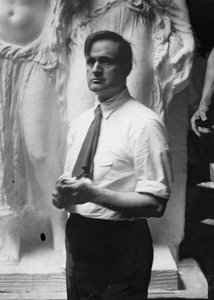
Τζέημς Έρλ Φρέιζερ
1876 - 1953 , Ηνωμένες Πολιτείες της Αμερικής
Γρήγορα στοιχεία
- Artistic Movement Or Style: Ρεαλισμός, Ιμπρεσιονισμός
- Artists Or Movements Influenced By This Artist: ['Numismatic art']
- Artists Who Influenced This Artist: ['Augustus Saint-Gaudens']
- Date Of Birth: 4 Νοεμβρίου 1876
- Date Of Death: 1953
- Full Name: Τζέιμς Ίρλ Φρέιζερ
- Nationality: Αμερικανός
- Notable Artworks:
- End of the Trail
- Buffalo Nickel
- For Humanity Obverse
- Place Of Birth: Winona, ΗΠΑ
Σχετικά άρθρα

The Eternal Glow of Bronze: A Guide to Sculpting with Light, Strength, and Timeless Artistry
Explore the profound beauty of bronze sculpture. From the ancient lost-wax technique to the interplay of light and patina, discover how this enduring alloy captures human emotion and history through masterful artistry and strength.