

Εμφανίζεται: · Συμπεριλαμβανομένου του πλαισίου:
 Προεπισκόπηση σε πραγματική κλίμακα
 Αποστολή
 Κοινοποίηση
 Λεπτομέρειες
 Οδηγός

 Λήψη
Λήψη
 Παρόμοια αντικείμενα συλλογής
 Ακτινογραφία
 Παρουσίαση
 Ερωτήσεις & Απαντήσεις
 Στατιστικά
€ 240
Χειροποίητη Αναπαραγωγή σε Έλαιο
Χειροποίητη ελαιογραφία σε καμβά στο δικό σας μέγεθος και πλαίσιο, κατά παραγγελία από τους καλλιτέχνες μας. ( Μετάβαση σε Εκτυπώσεις Μετάβαση σε Ψηφιακή Αποτέλεσμα)
Διαστάσεις
·Πρότυπο
κατόπιν παραγγελίας
CM
INCH
Επιλέξτε από τις προκαθορισμένες διαστάσεις μας που διατηρούν τις αρχικές αναλογίες του έργου τέχνης.
Φόρτωση μεγεθών...

πλάτος
ύψος
Πληκτρολογήστε το πλάτος και το ύψος που επιθυμείτε, ώστε να ταιριάζουν στο κάδሮ ή στον τοίχο σας. Ε เนื่องจาก πρόκειται για χειροποίητη ζωγραφική, σε περίπτωση διαστάσεων με διαφορετικό σχήμα, ο καλλιτέχνης μπορεί να ζωγραφίσει λίγο παραπάνω γύρω από το έργο ή να αφαιρέσει ένα μέρος — η επιλογή είναι δική σας. Σας στέλνουμε ένα ψηφιακό mockup για έγκριση πριν ξεκινήσει η δημιουργία του έργου. Η εικόνα που εμφανίζεται σε αυτή τη σελίδα δεν δείχνει το τελικό αποτέλεσμα — μόνο το mockup το αναδεικνύει.
 Διαβάστε περισσότερα
Ολοκλήρωση
·
Λευκό €1

Αντιστροφή με θολό φινίρισμα €1

Εκτεταμένη περιφέρεια €1

P118B €10

P118H €10

P118W €10

P438Z €10

P508JH €12

P508YH €12

P805H €10

P805Z €10

P919BZ €10

P919G €10

P919XJ €10

P959ZH €10

P968JZ €12

W106C €8

W218G €10

W218JH €8

W218Y €10

W307PJ €10

W316G €10

W316PJ €8

W316Y €10

W398PJ €8

W4111J €10

W500HY €15

W500JH €15

W692G €12

W849H €8

W940BG €15

W953PJ €8

H24-GOLD €30

H24-SILVER €30

H36-GOLD €45

H36-SILVER €45
Αποστέλλεται σε προστατευτικό σωλήνα, έτοιμο για το δικό σας κάδρονια.
Πρόσθετες υπηρεσίες
προαιρετικόΤι περιλαμβάνουν τα επιπλέον στοιχεία;
Παραδείγματα όσων μπορούν να αλλάξουν: Αντικατάσταση του προσώπου με φωτογραφία του πελάτη· Προσθήκη κατοικιδίου (π.χ. αντικατάσταση γάτας με σκύλο)· Ενσωμάτωση κρυφού μηνύματος στο φόντο· Αλλαγή τοπίου ή στοιχείων στο φόντο.
Μετά την παραγγελία, η ομάδα του TopImpressionists.com θα στείλει email στον πελάτη για οδηγίες και θα παρέχει μια προεπισκόπηση (mockup)
Μετά την παραγγελία, η ομάδα του TopImpressionists.com θα στείλει email στον πελάτη για οδηγίες και θα παρέχει μια προεπισκόπηση (mockup)
Παγκόσμια Αποστολή () σε 3-4 εβδομάδες αντί για τις συνήθεις 5 εβδομάδες. (8 Νοέμβριος). Χωρίς συμβιβασμούς στην ποιότητα.
Βερνίκι Προστασίας
Πληροφορίες έργου
Λεπτομέρειες Χάραξης σε Πλακέτα Χαλκού
This elegant plaque features the artist's name and the title of the artwork, finely engraved for a timeless presentation.
It is made from bronze with a refined, elegant finish. The text is precisely laser-engraved for a sharp and permanent result. Measuring 9x2 cm, the plaque is compact yet easy to read. It's built to be durable and scratch-resistant, offering a professional, museum-quality look. Mounting is simple thanks to the included adhesive backing.
Λεπτομέρειες Διαφανούς Ακρυλικής Πλακίδας
The plaque includes essential engraved details such as the artist's name, the title of the artwork, the date it was created, the type of media used-like oil on canvas or watercolor-a brief description of the piece, and a QR code that links to the complete artwork information.
It is crafted from clear acrylic, offering a sleek, modern appearance. The text is UV-engraved in black to ensure strong visual contrast. With a size of 10x15 cm, it ensures optimal readability. It comes equipped with two metal hooks for secure wall mounting. The plaque is designed to be weather-resistant, making it suitable for various environments, and it includes interactive features that work seamlessly with smartphone scanning.
Λεπτομέρειες Πλακίδας Ακρυλικού Μαύρου Χρώματος
This elegant plaque includes engraved information such as the artist's name, the title of the artwork, the date it was created, the type of media used (like oil on canvas or watercolor), a short description of the artwork, and a QR code for quick access to more information.
The plaque itself is made from refined black acrylic with a premium finish. The text is laser-engraved in white for high contrast and readability. Its size is 10x15 cm, designed to be easy to read. It comes with two metal hooks for professional mounting. The design is sleek and fits any interior style. It is also weather-resistant and durable, with built-in digital integration for mobile compatibility.
Η επιλογή με γυαλί είναι διαθέσιμη μόνο για μεγέθη κάτω από 110 εκ.
 Η επιλογή με γυαλί είναι διαθέσιμη μόνο για μεγέθη κάτω από 110 εκ.
- Δωρεάν γρήγορη διεθνής αποστολή
- Κάμβας από Λινό Υψηλής Ποιότητας
- Πλήρης ασφάλιση μεταφοράς
- Εγγύηση επιστροφής δασμών και φόρων εισαγωγής
- Εγγύηση Απόλυτης Ομοιότητας Χρωμάτων
- Πολιτική Επιστροφής 100 Ημερών (Μόνο σε περίπτωση ελαττωμάτων)
- Εγγύηση επιστροφής 100% των χρημάτων
- Προσφορά για πολλαπλές παραγγελίες


Περιγραφή Συλλεκτικού Αντικειμένου
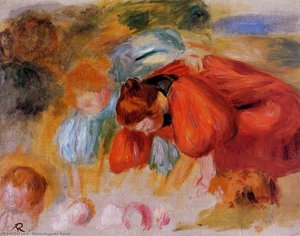
This painting showcases Ensor's ability to convey movement and energy through his compositions. It’s a prime example of Expressionism, utilizing distorted forms and exaggerated features to express intense emotions.
Βιογραφικό Καλλιτέχνη
Ο James Ensor (1860-1949) ήταν ένας Βέλγος ζωγράφος και εκφραστής του σουρεαλισμού & της έκπληξης. Δημιούργησε έργα με μάσκες, καρναβάλια & σκελετούς, αμφισβήτησε τις συμβάσεις και εξερεύνησε το σκοτεινό πλευρά της ανθρώπινης ύπαρξης.
Σχετικά με το έργο
A World Distorted – James Ensor’s *Les Ballerines*
James Ensor's *Les Ballerines*, painted in the late 19th century, isn’t merely a depiction of dancers; it’s an immersion into a fever dream, a carefully constructed tableau of unsettling energy and psychological depth. This work, a cornerstone of Expressionism, pulsates with a raw emotionality rarely found in academic art of its time. Ensor, born in Ostend, Belgium – a city steeped in maritime history and cultural exchange between England and France – was profoundly shaped by his upbringing amidst the vibrant chaos of a seaside resort town. His parents’ souvenir shop, overflowing with exotic masks, shells, and curiosities, provided an unparalleled visual feast, fueling a lifelong fascination with disguise, performance, and the hidden anxieties beneath the surface of everyday life. *Les Ballerines* is a direct manifestation of this preoccupation, a deliberate fracturing of reality to expose the unsettling truths it conceals.
The Dance of Distortion: Style and Technique
Ensor’s approach to composition is deliberately disorienting. The scene unfolds with a frenetic energy, populated by figures caught in various states of movement – dancers frozen mid-step, horses straining at their harnesses, and women observing the spectacle from different vantage points. Bold brushstrokes dominate the canvas, creating a sense of immediacy and urgency. Colors are applied with an almost violent intensity; reds, yellows, and greens clash and vibrate, contributing to the painting’s overall feeling of unease. Notice how Ensor employs a flattened perspective, pushing figures forward and blurring spatial relationships – a technique that further intensifies the sense of claustrophobia and disorientation. The use of impasto, applying paint thickly to the surface, adds texture and physicality, as if the scene itself is struggling to contain its own turbulent energy. It’s a masterful demonstration of how color, brushwork, and composition can be used to evoke powerful emotional responses.
Symbolism Within the Spectacle
*Les Ballerines* is rich in symbolic layers, inviting multiple interpretations. The dancers themselves represent not just performers but also figures trapped within societal expectations – their movements constrained by the demands of the stage and the watchful eyes of the audience. The horses, often associated with power and movement, here seem restless and agitated, mirroring the underlying tension of the scene. The presence of a chair, positioned as a point of relative stability amidst the chaos, suggests a fleeting moment of respite or perhaps an acknowledgement of the fragility of order. Even the setting – a dimly lit interior – contributes to the painting’s atmosphere of mystery and foreboding. The inclusion of masks, so central to Ensor's artistic vocabulary, hints at the idea that appearances are deceptive and that individuals often conceal their true selves behind carefully constructed facades.
A Bridge Between Eras: Expressionism and Beyond
*Les Ballerines* stands as a pivotal work in the development of Expressionism, anticipating the movements of artists like Edvard Munch and Wassily Kandinsky. Ensor’s deliberate distortion of form and his focus on conveying intense emotions – fear, anxiety, and alienation – paved the way for later avant-garde styles. His exploration of psychological themes and his willingness to challenge conventional artistic norms were revolutionary for his time. The painting's influence can be seen in the works of Surrealists like Salvador Dalí and even in the vibrant color palettes of Fauvist painters. Studying *Les Ballerines* offers a valuable window into the origins of these influential movements, demonstrating how Ensor’s unique vision laid the groundwork for future generations of artists to explore the darker corners of the human psyche.
Bringing *Les Ballerines* Home: A Reproduction for Your Space
TopImpressionists.com offers meticulously crafted hand-painted reproductions of James Ensor's *Les Ballerines*, allowing you to experience the power and intensity of this iconic artwork in your own home or office. Our skilled artisans replicate Ensor’s distinctive style with exceptional accuracy, capturing the painting’s dynamic composition, vibrant colors, and unsettling atmosphere. Whether you are an art enthusiast, a collector seeking a unique addition to your collection, or simply someone drawn to the beauty of Expressionist art, our reproductions provide a stunning and authentic representation of this remarkable masterpiece. Explore the full range of sizes and canvas options available on TopImpressionists.com – and bring the captivating world of *Les Ballerines* into your space.
Ερωτήσεις και Απαντήσεις
Ποια είναι η προτεινόμενη χρήση μιας εκτύπωσης του "Les Ballerines";
Μια αναπαραγωγή του έργου "Les Ballerines" του James Ensor προτείνεται για Statement, καθώς η πρόταση αυτή πηγάζει από το θέμα, τη διάθεση και τα χρώματα του ίδιου.
Για ποιο δωμάτιο προτείνεται το έργο "Les Ballerines" του James Ensor, δεδομένης της χρωματικής του παλέτας;
Με τη χρωματική παλέτα του/της Dark, το έργο "Les Ballerines" του James Ensor προτείνεται για ένα Living Room. Τα χρώματα αποτελούν μέρος της α$\\υ$\\γ$\\η$\\μ$\\ε$\\ι$\\α$\\ς$ αυτή$\\s$ πρό$\\τα$\\σης$.
Σε ποιο καλλιτεχνικό ρεύμα ανήκει το "Les Ballerines";
Το έργο "Les Ballerines" του James Ensor ανήκει στο καλλιτεχνικό κίνημα Expressionist Style. Αυτό το κίνημα παρέχει το στυλιστικό πλαίσιο του έργου.
Γρήγορα στοιχεία και κвиζ τέχνης
Σχετικά με τον James Ensor

James Ensor
1860 - 1949, Βέλγιο
Βιογραφικό Καλλιτέχνη
A Life Immersed in Masks and Shadows: The World of James Ensor
James Sidney Edouard Ensor, γεννημένος στην Οστράνδος της Βελγίου το 1860, υπήρξε μια πολυσχιδής προσωπικότητα – γιος Άγγλου πατέρα και Βελγικής μητέρας. Αυτή η διττή καταγωγή πιθανόν να σηματοδότησε την αιώνια ενασχόλησή του με τις μάσκες και τα παρακείμενα, θέματα που θα κυριαρχούσαν στην αμφιλεγόμενη αλλά συναρπαστική καλλιτεχνική του πορεία. Αναγεννώμενος σε μια πολυσύχναστη παραθαλάσσια πόλη, ο νεαρός Τζέημς επηρεάστηκε βαθιά από την ατμόσφαιρα των καρναβαλιών και των περίεργων αντικειμένων που έμοιαζε να διαθέτει το σπίτι του. Οι γονείς του λειτουργούσαν ένα κατάστημα αναμνηστικών, γεμάτο από κοχύλια, μάσκες καρναβάλι και ασυνήθιστα είδη – έναν ουσιαστικό θησαυρό που πυροδότησε τη φαντασία του και παρείχε μια πλούσια οπτική γκάμα για το μέλλον του. Παρά την αρχική διστακτικότητα να ακολουθήσει τις παραδοσιακές ακαδημαϊκές πορείες, ο Ensor εντάχθηκε τελικά στην Ακαδημία των Beaux-Arts στο Βρυξέλλες, αλλά σύντομα συνειδητοποίησε ότι η αυστηρή δομή της δεν ήταν κατάλληλη για το αναπτυσσόμενο καλλιτεχνικό του όραμα. Γρήγορα αποφάσισε να χτίσει τον δικό του δρόμο, έναν που θα τον οδηγούσε πολύ πέρα από τα καθιερωμένα όρια.From Somber Realism to Grotesque Visions
Τα πρώτα έργα του Ensor αντικατοπτρίζουν μια πιο παραδοσιακή προσέγγιση, απεικονίζοντας σκηνές καθημερινής ζωής σε σκοτεινές αποχρώσεις. Έργα όπως το *Ρωσική Μουσική* (1881) και το *Οι Πίνειοι* (1883) αποκαλύπτουν ένα ταλέντο που αναδύεται, προσπαθώντας να αφομοιώσει τον ρεαλισμό, αλλά ακόμη και σε αυτά τα πρώιμα κομμάτια υπάρχουν ενδείξεις για την αμφίβολη εικόνα που θα ακολουθήσει. Μια μετατόπιση σημειώθηκε καθώς η παλέτα του Ensor φωτίστηκε και το θέμα του έγινε όλο και πιο παράξενο. Άρχισε να πληθωρίζει τα έργα του με καρναβάλια, σκελετούς, πιόνια και συμβολικές φιγούρες – έναν κόσμο βαθιά ριζωμένο στην φαντασία και συχνά προσεγγίζοντάς τον σουρνιέ. Αυτό δεν ήταν απλώς μια αισθητική αλλαγή, αλλά μια συνειδητή εξερεύνηση των σκοτεινών πτυχών της ανθρώπινης ύπαρξης, μια απόρριψη των κοινωνικών κανόνων και μια αποδοχή του παράλογου. Ο στυλ του έγινε άμεσα αναγνωρίσιμο για την τολμηρή του χειρονομία, τα έντονα χρώματα και τη θεατρικότητά του – μια οπτική γλώσσα μοναδική για αυτόν. Η επιρροή του παιδικού του περιβάλλοντος είναι αδιαμφισβήτητα εμφανής: οι μάσκες καρναβάλι δεν ήταν απλώς διακοσμητικά στοιχεία, αλλά σύμβολα κρυφών ταυτοτήτων, κοινωνικής κριτικής και εύθραυστης εμφάνισης.Masterpieces of Disquiet: Key Works and Recurring Themes
Κατά τη διάρκεια της καλλιτεχνικής του πορείας, ο Ensor δημιούργησε μια σειρά έργων που συνεχίζουν να σοκάρουν και να εντυπωσιάζουν το κοινό μέχρι σήμερα. Το *Σκάνδαλο Μάσκες* (1883) αποτελεί ένα πρώιμο παράδειγμα της εμμονής του με τη δύναμη της μίμησης και την ικανότητά της να αποκαλύπτει κρυφές συναισθήσεις. Ίσως το πιο αμφιλεγόμενο έργο του, το *Εισαγωγή του Χριστού στην Βρούσελ* (1888-1889), παραμένει μια ισχυρή σάτιρα της θρησκευτικής αυταπάτης και της κοινωνικής αδιαφορίας – ένα έργο που αρχικά δέχτηκε σκληρή κριτική, αλλά τώρα τιμάται ως ένα μνημείο. Η σουρεαλιστική εικόνα του Χριστού που εισέρχεται σε μια πόλη γεμάτη με παράξενες μάσκες αποτελεί μια έντονη παρατήρηση της αντισυμβατικής φύσης μεταξύ πνευματικών ιδανικών και ανθρώπινης συμπεριφοράς. Το *Σκελετοί που Δρέχονται για ένα Εκρεμώμενο Άνθρωπο* (1891) προσφέρει μια σκληρή μελέτη της θνητότητας, της αποσύνθεσης και της ανοησίας της ζωής, ενώ το *Πάθος του Αγίου Αντωνίου* (1887) εξερευνά περίπλοκα συμβολικά θέματα της искушения, του αμαρτήματος και της πνευματικής μάχης. Επαναλαμβανόμενα σε όλη του την καλλιτεχνική πορεία είναι οι διερευνήσεις του θανάτου, της κοινωνικής κριτικής, της θρησκευτικής σάτιρας και της απεριόριστης δύναμης της φαντασίας – θέματα που αντηχούν με μια διαχρονική συνάφεια.A Pioneer of Modernism: Influences and Legacy
Παρά την άρνησή του να κατηγοριοποιηθεί εύκολα, η καλλιτεχνική του καταγωγή είναι περίπλοκη και συναρπαστική. Αναγνώρισε επιρροές από μάστερες όπως ο Πιέτερ Μπρούγκελ ο Τέταρτος, των οποίων οι πυκνοκατοικημένες σκηνές και οι ηθικοποιήσεις αντηχούσαν με το δικό του όραμα, καθώς και ο Φραντσίσκο Γκόγια, του οποίου η σκοτεινή χιούμορ και η αδιάλλακτη απεικόνιση της ανθρώπινης φύσης άφησε μια διαρκή εντύπωση. Οι καλλιτεχνικές επιδιώξεις του James Abbott McNeill Whistler επίσης έπαιξαν ρόλο στη διαμόρφωση των καλλιτεχνικών του προτιμήσεων. Ωστόσο, ο Ensor δεν ήταν απλώς ένας μιμητής, αλλά συνδύασε αυτές τις επιρροές σε κάτι εντελώς νέο και πρωτότυπο. Τον αναγνωρίζουν σήμερα ως έναν καθοριστικό παράγοντα στην μετάβαση από τον συμβολισμό του 19ου αιώνα στον σουρεαλισμό της πρώτης δεκαετίας του 20ού αιώνα – έναν πραγματικό πρωτοπόρο της σύγχρονης τέχνης. Η τολμηρή του εξερεύνηση του υποσυνείδητου, η αποδοχή της σουρνιέ εικόνας και η άρνησή του για τις ακαδημαϊκές συμβάσεις ανοίγουν τον δρόμο για μετέπειτα γενιές καλλιτεχνών που τολμούσαν να αμφισβητήσουν τους καλλιτεχνικούς κανόνες. Παρά την αρχική αντίσταση, ο Ensor τελικά απέκτησε αναγνώριση στην μεταγενέστερη ζωή του, διορίστηκε Μάρκος από τον Βασιλιά Άλμπερτ I το 1929 και τιμήθηκε με τον Σταυρό της Τιμής το 1933. Πέθανε στην Οστράνδος μετά από μια σύντομη ασθένεια, αφήνοντας πίσω του ένα σώμα εργασίας που συνεχίζει να εντυπωσιάζει, να σοκάρει και να εμπνέει.Γρήγορα στοιχεία για τον/την James Ensor
- Artistic Movement Or Style: Εκφρατισμός, Σουρεαλισμός
- Artists Or Movements Influenced By This Artist:
- Εκφρατισμός
- Σουρεαλισμός
- Artists Who Influenced This Artist:
- Bruegel ο Παιρέτης
- Goya
- Whistler
- Date Of Birth: 13 Απρ 1860
- Date Of Death: 19 Νοε 1949
- Full Name: James Sidney Edouard Ensor
- Nationality: Βελγιος
- Notable Artworks:
- Μάσκες Απογοητευμένες
- Σκελετάκια...
- Είσοδος του Χριστού...
- Place Of Birth: Ostend, Βέλγιο
Σχετικά Έργα Τέχνης



Εξερευνήστε έργα τέχνης ταξινομημένα ανά θέμα, στυλ και χαρακτηριστικά.


James Ensor
Les Ballerines
() ·
Συμπεριλαμβανομένου του πλαισίου: · Χειροποίητο με λάδια σε λινό
Σύνολο