


 Προεπισκόπηση
 Αποστολή
 Κοινοποίηση
 Λεπτομέρειες
 Οδηγός

 Λήψη
Λήψη
 Παρόμοια αντικείμενα συλλογής
 Ακτινογραφία
 Παρουσίαση
 Στατιστικά
Teika
 1899
1899 68.0 x 85.0 cm
 Περισσότερα λεπτομέρεια
Ο Γιάνης Ροζεντάλς (1866-1916): Ένας πρωτοπόρος της λاتفικής τέχνης, με έργα που συνδυάζουν ρεαλισμό και συμβολισμούς. Ανακαλύψτε τον!
Giclée / Εκτυπώσεις Τέχνης
Εκτύπωση giclée ή σε καμβά ποιότητας μουσείου με γρήγορη παραγωγή και ευέλικτες επιλογές φινιρίσματος. ( Αγορά χειροποίητου πίνακα Μετάβαση σε Ψηφιακή Εικόνα)




































Πρότυπο
κατόπιν παραγγελίας
CM
INCH
Επιλέξτε από τις προκαθορισμένες διαστάσεις μας που διατηρούν τις αρχικές αναλογίες του έργου τέχνης.
Loading sizes...

πλάτος
ύψος
Πληκτρολογήστε το πλάτος και το ύψος που επιθυμείτε, ώστε να ταιριάζουν στο κάδሮ ή στον τοίχο σας. Μια εκτύπωση μπορεί μόνο να κοπεί και ποτέ να μην γίνει μεγαλύτερη από την εικόνα, επομένως ένα μέγεθος με διαφορετικό σχήμα συνεπάγεται απώλεια ενός μέρους της εικόνας. Σας στέλνουμε ένα ψηφιακό mockup για έγκριση πριν εκτυπώσουμε οτιδήποτε. Η εικόνα που εμφανίζεται σε αυτή τη σελίδα δεν δείχνει την πραγματική κοπή — μόνο το mockup την παρουσιάζει.
Παγκόσμια Αποστολή () σε 2 εβδομάδες αντί για τις συνήθεις 4/5 εβδομάδες. (24 Οκτώβριος)

Δωρεάν γρήγορη διεθνής αποστολή

Κάμβας από Λινό Υψηλής Ποιότητας

Πλήρης ασφάλιση μεταφοράς

Εγγύηση επιστροφής δασμών και φόρων εισαγωγής

Εγγύηση Απόλυτης Ομοιότητας Χρωμάτων

Πολιτική Επιστροφής 100 Ημερών (Μόνο σε περίπτωση ελαττωμάτων)

Εγγύηση επιστροφής 100% των χρημάτων

Έκπτωση για πολλαπλές παραγγελίες
 Η επιλογή με γυαλί είναι διαθέσιμη μόνο για μεγέθη κάτω από 110 εκ.

Teika
Giclée / Εκτυπώσεις Τέχνης
Διαστάσεις Αναπαραγωγής
-


Συνολικό Κόστος
€ 61
The painting Teika by Janis Rozentāls is a stunning example of Latvian art from the late 19th century. Created in 1899, this beautiful piece is a testament to the artist's skill and attention to detail. The painting features a woman playing a harp, surrounded by lush greenery and a serene atmosphere.
The Teika painting is a must-see for anyone interested in Latvian art and history. With its beautiful colors, delicate lines, and serene atmosphere, it is a true masterpiece that continues to captivate audiences to this day.
The Artist and His Work
Janis Rozentāls was a renowned Latvian painter, known for his impressive collection of artworks that can be found in the Latvian National Museum of Arts. His paintings often depicted scenes from everyday life, as well as mythological and symbolic themes. The Teika painting is a prime example of his ability to capture the essence of a moment in time. Key Features of the Painting The painting measures 68 x 85 cm and is created using pastel techniques. The soft colors and delicate lines used in the piece create a sense of intimacy and tranquility. The woman's focus on playing the harp is palpable, and the surrounding environment seems to be at peace.- The painting is a beautiful representation of Latvian art from the late 19th century
- The use of pastel techniques creates a soft and delicate atmosphere
- The woman's focus on playing the harp is a testament to the artist's attention to detail
The Teika painting is a must-see for anyone interested in Latvian art and history. With its beautiful colors, delicate lines, and serene atmosphere, it is a true masterpiece that continues to captivate audiences to this day.
Ερωτήσεις & Απαντήσεις
Τα χρώματα του "Teika" φαίνονται έντονα ή απαλά;
Το έργο "Teika" του Γιάννης Ροζεντάλς παρουσιάζει μια ένταση χρώματος με επίπεδο Monochromatic.
Πώς συνδέονται μεταξύ τους τα χρώματα του "Teika";
Τα χρώματα του έργου "Teika" του Γιάννης Ροζεντάλς παρουσιάζουν μια αρμονία Strong Color Unity. Η αρμονία περιγράφει τον τρόπο με τον οποίο τα χρώματα συνδέονται μεταξύ τους.
Με τι άλλα ονόματα είναι γνωστός/η ο/η Γιάννης Ροζεντάλς;
Ο/Η Γιάννης Ροζεντάλς εμφανίζεται και με τα εναλλακτικά ονόματα Γιάννης Ρόθενταλς.
Βιογραφικό Καλλιτέχνη
A Pioneer of Latvian Painting: The Life and Art of Janis Rozentāls
Janis Rozentāls, born on March 18, 1866, in the tranquil village of Bebri Farmstead near Saldus, stands as a cornerstone of Latvian art history. His life’s journey, from humble beginnings as the son of a blacksmith to becoming one of Latvia's most celebrated painters, is a testament to his unwavering dedication and profound connection with his homeland. Rozentāls’ artistic vision was deeply rooted in the landscapes and cultural traditions of Courland, an environment that would forever shape his palette and subject matter. Initially receiving only basic education, he embarked on a path toward artistic expression at the age of fifteen, relocating to Riga where he began formal training, ultimately enrolling at the prestigious Saint Petersburg Academy of Arts in 1888. This academic foundation provided him with essential technical skills and exposed him to the broader currents of European art, yet it never eclipsed his innate desire to capture the essence of Latvia itself.Blending Tradition and Modernity: Artistic Development and Style
Rozentāls’ artistic development is characterized by a remarkable synthesis of influences – primarily Impressionism and Art Nouveau – skillfully interwoven with a distinctly Latvian sensibility. He wasn't merely replicating these movements; he was transforming them, imbuing them with a unique character that resonated deeply with the burgeoning national consciousness of his time. A defining feature of his compositions is an intentional asymmetry coupled with a flowing, wavelike rhythm, hallmarks of Art Nouveau’s decorative elegance. However, Rozentāls masterfully balanced this ornamental quality with a subtle understanding of tonal variations and color relationships, preventing his work from becoming overly stylized or artificial. He expertly combined flatness with soft transitions, creating images that were both visually arresting and emotionally evocative – capturing not just the appearance of a scene but also its underlying mood and spirit. His subject matter was incredibly diverse, ranging from poignant portraits that revealed the inner lives of his subjects to breathtaking landscapes celebrating the beauty of Latvian nature, particularly vibrant spring scenes brimming with life and color. His work in 1910, creating decorative friezes for the Riga Latvian Society, demonstrated his ability to execute monumental projects while maintaining artistic integrity. Beyond painting, Rozentāls was a prolific graphic artist, producing book designs, magazine illustrations, posters, and drawings – showcasing the breadth of his creative talent and his versatility as an artist.A Finnish Interlude: Marriage and Artistic Exchange
A pivotal chapter in Rozentāls’ life unfolded in 1902 when he met Elli Forssell, a captivating Finnish singer, in Riga. Their marriage in 1903 wasn't merely a personal union; it served as a catalyst for artistic exchange and broadened horizons significantly. The connection with Finland profoundly influenced his artistic perspective, leading him to deeply appreciate the work of Finnish artists such as Gallen-Kallela, Järnefelt, Halonen, and Saarinen. He wrote extensively about their art, recognizing in them a kindred spirit – a shared commitment to expressing national identity through innovative artistic forms. From 1905 to 1916, the couple resided in Helsinki, providing Rozentāls with an immersive experience of Finnish culture and further enriching his artistic vision. This period witnessed continued artistic productivity, as he seamlessly integrated Latvian roots with the influences of his adopted environment, resulting in a unique and compelling synthesis of styles.Lasting Legacy: Major Works and Historical Significance
Janis Rozentāls’ legacy is firmly established through a remarkable body of work that continues to resonate with audiences today. His portraits – including those of A. Dombrovskis, Rūdolfs Blaumanis, and his beloved wife Elli Forssell – are not simply likenesses; they are insightful studies of character and personality, capturing the essence of their subjects’ inner lives. Landscapes such as “From Church” (1894) and “Picnic” (1913) beautifully evoke the serene beauty of the Latvian countryside, imbued with a sense of nostalgia and reverence for nature's bounty. His symbolic works – including "Temptation" and "Eve with the Apple" – explore universal themes of morality, desire, and spirituality through a captivating blend of realism and symbolism. Furthermore, he created altar pieces for Latvian churches, adapting his style to suit a broader audience while consistently upholding artistic quality. Janis Rozentāls passed away on December 26, 1916, in Helsinki, Finland, but was later reburied in Forest Cemetery, Riga, in 1920. His impact extends far beyond his paintings; the Janis Rozentāls Art High School in Riga stands as a lasting testament to his dedication to artistic education, and a memorial museum located in Saldus preserves his life and work for future generations. He remains a pivotal figure in Latvian art history, celebrated not only for his artistic achievements but also for his significant contribution to the development of a distinct national identity through his art – truly a pioneer of his time.Current Meta Description:
Discover Janis Rozentāls (1866-1916), a Latvian master of Impressionism & Art Nouveau! Explore his captivating portraits, landscapes, and symbolic works – a founder of modern Latvian art.Current Meta Keywords:
Janis Rozentals, Latvian art, Art Nouveau, Impressionism, Baltic painting, portraiture, landscapes, Elli Forssell, Riga artists, symbolism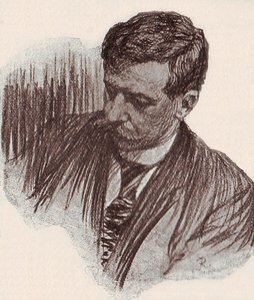
Γιάννης Ροζεντάλς
1866 - 1916 , Λετονία
Στοιχεία καλλιτέχνη
- Artistic Movement Or Style: Ιμπρεσιονισμός, Αρτ Νούβου
- Artists Or Movements Influenced By This Artist: ['Λετονική τέχνη']
- Artists Who Influenced This Artist: ['Ελφινά Φορσέλ']
- Date Of Birth: 1866-03-18
- Date Of Death: 1916-12-26
- Full Name: Janis Rozentāls
- Nationality: Λετονας
- Notable Artworks:
- Nāve
- Noēmišana
- Πικνίκ
- Place Of Birth: Saldus, Λετονία