


 Προεπισκόπηση σε πραγματική κλίμακα
 Αποστολή
 Κοινοποίηση
 Λεπτομέρειες
 Οδηγός

 Λήψη
Λήψη
 Παρόμοια αντικείμενα συλλογής
 Ακτινογραφία
 Παρουσίαση
 Q&A
Q&A Στατιστικά
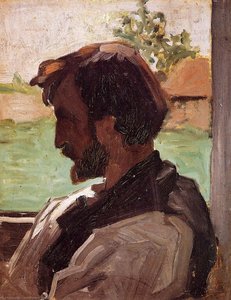
Self Portrait with Palette


Admire Frédéric Bazille's 'Self-Portrait with Palette' (1865). A poignant glimpse into the life of an Impressionist painter, capturing his dedication and artistic spirit in a striking self-portrait.
 Περισσότερα
Ο Ζαν Φρενδερίκ Μπαζίλ (1841-1870): Ένας ξεχωριστός ζωγράφος του ιμπρεσιονισμού, γνωστός για τα φωτεινά τοπία και τις φιλίες του με τον Μονέ & τον Ρενώ. Ανακαλύψτε έργα τέχνης!
Giclée / Εκτυπώσεις Τέχνης
Εκτύπωση giclée ή σε καμβά ποιότητας μουσείου με γρήγορη παραγωγή και ευέλικτες επιλογές φινιρίσματος. ( Αγορά χειροποίητου πίνακα Μετάβαση σε Ψηφιακή Αποτέλεσμα)




P118B €10

P118H €10

P118W €10

P438Z €10

P508JH €12

P508YH €12

P805H €10

P805Z €10

P919BZ €10

P919G €10

P919XJ €10

P959ZH €10

P968JZ €12

W106C €8

W218G €10

W218JH €8

W218Y €10

W307PJ €10

W316G €10

W316PJ €8

W316Y €10

W398PJ €8

W4111J €10

W500HY €15

W500JH €15

W692G €12

W849H €8

W940BG €15

W953PJ €8




Πρότυπο
κατόπιν παραγγελίας
CM
INCH
Επιλέξτε από τις προκαθορισμένες διαστάσεις μας που διατηρούν τις αρχικές αναλογίες του έργου τέχνης.
Loading sizes...

πλάτος
ύψος
Εισάγετε το πλάτος και το ύψος που επιθυμείτε, ώστε να ταιριάζουν στο κάδሮ ή στον τοίχο σας. Μια εκτύπωση μπορεί μόνο να υποστεί κοψίμό και ποτέ να μην γίνει μεγαλύτερη από την αρχική εικόνα, επομένως η επιλογή μεγέθους με διαφορετικό σχήμα συνεπάγεται απώλεια ενός μέρους της εικόνας. Σας στέλνουμε ένα ψηφιακό mockup για έγκριση πριν προχωρήσουμε σε οποιαδήποτε εκτύπωση. Η εικόνα που εμφανίζεται σε αυτή τη σελίδα δεν δείχνει την πραγματική κοπή — μόνο το mockup την παρουσιάζει.
Παγκόσμια Αποστολή () σε 2 εβδομάδες αντί για τις συνήθεις 4/5 εβδομάδες. (30 Οκτώβριος)

Δωρεάν γρήγορη διεθνής αποστολή

Κάμβας από Λινό Υψηλής Ποιότητας

Πλήρης ασφάλιση μεταφοράς

Εγγύηση επιστροφής δασμών και φόρων εισαγωγής

Εγγύηση Απόλυτης Ομοιότητας Χρωμάτων

Πολιτική Επιστροφής 100 Ημερών (Μόνο σε περίπτωση ελαττωμάτων)

Εγγύηση επιστροφής 100% των χρημάτων

Προσφορά για πολλαπλές παραγγελίες
 Η επιλογή με γυαλί είναι διαθέσιμη μόνο για μεγέθη κάτω από 110 εκ.

Self Portrait with Palette
Giclée / Εκτυπώσεις Τέχνης
Διαστάσεις Αναπαραγωγής
-


Τελική Τιμή
€ 61
A Moment Frozen in Time: Jean Frédéric Bazille’s “Self Portrait with Palette”
Jean Frédéric Bazille's "Self Portrait with Palette," painted in 1865, is more than just a depiction of an artist; it’s a poignant snapshot of ambition, vulnerability, and the burgeoning spirit of Impressionism. Created during a remarkably brief but intensely productive period in his career, this oil-on-canvas work offers a rare glimpse into the mind of a young man grappling with his artistic aspirations amidst the vibrant, transformative atmosphere of Paris. The painting resides within the esteemed collection of the Art Institute of Chicago, a testament to its enduring quality and significance.
The composition is strikingly direct and unadorned. Bazille, dressed in a dark suit and tie – attire indicative of his medical studies before embracing art full-time – stands before a simple, dark background. His gaze meets the viewer head-on, an almost disconcerting level of intimacy that immediately draws us into the scene. In his hand, he holds a palette brimming with vibrant pigments, hinting at the creative energy simmering beneath the surface. The subtle inclusion of brushes further emphasizes his profession and the tools of his trade. The painting’s stark simplicity—a deliberate choice by Bazille—forces us to confront the artist himself, stripping away any romanticized notions of artistic genius and presenting a raw, honest portrayal.
Impressionism in Miniature: Technique and Light
Bazille's technique is firmly rooted in the principles of Impressionism, though with a distinctly personal touch. He employs loose brushstrokes and a broken color palette—a hallmark of the movement—to capture the fleeting effects of light and atmosphere. Notice how he doesn’t meticulously render every detail; instead, he uses dabs and dashes of paint to suggest form and texture. The lighting is particularly noteworthy – it's diffused and naturalistic, casting soft shadows that contribute to the painting’s overall sense of immediacy. The artist was experimenting with *plein air* painting—working outdoors directly from nature—a technique championed by Monet and others during this period, aiming to capture the transient qualities of light and color.
Interestingly, Bazille utilized a mirror to create this self-portrait, a common practice among artists seeking to accurately represent their own features. This method allowed him to observe his posture, expression, and overall appearance with meticulous detail, ensuring a truthful representation of himself. The subtle asymmetry in the composition—a slight tilt of the head, for instance—adds to the painting’s sense of spontaneity and immediacy.
A Life Cut Short: Context and Symbolism
Understanding the historical context surrounding Bazille's life is crucial to appreciating this work fully. Born in Montpellier, France, in 1841, he initially pursued a medical career alongside his artistic inclinations, a compromise dictated by his family’s desire for financial security. However, drawn to the vibrant artistic community of Paris, he abandoned medicine in favor of painting, a decision that ultimately proved tragically short-lived. Bazille was killed during the Franco-Prussian War in 1870, at just twenty-eight years old – a devastating loss for the burgeoning Impressionist movement.
The “Self Portrait with Palette” can be interpreted as a symbolic representation of this young artist’s aspirations and anxieties. The palette itself represents his creative potential, while his direct gaze suggests a desire to connect with the viewer—to share his artistic vision. Some art historians suggest that Bazille's melancholy expression hints at the pressures he faced, balancing his artistic ambitions with societal expectations and the looming shadow of war. It’s a portrait not just of an artist, but of a man on the cusp of greatness, grappling with mortality and the uncertainties of his future.
A Legacy of Light: The Painting's Enduring Appeal
Despite its brevity, Bazille’s career left an indelible mark on the Impressionist movement. His work exemplifies the movement’s focus on capturing fleeting moments of light and color, as well as its rejection of traditional academic painting techniques. “Self Portrait with Palette” remains a powerful testament to his talent and vision—a poignant reminder of a brilliant artist whose life was tragically cut short. Reproductions of this iconic piece continue to resonate with art lovers today, offering a glimpse into the heart and soul of an Impressionist master.
Ερωτήσεις και Απαντήσεις
Μπορώ να παραγγείλω μια αναπαραγωγή με λάδι του "Self Portrait with Palette";
Το έργο "Self Portrait with Palette" είναι διαθέσιμο ως αναπαραγωγή με ζωγραφισμένο με λάδι σε καμβά λινου. Μπορείτε να πραγματοποιήσετε την παραγγελία σας στη σελίδα Αντιγραφή με Χειρόχειρο Ζωγράφισμα, επιλέγοντας το επιθυμητό μέγεθος.
Πώς συνδέει το "Self Portrait with Palette" του Ζαν Φρικέ Μπαζίλ το Impressionist Painting με τη χώρα καταγωγής του καλλιτέχνη;
Το έργο "Self Portrait with Palette" δημιουργήθηκε από τον/την Ζαν Φρικέ Μπαζίλ, που γεννήθηκε στην/στη Γαλλία, στο πλαίσιο του movements Impressionist Painting. Η καταγωγή του/της καλλιτέχνη συνδέει το έργο με το Impressionist Painting, όπως αυτό προβάλλεται από καλλιτέχνες της/του Γαλλία.
Ποια τεχνική χρησιμοποιήθηκε για το "Self Portrait with Palette" και πότε δημιουργήθηκε;
Η τεχνική του έργου "Self Portrait with Palette" του Ζαν Φρικέ Μπαζίλ είναι Oil On Canvas και η χρονολογία του είναι το 1865.
Σχετικά Έργα Τέχνης




Βιογραφικό Καλλιτέχνη
Η Σύντομη Αύρα του Ζαν Φρικέ Νταμπασίλ
Ο Ζαν Φρικέ Νταμπασίλ, ένας καλλιτέχνης που η ζωή του κόπηκε βίαια, αποτέλεσε μια σημαντική, αν και σύντομη, συνεισφορά στην αναβίωση της ιμπρεσιονιστικής σχολής. Γεννήθηκε στη Μονπελιέ, τη γενέτειρά του, την 6η Δεκεμβρίου 1841, σε μια πλούσια προτεσταντική οικογένεια που ασχολούνταν με το εμπόριο κρασιού. Αρχικά, η πορεία του φαινόταν να οδηγεί σε μια ζωή πολύ μακριά από τον κόσμο της τέχνης. Οι γονείς του, αν και υποστηρικτικοί, επι insisted ότι θα ακολουθούσε σπουδές ιατρικής παράλληλα με τις καλλιτεχνικές του τάσεις – μια συμβιβαστική λύση που αντανακλούσε τις κοινωνικές προσδοκίες της εποχής και την επιθυμία τους για οικονομική ασφάλεια. Αυτή η διχοτόμηση θα διαμόρφωνε τα πρώτα του χρόνια, χωρίζοντας τη συγκέντρησή του μεταξύ της ανατομικής εξέτασης και της γοητευτικής έλξης του χρώματος και του φωτός. Ωστόσο, μέσα στην ζωντανή ατμόσφαιρα της Παρίσι, όπου μετακόμισε το 1862 για να συνεχίσει τις ιατρικές του σπουδές, ο Νταμπασίλ άρχισε να αναπτύσσει τον καλλιτεχνικό του δρόμο.Σχηματισμός ενός Δρόμου ανάμεσα στους Γίγαντες
Η Παρίσι αποτέλεσε ένα κρυστάλλινο ποτήρι για τον νεαρό Νταμπασίλ. Έπεσε γρήγορα στην καρδιά μιας ομάδας καλλιτεχνών που θα γίνονταν συνώνυμα του ιμπρεσιονισμού: Κλαύδιο Μονέ, Πιερ-Αυγουστέν Ρενώρ και Αλφρέν Σισλέ. Η μελέτη υπό τον Κάρλο Γκλιγιέρ παρείχε μια επίσημη εκπαίδευση, αλλά η κοινή πάθηση και οι ριζοσπαστικές ιδέες που ανταλλάχθηκαν μεταξύ αυτών των φίλων ανάβυσμασε το καλλιτεχνικό του όραμα. Η οικονομική του σταθερότητα – μια ευτυχής αντίθεση στην συχνά ασταθή ύπαρξη των συντρόφων του – επέτρεψε να υποστηρίξει γενναιόδωρα τους φίλους του, προσφέροντας χώρο εργασίας και υλικά. Αυτή η γενναιοδωρία δεν ήταν απλώς πρακτική: προερχόταν από μια βαθιά αλληλεγγύη και πίστη στην συλλογική τους δυναμικότητα. Έγινε ένας ζωτικός κόμβος για αυτό το αναδυόμενο κίνημα, ενθαρρύνοντας ένα περιβάλλον πειραματισμού και αμοιβαίας ενίσχυσης. Τα πρώτα του έργα, όπως το *Rosa Vestito* (c. 1864), ήδη αποκαλύπτουν μια οξυδέρκεια στην καταγραφή των φευγαλέων στιγμών και των επιδράσεων του φωτός – χαρακτηριστικά που θα ορίζουν τον ιμπρεσιονισμό. Δεν απλώς αντιγράφηκαν καθιερωμένες στυλιστικές τάσεις: συμμετείχε ενεργά στη δημιουργία κάτι εντελώς νέου.Στυλ Ορισμένο από Φως και Φιλία
Το καλλιτεχνικό στυλ του Νταμπασίλ, αν και αναπτύχθηκε γρήγορα, είχε ένα μοναδικό χαρακτήρα μέσα στο ευρύτερο ιμπρεσιονιστικό τοπίο. Ενώ μοιράζονταν τον ενθουσιασμό τους για την *plein air* ζωγραφική – εργασία σε εξωτερικούς χώρους για να αποτυπώσουν απευθείας τις λεπτομέρειες του φυσικού φωτός – οι συνθέσεις του συχνά παρουσίαζαν μια πιο δομημένη ποιότητα από αυτήν του Μονέ ή του Ρενώρ. Συχνά συνδύαζε την ζωγραφική μορφών με το τοπίο, τοποθετώντας τους θεματικούς του παράγοντες προσεκτικά μέσα στο περιβάλλον τους, όπως φαίνεται στα αριστουργήματα του *Family Reunion* (1867-1868). Αυτό το έργο δεν είναι απλώς μια απεικόνιση μιας οικογενειακής συγκέντρωσης: είναι μια εξερεύνηση του φωτός που διαπερνά τα δέντρα, ζωντανεύοντας τη σκηνή και ενυδατώνοντας την με μια αίσθηση ζεστασιάς και οικειότητας. Τα έργα του δεν ήταν απλώς για το *τι* έβλεπε, αλλά για το *πώς* το είδε – την συναισθηματική αντηχήση που προκαλούνται από το χρώμα, το σχήμα και το φως. Ήταν βαθιά επηρεασμένος από τον Εγκεν Ντελακ, η ζωντανή χρήση του χρώματος του οποίου αντηρέσε στις δικές του καλλιτεχνικές τάσεις, αλλά προχώρησε πέρα από τις ακαδημαϊκές συμβάσεις για να αγκαλιάσει μια πιο σύγχρονη αισθητική.Μια Ζωή που Αποκορύφωσε: Κληρονομιά και Τιμήση
Η αναπτυσσόμενη καριέρα του Ζαν Φρικέ Νταμπασίλ διακόπηκε βίαια από τον Γαλλο-Γερμανικό Πόλεμο το 1870. Με μια αίσθηση πατριωτικής υποχρέωσης, εντάθηκε σε ένα Zouave τάγμα λίγο πριν από την έναρξη της σύγκρουσης. Τραγικά, σκοτώθηκε στην μάχη στις 28 Νοεμβρίου 1870, σε νεαρή ηλικία μόλις 28 ετών, κοντά στο Μπεόυν-λα-Ρολάντ. Ο θάνατός του έστειλε σοκ στην καλλιτεχνική κοινότητα, αφαιρώντας από αυτούς έναν ταλαντούχο φίλο και γενναιόδωρο χορηγό. Η πρόωρη απώλειά του στέρησε την ευκαιρία να αναπτύξει πλήρως το ταλέντο του. Ωστόσο, στις πρόσφατες δεκαετίες, οι συνεισφορές του Νταμπασίλ έχουν αναγνωριστεί και γιορταστεί όλο και περισσότερο. Σήμερα, τα έργα του φυλάσσονται σε διάσημα μουσεία όπως το Μουσέου ντε Ορσέ στο Παρίσι, και οι αναπαραγωγές επιτρέπουν στους λάτρεις της τέχνης παγκοσμίως να βιώσουν την ομορφιά και την καινοτομία του όραμά του. Η κληρονομιά του εκτείνεται πέρα από την καλλιτεχνική του παραγωγή: ενσαρκώνει το πνεύμα της νεανικής ιδεαλιστικής σκέψης, της ακλόνητης αφοσίωσης και της δύναμης της φιλίας που οριοθετούσε τις πρώτες μέρες του ιμπρεσιονισμού. Μένει μια αξιοσημείωτη υπενθύμιση της χαμένης δυνατότητας, αλλά και ένα μαρτυρία για την διαρκή επίδραση μιας σύντομης αλλά λαμπρής καριέρας.
Ζαν Φρικέ Μπαζίλ
1841 - 1870 , Γαλλία
Γρήγορα στοιχεία
- Artistic Movement Or Style: Εντασσιατισμός
- Artists Or Movements Influenced By This Artist: ['Εντασσιατισμός']
- Artists Who Influenced This Artist: ['Eugène Delacroix']
- Date Of Birth: 6 Δεκεμβρίου 1841
- Date Of Death: 28 Νοεμβρίου 1870
- Full Name: Jean Frédéric Bazille
- Nationality: Γάλλος
- Notable Artworks:
- Το Ροζ Φόρεμα
- Οικογενειακή Συναντήση
- Place Of Birth: Μονπελιέ, Γαλλία
Σχετικά άρθρα

Paul Cézanne: Τα 25 Κορυφαία Έργα Τέχνης για Διακόσμηση & Συλλογή
Ανακαλύψτε τα 25 κορυφαία έργα τέχνης του Paul Cézanne! Ιμπρεσιονισμός, μετα-ιμπρεσιονισμός & η τεχνοτροπία του. Βρείτε πίνακες για διακόσμηση και συλλογή υψηλής ποιότητας στο TopImpressionists.com.

Reflecting the Self: A History of Portraiture & Psychological Insight
Explore the fascinating history of self-portraiture from Renaissance masters like Dürer & Rembrandt to modern interpretations. Discover the psychological insights and artistic techniques behind these iconic works. Expert analysis for art enthusiasts.

Impressionism: Τα 10 Εικόνες που Άλλαξαν την Τέχνη | TopImpressionists.gr
Ανακαλύψτε τα 10 κορυφαία έργα ιμπρεσιονισμού! Μονέ, Ρενουάρ & άλλοι ζωγράφοι αποτυπωμένοι σε πίνακες που εμπνέουν. Βρείτε αναπαραγωγές υψηλής ποιότητας για να διακοσμήσετε τον χώρο σας. Εξερευνήστε την πλήρη συλλογή στο TopImpressionists.gr

Οι 10 Κορυφαίοι Καλλιτεχνικοί Θησαυροί του Ιμπρεσιονισμού | .gr
Ανακαλύψτε τους 10 κορυφαίους πίνακες ιμπρεσιονισμού από Μονέ, Ρενουάρ & Ντεγκά. Ιστορίες τέχνης, τεχνικές και έμπνευση διακόσμησης. Βρείτε αναπαραγωγές υψηλής ποιότητας στο !

The Echo of Self: Reflectivity as a Core Theme in Art History & Contemporary Practice
Explore the rich history of self-representation in art, from Renaissance masters to modern innovators. Discover how artists use portraiture to reveal identity, emotion & the depths of the human psyche. Expert insights for collectors.
Εξερευνήστε έργα τέχνης ταξινομημένα ανά θέμα, στυλ και χαρακτηριστικά.

