


 Προεπισκόπηση σε πραγματική κλίμακα
 Αποστολή
 Κοινοποίηση
 Λεπτομέρειες
 Οδηγός

 Λήψη
Λήψη
 Παρόμοια αντικείμενα συλλογής
 Ακτινογραφία
 Παρουσίαση
 Στατιστικά
Sitges train station
 Oil
Oil- WallArt
- Impressionism
 1882
1882- 19th Century
 31.0 x 41.0 cm
 Maricel Museum
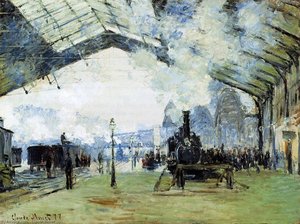
A powerful steam engine billows smoke through the bustling Sitges train station in this 1882 Impressionistic masterpiece by Joan Roig Soler, inviting you to bring a piece of Catalan history into your home.
 Περισσότερα
Discover Joan Roig Soler’s captivating landscapes & cityscapes of Spain (1852-1909). Explore his vibrant paintings of Sitges, Blanes & Madrid – a master of light & color!
Λάβετε ένα αρχείο έτοιμο για εκτύπωση, το οποίο ξεπερνά κατά πολύ την προεπισκόπηση ιστότοπου. Κάθε ψηφιακή εικόνα που διαθέτουμε προέρχεται από ένα αρχείο υψηλής ανάλυσης στη βάση δεδομένων μας —συνήθως με πλάτος 5.000 έως 15.000 pixel— ώστε να μπορείτε να εκτυπώσετε σε μεγάλο μέγεθος, να κάνετε στενές κοψιμές ή να αναπαράγετε λεπτομερείς λεπτομέρειες με απόλυτη εμπιστοσύνη.
Κανένα αρχείο δεν φεύγει από το στούντιο μας χωρίς να υποστεί επεξεργασία. Ένας ειδικός ψηφιακών εικόνων ελέγχει τα χρώματα σε σύγκριση με το πρωτότυπο έργο και τα διορθώνει αν χρειαστεί, στη συνέχεια βελτιώνει την καθαρότητα και τις λεπτομέρειες με επαγγελματικά εργαλεία αφαίρεσης ατέλειων — παραμένοντας πάντα πιστός στις πινελιές και το ύφος του καλλιτέχνη. Το αποτέλεσμα είναι μια εικόνα που μοιάζει με το ίδιο το αριστούργημα και όχι με ένα σκανάρισμα με φίλτρα.
Εγκρίνετε πριν την ολοκλήρωση: ο ειδικός μας σας στέλνει την εικόνα μέσω e-mail εντός 72 ωρών για επανεξέταση. Δεν είστε ικανοποιημένοι; Ζητήστε βελτιώσεις ή διορθώσεις, ή ζητήστε επιστροφή χρημάτων εάν η ποιότητα δεν ανταποκρίνεται στις προσδοκίες σας.
Αυτή είναι η ποιότητα στην οποία εμπιστεύονται οι εκδότες, τα design studios, οι γκαλερί και τα εκτυπωτήρια.
Ψηφιακή εικόνα
Κατεβάστε ένα αρχείο υψηλής ανάλυσης για προσωπική χρήση, εκτύπωση και δημιουργικά έργα. ( Μετάβαση σε Εκτυπώσεις Αγορά χειροποίητου πίνακα)
Περιλαμβάνεται σε κάθε παραγγελία ψηφιακής εικόνας
Επαγγελματική Ψηφιακή Παράδοση με Εγγύηση
Όταν επιλέγετε το TopImpressionists.com, δεν αποκτάτε απλώς μια εικόνα – λαμβάνετε ένα επαγγελματικά αναβαθμισμένο ψηφιακό έργο τέχνης, δημιουργημένο με ακρίβεια και με εγγύηση ικανοποίησης. Δείτε όλα όσα περιλαμβάνονται στην παραγγελία σας, αυτόματα:

Άμεση αποστολή μέσω email
Το ψηφιακό σας αρχείο εικόνας υψηλής ανάλυσης θα σας σταλεί μέσω email εντός 72 ωρών από την παραγγελία σας — έτοιμο για άμεση χρήση.

Ψηφιακό Αρχείο με Τεχνητή Νοημοσύνη
Το έργο σας βελτιστοποιείται επαγγελματικά με τη χρήση προηγμένων εργαλείων Τεχνητής Νοημοσύνης και χειροκίνητης επεξεργασίας, εξασφαλίζοντας μέγιστη λεπτομέρεια, ευκρίνεια και ακρίβεια χρωμάτων.

Δωρεάν επανεκδόσεις مدى ζωής
Απώλησες ή διαγράψατε κατά λάθος το αρχείο σας; Μην ανησυχείτε — θα σας το ξαναστείλομε οποιαδήποτε στιγμή, δωρεάν.

Χωρίς Τελωνειακούς Φόρους - Ποτέ
Απολαύστε αμέσως τα έργα τέχνης σας χωρίς δασμούς, φόρους ή έξοδα αποστολής - οι ψηφιακές λήψεις είναι πάντα αφορεশিপτεία.

Εγγύηση Ακριβούς Χρωματισμού
Εξασφαλίζουμε ότι η ψηφιακή σας εικόνα αποτυπώνει τα αυθεντικά χρώματα όσο το δυνατόν πιστότερα, χρησιμοποιώντας επαγγελματικά εργαλεία και διαχείριση χρωμάτων.

Εγγύηση Ικανοποίησης 100 Ημερών
Εάν δεν είστε ικανοποιημένοι με την ψηφιακή σας εικόνα, θα την τροποποιήσουμε ή θα σας επιστρέψουμε το 100% εντός 100 ημερών — χωρίς κανένα ερώτημα.

100% Εγγύηση Επιστροφής Χρήματος
Δεν είστε ικανοποιημένοι; Λάβετε πλήρη επιστροφή των χρημάτων σας εντός 100 ημερών από τη λήψη του ψηφιακού σας αρχείου — χωρίς κανένα ερώτημα.

Εκπτώσεις σε μεγάλες παραγγελίες
Αγοράστε 3 εικόνες, κάντε εξοικονόμηση 10% - Αγοράστε 5, κάντε εξοικονόμηση 15% - Αγοράστε 10+, κάντε εξοικονόμηση 20%. Ιδανικό για δημιουργικά έργα, γκαλερί και agencies.
A Moment Frozen in Steam and Light
In the evocative masterpiece Sitges train station, painted in 1882, Joan Roig Soler invites us into a fleeting moment of late nineteenth-century life, where the industrial pulse of progress meets the quiet anticipation of travel. The canvas captures the bustling energy of a Catalan railway platform, dominated by the magnificent presence of a steam engine as it pulls its heavy carts along the tracks. As the locomotive surges forward, thick plumes of billowing smoke rise into the sky, creating a dramatic interplay between the solid, dark machinery and the ethereal, transient atmosphere of the morning air. It is a scene that breathes with movement, capturing not just a location, but the very sensation of arrival and departure.
Roig Soler, a master of light and color, employs an Impressionistic sensibility to breathe life into this industrial landscape. Rather than focusing solely on the mechanical precision of the train, he directs our gaze toward the human element—the twelve figures scattered across the platform, each caught in a private moment of observation or waiting. Some lean forward with curiosity, while others sit quietly on the station benches, their silhouettes softened by the atmospheric haze. The artist’s technique allows light to dance across the scene, illuminating the textures of the steam and the subtle shadows cast by the passengers, creating a sense of depth that pulls the viewer directly onto the platform alongside the travelers.
The Intersection of Progress and Nostalgia
Historically, this work serves as a poignant window into the era of rapid modernization in Spain. The train station, once a symbol of cutting-edge technology and the shrinking of distances, is depicted here with a sense of romantic grandeur. There is a profound symbolism in the contrast between the heavy, unstoppable force of the steam engine and the fragile, transient nature of the people watching it pass. For the contemporary collector or interior designer, this painting offers more than just a historical record; it provides a sophisticated narrative of transition. The composition, which stretches across the canvas from left to right, guides the eye through a rhythmic progression of movement and stillness.
For those seeking to adorn a space with art that evokes emotion and conversation, Sitges train station is an incomparable choice. Its palette of earthy tones, punctuated by the dramatic whites of the steam, lends itself beautifully to both classical and modern interiors. Whether placed in a grand study or a contemporary living area, this reproduction brings with it a sense of timelessness and a quiet, contemplative energy. It is a piece that celebrates the beauty found in the mundane, transforming a routine moment at a station into an enduring vision of light, motion, and human connection.
Ερωτήσεις και Απαντήσεις
Για ποιον χώρο προτείνεται το "Sitges train station" του Joan Roig Soler;
Το έργο "Sitges train station" του Joan Roig Soler προτείνεται για το Coffee Shop. Αυτή η πρόταση βασίζεται στο θέμα, τα χρώματα και τη διάθεση του έργου.
Πού μπορώ να βρω χειροποίητα αντίγραφα του "Sitges train station" του Joan Roig Soler;
Οι χειρόγραφες αντιγράφιες του έργου "Sitges train station" του Joan Roig Soler είναι διαθέσιμες στο αυτή η ιστοσελίδα, μέσω της σελίδας αναπαραγωγή με ζωγραφισμένο με λάδι σε καμβά λινου, από την οποία μπορείτε να πραγματοποιήσετε την παραγγελία σας στην ενότητα Αντιγραφή με Χειρόχειρο Ζωγράφισμα.
Ποια διάθεση και συναίσθημα συνυπάρχουν στο "Sitges train station";
Η ατμόσφαιρα του έργου "Sitges train station" του Joan Roig Soler είναι Nostalgic, ενώ ο συναισθηματικός του τόνος είναι Nostalgic.
Σχετικά Έργα Τέχνης




Βιογραφικό Καλλιτέχνη
The Luminous Legacy of Joan Roig Soler
In the golden age of Spanish Impressionism, few artists captured the ephemeral dance of light upon the Mediterranean coast as poignantly as Joan Roig Soler. Born in Barcelona in 1852, Soler emerged from a lineage of artistic passion, having been nurtured by a father who first ignited his fascination with the nuances of color and form. His formal training at the Escuela Superior de Bellas Artes Barcelona provided him with a rigorous foundation in Academic realism, yet it was his ability to transcend the rigid boundaries of tradition that would define his career. As the nineteenth century progressed, Soler began to weave the meticulous precision of his classical education with the burgeoning, atmospheric sensibilities of the Impressionist movement, creating a style that felt both grounded in reality and elevated by light.
The heart of Soler’s oeuvre lies within the sun-drenched landscapes of Catalonia, particularly the picturesque seaside enclave of Sitges. It was here, amidst the shimmering vistas of the Costa Brava, that he truly found his voice. He possessed a rare, almost intuitive ability to translate the fleeting textures of the Mediterranean—the way sunlight refracts through sea spray or how the midday heat softens the edges of coastal villas. His works from this period are not merely landscapes but sensory experiences; in masterpieces such as Sitges Study, one can almost feel the warmth of the sand and the salt in the breeze. This dedication to capturing the transient beauty of the coast cemented his reputation as a master of Impressionistic realism, an artist capable of freezing a moment in time while maintaining its vibrant, breathing essence.
Urban Rhythms and Industrial Echoes
While the tranquil shores of Sitges offered him a sanctuary of light, Roig Soler was equally captivated by the burgeoning energy of Spain’s urban centers. His travels to Madrid allowed him to explore a different facet of the human experience—the dynamic, often chaotic pulse of city life. In canvases such as Avenida de los catalanes, he moved away from the serene coastal horizons to embrace the complex interplay of shadow and movement found in metropolitan streets. These urban impressions showcase his remarkable versatility, proving that his mastery of light was just as effective in the narrow, shaded corridors of a city as it was on an open beach.
Perhaps most striking is his ability to find beauty within the machinery of progress. In his evocative 1882 work, Sitges train station, Soler captures a profound intersection between the industrial revolution and the quietude of daily life. The painting presents a dramatic tableau where the heavy, dark presence of a steam engine meets the ethereal plumes of billowing smoke, creating a sense of atmospheric depth that pulls the viewer onto the platform. Through this work, he explores themes of nostalgia and modernization, using the locomotive as a symbol of an unstoppable future encroaching upon the timeless landscape. By focusing on the human element—the passengers caught in moments of waiting or curiosity—he imbues the industrial scene with a deeply relatable, emotional resonance.
Artistic Influences and Historical Significance
The evolution of Roig Soler’s technique was profoundly shaped by the giants of European art. He drew significant inspiration from the works of Claude Monet and Frédéric Bazille, adopting their focus on light and broken brushstrokes to enhance the luminosity of his palettes. Yet, unlike some of his more radical contemporaries, Soler never fully abandoned the structural integrity of the Academic tradition. This unique synthesis—the marriage of expressive, Impressionistic strokes with a disciplined, realist composition—distinguishes his work from the broader movement and provides it with a lasting, sculptural quality.
Though history occasionally places him in the shadow of contemporaries like Joaquín Sorolla, the enduring significance of Joan Roig Soler lies in his role as a vital chronicler of the Catalan spirit. His paintings serve as a visual archive of a transformative era in Spanish history, capturing both the natural splendor of the Mediterranean and the rapid modernization of the late nineteenth century. Today, his legacy continues to inspire, offering a window into a world where light, color, and movement converge to tell the story of a changing nation.

Joan Roig Soler
1852 - 1909 , Spain
Σύντομη Βιογραφία
- Full Name: Joan Roig y Soler
- Nationality: Spanish
- Date Of Birth: 1852
- Date Of Death: 1909
- Place Of Birth: Barcelona, Spain
- Notable Artworks:
- African Chief
- Sitges Study
- Alighting from the carriage
- Artistic Movement Or Style: Realist Painting & Impressionism
- Artists Who Influenced This Artist: ['Mariano Fortuny y Marsal']
- Artists Or Movements Influenced By This Artist: ['Impressionism']