


 Προεπισκόπηση σε πραγματική κλίμακα
 Αποστολή
 Κοινοποίηση
 Λεπτομέρειες
 Οδηγός

 Λήψη
Λήψη
 Παρόμοια αντικείμενα συλλογής
 Ακτινογραφία
 Παρουσίαση
 Στατιστικά
McSorley


Experience John Sloan's iconic 'McSorley’s Bar,' a vibrant 1912 oil painting capturing NYC nightlife & the Ashcan School movement. A timeless depiction of urban life, now available as a limited-edition print.
 Περισσότερα
Ο Τζον Σλοάν ήταν ζωγράφος και χαρακτήρας που απεικόνισε την καθημερινή ζωή της Νέας Υόρκης, πρωτοπόρος του ρεύματος των Ashcan School. Δημιούργησε έργα με έντονα χρώματα και σκηνές από την εργατική τάξη, αφήνοντας μια σημαντική κληρονομιά στην αμερικανική τέχνη.
Giclée / Εκτυπώσεις Τέχνης
Εκτύπωση giclée ή σε καμβά ποιότητας μουσείου με γρήγορη παραγωγή και ευέλικτες επιλογές φινιρίσματος. ( Αγορά χειροποίητου πίνακα Μετάβαση σε Ψηφιακή Αποτέλεσμα)




P118B €10

P118H €10

P118W €10

P438Z €10

P508JH €12

P508YH €12

P805H €10

P805Z €10

P919BZ €10

P919G €10

P919XJ €10

P959ZH €10

P968JZ €12

W106C €8

W218G €10

W218JH €8

W218Y €10

W307PJ €10

W316G €10

W316PJ €8

W316Y €10

W398PJ €8

W4111J €10

W500HY €15

W500JH €15

W692G €12

W849H €8

W940BG €15

W953PJ €8




Πρότυπο
κατόπιν παραγγελίας
CM
INCH
Επιλέξτε από τις προκαθορισμένες διαστάσεις μας που διατηρούν τις αρχικές αναλογίες του έργου τέχνης.
Loading sizes...

πλάτος
ύψος
Εισάγετε το πλάτος και το ύψος που επιθυμείτε, ώστε να ταιριάζουν στο κάδሮ ή στον τοίχο σας. Μια εκτύπωση μπορεί μόνο να υποστεί κοψίμό και ποτέ να μην γίνει μεγαλύτερη από την αρχική εικόνα, επομένως η επιλογή μεγέθους με διαφορετικό σχήμα συνεπάγεται απώλεια ενός μέρους της εικόνας. Σας στέλνουμε ένα ψηφιακό mockup για έγκριση πριν προχωρήσουμε σε οποιαδήποτε εκτύπωση. Η εικόνα που εμφανίζεται σε αυτή τη σελίδα δεν δείχνει την πραγματική κοπή — μόνο το mockup την παρουσιάζει.
Παγκόσμια Αποστολή () σε 2 εβδομάδες αντί για τις συνήθεις 4/5 εβδομάδες. (26 Οκτώβριος)

Δωρεάν γρήγορη διεθνής αποστολή

Κάμβας από Λινό Υψηλής Ποιότητας

Πλήρης ασφάλιση μεταφοράς

Εγγύηση επιστροφής δασμών και φόρων εισαγωγής

Εγγύηση Απόλυτης Ομοιότητας Χρωμάτων

Πολιτική Επιστροφής 100 Ημερών (Μόνο σε περίπτωση ελαττωμάτων)

Εγγύηση επιστροφής 100% των χρημάτων

Προσφορά για πολλαπλές παραγγελίες
 Η επιλογή με γυαλί είναι διαθέσιμη μόνο για μεγέθη κάτω από 110 εκ.

McSorley
Giclée / Εκτυπώσεις Τέχνης
Διαστάσεις Αναπαραγωγής
-


Τελική Τιμή
€ 61
A Glimpse into the Grit and Glamour of Chelsea
John French Sloan’s “McSorley’s Bar,” painted in 1912, isn’t merely a depiction of a New York City tavern; it's a meticulously observed snapshot of an era – the dawn of the Ashcan School movement and the burgeoning social consciousness of early 20th-century America. The painting captures a specific moment within McSorley’s Old Ale House, a Chelsea institution that remains remarkably unchanged today, offering a tangible link to the past. Sloan wasn't interested in romanticizing urban life; instead, he presented it with unflinching honesty, revealing the quiet dramas and everyday interactions unfolding within this working-class establishment.

(Image source: Wikimedia Commons)
The Ashcan School and a Realist Vision
Sloan’s work is inextricably linked to the Ashcan School, a group of American artists who rejected the idealized portrayals favored by academic art traditions. Instead, they focused on depicting the realities of urban life – poverty, labor, and the often-overlooked experiences of ordinary people. Sloan's meticulous attention to detail—the worn surfaces of the tables, the flickering gaslight, the expressions on the faces of the patrons—is a hallmark of this movement. He wasn’t aiming for grand narratives; he sought to capture the essence of a specific place and time through careful observation and skillful rendering.
The painting's composition is deliberately understated, yet powerfully evocative. Sloan employs a muted color palette – predominantly browns, grays, and ochres—to create a sense of realism and atmosphere. The lighting is dramatic, casting long shadows that emphasize the depth and texture of the scene. Notice how he uses loose brushstrokes to convey movement and energy, capturing the lively conversations and casual interactions among the men at the bar.
Symbolism in the Details
Beyond its immediate depiction of a bar scene, “McSorley’s Bar” is rich with symbolic details. The numerous clocks on the wall are not simply decorative; they represent the relentless passage of time and the pressures of urban life. The worn furniture and simple decor speak to the hardscrabble existence of many of the patrons. Even the arrangement of bottles and glasses suggests a sense of familiarity and routine. The inclusion of two books in the background hints at a desire for intellectual pursuits amidst the everyday hustle, suggesting that this bar was more than just a place for drinking; it was also a gathering spot for those seeking respite and conversation.
A Timeless Portrait of Chelsea
“McSorley’s Bar” remains remarkably relevant today. It's a poignant reminder of the enduring spirit of New York City, its vibrant neighborhoods, and the people who have shaped it. The painting offers a glimpse into a bygone era, inviting us to reflect on the complexities of urban life and the importance of preserving our cultural heritage. Reproductions of this iconic work continue to resonate with collectors and interior designers alike, offering a touch of authentic New York history and artistic brilliance to any space.
Ερωτήσεις και Απαντήσεις
Με τι υλικά είναι φτιαγμένο το "McSorley" και σε ποιο στυλ;
Στο "McSorley", η τεχνική του Oil On Canvas συναντά το έργο της καλλιτεχνικής κίνησης Ashcan School.
Είναι το "McSorley" συνολικά πιο φωτεινό ή πιο σκοτεινό;
Το έργο "McSorley" έχει συνολική φωτεινότητα deep_shadow, ενώ η φωτεινότητά του (luminance) είναι Dark.
Ποιος δημιούργησε το "McSorley";
Ο καλλιτέχνης πίσω από το "McSorley" είναι ο/η Ιωάννης Φρεντς Σλούν. Το έργο καταχωρείται υπό το όνομα του/της Ιωάννης Φρεντς Σλούν.
Βιογραφικό Καλλιτέχνη
Early Life and Artistic Awakening
Ο Δημήτριος Σλούν, γεννήθηκε στις 2 Αυγούστου 1871 στην Λόκ Χέβεν της Πενσυλβανίας, μια μικρή πόλη με πλούσια βιομηχανική ιστορία. Η παιδική του ηλικία χαρακτηρίστηκε από την ανάγκη για οικονομική υποστήριξη – ο πατέρας του, ένας άνθρωπος που πάλευε με προβλήματα ψυχικής υγείας, αναγκαζόταν να εμπλέκει τον νεαρό Δημήτριο σε εργασίες πέρα από τις παιδικές του ευθύνες. Αυτή η πρώιμη επαφή με την σκληρή πραγματικότητα της εργατικής τάξης – έναν κόσμο συχνά παραβλεπτόμενο από τις ελίτ των τεχνών – θα αποτελούσε μια καθοριστική πτυχή της καλλιτεχνικής του ταυτότητας. Η οικογένεια μετακόμισε στη Φιλαδέλφεια, όπου ο Δημήτριος βρέθηκε σε ένα περιβάλλον που τον βοήθησε να αναπτύξει τις δεξιότητές του αρχικά όχι μέσω επίσημης εκπαίδευσης, αλλά ως βοηθός ταμία στο βιβλιοπωλείο Porter and Coates. Αυτό το κατάστημα ήταν ένας θησαυρός γνώσης και τέχνης – φιλοξενούσε εκδόματα έργων μεγάλων καλλιτεχνών όπως ο Ντεγκά και ο Ντομιέ, αναπτύσσοντας σε αυτόν μια βαθιά εκτίμηση για την τεχνική της χαρακτικής και την ακρίβεια του σχεδίου. Στις στροφές αυτού του βιβλιοπωλείου, ο Σλούν άρχισε να δημιουργεί δικά του έργα τέχνης, αναπτύσσοντας αργά αλλά σταθερά ένα στυλ που βασιζόταν στην παρατήρηση και την λεπτομερή τεκμηρίωση. Η καλλιτεχνική του έκφραση δεν γεννήθηκε από πλούτη ή πολυτέλεια, αλλά από ανάγκη και μια έντονη αίσθηση για τον κόσμο γύρω του – ένα θεμέλιο πάνω στο οποίο θα χτίσεισε μια αξιοσημείωτη καριέρα.Η Σχολή του Άσχαν και η Πραγματική Τέχνη
Η πορεία του Σλούν άλλαξε ριζικά με την γνωριμία του με τον Ρόμπερτ Χένρι, έναν χαρισματικό ζωγράφο που υποστήριζε την καλλιτεχνική ανεξαρτησία και τη δέσμευση στην απεικόνιση της καθημερινής ζωής. Αυτή η σύνδεση τον οδήγησε στο κέντρο του “Σχολείου του Άσχαν” – μιας ομάδας καλλιτεχνών που αφιέρωναν το έργο τους στην απεικόνιση των σκληρών πραγματικοτήτων της Νέας Υόρκης του τέλους του 19ου αιώνα. Μαζί με τον Γουίλιαμ Γκλάκενς, τον Τζορτζ Λούκς, τον Έβερεντ Σιν και άλλους, ο Σλούν αρνήθηκε να ακολουθήσει τις ιδανικές τοπίες και τα πορτρέτα που προτιμούσαν πολλοί συνάδελφοί του, στρέφοντας την προσοχή τους στους πολυσύχναστους δρόμους, τα γεμάτα κόσμο σπίτια και τη ζωντανή κοινωνική ζωή των φτωχότερων γειτονιών της πόλης. Η τέχνη του έγινε ένας οπτικός χάρτης αυτού του συχνά παραμελημένου κόσμου – μια μαρτυρία για την καθημερινότητα, τις δυσκολίες και τις στιγμές χαράς των απλών ανθρώπων. Ο Σλούν δεν απλά καταγραφεί, αλλά ενέπνευσε σε αυτά τα σκηνικά μια αίσθηση συμπόνιας και αξιοπρέπειας, αναδεικνύοντας τη ζωή των συνηθισμένων ανθρώπων στην καμβά του. Η ικανότητά του να αποτυγραφει την ουσία μιας γειτονιάς, τις μικρές κινήσεις και τις παροδικές στιγμές που αποκαλύπτουν τον χαρακτήρα ενός τόπου και των κατοίκων του ήταν εξαιρετική. Αυτή η δέσμευση στην ρεαλιστική απεικόνιση δεν ήταν απλώς αισθητική, αλλά και ενημερωμένη από τις σοσιαλιστικές του πεποιθήσεις, αν και πάντα διατηρούσε μια σαφή διάκριση μεταξύ της τέχνης και της πολιτικής του.Στυλ και Επιρροές
Το καλλιτεχνικό στυλ του Σλούν χαρακτηρίζεται από έναν μοναδικό συνδυασμό επιρροών. Ενώ βασιζόταν στον ρεαλισμό, η τέχνη του δεν ήταν άνοχα αισθητική. Χρησιμοποιούσε σκοτεινά, πλούσια χρώματα – συχνά τονίζοντας την αντίθεση μεταξύ φωτός και σκιάς – για να δημιουργήσει μια αίσθηση δραματικότητας και ατμόσφαιρας. Οι συνθέσεις του ήταν προσεκτικά σχεδιασμένες, συχνά χρησιμοποιώντας δυναμικές διαγώνιες για να τραβήξουν το βλέμμα του θεατή στην σκηνή. Η επιρροή της χαρακτικής είναι εμφανής στις ακριβείς γραμμές και την προσοχή στη λεπτομέρεια, ακόμη και στα έργα ζωγραφικής του. Εκτός από τον Χένρι, ο Σλούν έμαθε πολλά από τους ευρωπαϊκούς μεγάλους καλλιτέχνες όπως ο Ένγκαρ Ντεγκά και ο Ονόρέ Ντομιέ, θαυμάζοντας την ικανότητά τους να αποτυγραφουν κίνηση και κοινωνικό σχολιασμό. Ωστόσο, δημιούργησε μια μοναδική αμερικανική φωνή, μια φωνή που αντηχούσε με την ενέργεια και τη δυναμική της Νέας Υόρκης. Η τέχνη του δεν ήταν για μεγάλες ιστορίες ή ιστορικά γεγονότα, αλλά για τις μικρές στιγμές, τις καθημερινές εμπειρίες που αποτελούσαν το υλικό της αστικής ζωής. Βρήκε ομορφιά στην απλότητα, μετατρέποντας συνηθισμένα σκηνικά σε συναρπαστικά έργα τέχνης. Η Αποκορύφωση του Φερι, για παράδειγμα, αποδεικνύει την ικανότητά του να ενυδατώνει μια φαινομενικά απλή σκηνή με συναισθηματική βάθος και συμβολική σημασία.Εκτίμηση και Μόνιμη Επίδραση
Η κληρονομιά του Δημήτρη Σλούν εκτείνεται πέρα από τις συνεισφορές του στο Σχολείο του Άσχαν. Ήταν ένας παραγωγικός καλλιτέχνης που εργάστηκε σε διάφορες μεθόδους – ζωγραφική, χαρακτική, γραφιστική – και εξερεύνησε συνεχώς θέματα όπως η αστική ζωή, η κοινωνική δικαιοσύνη και ο ανθρώπινος δεσμός. Η δέσμευσή του στην απεικόνιση της πραγματικότητας της εργατικής τάξης άνοιξε τον δρόμο για τις επόμενες γενιές καλλιτεχνών που επιδίωκαν να αμφισβητήσουν τις παραδοσιακές καλλιτεχνικές νόρμες και να ασχοληθούν με κοινωνικά ζητήματα. Ήταν ένας αφοσιωμένος δάσκαλος, μοιράζοντας τη γνώση και το πάθος του με πολλούς μαθητές καθ' όλη τη διάρκεια της καριέρας του. Ακόμα και καθώς οι γεύσεις στην τέχνη εξελίσσονταν, ο Σλούν παρέμεινε πιστός στο όραμά του, συνεχίζοντας να ζωγραφίζει σκηνές που αντικατοπτρίζουν την βαθιά του σύνδεση με τη Νέα Υόρκη και τους ανθρώπους της. Η τέχνη του συνεχίζει να μας συγκινεί σήμερα, προσφέροντας μια προφητική ματιά σε μια παλιά εποχή και υπενθυμίζοντας μας τη διαρκή δύναμη της τέχνης να φωτίσει την ανθρώπινη κατάσταση.
Ιωάννης Φρεντς Σλούν
1871 - 1951 , Ηνωμένες Πολιτείες Αμερικής
Γρήγορα στοιχεία
- Artistic Movement Or Style: Ashcan School, Ρεαλισμός
- Artists Or Movements Influenced By This Artist: ['Επόμενες γενιές']
- Artists Who Influenced This Artist: ['Robert Henri']
- Date Of Birth: 2 Αυγούστου 1871
- Date Of Death: 7 Σεπτεμβρίου 1951
- Full Name: John French Sloan
- Nationality: Αμερικανός
- Notable Artworks:
- A mechanical Baa-Baa!
- Fall Greenwich Village
- Chinese Restaurant
- Place Of Birth: Lock Haven, ΗΠΑ
Σχετικά άρθρα

Capturing the Light: A Journey Through the Soul of American Impressionism and the Hudson River School
Explore the luminous beauty of American Impressionism and the Hudson River School. Discover a curated journey through light, landscape, and history, celebrating the enduring legacy of masters through exquisite, hand-painted oil reproductions for the discerning art lover.
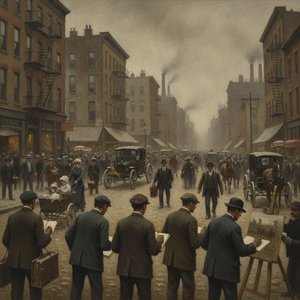
The Ashcan School: Capturing the Raw, Unfiltered Soul of Urban Life through American Realism
Discover the raw beauty of the Ashcan School. Explore how masters like Bellows and Henri captured the gritty, vibrant soul of early 20th-century New York through profound American Realism and evocative urban landscapes.

The Unvarnished Truth: A Cultural Journey Through the Soul of American Realism
Explore the profound beauty of American Realism. From the Ashcan School's urban grit to intimate portraits, discover how artists captured the authentic soul of a nation through unvarnished truth and masterful observation.
Εξερευνήστε έργα τέχνης ταξινομημένα ανά θέμα, στυλ και χαρακτηριστικά.
