

 Προεπισκόπηση σε πραγματική κλίμακα
 Αποστολή
 Κοινοποίηση
 Λεπτομέρειες
 Οδηγός

 Λήψη
Λήψη
 Παρόμοια αντικείμενα συλλογής
 Ακτινογραφία
 Παρουσίαση
 Q&A
Q&A Στατιστικά
Ma Jolie


Explore Pablo Picasso’s ‘Ma Jolie,’ a pivotal Cubist masterpiece! Discover its fragmented forms, earthy palette & symbolic depth in this iconic 1912 artwork.
 Περισσότερα
Ο Πάμπλο Πικάσο (1881-1973) ήταν επαναστατικός Ισπανός ζωγράφος και γλύπτης, συνιδρυτής του κυβισμού και δάσκαλος πολλαπλών στυλ. Γνωστός για έργα όπως το Γκέρνικα, η κληρονομιά του συνεχίζει να εμπνέει.
Το έργο τέχνης που εμφανίζεται σε αυτή τη σελίδα προστατεύεται από τους νόμους περί πνευματικών δικαιωμάτων, γεγονός που σημαίνει ότι δεν μπορούμε νομικά να δημιουργήσουμε ή να πουλήσουμε μια ταυτόσημη αναπαραγωγή του. Αυτή η προστασία επιβάλλεται βάσει διεθνών συμφωνιών, όπως η Σύμβαση της Βέρνης καθώς και από τους εθνικούς νόμους, συμπεριλαμβανομένων αυτών που ορίζονται από το Νομοθεσία περί πνευματικών δικαιωμάτων των ΗΠΑ - Τίτλος 17. Όλα τα δικαιώματα κατοχυρωμένα. Απαγορεύεται η αναπαραγωγή χωρίς άδεια.
Αυτή η μέθοδος συμμορφώνεται πλήρως με τους κανονισμούς περί πνευματικών δικαιωμάτων, καθώς δεν περιλαμβάνει την αντιγραφή ή την αναπαραγωγή του προστατευόμενου έργου. Αντίθετα, πρόκειται για μια δημιουργική ερμηνεία — ένα νέο έργο που επηρεάζεται από το πρωτότυπο, χωρίς όμως να είναι πανομοιότυπο με αυτό.
Giclée / Εκτυπώσεις Τέχνης
Εκτύπωση giclée ή σε καμβά ποιότητας μουσείου με γρήγορη παραγωγή και ευέλικτες επιλογές φινιρίσματος. ( Αγορά χειροποίητου πίνακα Μετάβαση σε Ψηφιακή Αποτέλεσμα)




P118B €10

P118H €10

P118W €10

P438Z €10

P508JH €12

P508YH €12

P805H €10

P805Z €10

P919BZ €10

P919G €10

P919XJ €10

P959ZH €10

P968JZ €12

W106C €8

W218G €10

W218JH €8

W218Y €10

W307PJ €10

W316G €10

W316PJ €8

W316Y €10

W398PJ €8

W4111J €10

W500HY €15

W500JH €15

W692G €12

W849H €8

W940BG €15

W953PJ €8




Πρότυπο
κατόπιν παραγγελίας
CM
INCH
Επιλέξτε από τις προκαθορισμένες διαστάσεις μας που διατηρούν τις αρχικές αναλογίες του έργου τέχνης.
Loading sizes...

πλάτος
ύψος
Εισάγετε το πλάτος και το ύψος που επιθυμείτε, ώστε να ταιριάζουν στο κάδሮ ή στον τοίχο σας. Μια εκτύπωση μπορεί μόνο να υποστεί κοψίμό και ποτέ να μην γίνει μεγαλύτερη από την αρχική εικόνα, επομένως η επιλογή μεγέθους με διαφορετικό σχήμα συνεπάγεται απώλεια ενός μέρους της εικόνας. Σας στέλνουμε ένα ψηφιακό mockup για έγκριση πριν προχωρήσουμε σε οποιαδήποτε εκτύπωση. Η εικόνα που εμφανίζεται σε αυτή τη σελίδα δεν δείχνει την πραγματική κοπή — μόνο το mockup την παρουσιάζει.
Παγκόσμια Αποστολή () σε 2 εβδομάδες αντί για τις συνήθεις 4/5 εβδομάδες. (2 Νοέμβριος)

Δωρεάν γρήγορη διεθνής αποστολή

Κάμβας από Λινό Υψηλής Ποιότητας

Πλήρης ασφάλιση μεταφοράς

Εγγύηση επιστροφής δασμών και φόρων εισαγωγής

Εγγύηση Απόλυτης Ομοιότητας Χρωμάτων

Πολιτική Επιστροφής 100 Ημερών (Μόνο σε περίπτωση ελαττωμάτων)

Εγγύηση επιστροφής 100% των χρημάτων

Προσφορά για πολλαπλές παραγγελίες
 Η επιλογή με γυαλί είναι διαθέσιμη μόνο για μεγέθη κάτω από 110 εκ.

Ma Jolie
Giclée / Εκτυπώσεις Τέχνης
Διαστάσεις Αναπαραγωγής
-


Τελική Τιμή
€ 61
Deconstructing Reality: An Exploration of Picasso’s *Ma Jolie*
Pablo Picasso's *Ma Jolie*, created between 1911 and 1912, stands as a pivotal work in the development of Cubism – a movement that irrevocably altered the course of modern art. More than just a portrait, it is an intellectual dissection of form and perception, challenging traditional representation and inviting viewers to reconsider how we see the world around us. This particular iteration of *Ma Jolie* (there exists another from 1914) resides in the esteemed collection of the Museum of Modern Art in New York City, cementing its place as a masterpiece of the 20th century.Analytical Cubism and Fragmented Forms
*Ma Jolie* exemplifies analytical cubism, a phase characterized by the breaking down of objects into geometric components and their reassembly on the canvas in fragmented, overlapping planes. Picasso doesn’t aim to depict a likeness in the conventional sense; instead, he presents multiple viewpoints simultaneously. The subject – believed to be Eva Gouel, Picasso's mistress at the time, affectionately nicknamed “Ma Jolie” (My Pretty One) – is rendered not as a unified figure but as an assemblage of shapes and angles. Notice how her face and body are fractured into facets, almost dissolving into the background. This deliberate fragmentation isn’t about distortion for its own sake; it's a radical attempt to represent the totality of perception—how we mentally process information from various perspectives at once.Technique and Palette
The painting is executed primarily in muted, earthy tones – browns, greys, ochres, and greens dominate the palette. This restrained color scheme serves to emphasize the formal elements: line, shape, and structure. Picasso’s brushwork is deliberate yet varied; areas are smoothly blended while others retain visible texture, adding depth and complexity. The inclusion of lettering—fragments of sheet music or newspaper—is a hallmark of Cubist collage techniques, even when executed entirely in paint as it is here. This technique further blurs the line between representation and reality, incorporating elements of everyday life directly into the artwork.Historical Context & Symbolism
*Ma Jolie* emerged during a period of intense artistic experimentation and societal upheaval. The early 20th century witnessed rapid technological advancements and shifting philosophical perspectives. Cubism was, in part, a response to these changes—a rejection of traditional academic art and an embrace of new ways of seeing. The title itself is layered with meaning. “Ma Jolie” was both Picasso’s affectionate nickname for Eva Gouel *and* the refrain of a popular French song of the time. This duality suggests a playful engagement with popular culture, while also imbuing the painting with a sense of intimacy and personal connection. Some interpretations suggest the implied bowl of fruit atop the figure's head alludes to still life traditions, subtly referencing art history even as it dismantles its conventions.Emotional Impact & Lasting Influence
While seemingly abstract, *Ma Jolie* evokes a powerful emotional response. The fragmented forms and muted colors create a sense of melancholy and introspection. It’s not a painting that offers easy answers or immediate gratification; rather, it demands active engagement from the viewer. The work's influence is immeasurable. Picasso, alongside Georges Braque, fundamentally altered the course of art history with Cubism. *Ma Jolie* directly inspired subsequent generations of artists, including Juan Gris and those who would later embrace Surrealism and Abstract Art. It remains a potent symbol of artistic innovation and a testament to Picasso’s enduring legacy.- A Cornerstone of Modern Art: *Ma Jolie* is not merely a painting; it's a landmark achievement that redefined the possibilities of visual representation.
- Interior Design Inspiration: Its sophisticated palette and complex composition make it an ideal focal point for modern or contemporary interiors, adding depth and intellectual intrigue to any space.
- Collector’s Value: As a seminal work by one of the most important artists of all time, *Ma Jolie* represents a significant investment in art history. High-quality reproductions allow collectors to appreciate its beauty and significance without the expense of an original.
Ερωτήσεις και Απαντήσεις
Πώς είναι δομημένη η χρωματική σύνθεση του "Ma Jolie" του Πάμπλο Πικάσο;
Η χρωματική σύνθεση του έργου "Ma Jolie" του Πάμπλο Πικάσο συνδυάζει μια Έντονη αντίθεση με μια Ισχυρή χρωματική ενότητα αρμονία.
Ποιο συναίσθημα αποπνέει το έργο "Ma Jolie" της καλλιτεχνικής κατεύθυνσης Cubism;
Το Αναστοχαστικός συναίσθημα του έργου "Ma Jolie" συνοδεύει το στυλ της καλλιτεχνικής κίνησης Cubism.
Ποιον καλλιτέχνη αποδίδεται το "Ma Jolie";
Το έργο "Ma Jolie" αποδίδεται στον/στην Πάμπλο Πικάσο.
Βιογραφικό Καλλιτέχνη
Η Γέννηση ενός Οραματιστή: Τα Πρώτα Χρόνια του Πάμπλο Πικάσο
Ο Πάμπλο Ρουίζ Πικάσο, ένα όνομα συνώνυμο της καλλιτεχνικής επανάστασης, γεννήθηκε στη Μάλαγα της Ισπανίας στις 25 Οκτωβρίου του 1881. Η ίδια η ύπαρξή του φαινόταν προορισμένη για δημιουργική έκφραση· σύμφωνα με τον θρύλο, οι πρώτες λέξεις που πρόφερε ήταν “piz, piz”, μια προσπάθεια να πει ‘μολύβι’. Αυτή η πρώιμη κλίση καλλιεργήθηκε από τον πατέρα του, Χοσέ Ρουίζ ι Μπλάσκο, ζωγράφο και δάσκαλο τέχνης που παρείχε στον νεαρό Πάμπλο θεμελιώδη εκπαίδευση. Ωστόσο, ο μαθητής σύντομα ξεπέρασε τον δάσκαλο, επιδεικνύοντας μια αξιοσημείωτη ικανότητα στην νατουραλιστική απεικόνιση που υποδήλωνε το τεράστιο ταλέντο του. Οι μεταγενέστερες μετακινήσεις της οικογένειας – πρώτα στην Α Κορούνια, μετά στη Βαρκελώνη – σημαδεύτηκαν από προσωπική τραγωδία, ιδίως την απώλεια της αδελφής του Πικάσο, εμπειρίες που θα ενσωματώνονταν διακριτικά στο μεταγενέστερο έργο του με θέματα μελαγχολίας και θνητότητας. Ακόμη και κατά τη διάρκεια των επίσημων σπουδών του στη Σχολή Καλών Τεχνών της Βαρκελώνης και μιας σύντομης περιόδου στην Βασιλική Ακαδημία του Σαν Φερνάντο στη Μαδρίτη, ο Πικάσο δυσαρέστηθηκε από τους άκαμπτους ακαδημαϊκούς περιορισμούς, προτιμώντας να βυθιστεί στα έργα των δασκάλων όπως ο Βελάσκεθ και ο Γκόγια, χαράζοντας τη δική του πορεία προς την καλλιτεχνική καινοτομία.Από τα Μπλε Όνειρα στις Ροζ Αποχρώσεις: Η Εξέλιξη της Έκφρασης
Τα πρώτα χρόνια του 20ού αιώνα είδαν την ανάδυση δύο διακριτών περιόδων στο έργο του Πικάσο: η Μπλε Περίοδος (περίπου 1901-1904) και η Ροζ Περίοδος (1904-1906). Η Μπλε Περίοδος, που γεννήθηκε από προσωπικές δυσκολίες και μια έντονη επίγνωση του κοινωνικού πόνου, χαρακτηρίζεται από πίνακες βυθισμένους σε ζοφερούς αποχρώσεις του μπλε και του γαλαζοπράσινου. Αυτά τα έργα κατοικούνται από περιθωριοποιημένες μορφές – ζητιάνους, τυφλούς, πόρνες – που απεικονίζονται με μια στοιχειώδη ενσυναίσθηση που μιλάει για θέματα απομόνωσης και απόγνωσης. Η La Vie (1903) και The Old Guitarist (1903-1904) στέκουν ως συγκινητικά παραδείγματα αυτής της συναισθηματικά φορτισμένης φάσης. Μια αλλαγή στην προσωπική ζωή του Πικάσο, σε συνδυασμό με τη μετακόμισή του στο Παρίσι, σηματοδότησε την άφιξη της Ροζ Περιόδου. Η παλέτα ζεστάθηκε σημαντικά, αγκαλιάζοντας ροζ, πορτοκαλί και κόκκινα χρώματα, αντανακλώντας μια πιο αισιόδοξη προοπτική. Αυτή η περίοδος είδε ένα πάθος για καλλιτέχνες του τσίρκου – αρλεκίνους, ακροβάτες και οικογενειακούς θιάσους – μορφές που ενσωμάτωναν τόσο την ευθραυστότητα όσο και την ανθεκτικότητα. Η Family of Saltimbanques (1905) αποτυπώνει όμορφα αυτή τη μετάβαση, υπονοώντας τις στυλιστικές εξερευνήσεις που θα ακολουθήσουν.Η Κατάρρευση της Προοπτικής: Ο Κυβισμός και πέρα
Το έτος 1907 σηματοδότησε μια κομβική στιγμή στην ιστορία της τέχνης με τη δημιουργία του Les Demoiselles d'Avignon. Επηρεασμένος από την Ιβηρική γλυπτική και τις αφρικανικές μάσκες, αυτός ο πρωτοποριακός πίνακας κατέρρευσε τις παραδοσιακές έννοιες της προοπτικής και της αναπαράστασης. Ήταν μια ριζική απομάκρυνση, μια σκόπιμη απόρριψη αιώνων παλαιών συμβάσεων που άνοιξε τον δρόμο για τον Κυβισμό. Συνεργαζόμενος στενά με τον Ζωρζ Μπράκ, ο Πικάσο συνίδρυσε αυτό το επαναστατικό κίνημα, αλλάζοντας θεμελιωδώς τον τρόπο με τον οποίο οι καλλιτέχνες αντιλαμβάνονταν και απεικόνιζαν την πραγματικότητα. Ο Αναλυτικός Κυβισμός (1909-1912) περιλάμβανε τον κατακερματισμό αντικειμένων σε γεωμετρικά σχήματα, που αποδίδονταν σε αχνά χρώματα, σαν να διασπούσε η ίδια τη μορφή. Αυτό εξελίχθηκε στον Συνθετικό Κυβισμό (1912-1919), ο οποίος ενσωμάτωσε στοιχεία κολάζ – κομμένα αποκόμματα εφημερίδων, θραύσματα υφασμάτων – προσθέτοντας υφή και νέα επίπεδα οπτικής πολυπλοκότητας. Ο Πικάσο δεν ήθελε απλώς να αναπαραστήσει τον κόσμο· επιδίωξε να τον αποδομήσει και να τον ανακατασκευάσει με τους δικούς του όρους.Ένας Ανήσυχος Πειραματιστής: Νεοκλασικισμός, Σουρεαλισμός και Πόλεμος
Η δεκαετία του 1920 είδε τον Πικάσο να εξερευνά σύντομα νεοκλασικούς στυλ, δημιουργώντας μνημειώδεις μορφές που αντηχούσαν κλασικές φόρμες διατηρώντας παράλληλα μια ξεχωριστά μοντέρνα ευαισθησία. Ταυτόχρονα, ασχολήθηκε με το αναδυόμενο σουρεαλιστικό κίνημα, χωρίς ωστόσο να ευθυγραμμιστεί πλήρως με τις αρχές του. Το έργο του κατά τη διάρκεια αυτής της περιόδου συνδύασε προηγούμενες στυλιστικές επιρροές με σουρεαλιστικές εικόνες και παραμορφωμένες προοπτικές, αποδεικνύοντας τον ακατάπαυστο πειραματισμό του. Οι φρικαλεότητες του Ισπανικού Εμφυλίου Πολέμου επηρέασαν βαθιά τον Πικάσο, κορυφώνοντας στη δημιουργία του Guernica (1937), μιας ζωτικής και συναισθηματικά καταστροφικής απάντησης στον βομβαρδισμό της Γκουέρνικα. Αυτό το μνημειώδες έργο έγινε ένα διαρκές σύμβολο των αθρώπιων του πολέμου, εδραιώνοντας τον ρόλο του Πικάσο όχι μόνο ως καλλιτέχνη αλλά και ως ισχυρή φωνή για την ειρήνη και τη κοινωνική δικαιοσύνη. Κατά τη διάρκεια της δεκαετίας του 1950 και του 1960, συνέχισε να ωθεί τα όρια, εξερευνώντας κεραμικά, γλυπ
Πάμπλο Πικάσο
1881 - 1973 , Ισπανία
Γρήγορα στοιχεία
- Εθνικότητα: Ισπανός
- Ημερομηνία Γέννησης: 25 Οκτωβρίου 1881
- Ημερομηνία Θανάτου: 8 Απριλίου 1973
- Καλλιτέχνες Που Τον Επηρέασαν:
- Velázquez
- Goya
- Matisse
- Καλλιτέχνες/Ρεύματα Που Επηρέασε:
- Κυβισμός
- Σύγχρονη τέχνη
- Καλλιτεχνικό Ρεύμα/Στυλ: Κυβισμός, Σουρεαλισμός
- Πλήρες Όνομα: Pablo Diego José Ruiz Picasso
- Σημαντικά Έργα Τέχνης:
- Les Demoiselles d'Avignon
- Guernica
- The Old Guitarist
- Τόπος Γέννησης: Μάλαγα, Ισπανία
Σχετικά άρθρα

Cubism Unveiled: How Picasso and Braque Redefined Reality Through Geometric Abstraction
Explore the revolutionary world of Cubism. Discover how masters Pablo Picasso and Georges Braque dismantled reality through geometric abstraction to redefine modern art history.

Οι 10 Κορυφαίοι Κυβιστικοί Πορτρέτα που Άλλαξαν την Τέχνη | TopImpressionists.gr
Ανακαλύψτε τα 10 κορυφαία κυβιστικά πορτρέτα που επαναπροσδιόρισαν την τέχνη! Πικάσο, Μπρακ & Γκρις: ιστορίες, τεχνικές και έμπνευση για τον χώρο σας. Υψηλής ποιότητας αναπαραγωγές στην TopImpressionists.com.

Οι 10 Κορυφαίοι Κυβιστές: Έργα που Άλλαξαν την Τέχνη | TopImpressionists.gr
Ανακαλύψτε τα 10 κορυφαία έργα του Κυβισμού! Πικάσο, Μπράκ & άλλοι ζωγράφοι που επαναστατήσαν. Ιστορία, τεχνικές & έμπνευση για διακόσμηση. Υψηλής ποιότητας αναπαραγωγές τέχνης στο TopImpressionists.gr – Εξερευνήστε την πλήρη συλλογή online!
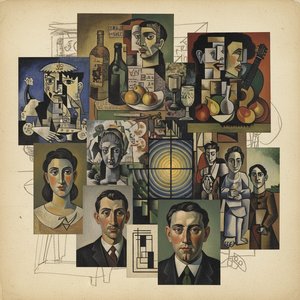
Οι 10 Κορυφαίοι Κυβιστές: Έργα που Άλλαξαν την Ιστορία της Τέχνης | TopImpressionists.gr
Ανακαλύψτε τα 10 αριστουργήματα που καθόρισαν τον Κυβισμό! Πικάσο, Μπρακ & Γκριζ: ιστορίες, τεχνικές και η επανάσταση στην τέχνη. Βρείτε αναπαραγωγές υψηλής ποιότητας για να εμπλουτίσετε το χώρο σας στο TopImpressionists.gr

Mastering Cubism: An Essential Guide to the Revolutionary Artworks of Pablo Picasso
Explore the profound evolution of Cubism through an expert analysis of Pablo Picasso's revolutionary works. From Analytical to Synthetic Cubism, discover the techniques that redefined modern art and learn how to curate these iconic masterpieces for your private collection.
Εξερευνήστε έργα τέχνης ταξινομημένα ανά θέμα, στυλ και χαρακτηριστικά.


