


 Προεπισκόπηση σε πραγματική κλίμακα
 Αποστολή
 Κοινοποίηση
 Λεπτομέρειες
 Οδηγός

 Λήψη
Λήψη
 Παρόμοια αντικείμενα συλλογής
 Ακτινογραφία
 Παρουσίαση
 Στατιστικά
Portrait of Soler


Experience Pablo Picasso's 'Portrait of Soler,' a Cubist masterpiece capturing a formal gentleman with striking simplicity and dark tones. A poignant study of form and light, reflecting the artist’s innovative style.
 Περισσότερα
Ο Πάμπλο Πικάσο (1881-1973) ήταν επαναστατικός Ισπανός ζωγράφος και γλύπτης, συνιδρυτής του κυβισμού και δάσκαλος πολλαπλών στυλ. Γνωστός για έργα όπως το Γκέρνικα, η κληρονομιά του συνεχίζει να εμπνέει.
Το έργο τέχνης που εμφανίζεται σε αυτή τη σελίδα προστατεύεται από τους νόμους περί πνευματικών δικαιωμάτων, γεγονός που σημαίνει ότι δεν μπορούμε νομικά να δημιουργήσουμε ή να πουλήσουμε μια ταυτόσημη αναπαραγωγή του. Αυτή η προστασία επιβάλλεται βάσει διεθνών συμφωνιών, όπως η Σύμβαση της Βέρνης καθώς και από τους εθνικούς νόμους, συμπεριλαμβανομένων αυτών που ορίζονται από το Νομοθεσία περί πνευματικών δικαιωμάτων των ΗΠΑ - Τίτλος 17. Όλα τα δικαιώματα κατοχυρωμένα. Απαγορεύεται η αναπαραγωγή χωρίς άδεια.
Αυτή η μέθοδος συμμορφώνεται πλήρως με τους κανονισμούς περί πνευματικών δικαιωμάτων, καθώς δεν περιλαμβάνει την αντιγραφή ή την αναπαραγωγή του προστατευόμενου έργου. Αντίθετα, πρόκειται για μια δημιουργική ερμηνεία — ένα νέο έργο που επηρεάζεται από το πρωτότυπο, χωρίς όμως να είναι πανομοιότυπο με αυτό.
Giclée / Εκτυπώσεις Τέχνης
Εκτύπωση giclée ή σε καμβά ποιότητας μουσείου με γρήγορη παραγωγή και ευέλικτες επιλογές φινιρίσματος. ( Αγορά χειροποίητου πίνακα Μετάβαση σε Ψηφιακή Αποτέλεσμα)




P118B €10

P118H €10

P118W €10

P438Z €10

P508JH €12

P508YH €12

P805H €10

P805Z €10

P919BZ €10

P919G €10

P919XJ €10

P959ZH €10

P968JZ €12

W106C €8

W218G €10

W218JH €8

W218Y €10

W307PJ €10

W316G €10

W316PJ €8

W316Y €10

W398PJ €8

W4111J €10

W500HY €15

W500JH €15

W692G €12

W849H €8

W940BG €15

W953PJ €8




Πρότυπο
κατόπιν παραγγελίας
CM
INCH
Επιλέξτε από τις προκαθορισμένες διαστάσεις μας που διατηρούν τις αρχικές αναλογίες του έργου τέχνης.
Loading sizes...

πλάτος
ύψος
Εισάγετε το πλάτος και το ύψος που επιθυμείτε, ώστε να ταιριάζουν στο κάδሮ ή στον τοίχο σας. Μια εκτύπωση μπορεί μόνο να υποστεί κοψίμό και ποτέ να μην γίνει μεγαλύτερη από την αρχική εικόνα, επομένως η επιλογή μεγέθους με διαφορετικό σχήμα συνεπάγεται απώλεια ενός μέρους της εικόνας. Σας στέλνουμε ένα ψηφιακό mockup για έγκριση πριν προχωρήσουμε σε οποιαδήποτε εκτύπωση. Η εικόνα που εμφανίζεται σε αυτή τη σελίδα δεν δείχνει την πραγματική κοπή — μόνο το mockup την παρουσιάζει.
Παγκόσμια Αποστολή () σε 2 εβδομάδες αντί για τις συνήθεις 4/5 εβδομάδες. (26 Οκτώβριος)

Δωρεάν γρήγορη διεθνής αποστολή

Κάμβας από Λινό Υψηλής Ποιότητας

Πλήρης ασφάλιση μεταφοράς

Εγγύηση επιστροφής δασμών και φόρων εισαγωγής

Εγγύηση Απόλυτης Ομοιότητας Χρωμάτων

Πολιτική Επιστροφής 100 Ημερών (Μόνο σε περίπτωση ελαττωμάτων)

Εγγύηση επιστροφής 100% των χρημάτων

Προσφορά για πολλαπλές παραγγελίες
 Η επιλογή με γυαλί είναι διαθέσιμη μόνο για μεγέθη κάτω από 110 εκ.

Portrait of Soler
Giclée / Εκτυπώσεις Τέχνης
Διαστάσεις Αναπαραγωγής
-


Τελική Τιμή
€ 61
A Fragmented Gaze: Unpacking the Power of Picasso’s “Portrait of Soler”
Pablo Picasso's "Portrait of Soler," a captivating work from 1903, offers a compelling glimpse into the nascent stages of Cubism and the artist’s evolving relationship with his subject. More than just a likeness, it’s a carefully constructed exploration of perspective, form, and the subtle complexities of human interaction – a testament to Picasso's innovative approach to representation during a period of radical artistic transformation. The painting resides within the collection of the State Hermitage Museum in St. Petersburg, a fitting home for this pivotal piece that showcases the artist’s early experimentation with deconstruction and multiple viewpoints.
Deconstructing Reality: Style, Technique, and Composition
“Portrait of Soler” immediately announces its Cubist leanings through a deliberate simplification of form. The subject’s face and upper body are broken down into geometric shapes – sharp angles and flattened planes dominate the composition, rejecting traditional notions of realistic depth and volume. Picasso employs a technique characterized by layered application of paint, creating a surface that appears smooth yet subtly textured, suggesting an oil painting rather than a heavily impasto style. The dark background, a deep navy or black, serves to amplify the luminosity of the lighter areas – particularly the man’s face, highlighted by strategic use of yellow and white. Notice how the figures in the background are rendered with even less detail, contributing to the overall sense of spatial ambiguity and drawing focus entirely onto Soler himself.
- Cubist Influence: The painting exemplifies Picasso's early Cubist experimentation, characterized by fragmented forms and multiple viewpoints.
- Simplified Forms: Geometric shapes replace naturalistic representation, reducing the subject to its essential components.
- Dark Background: Creates contrast and emphasizes the illuminated areas of the portrait.
A Portrait of a Patron: Context and Symbolism
The painting’s subject, Soler, was a prominent Barcelona tailor who generously supported young artists in their endeavors. This patronage is crucial to understanding the work's context; Picasso painted several portraits of Soler, establishing a close friendship with the man. The inclusion of two cups on the table adds layers of symbolic meaning – they could represent a social gathering, a moment of contemplation, or perhaps even an allusion to the artistic community that supported Soler’s career. Further research reveals that Picasso's family history is intertwined with the Soler family; this connection likely deepened the artist’s interest in capturing Soler’s character and status within his work.
The presence of the cups could symbolize a social gathering or moment of reflection, hinting at the artistic circles surrounding Soler.Picasso's Early Vision: A Legacy of Innovation
“Portrait of Soler” is not merely a depiction of a man; it’s a pivotal work in Picasso’s artistic development. Born in Málaga in 1881, Picasso quickly surpassed his father’s traditional training, demonstrating an innate talent for capturing the essence of human form while simultaneously challenging established conventions. His early years were marked by experimentation and exploration – from the melancholic tones of the Blue Period to the vibrant hues of the Rose Period, and ultimately culminating in the revolutionary concepts of Cubism. This portrait stands as a bridge between these earlier styles, showcasing Picasso’s willingness to dismantle traditional representation and forge his own unique visual language. The painting's enduring appeal lies not only in its aesthetic qualities but also in its embodiment of a transformative moment in art history – a testament to the genius of Pablo Picasso.
Ερωτήσεις και Απαντήσεις
Πώς μπορεί το "Portrait of Soler" του Πάμπλο Πικάσο να ενταχθεί στη διακόσμηση του σπιτιού;
Το έργο "Portrait of Soler" προτείνεται για Statement, ενώ ο ιδανικός χώρος για την τοποθέτησή του είναι το/η Living Room.
Πόσο φωτεινό είναι συνολικά το "Portrait of Soler";
Η αισθητή φωτεινότητα του έργου "Portrait of Soler" του Πάμπλο Πικάσο είναι deep_shadow. Μπορεί να συνδυαστεί με το φως του προορισμένου χώρου.
Μπορώ να παραγγείλω μια αναπαραγωγή με λάδι του "Portrait of Soler";
Μπορείτε να παραγγείλετε μια χειρόγραφα ζωημένη αναπαραγωγή του έργου "Portrait of Soler" του Πάμπλο Πικάσο απευθείας από τη σελίδα Αντιγραφή με Χειρόχειρο Ζωγράφισμα: αναπαραγωγή με ζωγραφισμένο με λάδι σε καμβά λινου, κατασκευασμένη κατόπιν παραγγελίας.
Βιογραφικό Καλλιτέχνη
Η Γέννηση ενός Οραματιστή: Τα Πρώτα Χρόνια του Πάμπλο Πικάσο
Ο Πάμπλο Ρουίζ Πικάσο, ένα όνομα συνώνυμο της καλλιτεχνικής επανάστασης, γεννήθηκε στη Μάλαγα της Ισπανίας στις 25 Οκτωβρίου του 1881. Η ίδια η ύπαρξή του φαινόταν προορισμένη για δημιουργική έκφραση· σύμφωνα με τον θρύλο, οι πρώτες λέξεις που πρόφερε ήταν “piz, piz”, μια προσπάθεια να πει ‘μολύβι’. Αυτή η πρώιμη κλίση καλλιεργήθηκε από τον πατέρα του, Χοσέ Ρουίζ ι Μπλάσκο, ζωγράφο και δάσκαλο τέχνης που παρείχε στον νεαρό Πάμπλο θεμελιώδη εκπαίδευση. Ωστόσο, ο μαθητής σύντομα ξεπέρασε τον δάσκαλο, επιδεικνύοντας μια αξιοσημείωτη ικανότητα στην νατουραλιστική απεικόνιση που υποδήλωνε το τεράστιο ταλέντο του. Οι μεταγενέστερες μετακινήσεις της οικογένειας – πρώτα στην Α Κορούνια, μετά στη Βαρκελώνη – σημαδεύτηκαν από προσωπική τραγωδία, ιδίως την απώλεια της αδελφής του Πικάσο, εμπειρίες που θα ενσωματώνονταν διακριτικά στο μεταγενέστερο έργο του με θέματα μελαγχολίας και θνητότητας. Ακόμη και κατά τη διάρκεια των επίσημων σπουδών του στη Σχολή Καλών Τεχνών της Βαρκελώνης και μιας σύντομης περιόδου στην Βασιλική Ακαδημία του Σαν Φερνάντο στη Μαδρίτη, ο Πικάσο δυσαρέστηθηκε από τους άκαμπτους ακαδημαϊκούς περιορισμούς, προτιμώντας να βυθιστεί στα έργα των δασκάλων όπως ο Βελάσκεθ και ο Γκόγια, χαράζοντας τη δική του πορεία προς την καλλιτεχνική καινοτομία.Από τα Μπλε Όνειρα στις Ροζ Αποχρώσεις: Η Εξέλιξη της Έκφρασης
Τα πρώτα χρόνια του 20ού αιώνα είδαν την ανάδυση δύο διακριτών περιόδων στο έργο του Πικάσο: η Μπλε Περίοδος (περίπου 1901-1904) και η Ροζ Περίοδος (1904-1906). Η Μπλε Περίοδος, που γεννήθηκε από προσωπικές δυσκολίες και μια έντονη επίγνωση του κοινωνικού πόνου, χαρακτηρίζεται από πίνακες βυθισμένους σε ζοφερούς αποχρώσεις του μπλε και του γαλαζοπράσινου. Αυτά τα έργα κατοικούνται από περιθωριοποιημένες μορφές – ζητιάνους, τυφλούς, πόρνες – που απεικονίζονται με μια στοιχειώδη ενσυναίσθηση που μιλάει για θέματα απομόνωσης και απόγνωσης. Η La Vie (1903) και The Old Guitarist (1903-1904) στέκουν ως συγκινητικά παραδείγματα αυτής της συναισθηματικά φορτισμένης φάσης. Μια αλλαγή στην προσωπική ζωή του Πικάσο, σε συνδυασμό με τη μετακόμισή του στο Παρίσι, σηματοδότησε την άφιξη της Ροζ Περιόδου. Η παλέτα ζεστάθηκε σημαντικά, αγκαλιάζοντας ροζ, πορτοκαλί και κόκκινα χρώματα, αντανακλώντας μια πιο αισιόδοξη προοπτική. Αυτή η περίοδος είδε ένα πάθος για καλλιτέχνες του τσίρκου – αρλεκίνους, ακροβάτες και οικογενειακούς θιάσους – μορφές που ενσωμάτωναν τόσο την ευθραυστότητα όσο και την ανθεκτικότητα. Η Family of Saltimbanques (1905) αποτυπώνει όμορφα αυτή τη μετάβαση, υπονοώντας τις στυλιστικές εξερευνήσεις που θα ακολουθήσουν.Η Κατάρρευση της Προοπτικής: Ο Κυβισμός και πέρα
Το έτος 1907 σηματοδότησε μια κομβική στιγμή στην ιστορία της τέχνης με τη δημιουργία του Les Demoiselles d'Avignon. Επηρεασμένος από την Ιβηρική γλυπτική και τις αφρικανικές μάσκες, αυτός ο πρωτοποριακός πίνακας κατέρρευσε τις παραδοσιακές έννοιες της προοπτικής και της αναπαράστασης. Ήταν μια ριζική απομάκρυνση, μια σκόπιμη απόρριψη αιώνων παλαιών συμβάσεων που άνοιξε τον δρόμο για τον Κυβισμό. Συνεργαζόμενος στενά με τον Ζωρζ Μπράκ, ο Πικάσο συνίδρυσε αυτό το επαναστατικό κίνημα, αλλάζοντας θεμελιωδώς τον τρόπο με τον οποίο οι καλλιτέχνες αντιλαμβάνονταν και απεικόνιζαν την πραγματικότητα. Ο Αναλυτικός Κυβισμός (1909-1912) περιλάμβανε τον κατακερματισμό αντικειμένων σε γεωμετρικά σχήματα, που αποδίδονταν σε αχνά χρώματα, σαν να διασπούσε η ίδια τη μορφή. Αυτό εξελίχθηκε στον Συνθετικό Κυβισμό (1912-1919), ο οποίος ενσωμάτωσε στοιχεία κολάζ – κομμένα αποκόμματα εφημερίδων, θραύσματα υφασμάτων – προσθέτοντας υφή και νέα επίπεδα οπτικής πολυπλοκότητας. Ο Πικάσο δεν ήθελε απλώς να αναπαραστήσει τον κόσμο· επιδίωξε να τον αποδομήσει και να τον ανακατασκευάσει με τους δικούς του όρους.Ένας Ανήσυχος Πειραματιστής: Νεοκλασικισμός, Σουρεαλισμός και Πόλεμος
Η δεκαετία του 1920 είδε τον Πικάσο να εξερευνά σύντομα νεοκλασικούς στυλ, δημιουργώντας μνημειώδεις μορφές που αντηχούσαν κλασικές φόρμες διατηρώντας παράλληλα μια ξεχωριστά μοντέρνα ευαισθησία. Ταυτόχρονα, ασχολήθηκε με το αναδυόμενο σουρεαλιστικό κίνημα, χωρίς ωστόσο να ευθυγραμμιστεί πλήρως με τις αρχές του. Το έργο του κατά τη διάρκεια αυτής της περιόδου συνδύασε προηγούμενες στυλιστικές επιρροές με σουρεαλιστικές εικόνες και παραμορφωμένες προοπτικές, αποδεικνύοντας τον ακατάπαυστο πειραματισμό του. Οι φρικαλεότητες του Ισπανικού Εμφυλίου Πολέμου επηρέασαν βαθιά τον Πικάσο, κορυφώνοντας στη δημιουργία του Guernica (1937), μιας ζωτικής και συναισθηματικά καταστροφικής απάντησης στον βομβαρδισμό της Γκουέρνικα. Αυτό το μνημειώδες έργο έγινε ένα διαρκές σύμβολο των αθρώπιων του πολέμου, εδραιώνοντας τον ρόλο του Πικάσο όχι μόνο ως καλλιτέχνη αλλά και ως ισχυρή φωνή για την ειρήνη και τη κοινωνική δικαιοσύνη. Κατά τη διάρκεια της δεκαετίας του 1950 και του 1960, συνέχισε να ωθεί τα όρια, εξερευνώντας κεραμικά, γλυπ
Πάμπλο Πικάσο
1881 - 1973 , Ισπανία
Γρήγορα στοιχεία
- Εθνικότητα: Ισπανός
- Ημερομηνία Γέννησης: 25 Οκτωβρίου 1881
- Ημερομηνία Θανάτου: 8 Απριλίου 1973
- Καλλιτέχνες Που Τον Επηρέασαν:
- Velázquez
- Goya
- Matisse
- Καλλιτέχνες/Ρεύματα Που Επηρέασε:
- Κυβισμός
- Σύγχρονη τέχνη
- Καλλιτεχνικό Ρεύμα/Στυλ: Κυβισμός, Σουρεαλισμός
- Πλήρες Όνομα: Pablo Diego José Ruiz Picasso
- Σημαντικά Έργα Τέχνης:
- Les Demoiselles d'Avignon
- Guernica
- The Old Guitarist
- Τόπος Γέννησης: Μάλαγα, Ισπανία
Σχετικά άρθρα

Cubism Unveiled: How Picasso and Braque Redefined Modern Art through Geometric Revolution
Explore the revolutionary world of Cubism. Discover how Pablo Picasso and Georges Braque dismantled perspective to redefine modern art through geometric innovation and analytical mastery. An essential guide for art students, collectors, and history enthusiasts.

Pablo Picasso: A Revolutionary Vision – Cubism, Symbolism & Enduring Legacy
Explore the revolutionary art of Pablo Picasso with TopImpressionists.com. Discover Cubism's origins, symbolism in his masterpieces & investment insights for collectors. Expert appraisal & custom reproductions available.

Cubism Explained: How Picasso and Braque Shattered Reality to Redefine Modern Art
Master the complexities of Cubism with our expert guide. Explore how Picasso and Braque revolutionized modern art through fragmentation, multiple perspectives, and geometric innovation. Perfect for art students and collectors seeking deep historical insight.

Cubism Unveiled: How Picasso and Braque Redefined Reality Through Geometric Abstraction
Explore the revolutionary world of Cubism. Discover how masters Pablo Picasso and Georges Braque dismantled reality through geometric abstraction to redefine modern art history.
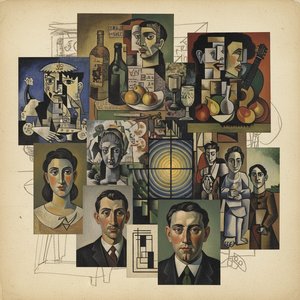
Οι 10 Κορυφαίοι Κυβιστές: Έργα που Άλλαξαν την Ιστορία της Τέχνης | TopImpressionists.gr
Ανακαλύψτε τα 10 αριστουργήματα που καθόρισαν τον Κυβισμό! Πικάσο, Μπρακ & Γκριζ: ιστορίες, τεχνικές και η επανάσταση στην τέχνη. Βρείτε αναπαραγωγές υψηλής ποιότητας για να εμπλουτίσετε το χώρο σας στο TopImpressionists.gr
Εξερευνήστε έργα τέχνης ταξινομημένα ανά θέμα, στυλ και χαρακτηριστικά.


