


 Προεπισκόπηση
 Αποστολή
 Κοινοποίηση
 Λεπτομέρειες
 Οδηγός

 Λήψη
Λήψη
 Παρόμοια αντικείμενα συλλογής
 Ακτινογραφία
 Παρουσίαση
 Στατιστικά
Corbeille de fruits
 Acrylic On Canvas
- WallArt
- Cubist Still Life
 1890
1890 30.0 x 45.0 cm
 Fondazione Magnani-Rocca
 Περισσότερα λεπτομέρεια
Ανακαλύψτε τον Πωλ Σεζάν (1839-1906): πρωτοπόρος μεταϊμπρεσιονιστή που γεφύρωσε τον ιμπρεσιονισμό και τον κυβισμό. Εξερευνήστε γεωμετρικά σχήματα, νεκρές φύσεις & την διαρκή επιρροή του στη σύγχρονη τέχνη.
Giclée / Εκτυπώσεις Τέχνης
Εκτύπωση giclée ή σε καμβά ποιότητας μουσείου με γρήγορη παραγωγή και ευέλικτες επιλογές φινιρίσματος. ( Αγορά χειροποίητου πίνακα Μετάβαση σε Ψηφιακή Εικόνα)




P118B €10

P118H €10

P118W €10

P438Z €10

P508JH €12

P508YH €12

P805H €10

P805Z €10

P919BZ €10

P919G €10

P919XJ €10

P959ZH €10

P968JZ €12

W106C €8

W218G €10

W218JH €8

W218Y €10

W307PJ €10

W316G €10

W316PJ €8

W316Y €10

W398PJ €8

W4111J €10

W500HY €15

W500JH €15

W692G €12

W849H €8

W940BG €15

W953PJ €8




Πρότυπο
κατόπιν παραγγελίας
CM
INCH
Επιλέξτε από τις προκαθορισμένες διαστάσεις μας που διατηρούν τις αρχικές αναλογίες του έργου τέχνης.
Loading sizes...

πλάτος
ύψος
Πληκτρολογήστε το πλάτος και το ύψος που επιθυμείτε, ώστε να ταιριάζουν στο κάδሮ ή στον τοίχο σας. Μια εκτύπωση μπορεί μόνο να κοπεί και ποτέ να μην γίνει μεγαλύτερη από την εικόνα, επομένως ένα μέγεθος με διαφορετικό σχήμα συνεπάγεται απώλεια ενός μέρους της εικόνας. Σας στέλνουμε ένα ψηφιακό mockup για έγκριση πριν εκτυπώσουμε οτιδήποτε. Η εικόνα που εμφανίζεται σε αυτή τη σελίδα δεν δείχνει την πραγματική κοπή — μόνο το mockup την παρουσιάζει.
Παγκόσμια Αποστολή () σε 2 εβδομάδες αντί για τις συνήθεις 4/5 εβδομάδες. (22 Οκτώβριος)

Δωρεάν γρήγορη διεθνής αποστολή

Κάμβας από Λινό Υψηλής Ποιότητας

Πλήρης ασφάλιση μεταφοράς

Εγγύηση επιστροφής δασμών και φόρων εισαγωγής

Εγγύηση Απόλυτης Ομοιότητας Χρωμάτων

Πολιτική Επιστροφής 100 Ημερών (Μόνο σε περίπτωση ελαττωμάτων)

Εγγύηση επιστροφής 100% των χρημάτων

Έκπτωση για πολλαπλές παραγγελίες
 Η επιλογή με γυαλί είναι διαθέσιμη μόνο για μεγέθη κάτω από 110 εκ.

Corbeille de fruits
Giclée / Εκτυπώσεις Τέχνης
Διαστάσεις Αναπαραγωγής
-


Συνολικό Κόστος
€ 61
Paul Cézanne’s “Corbeille de Fruits”: A Revolutionary Harmony
Paul Cézanne (1839–1906), arguably the most influential artist of the late nineteenth century, stands as a pivotal figure bridging the gap between Impressionism's fleeting sensations and Cubism's fractured perspectives. His artistic journey wasn’t one of immediate acclaim; instead, it was marked by periods of self-doubt and critical dismissal—a narrative that ultimately yielded a legacy reshaping modern art.
Born in Aix-en-Provence to a prosperous family – his father initially a hatmaker who later became a banker – Cézanne enjoyed an unusual level of financial security, affording him the freedom to dedicate himself wholly to his passion without the pressures of commercial success. Though initially steered toward legal studies by his father’s ambitions, Cézanne’s innate inclination towards artistic expression proved irresistible, leading him to abandon law and embrace painting.
Early influences included Émile Bernard and Camille Pissarro, who championed Impressionistic principles of capturing light and atmosphere. However, Cézanne swiftly moved beyond mere optical representation, embarking on a profound exploration of form and structure—a quest that would define his distinctive style.
The Style: Geometric Simplification
Cézanne’s artistic vision rejected the Impressionists' preoccupation with capturing transient moments; instead, he sought to distill nature into its essential geometric forms. He famously declared, “I do not paint what I see but what I remember,” reflecting his commitment to reconstructing visual experience through abstracted shapes and planes.
This approach is vividly evident in *Corbeille de Fruits*, where Cézanne dismantles the illusion of three-dimensionality, presenting a flattened composition that prioritizes underlying structure. The basket itself isn’t depicted as a solid object but rather as a series of interlocking planes—a technique anticipating Cubism's radical fragmentation.
Technique: Bold Brushstrokes and Color Harmony
Cézanne employed a distinctive brushstroke technique characterized by thick, impasto strokes that build up texture on the canvas surface. These bold marks aren’t intended to mimic natural contours but rather to convey solidity and volume—creating an illusion of depth through color and tonal variation.
The palette is dominated by earthy hues—ochres, browns, and greens—harmoniously blended to evoke a sense of stillness and contemplation. Cézanne meticulously observed the interplay of light and shadow, capturing subtle nuances that contribute to the painting’s overall atmosphere. The luminous oranges and yellows of the fruit create striking contrasts against the darker tones of the basket and tablecloth.
Historical Context & Symbolism
*Corbeille de Fruits*, painted circa 1893, exemplifies Cézanne's engagement with Post-Impressionist ideas—particularly those championed by Georges Seurat and Paul Gauguin. It represents a decisive break from Impressionistic conventions, signaling the emergence of a new artistic language focused on formal exploration.
Beyond its stylistic innovations, the basket itself carries symbolic weight. Fruit has long been associated with abundance, fertility, and nourishment—themes that resonate throughout Cézanne’s oeuvre. The carefully arranged composition suggests an attempt to capture not just the visual appearance of the fruit but also its essence—a reflection of Cézanne's belief in art as a conduit for conveying deeper truths about the natural world.
Emotional Impact: Quiet Contemplation
Despite its bold technique, *Corbeille de Fruits* exudes an aura of serene contemplation. Cézanne’s masterful handling of color and form invites viewers to pause and consider the painting's underlying harmony—a testament to his unwavering dedication to capturing not merely what is seen but what is felt.
The painting’s stillness contrasts sharply with the dynamism of Impressionism, offering a profound meditation on the beauty and permanence inherent in simple forms. It remains an enduring symbol of Cézanne's artistic genius—a cornerstone of modern art history.
Ερωτήσεις & Απαντήσεις
Ποιος είναι ο δημιουργός και σε ποια χρονιά δημιουργήθηκε το "Corbeille de fruits";
Ο/Η Πωλ Σεζάν δημιούργησε το "Corbeille de fruits" το έτος 1890.
Ποιο συναίσθημα δημιουργούν τα χρώματα του έργου "Corbeille de fruits" του Πωλ Σεζάν;
Η παλέτα των Monochrome στο έργο "Corbeille de fruits" του Πωλ Σεζάν συνδυάζεται απόλυτα με το Reflective συναισθηματικό του ύφος. Το χρώμα αποτελεί έναν από τους τρόπους με τους οποίους ένα έργο μεταδίδει συναίσθημα.
Ποιος είναι ο δημιουργός του "Corbeille de fruits" και σε ποιο καλλιτεχνικό ρεύμα ανήκει;
Ο/Η Πωλ Σεζάν δημιούργησε το "Corbeille de fruits" στο πλαίσιο του movements Cubist Still Life.
Παρόμοια Έργα Τέχνης


Βιογραφικό Καλλιτέχνη
Η Επαναστατική Όραση: Η Ζωή και η Τέχνη του Πολ Σεζάν
Ο Πολ Σεζάν, γεννημένος στην Αιξ-αν-Προβάνς το 1839, υψώνεται ως μια κολοσσιαία μορφή που γεφυρώνει το χάσμα μεταξύ των φευγαλέων εντυπώσεων του Ιμπρεσιονισμού και των κατακερματισμένων μορφών του Κυβισμού. Η πορεία του δεν ήταν αυτή της άμεσης αναγνώρισης· μάλλον, ήταν μια αργή καύση εξερεύνησης τέχνης, σημαδεμένη από περιόδους αμφιβολίας και κριτικής απόρριψης, που τελικά κορυφώθηκε σε μια κληρονομιά που θα άλλαζε ανεπανόρθωτα την πορεία της σύγχρονης τέχνης. Γεννημένος σε μια εύπορη οικογένεια – ο πατέρας του αρχικά καπελοποιός και αργότερα τραπεζίτης – ο Σεζάν απολάμβανε μιας οικονομικής ασφάλειας ασυνήθιστης για επίδοξους καλλιτέχνες, επιτρέποντάς του την ελευθερία να αφιερωθεί στο πάθος του χωρίς τις άμεσες πιέσεις της εμπορικής επιτυχίας. Παρόλο που αρχικά καθοδηγήθηκε προς μια νομική σταδιοδρομία από τις φιλοδοξίες του πατέρα του, η έλξη της καλλιτεχνικής έκφρασης αποδείχθηκε πολύ ισχυρή και τελικά εγκατέλειψε το δίκαιο για να ακολουθήσει τη ζωγραφική, μια απόφαση που θα καθόριζε τη ζωή του. Οι πρώτες επιρροές περιελάμβαναν τον Ρομαντισμό που επικρατούσε στη νεότητά του και την αφοσίωση της σχολής του Μπαρμπιζόν στο τοπίο, αλλά ήταν μέσα από τις συναντήσεις με καλλιτέχνες όπως ο Πολ Γκωγκέν και ο Ζορζ Σερά, και τις καινοτόμες προσεγγίσεις τους στο χρώμα και τη μορφή, που ο Σεζάν άρχισε να χαράξει τον δικό του ξεχωριστό δρόμο.Από το Σκοτάδι στη Δομή: Η Εξέλιξη ενός Ύφους
Το πρώιμο έργο του Σεζάν συχνά αντανακλούσε τα δραματικά, συναισθηματικά φορτισμένα θέματα που χαρακτηρίζουν τον Ρομαντικό ζωγραφικό κόσμο – σκούρες παλέτες και εκφραστική πινελιά να κυριαρχούν στους καμβάδες του. Ωστόσο, αυτή η αρχική φάση ήταν απλώς ένα σκαλοπάτι προς μια πολύ πιο αναλυτική και πρωτοποριακή προσέγγιση. Απογοητευμένος από την απλή καταγραφή των φευγαλέων εντυπώσεων του φωτός, όπως ευνοούσαν οι Ιμπρεσιονιστές, ο Σεζάν ξεκίνησε μια αναζήτηση για να κατανοήσει και να αναπαραστήσει την υποκείμενη δομή των ίδιων των αντικειμένων. Δεν επιδίωκε απλώς *τι* έβλεπε, αλλά *πώς* αντιλαμβανόταν τις θεμελιώδεις μορφές που αποτελούσαν την πραγματικότητα. Αυτό τον οδήγησε να διασπάσει τα φυσικά σχήματα στα γεωμετρικά τους ισοδύναμα – κώνους, κυλίνδρους, σφαίρες – προετοιμάζοντας την Κυβιστική επανάσταση δεκαετίες πριν υλοποιηθεί. Η τεχνική του χαρακτηρίστηκε από μικρές, επαναλαμβανόμενες πινελιές, μελετητικά στρωματοποιημένες για να δημιουργήσουν πολύπλοκα πεδία χρώματος και υφής, δημιουργώντας μια αίσθηση στερεότητας και βάθους που δεν είχε ξαναδεί στη ζωγραφική. Δεν ενδιαφερόταν για τον ψευδαίσθητο χώρο· αντ’ αυτού, παρουσίαζε συχνά τα αντικείμενα από πολλαπλές οπτικές γωνίες ταυτόχρονα, αμφισβητώντας τις παραδοσιακές έννοιες της προοπτικής και αναγκάζοντας τον θεατή να εμπλακεί ενεργά με τη κατασκευασμένη φύση των συνθέσεών του. Αυτή η σκόπιμη στρέβλωση δεν ήταν αυθαίρετη, αλλά μάλλον μια προσπάθεια να μεταδοθεί μια πληρέστερη κατανόηση της μορφής, αντιπροσωπεύοντας όχι μόνο μια στιγμή στο χρόνο αλλά και μια σύνθεση αντίληψης.Τοπία, Νεκρές Φύσεις και η Ανθρώπινη Μορφή: Βασικά Έργα και Επαναλαμβανόμενα Κίνητρα
Το έργο του Σεζάν είναι αξιοσημείωτα ποικίλο, καλύπτοντας τοπία, νεκρές φύσεις, πορτρέτα και απεικονίσεις λουομένων, ωστόσο όλα ενώνεται από τη μοναδική του προσέγγιση στη μορφή και το χρώμα. Η Λίμνη στο Jas de Bouffan, ζωγραφισμένη το 1880, αποτελεί παράδειγμα του έργου του στο τοπίο, παρουσιάζοντας την ικανότητά του να αποτυπώσει την ουσία της φύσης μέσω μιας προσεκτικής διάταξης σχημάτων και τόνων. Το Πορτρέτο του Εμίλ Ζολά, δημιουργήθηκε το 1866, αποκαλύπτει την εξελισσόμενη τεχνική του και προσφέρει μια συναρπαστική ματιά στην πνευματική ένταση του στενού του φίλου και συγγραφέα. Οι νεκρές φύσεις του, όπως αυτές με μήλα και άλλα φρούτα, δεν είναι απλώς αναπαραστάσεις αντικειμένων αλλά εξερευνήσεις όγκου, φωτός και χωρικών σχέσεων. Η σειρά του Mont Sainte-Victoire έγινε εμμονή για τον Σεζάν, ένα επαναλαμβανόμενο κίνητρο που του επέτρεψε να διερευνά αδιάκοπα τη μορφή και την προοπτική για δεκαετίες. Αυτοί οι πίνακες δεν είναι απλώς απεικονίσεις ενός βουνού· είναι μελέτες για το πώς αντιλαμβανόμαστε το βάθος, τον όγκο και την αλληλεπίδραση του φωτός και της σκιάς. Τέλος, η σειρά των Λουομένων του, που απεικονίζει γυμνές μορφές σε ειδυλλιακά τοπία, αντιπροσωπεύει μια βαθιά εξερεύνηση της ανθρώπινης μορφής και της σύνδεσής της με τη φύση, συχνά εμποτισμένη με μια αίσθηση διαχρονικότητας και ήσυχης στοχαστικότητας.Μια Κληρονομιά Σφυρηλατημένη στην Καινοτομία: Η Επιρροή του Σεζάν στη Σύγχρονη Τέχνη
Ο αντίκτυπος του Πολ Σεζάν στις επόμενες γενιές καλλιτεχνών είναι ανυπολόγιστος. Θεωρείται ευρέως ο «πατέρας της σύγχρονης τέχνης» για τις πρωτοποριακές του συνεισφορές στη ζωγραφική γλώσσα, ανοίγοντας τον δρόμο για πολλά από τα σημαντικότερα καλλιτεχνικά κινήματα του 20ού αιώνα. Ο Πάμπλο Πικάσο και ο Ζωρζ Μπρακ ήταν βαθιά χρεωστούν στον Σεζάν για την έμφαση που έδινε στα γεωμετρικά σχήματα και τις πολλαπλές προοπτικές, οι οποίες έγιναν κεντρικοί λίθοι του Κυβισμού. Η τολμηρή χρήση του χρώματος του ενέπνευσε επίσης το κίνημα των Φωβιστών, με επικεφαλής καλλιτέχνες όπως ο Ανρί Ματίς, που αγκάλιασαν ζωηρές, μη ρεαλιστικές αποχρώσεις. Ακόμη και οι σουρε
Πωλ Σεζάν
1839 - 1906 , Γαλλία
Στοιχεία καλλιτέχνη
- Εθνικότητα: Γάλλος
- Ημερομηνία Γέννησης: 19 Ιανουαρίου 1839
- Ημερομηνία Θανάτου: 22 Οκτωβρίου 1906
- Καλλιτέχνες Που Τον Επηρέασαν:
- Ρομαντισμός
- Barbizon school
- Paul Gauguin
- Georges Seurat
- Καλλιτέχνες/Κινήματα Που Επηρέασε:
- Cubism
- Fauvism
- Καλλιτεχνικό Κίνημα/Στυλ: Μεταϊμπρεσιονισμός
- Πλήρες Όνομα: Paul Cézanne
- Σημαντικά Έργα Τέχνης:
- The Pond at Jas de Bouffan
- Portrait of Émile Zola
- Mont Sainte-Victoire
- Τόπος Γέννησης: Aix-en-Provence, Γαλλία
Σχετικά άρθρα

Silent Narratives: Exploring the Enduring Appeal of Still Life Painting Across Centuries
Explore the rich history of still life painting with TopImpressionists. Discover Dutch Masters, decode vanitas symbolism & learn about collecting timeless art. Expert insights and museum-quality reproductions.

Paul Cézanne: Τα 25 Κορυφαία Έργα Τέχνης για Διακόσμηση & Συλλογή
Ανακαλύψτε τα 25 κορυφαία έργα τέχνης του Paul Cézanne! Ιμπρεσιονισμός, μετα-ιμπρεσιονισμός & η τεχνοτροπία του. Βρείτε πίνακες για διακόσμηση και συλλογή υψηλής ποιότητας στο TopImpressionists.com.
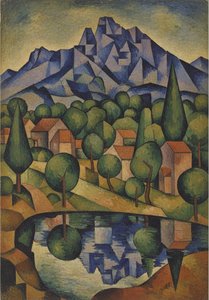
Mastering the Post-Impressionist Vision: A Definitive Guide to the Geometric Soul of Cézanne’s Artistry
Explore the profound legacy of Paul Cézanne. Discover how his mastery of geometric forms and vibrant color bridged Impressionism and Cubism, offering timeless inspiration for fine art collectors and enthusiasts seeking to understand the foundations of modern art.

The Bountiful Still Life: Symbolism & Artistic Representation of Fruit Across Art History
Explore the rich history of still life painting & the symbolism of fruit across art movements. Discover masterpieces from Caravaggio to Cézanne with TopImpressionists – expert guidance & museum-quality reproductions.

Γεωμετρική Αφαίρεση: 10 Έργα που Άλλαξαν την Τέχνη | TopImpressionists.gr
Ανακαλύψτε τα 10 κορυφαία έργα της Γεωμετρικής Αφαίρεσης! Μοντριάν, Καντίνσκι & άλλοι. Ιστορίες, τεχνικές και έμπνευση για τη διακόσμηση του σπιτιού σας. Βρείτε αναπαραγωγές υψηλής ποιότητας στο TopImpressionists.com.
Εξερευνήστε έργα τέχνης ταξινομημένα ανά θέμα, στυλ και χαρακτηριστικά.


