


 Προεπισκόπηση
 Αποστολή
 Κοινοποίηση
 Λεπτομέρειες
 Οδηγός

 Λήψη
Λήψη
 Παρόμοια αντικείμενα συλλογής
 Ακτινογραφία
 Παρουσίαση
 Στατιστικά
Still Life


 Περισσότερα λεπτομέρεια
Ανακαλύψτε τον Πωλ Σεζάν (1839-1906): πρωτοπόρος μεταϊμπρεσιονιστή που γεφύρωσε τον ιμπρεσιονισμό και τον κυβισμό. Εξερευνήστε γεωμετρικά σχήματα, νεκρές φύσεις & την διαρκή επιρροή του στη σύγχρονη τέχνη.
Giclée / Εκτυπώσεις Τέχνης
Εκτύπωση giclée ή σε καμβά ποιότητας μουσείου με γρήγορη παραγωγή και ευέλικτες επιλογές φινιρίσματος. ( Αγορά χειροποίητου πίνακα Μετάβαση σε Ψηφιακή Εικόνα)




P118B €10

P118H €10

P118W €10

P438Z €10

P508JH €12

P508YH €12

P805H €10

P805Z €10

P919BZ €10

P919G €10

P919XJ €10

P959ZH €10

P968JZ €12

W106C €8

W218G €10

W218JH €8

W218Y €10

W307PJ €10

W316G €10

W316PJ €8

W316Y €10

W398PJ €8

W4111J €10

W500HY €15

W500JH €15

W692G €12

W849H €8

W940BG €15

W953PJ €8




Πρότυπο
κατόπιν παραγγελίας
CM
INCH
Επιλέξτε από τις προκαθορισμένες διαστάσεις μας που διατηρούν τις αρχικές αναλογίες του έργου τέχνης.
Loading sizes...

πλάτος
ύψος
Μπορείτε να εισαγάγετε δικές σας διαστάσεις ώστε να ταιριάξουν με ένα συγκεκριμένο πλαίσιο ή χώρο. Εάν το επιλεγμένο μέγεθος δεν συμπίπτει με τις αναλογίες της πρωτότυπης εικόνας, θα κόψουμε το έργο τέχνης ή θα επεκτείνουμε την εικόνα με καθρεφτισμένη ή μονόχρωμη ατέλεια. Θα σας αποσταλεί ένα ψηφιακό mockup για έγκρισή σας πριν από την έναρξη της παραγωγής.
Παρακαλούμε σημειώστε ότι η προεπισκόπηση στην οθόνη δεν αντικατοπτρίζει την πραγματική κοπή ή επέκταση. Μόνο το mockup θα δείξει με ακρίβεια την τελική σύνθεση.
Παρόλο που είναι διαθέσιμες προσαρμοσμένες διαστάσεις, προτείνουμε την επιλογή μιας διάστασης από τη προκαθορισμένη λίστα για τη διατήρηση των αρχικών αναλογιών.
Παγκόσμια Αποστολή () σε 2 εβδομάδες αντί για τις συνήθεις 4/5 εβδομάδες. (8 Οκτώβριος)

Δωρεάν γρήγορη διεθνής αποστολή

Κάμβας από Λινό Υψηλής Ποιότητας

Πλήρης ασφάλιση μεταφοράς

Εγγύηση επιστροφής δασμών και φόρων εισαγωγής

Εγγύηση Απόλυτης Ομοιότητας Χρωμάτων

Πολιτική Επιστροφής 100 Ημερών (Μόνο σε περίπτωση ελαττωμάτων)

Εγγύηση επιστροφής 100% των χρημάτων

Έκπτωση για πολλαπλές παραγγελίες
 Η επιλογή με γυαλί είναι διαθέσιμη μόνο για μεγέθη κάτω από 110 εκ.

Still Life
Giclée / Εκτυπώσεις Τέχνης
Διαστάσεις Αναπαραγωγής
-


Συνολικό Κόστος
€ 59
Paul Cézanne’s Still Life: A Bridge Between Worlds
Paul Cézanne's "Still Life," painted around 1879, isn’t merely a depiction of objects arranged on a table; it’s a profound exploration of form, space, and the very nature of seeing. This work, often considered a pivotal moment in Cézanne’s artistic evolution, represents a deliberate departure from the prevailing Impressionist techniques while simultaneously building upon their foundations. It's a painting that invites prolonged contemplation, revealing layers of complexity beneath its seemingly simple arrangement of a metal bucket, ceramic bowl, apples, and bottles.
Cézanne’s early influences—Romanticism with its emphasis on emotional intensity and Realism with its commitment to accurate representation—are subtly present. However, he quickly moved beyond these styles, embarking on a rigorous investigation into the underlying structure of his subjects. He meticulously studied the way light interacts with form, how objects appear to exist in three-dimensional space, and how these perceptions can be translated onto a two-dimensional canvas. This pursuit led him to develop a unique pictorial language characterized by flattened planes, broken brushstrokes, and an almost sculptural quality to his compositions.
Composition and the Illusion of Depth
The arrangement within "Still Life" is deceptively straightforward. A prominent metal bucket anchors the scene, its cylindrical form dominating the central space. Around it, a ceramic bowl holds two apples, their rounded shapes contrasting with the angularity of the bucket. Three bottles—one on the left, one on the right, and one partially obscured behind the other—add further layers of visual interest. Yet, Cézanne doesn’t simply present these objects as they appear; he actively manipulates perspective and form to create an illusion of depth. The table itself is rendered with a subtle recession, drawing the eye into the painting's space.
Notice how Cézanne avoids traditional linear perspective. Instead, he employs overlapping planes and variations in color and tone to suggest spatial relationships. The apples, for instance, are not depicted as sharply defined spheres but rather as slightly flattened forms with subtle gradations of light and shadow. This technique, combined with his broken brushstrokes—short, choppy marks that build up to create texture and volume—creates a sense of dynamism and movement within the still life.
Post-Impressionist Innovation and Artistic Legacy
“Still Life” is a cornerstone of Post-Impressionism, a movement characterized by its rejection of Impressionism’s fleeting effects of light and color in favor of more subjective and expressive approaches. Cézanne's work paved the way for Cubism, with its fragmented forms and multiple perspectives, demonstrating a willingness to challenge traditional notions of representation. His emphasis on geometric structure and his exploration of form as an independent entity profoundly influenced artists like Picasso and Braque.
Initially, Cézanne’s radical approach was met with skepticism and ridicule by contemporary critics who found his work “unintelligible” and “ugly.” However, figures like Camille Pissarro and Ambroise Vollard recognized the significance of his innovations and championed his art. In 1895, Vollard organized a solo exhibition in Paris that brought Cézanne to wider recognition, solidifying his place as a pivotal figure in modern art. His legacy continues to resonate today, reminding us of the power of observation, experimentation, and a willingness to break with convention.
A Masterpiece for Reproduction
TopImpressionists offers meticulously hand-painted reproductions of Paul Cézanne’s “Still Life,” capturing the essence of this iconic work in stunning detail. Our artists replicate Cézanne's distinctive brushwork, rich colors, and nuanced use of light with exceptional skill. Whether you seek a vibrant addition to your art collection or a unique piece for your interior design scheme, our reproductions provide an authentic representation of this groundbreaking masterpiece. Explore the full range of sizes and canvas options available on TopImpressionists.com, and delve deeper into Cézanne’s life and work through the provided links for further research.
Further Resources:
- Paul Cézanne: Peaches, Pears and Grapes
- Paul Cézanne: Still Life with Milk Can and Apples
- Paul Cézanne: Still life with open drawer
- Paul Cézanne: Dish of Apples
Additional Information:
- Artist: Paul Cézanne
- Birth Year: 1839
- Death Year: 1906
- Birth City: Aix-en-Provence
- Birth Country: France
Learn More:
Ερωτήσεις & Απαντήσεις
Πότε δημιουργήθηκε το "Still Life";
Το έργο "Still Life" του Πωλ Σεζάν δημιουργήθηκε το 1879.
Ποια φωτεινότητα διαθέτει το "Still Life" του Πωλ Σεζάν;
Το έργο "Still Life" του Πωλ Σεζάν έχει φωτεινότητα Soft Shadow. Η φωτεινότητα περιγράφει το πόσο φως φαίνεται να αντανακλούν τα χρώματα.
Με τι είναι φτιαγμένο το "Still Life";
Το τεχνικό μέσο του έργου "Still Life" του Πωλ Σεζάν είναι το Acrylic On Canvas. Οι αναπαραγωγές στοχεύουν στην απόδοση της εμφάνισης αυτής της τεχνικής.
Πώς συνδυάζονται το υλικό και η κίνηση στο "Still Life";
Στο "Still Life", η τεχνική του Acrylic On Canvas συναντά το έργο της καλλιτεχνικής κίνησης Post-Impressionism.
Το έργο "Still Life" του Πωλ Σεζάν ανήκει στο δημόσιο περιουσιακό αγαθό (public domain) και γιατί;
Το έργο "Still Life" του Πωλ Σεζάν ανήκει στο δημόσιο κτήμα - τα δικαιώματα αυτορության έχουν λήξει. Η διάρκεια της προστασίας των πνευματικών δικαιωμάτων ξεκινά από τον θάνατο του καλλιτέχνη, ο οποίος συνέβη το 1906.
Πόσο είχε ο/η Πωλ Σεζάν όταν δημιουργήθηκε το "Still Life";
Ο/Η Πωλ Σεζάν ήταν 40 ετών όταν δημιούργησε το "Still Life" το 1879. Η ηλικία υπολογίζεται από το έτος γέννησης του καλλιτέχνη, 1839.
Ποιον καλλιτέχνη αποδίδεται το "Still Life";
Το έργο "Still Life" αποδίδεται στον/στην Πωλ Σεζάν.
Παρόμοια Έργα Τέχνης


Βιογραφικό Καλλιτέχνη
Η Επαναστατική Όραση: Η Ζωή και η Τέχνη του Πολ Σεζάν
Ο Πολ Σεζάν, γεννημένος στην Αιξ-αν-Προβάνς το 1839, υψώνεται ως μια κολοσσιαία μορφή που γεφυρώνει το χάσμα μεταξύ των φευγαλέων εντυπώσεων του Ιμπρεσιονισμού και των κατακερματισμένων μορφών του Κυβισμού. Η πορεία του δεν ήταν αυτή της άμεσης αναγνώρισης· μάλλον, ήταν μια αργή καύση εξερεύνησης τέχνης, σημαδεμένη από περιόδους αμφιβολίας και κριτικής απόρριψης, που τελικά κορυφώθηκε σε μια κληρονομιά που θα άλλαζε ανεπανόρθωτα την πορεία της σύγχρονης τέχνης. Γεννημένος σε μια εύπορη οικογένεια – ο πατέρας του αρχικά καπελοποιός και αργότερα τραπεζίτης – ο Σεζάν απολάμβανε μιας οικονομικής ασφάλειας ασυνήθιστης για επίδοξους καλλιτέχνες, επιτρέποντάς του την ελευθερία να αφιερωθεί στο πάθος του χωρίς τις άμεσες πιέσεις της εμπορικής επιτυχίας. Παρόλο που αρχικά καθοδηγήθηκε προς μια νομική σταδιοδρομία από τις φιλοδοξίες του πατέρα του, η έλξη της καλλιτεχνικής έκφρασης αποδείχθηκε πολύ ισχυρή και τελικά εγκατέλειψε το δίκαιο για να ακολουθήσει τη ζωγραφική, μια απόφαση που θα καθόριζε τη ζωή του. Οι πρώτες επιρροές περιελάμβαναν τον Ρομαντισμό που επικρατούσε στη νεότητά του και την αφοσίωση της σχολής του Μπαρμπιζόν στο τοπίο, αλλά ήταν μέσα από τις συναντήσεις με καλλιτέχνες όπως ο Πολ Γκωγκέν και ο Ζορζ Σερά, και τις καινοτόμες προσεγγίσεις τους στο χρώμα και τη μορφή, που ο Σεζάν άρχισε να χαράξει τον δικό του ξεχωριστό δρόμο.Από το Σκοτάδι στη Δομή: Η Εξέλιξη ενός Ύφους
Το πρώιμο έργο του Σεζάν συχνά αντανακλούσε τα δραματικά, συναισθηματικά φορτισμένα θέματα που χαρακτηρίζουν τον Ρομαντικό ζωγραφικό κόσμο – σκούρες παλέτες και εκφραστική πινελιά να κυριαρχούν στους καμβάδες του. Ωστόσο, αυτή η αρχική φάση ήταν απλώς ένα σκαλοπάτι προς μια πολύ πιο αναλυτική και πρωτοποριακή προσέγγιση. Απογοητευμένος από την απλή καταγραφή των φευγαλέων εντυπώσεων του φωτός, όπως ευνοούσαν οι Ιμπρεσιονιστές, ο Σεζάν ξεκίνησε μια αναζήτηση για να κατανοήσει και να αναπαραστήσει την υποκείμενη δομή των ίδιων των αντικειμένων. Δεν επιδίωκε απλώς *τι* έβλεπε, αλλά *πώς* αντιλαμβανόταν τις θεμελιώδεις μορφές που αποτελούσαν την πραγματικότητα. Αυτό τον οδήγησε να διασπάσει τα φυσικά σχήματα στα γεωμετρικά τους ισοδύναμα – κώνους, κυλίνδρους, σφαίρες – προετοιμάζοντας την Κυβιστική επανάσταση δεκαετίες πριν υλοποιηθεί. Η τεχνική του χαρακτηρίστηκε από μικρές, επαναλαμβανόμενες πινελιές, μελετητικά στρωματοποιημένες για να δημιουργήσουν πολύπλοκα πεδία χρώματος και υφής, δημιουργώντας μια αίσθηση στερεότητας και βάθους που δεν είχε ξαναδεί στη ζωγραφική. Δεν ενδιαφερόταν για τον ψευδαίσθητο χώρο· αντ’ αυτού, παρουσίαζε συχνά τα αντικείμενα από πολλαπλές οπτικές γωνίες ταυτόχρονα, αμφισβητώντας τις παραδοσιακές έννοιες της προοπτικής και αναγκάζοντας τον θεατή να εμπλακεί ενεργά με τη κατασκευασμένη φύση των συνθέσεών του. Αυτή η σκόπιμη στρέβλωση δεν ήταν αυθαίρετη, αλλά μάλλον μια προσπάθεια να μεταδοθεί μια πληρέστερη κατανόηση της μορφής, αντιπροσωπεύοντας όχι μόνο μια στιγμή στο χρόνο αλλά και μια σύνθεση αντίληψης.Τοπία, Νεκρές Φύσεις και η Ανθρώπινη Μορφή: Βασικά Έργα και Επαναλαμβανόμενα Κίνητρα
Το έργο του Σεζάν είναι αξιοσημείωτα ποικίλο, καλύπτοντας τοπία, νεκρές φύσεις, πορτρέτα και απεικονίσεις λουομένων, ωστόσο όλα ενώνεται από τη μοναδική του προσέγγιση στη μορφή και το χρώμα. Η Λίμνη στο Jas de Bouffan, ζωγραφισμένη το 1880, αποτελεί παράδειγμα του έργου του στο τοπίο, παρουσιάζοντας την ικανότητά του να αποτυπώσει την ουσία της φύσης μέσω μιας προσεκτικής διάταξης σχημάτων και τόνων. Το Πορτρέτο του Εμίλ Ζολά, δημιουργήθηκε το 1866, αποκαλύπτει την εξελισσόμενη τεχνική του και προσφέρει μια συναρπαστική ματιά στην πνευματική ένταση του στενού του φίλου και συγγραφέα. Οι νεκρές φύσεις του, όπως αυτές με μήλα και άλλα φρούτα, δεν είναι απλώς αναπαραστάσεις αντικειμένων αλλά εξερευνήσεις όγκου, φωτός και χωρικών σχέσεων. Η σειρά του Mont Sainte-Victoire έγινε εμμονή για τον Σεζάν, ένα επαναλαμβανόμενο κίνητρο που του επέτρεψε να διερευνά αδιάκοπα τη μορφή και την προοπτική για δεκαετίες. Αυτοί οι πίνακες δεν είναι απλώς απεικονίσεις ενός βουνού· είναι μελέτες για το πώς αντιλαμβανόμαστε το βάθος, τον όγκο και την αλληλεπίδραση του φωτός και της σκιάς. Τέλος, η σειρά των Λουομένων του, που απεικονίζει γυμνές μορφές σε ειδυλλιακά τοπία, αντιπροσωπεύει μια βαθιά εξερεύνηση της ανθρώπινης μορφής και της σύνδεσής της με τη φύση, συχνά εμποτισμένη με μια αίσθηση διαχρονικότητας και ήσυχης στοχαστικότητας.Μια Κληρονομιά Σφυρηλατημένη στην Καινοτομία: Η Επιρροή του Σεζάν στη Σύγχρονη Τέχνη
Ο αντίκτυπος του Πολ Σεζάν στις επόμενες γενιές καλλιτεχνών είναι ανυπολόγιστος. Θεωρείται ευρέως ο «πατέρας της σύγχρονης τέχνης» για τις πρωτοποριακές του συνεισφορές στη ζωγραφική γλώσσα, ανοίγοντας τον δρόμο για πολλά από τα σημαντικότερα καλλιτεχνικά κινήματα του 20ού αιώνα. Ο Πάμπλο Πικάσο και ο Ζωρζ Μπρακ ήταν βαθιά χρεωστούν στον Σεζάν για την έμφαση που έδινε στα γεωμετρικά σχήματα και τις πολλαπλές προοπτικές, οι οποίες έγιναν κεντρικοί λίθοι του Κυβισμού. Η τολμηρή χρήση του χρώματος του ενέπνευσε επίσης το κίνημα των Φωβιστών, με επικεφαλής καλλιτέχνες όπως ο Ανρί Ματίς, που αγκάλιασαν ζωηρές, μη ρεαλιστικές αποχρώσεις. Ακόμη και οι σουρε
Πωλ Σεζάν
1839 - 1906 , Γαλλία
Στοιχεία καλλιτέχνη
- Εθνικότητα: Γάλλος
- Ημερομηνία Γέννησης: 19 Ιανουαρίου 1839
- Ημερομηνία Θανάτου: 22 Οκτωβρίου 1906
- Καλλιτέχνες Που Τον Επηρέασαν:
- Ρομαντισμός
- Barbizon school
- Paul Gauguin
- Georges Seurat
- Καλλιτέχνες/Κινήματα Που Επηρέασε:
- Cubism
- Fauvism
- Καλλιτεχνικό Κίνημα/Στυλ: Μεταϊμπρεσιονισμός
- Πλήρες Όνομα: Paul Cézanne
- Σημαντικά Έργα Τέχνης:
- The Pond at Jas de Bouffan
- Portrait of Émile Zola
- Mont Sainte-Victoire
- Τόπος Γέννησης: Aix-en-Provence, Γαλλία
Σχετικά άρθρα
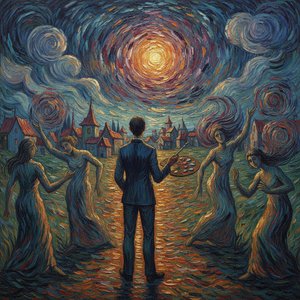
Beyond the Light: Capturing Emotion Through the Expressive Soul of Post-Impressionism
Explore the profound emotional depth of Post-Impressionism. Discover how masters like Van Gogh and Cézanne moved beyond light to capture raw feeling through color and texture. A journey into art history for the true connoisseur.

Beyond the Light: Discovering the Soul and Emotional Depth of Post-Impressionism
Embark on a cultural journey through Post-Impressionism. Discover the profound emotional depth of masters like Van Gogh and Cézanne, exploring how they moved beyond light to capture the very soul of human experience through vibrant color and symbolic form.
Εξερευνήστε έργα τέχνης ταξινομημένα ανά θέμα, στυλ και χαρακτηριστικά.


