

 Προεπισκόπηση σε πραγματική κλίμακα
 Αποστολή
 Κοινοποίηση
 Λεπτομέρειες
 Οδηγός

 Λήψη
Λήψη
 Παρόμοια αντικείμενα συλλογής
 Ακτινογραφία
 Παρουσίαση
 Ερωτήσεις & Απαντήσεις
 Στατιστικά
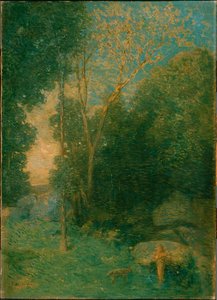
INTERIEUR DE FORET (COMPIEGNE)


Discover 'Interieur de Foret (Compiegne)' by Paul Huet – a captivating Romantic landscape painting. Explore its atmospheric brushstrokes, forest scene & human element. #art #landscapepainting #frenchart
 Περισσότερα
Ο Paul Huet (1803-1869) ήταν Γάλλος ζωγράφος τοπίου, γνωστός για το Ρομαντικό στυλ του και την επιρροή του στους καλλιτέχνες της Σχολής Barbizon και των Ιμπρεσιονιστών. Ανακαλύψτε τα καθηλωτικά ακουαρέλ και τα λάδι του.
Giclée / Εκτυπώσεις Τέχνης
Εκτύπωση giclée ή σε καμβά ποιότητας μουσείου με γρήγορη παραγωγή και ευέλικτες επιλογές φινιρίσματος. ( Αγορά χειροποίητου πίνακα Μετάβαση σε Ψηφιακή Αποτέλεσμα)




P118B €10

P118H €10

P118W €10

P438Z €10

P508JH €12

P508YH €12

P805H €10

P805Z €10

P919BZ €10

P919G €10

P919XJ €10

P959ZH €10

P968JZ €12

W106C €8

W218G €10

W218JH €8

W218Y €10

W307PJ €10

W316G €10

W316PJ €8

W316Y €10

W398PJ €8

W4111J €10

W500HY €15

W500JH €15

W692G €12

W849H €8

W940BG €15

W953PJ €8




Πρότυπο
κατόπιν παραγγελίας
CM
INCH
Επιλέξτε από τις προκαθορισμένες διαστάσεις μας που διατηρούν τις αρχικές αναλογίες του έργου τέχνης.
Loading sizes...

πλάτος
ύψος
Εισάγετε το πλάτος και το ύψος που επιθυμείτε, ώστε να ταιριάζουν στο κάδሮ ή στον τοίχο σας. Μια εκτύπωση μπορεί μόνο να υποστεί κοψίμό και ποτέ να μην γίνει μεγαλύτερη από την αρχική εικόνα, επομένως η επιλογή μεγέθους με διαφορετικό σχήμα συνεπάγεται απώλεια ενός μέρους της εικόνας. Σας στέλνουμε ένα ψηφιακό mockup για έγκριση πριν προχωρήσουμε σε οποιαδήποτε εκτύπωση. Η εικόνα που εμφανίζεται σε αυτή τη σελίδα δεν δείχνει την πραγματική κοπή — μόνο το mockup την παρουσιάζει.
Παγκόσμια Αποστολή () σε 2 εβδομάδες αντί για τις συνήθεις 4/5 εβδομάδες. (3 Νοέμβριος)

Δωρεάν γρήγορη διεθνής αποστολή

Κάμβας από Λινό Υψηλής Ποιότητας

Πλήρης ασφάλιση μεταφοράς

Εγγύηση επιστροφής δασμών και φόρων εισαγωγής

Εγγύηση Απόλυτης Ομοιότητας Χρωμάτων

Πολιτική Επιστροφής 100 Ημερών (Μόνο σε περίπτωση ελαττωμάτων)

Εγγύηση επιστροφής 100% των χρημάτων

Προσφορά για πολλαπλές παραγγελίες
 Η επιλογή με γυαλί είναι διαθέσιμη μόνο για μεγέθη κάτω από 110 εκ.

INTERIEUR DE FORET (COMPIEGNE)
Giclée / Εκτυπώσεις Τέχνης
Διαστάσεις Αναπαραγωγής
-


Τελική Τιμή
€ 62
The Enveloping Mystery of the Woodland
To stand before Paul Huet’s depiction of an interior forest—Intérieur de Forêt (Compiègne)—is not merely to observe a landscape; it is to step through a veil into a moment suspended between light and shadow. The painting immerses the viewer in the profound, almost palpable atmosphere of a dense woodland. Huet masterfully captures the overwhelming presence of nature, where the vertical thrust of countless tree trunks creates an architectural rhythm, guiding the eye deep into the cool embrace of the woods. This is a scene steeped in the Romantic sensibility, suggesting that the forest itself is a character, whispering secrets only to those who listen closely.
A Study in Light and Atmosphere
Technically, Huet’s handling of oil paint is breathtakingly evocative. One can almost feel the texture beneath the surface; the visible brushstrokes speak to an artist deeply engaged with his medium, prioritizing feeling over flawless polish. The light here is not direct but diffused—a celestial curtain filtering through a thick canopy overhead. This dappled illumination creates pockets of ethereal brightness on the forest floor and catches the edges of foliage, giving the scene a luminous quality despite its deep shadows. The palette relies heavily on earthy greens and rich browns, punctuated by those brilliant, almost accidental touches of yellow and white that suggest hope or revelation within the gloom.
Romantic Echoes and Human Presence
Historically, this work situates itself perfectly within the currents of 19th-century Romanticism. Huet, a pioneer whose vision bridged the gap between academic training and the burgeoning spirit of Impressionism, understood that nature was a mirror for the human soul. The inclusion of a small figure, subtly placed near the lower right corner, is crucial. This solitary presence acts as an anchor, providing scale and narrative focus against the immensity of the woods. It suggests contemplation—a moment where humanity pauses before the sublime power of the natural world, finding both solitude and companionship within its embrace.
Symbolism for the Modern Sanctuary
For the contemporary collector or designer, this piece transcends mere decoration; it functions as an emotional conduit. The forest setting symbolizes retreat, introspection, and the enduring connection to something wild and untamed. It speaks to a modern yearning for sanctuary—a place away from the clamor of urban life. Reproducing Intérieur de Forêt allows one to bring that sense of hushed tranquility into a formal interior space, transforming a room into a contemplative haven. The artwork doesn't shout its beauty; it whispers it, inviting quiet reflection upon its textured, deeply atmospheric surface.
Ερωτήσεις και Απαντήσεις
Με τι τεχνική έχει δημιουργηθεί το "INTERIEUR DE FORET (COMPIEGNE)";
Το έργο "INTERIEUR DE FORET (COMPIEGNE)" εκτελέστηκε με τη χρήση του/της Oil On Canvas.
Πού μπορώ να δω το πρωτότυπο "INTERIEUR DE FORET (COMPIEGNE)" του Πωλ Ουέ;
Το έργο "INTERIEUR DE FORET (COMPIEGNE)" του Πωλ Ουέ εκτίθεται στο Μουσείο του Λούβρου, Paris, France. Η αναφορά στο μουσείο αφορά το πρωτότυπο έργο και όχι αναπαραγωγές.
Είναι το "INTERIEUR DE FORET (COMPIEGNE)" τυπικό για όσα δημιουργούσε συνήθως ο/η Πωλ Ουέ;
Το έργο "INTERIEUR DE FORET (COMPIEGNE)" απεικονίζει τα forest landscape, romantic art, natural scene, atmospheric view, tree silhouettes, human figure, tranquil nature, dark woods, ενώ τα αναγνωρίσιμα θέματα του Πωλ Ουέ είναι τα key work in huet's career, demonstrates romantic vision, influential on impressionists, romantic landscape tradition, french barbizon school style, emphasis on atmospheric mood, connection to nature's power, solitude and reflection. Η σύγκριση των δύο αναδεικνύει τον τρόπο με τον οποίο το έργο συνδέεται με τα συνηθισμένα θέματα του καλλιτέχνη.
Σχετικά Έργα Τέχνης



Βιογραφικό Καλλιτέχνη
Paul Huet: Ένας Πρωτοπόρος του Ρομαντικού Τοπίου
Ο Paul Huet (1803-1869) αποτελεί μια κομβική, αν και συχνά υποβαθμισμένη, μορφή στην γαλλική τέχνη του 19ου αιώνα – έναν ζωγράφο τοπίου που επηρέασε βαθιά τόσο τη Σχολή Barbizon όσο και τους νεοσύστατους Ιμπρεσιονιστές. Γεννημένος στο Παρίσι, μέσα σε ένα ανθισμένο καλλιτεχνικό κλίμα, το ταξίδι του Huet ήταν μια πορεία αδιάκοπης παρατήρησης, μιας βαθιάς σύνδεσης με τη φύση και μιας σκόπιμης άρνησης των επικρατούντων νεοκλασικιστικών τάσεων. Το έργο του δεν ήταν απλές απεικονίσεις τοπίων· ήταν μια προσπάθεια να αιχμαλωτίσει την ίδια την ουσία του φωτός, της ατμόσφαιρας και της φευγαλέας ομορφιάς του φυσικού κόσμου, μια επιδίωξη που κατέστησε τη θέση του ως βασικός καινοτόμος στη γαλλική ζωγραφική.Πρώιμες Επιδράσεις και Καλλιτεχνική Εκπαίδευση
Η καλλιτεχνική εξέλιξη του Huet ξεκίνησε με μια στιβαρή βάση στις παραδοσιακές τεχνικές. Έλαβε πρώτες διδασκαλίες από τον Jean-Julien Deltil, πρώην μαθητή του Jacques-Louis David, και ακολούθησαν σπουδές στην École des Beaux-Arts υπό την καθοδήγηση των Pierre Guérin και Antoine-Jean Gros. Κρίσιμη ήταν η στιγμή που ο δρόμος του пересеcha με αυτόν του Richard Parkes Bonington, συμφοιτητή του στο εργαστήριο του Gros. Αυτή η συνάντηση αποδείχθηκε μεταμορφωτική. Η προσέγγιση του Bonington στη ζωγραφική en plein air – το να εργάζεται απευθείας μέσα στη φύση – μαγευτοποίησε τον Huet, οδηγώντας τον να εγκαταλείψει την αυστηρή νεοκλοσικιστική μορφολογία και να αγκαλιάσει ένα πιο αυθόρμητο και παρατηρητικό στυλ. Οι βρετανικές τοπιογραφικές ζωγραφιές που εκτέθηκαν στο Salon του 1824 λειτούργησαν ως αποκάλυψη· η ικανότητα του John Constable να αποδίδει τη φρεσκάδα και τη γαλαζοπράσινη ομορφιά χωρίς να καταφεύγει σε σκοτεινά σκιές ή τεχνητότητα, βρήκε βαθιά έκ resonance στον Huet, διαμορφώνοντας τη δική του καλλιτεχνική φιλοσοφία. Περιγράφοντας με φήμη το έργο του Constable, δήλωσε: «ίσως η πρώτη φορά που κάποιος ένιωσε τη φρεσκάδα, που είδε μια πολυτελή, καταπράσινη φύση, χωρίς σκοτάδι, ακατάστατο ή χειρισμό».Το Στυλ Barbizon και οι Ολλανδοί Μάستερ
Το στυλ του Huet εξελίχθηκε μέσα από μια συναρπαστική σύνθεση επιδράσεων. Αρχικά, προσπάθησε να μιμηθεί την τεχνική της υδατογράφησης του Bonington, όμως η καλλιτεχνική του αισθητικότητα εκτείνεται πολύ πέρα από την απλή απομίμηση. Εμπνεύστηκε από τα ατμοσφαιρειακά τοπία των Ολλανδών δασκάλων, όπως ο Jacob van Ruysdael και ο Meindert Hobbema, ιδιαίτερα τη μαθη trình χρήση του φωτός και του χρώματος για την απόδοση της διάθεσης και της ατμόσφαιρας. Αυτή η θαυμασίες προς τους παλιούς δασκάλους καθοδήγησε την ίδια του την προσέγγιση, οδηγώντας σε πίνακες που κατείχαν μια ήρεμη αξιοπρέπεια και ένα αξιοθαύμαστο αίσθημα ρεαλισμού—όχι φωτογραφικό, αλλά βαθιά αισθητό. Το έργο του κατά αυτή την περίοδο χαρακτηριζόταν από μια σκόπιμη άρνηση των ακαδημαϊκών συμβάσεων, προτιμώντας ελεύθερα πινελιάτα, ζωντανά χρώματα και μια έμφαση στην καταCapture της άμεσης εντύπωσης της φύσης.Αναγνώριση στο Salon και Πολιτική Συμμετοχή
Η καλλιτεχνική πορεία του Huet κέρτησε τροφή με το Debout του στο Salon το 1827, όπου ένα από τους οκτώ πίνακες που υπέβαλε έγινε δεκτό. Συνέχισε να εκθέτει τακτικά στο Salon καθ' όλη τη διάρκεια της δεκαετίας του 1830 και του 1840, χτίζοντας σταθερά μια φήμη στους κριτικούς και τους συλλέκτες. Ο Eugène Delacroix, συνάδελφος καλλιτέχνης και στενός φίλος, υποστήριξε το έργο του Huet, αναγνωρίζοντας τις μοναδικές του ιδιότητες. Ωστόσο, ο Étienne-Jean Delécluze προσέφερε μια πιο κριτική οπτική, θεωρώντας τον Huet υπερβολικά αφοσιωμένο στον Constable και τον Turner, παραμελώντας μερικές φορές τα θεμελιώδη αρχές του σχεδιασμού. Πέρα από τις καλλιτεχνικές του δραστηριότητες, ο Huet ήταν ενεργός συμμετέχων στην Ιουλιανή Επανάσταση του 1830 και στη συνέχεια εμπλέκεται στην επαναστατική πολιτική, αντανακλώντας το ταραγμένο κοινωνικό και πολιτικό κλίμα της Γαλλίας εκείνης της εποχής. Η δέσμευσή του σε αυτούς τους ιδανισμούς του κέρδισε την αναγνώριση από τον Βασιλιά Louis-Philippe, ο οποίος του επέβαλε ένα ζεύγος πορσελάνινων βάζων Sèvres το 1844, και έναν χρυσό μετάλλιο στο Salon του 1848.Κληρονομιά και Καλλιτεχνική Σημασία
Η επίδραση του Paul Huet στη γαλλική ζωγραφική τοπίου είναι τεράστια. Η καινοτόμος χρήση της υδατογράφησης—όχι μόνο για σκίτσα αλλά ως κύριο μέσο για ολοκληρωμένα έργα—αποδείχθηκε ότι έχει τη δυνατότητα να επιτύχει αξιοθαύμαστο βάθος και πλούτο, θυμίζοντας συχνά πίνακες ελαιογραφίας. Ήταν από τους πρώτους που υιοθέτησαν τη ζωγραφική en plein air, δίνοντας προτεραιότητα στην άμεση παρατήρηση της φύσης έναντι της εργασίας στο στούντιο. Ακόμα πιο σημαντικό είναι ότι η έμφαση του Huet στην αιχμαλωσία των φευγαλέων φαινομένων του φωτός και της ατμόσφαιρας επηρέασε βαθιά τη Σχολή Barbizon και αργότερα τους Ιμπρεσιονιστές. Καλλιτέχνες όπως ο Théodore Rousseau και ο Jean-François Millet, που επιδίωξαν να ζωγραφίσουν απευθείας από τη φύση με εστίαση στη χωριάτικη ζωή και τα τοπία, οφείλουν ένα χρέος στην πρωτοποριακή προσέγγιση του Huet. Το έργο του στέκεται ως μνημείο της δύναμης της παρατήρησης, της ομορφιάς της απλότητας και της αδιάλειπτης έλξης της αιχμαλωποίησης της ουσίας του φυσικού κόσμου. Πέθανε στο Παρίσι το 1869, αφήνοντας πίσω του ένα σημαντικό έργο που συνεχίζει να μαγεύει τους θεατές με την καθηλωτική του ατμόσφαιρα και τη βαθιά του σύνδεση με τη φύση.
Πωλ Ουέ
1803 - 1869 , Γαλλία
Γρήγορα στοιχεία
- Artistic Movement Or Style: Ρομαντικό Τοπίο
- Artists Or Movements Influenced By This Artist:
- Σχολή Barbizon
- Εμπρεσιονιστές
- Artists Who Influenced This Artist:
- Rembrandt
- John Constable
- Eugène Delacroix
- Date Of Birth: 1803-10-03
- Date Of Death: 1869-01-08
- Full Name: Paul Huet
- Nationality: Γάλλος
- Notable Artworks:
- A Villa Near Rome
- Effet du Soir
- Sous bois avec un étang
- Place Of Birth: Παρίσι, Γαλλία
Σχετικά άρθρα

Capturing the Soul: The Emotional Magic and Sublime Grandeur of Romantic Landscape Painting
Explore the profound emotional depth of Romantic landscape painting. Discover how masters like Friedrich and Turner captured the sublime through light, shadow, and nature's power in this expert art history retrospective for discerning collectors.
Capturing the Soul: The Emotional Majesty and Sublime Power of Romantic Landscape Painting
Explore the profound emotional depth of Romantic landscape painting. Discover how masters like Turner and Friedrich captured the sublime power of nature through intuition and imagination in this expert art history retrospective.