


 Προεπισκόπηση
 Αποστολή
 Κοινοποίηση
 Λεπτομέρειες
 Οδηγός

 Λήψη
Λήψη
 Παρόμοια αντικείμενα συλλογής
 Ακτινογραφία
 Παρουσίαση
 Στατιστικά
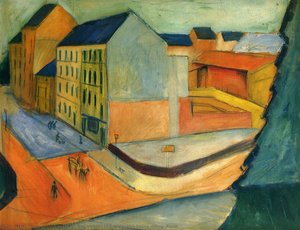
View from the studio window of the artist in Paris
 Oil On Canvas
- WallArt
- Early Expressionism
 1900
1900 48.0 x 37.0 cm
 Kunsthalle Bremen
Experience 'View from the Studio Window,' Paula Modersohn-Becker's evocative Parisian scene. A poignant glimpse into her life & art, capturing urban beauty with emotional depth.
 Περισσότερα λεπτομέρεια
Self-Portraits and the Exploration of Identity</h2>
Perhaps the most groundbreaking aspect of Modersohn-Becker’s oeuvre is her series of self-portraits
Χειροποίητη Αναπαραγωγή σε Έλαιο
Χειροποίητη ελαιογραφία σε καμβά στο δικό σας μέγεθος και πλαίσιο, κατά παραγγελία από τους καλλιτέχνες μας. ( Μετάβαση σε Εκτυπώσεις Μετάβαση σε Ψηφιακή Εικόνα)




P118B $10

P118H $10

P118W $10

P438Z $10

P508JH $12

P508YH $12

P805H $10

P805Z $10

P919BZ $10

P919G $10

P919XJ $10

P959ZH $10

P968JZ $12

W106C $8

W218G $10

W218JH $8

W218Y $10

W307PJ $10

W316G $10

W316PJ $8

W316Y $10

W398PJ $8

W4111J $10

W500HY $15

W500JH $15

W692G $12

W849H $8

W940BG $15

W953PJ $8




Πρότυπο
κατόπιν παραγγελίας
CM
INCH
Επιλέξτε από τις προκαθορισμένες διαστάσεις μας που διατηρούν τις αρχικές αναλογίες του έργου τέχνης.
Loading sizes...

πλάτος
ύψος
Μπορείτε να ορίσετε δικές σας διαστάσεις ώστε το έργο να ταιριάζει σε ένα συγκεκριμένο πλαίσιο ή χώρο. Εάν το επιλεγμένο μέγεθος δεν συμπίπτει με τις αναλογίες της αρχικής εικόνας, θα περικοψούμε το έργο ή θα επεκτείνουμε τη ζωγραφιά με πρόσθετα χειρόγραφα στοιχεία. Ένα ψηφιακό προσχέδιο θα σας αποσταλεί για έγκριση πριν την έναρξη της παραγωγής.
Παρακαλούμε σημειώστε ότι η προεπισκόπηση στην οθόνη δεν αντικατοπτρίζει την πραγματική περικοπή ή επέκταση. Μόνο το προσχέδιο θα δείξει με ακρίβεια την τελική σύνθεση.
Παρόλο που είναι διαθέσιμα προσαρμοσμένα μεγέθη, συνιστούμε να επιλέξετε μια διάσταση από τη λίστα των προκαθορισμένων μεγεθών για τη διατήρηση των αρχικών αναλογιών.
Παραδείγματα αλλαγών: Αντικατάσταση προσώπου με φωτογραφία του πελάτη· Προσθήκη κατοικίδιου (π.χ., αντικατάσταση γάτας με σκύλο)· Ενσωμάτωση κρυφού μηνύματος στο φόντο· Αλλαγή τοπίου ή στοιχείων του φόντου.
Μετά την παραγγελία, η ομάδα του TopImpressionists.com θα στείλει email στον πελάτη με οδηγίες και θα παρέχει μια προεπισκόπηση προσχεδίου
Μετά την παραγγελία, η ομάδα του TopImpressionists.com θα στείλει email στον πελάτη με οδηγίες και θα παρέχει μια προεπισκόπηση προσχεδίου
Παγκόσμια Αποστολή () σε 3-4 εβδομάδες αντί για τις συνήθεις 5 εβδομάδες. (23 Σεπτέμβριος). Χωρίς συμβιβασμούς στην ποιότητα.

Δωρεάν γρήγορη διεθνής αποστολή

Κάμβας από Λινό Υψηλής Ποιότητας

Πλήρης ασφάλιση μεταφοράς

Εγγύηση επιστροφής δασμών και φόρων εισαγωγής

Εγγύηση Απόλυτης Ομοιότητας Χρωμάτων

Πολιτική Επιστροφής 100 Ημερών (Μόνο σε περίπτωση ελαττωμάτων)

Εγγύηση επιστροφής 100% των χρημάτων

Έκπτωση για πολλαπλές παραγγελίες
 Η επιλογή με γυαλί είναι διαθέσιμη μόνο για μεγέθη κάτω από 110 εκ.

View from the studio window of the artist in Paris
Τεχνική Αναπαραγωγής
Διαστάσεις Αναπαραγωγής
-


Συνολικό Κόστος
$ 269
A Window Into the Soul: Paula Modersohn-Becker’s “View from the Studio Window of the Artist in Paris”
Painted in 1900, during a pivotal period in her artistic development, Paula Modersohn-Becker's "View from the Studio Window of the Artist in Paris" is more than just a landscape; it’s a profound meditation on selfhood, observation, and the burgeoning currents of early Expressionism. The painting captures a hazy Parisian vista seen through the open window of her studio – a space that served as both sanctuary and crucible for her creative process. It's a deceptively simple composition, yet brimming with layers of meaning and emotional resonance.
Modersohn-Becker’s style at this time is characterized by a delicate balance between observation and subjective feeling. She employs loose, expressive brushstrokes—a hallmark of the Worpswede school to which she briefly belonged – creating an atmosphere of diffused light and atmospheric perspective. The buildings in the background are rendered with a certain vagueness, almost dissolving into the misty haze, while the foreground elements – a few trees, a distant street corner – retain a sharper focus, drawing the viewer’s eye inward. The palette is muted, dominated by cool blues, greys, and browns, punctuated by subtle hints of ochre and rose, lending the scene a melancholic beauty.
The Artist as Observer: A Portrait in Miniature
Crucially, this painting isn't simply a depiction of Paris; it’s a self-portrait. Modersohn-Becker positioned herself within the composition, subtly integrated into the landscape. This intimate inclusion invites us to consider the artist not just as a creator of images, but as an active participant in the world she observes. The placement of her figure—slightly off-center and partially obscured by the window frame—suggests a sense of detachment, yet simultaneously emphasizes her connection to the scene. It’s a quiet assertion of presence, a declaration that the artist's gaze shapes the very reality being captured.
The painting’s historical context is vital to understanding its significance. Modersohn-Becker was navigating a male-dominated art world in late 19th and early 20th century Germany, where women artists faced significant barriers to recognition. Her decision to focus on self-portraits—particularly those depicting pregnancy and motherhood—was a radical act of defiance, challenging conventional representations of female identity and asserting her right to explore the complexities of her own experience.
Symbolism and Emotional Resonance
The hazy atmosphere surrounding the buildings in Paris is laden with symbolism. It evokes a sense of longing, perhaps for a world beyond her immediate surroundings, or a reflection on the transient nature of beauty and memory. The muted colors contribute to this feeling of wistfulness, while the open window suggests an invitation—a glimpse into the artist’s inner world. The painting's emotional impact is profoundly intimate; it speaks to themes of isolation, introspection, and the search for meaning in a rapidly changing world.
Furthermore, the inclusion of the clock in the scene adds another layer of complexity. Time itself becomes a subject of contemplation—a reminder of the fleeting nature of life and the artist’s own mortality. It's a subtle yet powerful element that underscores the painting’s underlying themes of reflection and self-awareness.
A Legacy of Intimacy
“View from the Studio Window of the Artist in Paris” remains one of Modersohn-Becker’s most compelling works, offering a rare and intimate glimpse into her artistic vision. It's a testament to her courage as an artist and her ability to transform personal experience into universal themes. Today, reproductions of this painting continue to resonate with viewers who appreciate its delicate beauty, profound symbolism, and the enduring power of self-expression.
Παρόμοια Έργα Τέχνης




Βιογραφικό Καλλιτέχνη
Η Πρωτοπόρος της Εσωτερικής Όρασης: Η Ζωή και η Τέχνη της Paula Modersohn-Becker
Η Paula Modersohn-Becker, ένα όνομα που αντηχεί με σιωπηλή δύναμη στα χρονικά της πρώιμης μοντέρνας τέχνης, ήταν μια καλλιτέχνις που τόλμησε να κοιτάξει προς τα μέσα. Γεννήθηκε Minna Hermine Paula Becker στις 8 Φεβρουαρίου 1876 στην Δρέσδη της Γερμανίας και πέθανε στις 30 Νοεμβρίου 1907 στο Worpswede, αλλά μέσα σε αυτές τις τρεις δεκαετίες, χαράξει μια πορεία αξιοσημείωτης καλλιτεχνικής καινοτομίας και προσωπικής γενναιότητας. Η ιστορία της δεν είναι αυτή της άμεσης αναγνώρισης ή της ευρείας αποδοχής κατά τη διάρκεια της ζωής της· μάλλον, είναι μια μαρτυρία για την ανθεκτικότητα μιας ατομικής φωνής που αμφισβήτησε τις συμβάσεις και εξερεύνησε τα βάθη της ανθρώπινης εμπειρίας με ακλόνητη ειλικρίνεια. Προερχόμενη από ένα σχετικά προνομιούχο περιβάλλον, αλλά σημαδεμένο από μια διακριτική σκιά – ο θείος της είχε προσπαθήσει να δολοφονήσει τον Βασιλιά της Πρωσίας – οι καλλιτεχνικές κλίσεις της Paula ενθαρρύνθηκαν, αν και υπό την πίεση των κοινωνικών προσδοκιών. Έλαβε αρχική εκπαίδευση στο Λονδίνο και το Βερολίνο, αλλά η ατμόσφαιρα του Worpswede, μιας αποικίας καλλιτεχνών βόρεια του Μπρέμεν, άναψε πραγματικά το δημιουργικό της πνεύμα. Εκεί, ανάμεσα σε μια κοινότητα ομοϊδεατών ανθρώπων, άρχισε να απαλλάσσεται από τους περιορισμούς της ακαδημαϊκής παράδοσης και να ξεκινήσει ένα ταξίδι προς μια μοναδικά προσωπική καλλιτεχνική γλώσσα.Η Πορεία προς την Έκφραση: Επιδράσεις και Καλλιτεχνική Ανάπτυξη
Η καλλιτεχνική εξέλιξη της Modersohn-Becker δεν ήταν γραμμική· ήταν μια διαδικασία συνεχούς αμφισβήτησης, πειραματισμού και βελτίωσης. Αρχικά επηρεασμένη από τον Ιμπρεσιονισμό, τα πρώτα τοπία και πορτρέτα της έδειξαν ευαισθησία στο φως και την ατμόσφαιρα, αλλά σύντομα ένιωσε περιορισμένη από τους περιορισμούς του. Μια κομβική στιγμή ήρθε με τα ταξίδια της στο Παρίσι το 1899 και τις επακόλουθες επισκέψεις το 1903 και το 1905. Βυθιζόμενη στην ζωντανή καλλιτεχνική σκηνή της γαλλικής πρωτεύουσας, συνάντησε τα έργα των Paul Cézanne, Paul Gauguin, Vincent van Gogh και άλλων μετα-Ιμπρεσιονιστών δασκάλων. Αυτοί οι καλλιτέχνες την απελευθέρωσαν από την επιδίωξη της απλής αναπαράστασης, ενθαρρύνοντάς την να εξερευνήσει τις εκφραστικές δυνατότητες του χρώματος, της μορφής και της σύνθεσης. Η επίδραση αυτών των ζωγράφων είναι εμφανής στην ολοένα και πιο τολμηρή πινελιά και τις απλοποιημένες μορφές της. Ωστόσο, η Modersohn-Becker δεν μιμήθηκε απλώς· συνθέτει αυτές τις επιρροές με τα δικά της βαθιά αισθήματα και παρατηρήσεις. Οι συναντήσεις της με καλλιτέχνες όπως ο Emil Nolde και ο Franz Crumbach στον κύκλο του Worpswede την ώθησαν περαιτέρω προς ένα πιο συναισθηματικά φορτισμένο και υποκειμενικό στυλ. Άρχισε να εστιάζει έντονα στα πορτρέτα, ιδιαίτερα αυτά των γυναικών και των μητέρων, επιδιώκοντας να αποτυπώσει όχι μόνο την φυσική τους ομοιότητα αλλά και τις εσωτερικές τους ζωές – τις ευπάθειες, τις δυνάμεις και τις πολυπλοκότητές τους. Επιζητούσε να απεικονίσει την ουσία των υποκειμένων της, ξεπερνώντας την επιφανειακή εμφάνιση για να αποκαλύψει το ψυχολογικό βάθος που κρύβεται κάτω από αυτήν.Θραύση Ορίων: Αυτοπροσωπογραφίες και Εξερεύνηση της Ταυτότητας
Ίσως η πιο πρωτοποριακή πτυχή του έργου της Modersohn-Becker είναι η σειρά αυτοπροσωπογραφιών της, ιδιαίτερα αυτές που την απεικονίζουν γυμνή ή έγκυο. Αυτά τα έργα ήταν επαναστατικά για την εποχή τους, αμφισβητώντας τις κοινωνικές νόρμες και τις καλλιτεχνικές συμβάσεις που υπαγόρευαν πώς οι γυναίκες θα έπρεπε να απεικονίζονται – ή μάλλον, *να μην* απεικονίζονται με τόσο άμεσο και αδιάλλακτο τρόπο. Δεν παρουσίαζε τον εαυτό της ως αντικείμενο επιθυμίας· αντίθετα, χρησιμοποιούσε το δικό της σώμα ως μέσο για να εξερευνήσει θέματα ταυτότητας, θηλυκότητας, μητρότητας και ανθρώπινης κατάστασης. Η Αυτοπροσωπογραφία με Κολιέ, η Αυτοπροσωπογραφία στην Έκτη Επέτειο του Γάμου της και πολλές άλλες αυτοπροσωπογραφήσεις δεν είναι απλώς σπουδές σε μορφή και χρώμα· είναι βαθιές ψυχολογικές έρευνες. Αποκαλύπτουν μια γυναίκα που παλεύει με την αίσθηση του εαυτού της, αμφισβητώντας τις κοινωνικές προσδοκίες και επιβεβαιώνοντας την καλλιτεχνική της αυτονομία. Αυτοί οι πίνακες ήταν τολμηρές πράξεις αυτοέκφρασης, ανοίγοντας τον δρόμο για τις μελλοντικές γενιές γυναικών καλλιτεχνών να εξερευνήσουν τις δικές τους ταυτότητες και εμπειρίες μέσα από την τέχνη. Η προθυμία της να αντιμετωπίσει τα ταμπού θέματα και να αμφισβητήσει τις συμβατικές έννοιες της ομορφιάς εδραίωσε τη θέση της ως μια πραγματική πρωτοπόρο. Κοιτούσε τον εαυτό της με μια ειλικρίνεια που σπάνια συναντάται στην πορτραίτ, ιδιαίτερα από μια γυναίκα καλλιτέχνιδα, δημιουργώντας εικόνες που ήταν ταυτόχρονα ευάλωτες και δυναμικά αυτοπροσδιορισμένες.Κληρονομιά και Διαρκής Επίπτωση
Η τραγικά σύντομη καριέρα της Paula Modersohn-Becker απέδωσε έναν εκπληκτικό όγκο έργων – πάνω από 700 πίνακες και 1.000 σχέδια. Παρά την περιορισμένη αναγνώριση κατά τη διάρκεια της ζωής της, η επιρροή της στην ανάπτυξη του Γερμανικού Εξπρεσιονισμού είναι πλέον ευρέως αναγνωρισμένη. Θεωρείται βασική μορφή στη γεφύρωση του χάσματος μεταξύ του Ιμπρεσιονισμού και του Εξπρεσιονισμού, θέτοντας τα θεμέλια για καλλιτέχνες όπως ο Ernst Ludwig Kirchner και ο Emil Nolde. Το 1927, ένα κομβικό γεγονός εδραίωσε τη θέση της στην ιστορία της τέχνης: η ίδρυση του Μουσείου Paula Modersohn-Becker στο Bremen – το πρώτο μουσείο αφιερωμένο αποκλειστικά στο έργο μιας γυναίκας καλλιτέχνιδας
Παולה Μόντερσον-Μπέκερ
1876 - 1907 , Γερμανία
Στοιχεία καλλιτέχνη
- Εθνικότητα: Γερμανίδα
- Επηρεασμένοι Καλλιτέχνες: ['Γερμανικός Εκφρασισμός']
- Ημερομηνία Γέννησης: 8 Φεβρουαρίου 1876
- Ημερομηνία Θανάτου: 30 Νοεμβρίου 1907
- Καλλιτέχνες Που Την Επηρέασαν:
- Cézanne
- Gauguin
- Van Gogh
- Καλλιτεχνικό Κίνημα: Εκφρασισμός
- Πλήρες Όνομα: Paula Modersohn-Becker
- Σημαντικά Έργα Τέχνης: ['Αυτοπροσωπογραφία με κολιέ']
- Τόπος Γέννησης: Δρέσδη, Γερμανία
Σχετικά άρθρα

Unmasking Emotion: A Journey Through the Raw Power and Visceral Beauty of German Expressionism
Explore the raw emotional power of German Expressionism. From Kirchner to Die Brücke, discover how artists used distortion and vibrant color to unmask the human psyche. A deep dive into art history for the discerning collector and enthusiast.

Beyond Reality: The Dreamlike Power of Surrealist Expressionism and the Subconscious Mind
Explore the profound depths of Surrealist Expressionism. Discover how masters like Dalí used dream logic and subconscious imagery to redefine reality through emotionally resonant, museum-quality art.