


 Προεπισκόπηση
 Αποστολή
 Κοινοποίηση
 Λεπτομέρειες
 Οδηγός

 Λήψη
Λήψη
 Παρόμοια αντικείμενα συλλογής
 Ακτινογραφία
 Παρουσίαση
 Στατιστικά
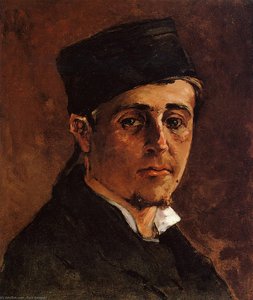
Self Portrait
 Acrylic On Canvas
- WallArt
- British Impressionism
 1920
1920 74.0 x 59.0 cm
 Μουσείο Φιτσίουελλ
Philip Wilson Steer's "The President Woodrow Wilson House" captures a contemplative man in a suit, showcasing his signature Impressionistic style and masterful use of light & shadow. Explore this evocative portrait.
 Περισσότερα λεπτομέρεια
Ο Φίλιπς Γουίλσον Στιρ (1860-1942) ήταν ένας σημαντικός Βρετανός 印象ιστής ζωγράφος, γνωστός για τα λαμπερά τοπία και θάλασσες του. Επηρεασμένος από τον Μανέ και τον Whistler, έργα του εκτίθενται στο Tate & Uffizi.
Giclée / Εκτυπώσεις Τέχνης
Εκτύπωση giclée ή σε καμβά ποιότητας μουσείου με γρήγορη παραγωγή και ευέλικτες επιλογές φινιρίσματος. ( Αγορά χειροποίητου πίνακα Μετάβαση σε Ψηφιακή Εικόνα)




P118B €10

P118H €10

P118W €10

P438Z €10

P508JH €12

P508YH €12

P805H €10

P805Z €10

P919BZ €10

P919G €10

P919XJ €10

P959ZH €10

P968JZ €12

W106C €8

W218G €10

W218JH €8

W218Y €10

W307PJ €10

W316G €10

W316PJ €8

W316Y €10

W398PJ €8

W4111J €10

W500HY €15

W500JH €15

W692G €12

W849H €8

W940BG €15

W953PJ €8




Πρότυπο
κατόπιν παραγγελίας
CM
INCH
Επιλέξτε από τις προκαθορισμένες διαστάσεις μας που διατηρούν τις αρχικές αναλογίες του έργου τέχνης.
Loading sizes...

πλάτος
ύψος
Μπορείτε να εισαγάγετε δικές σας διαστάσεις ώστε να ταιριάξουν με ένα συγκεκριμένο πλαίσιο ή χώρο. Εάν το επιλεγμένο μέγεθος δεν συμπίπτει με τις αναλογίες της πρωτότυπης εικόνας, θα κόψουμε το έργο τέχνης ή θα επεκτείνουμε την εικόνα με καθρεφτισμένη ή μονόχρωμη ατέλεια. Θα σας αποσταλεί ένα ψηφιακό mockup για έγκρισή σας πριν από την έναρξη της παραγωγής.
Παρακαλούμε σημειώστε ότι η προεπισκόπηση στην οθόνη δεν αντικατοπτρίζει την πραγματική κοπή ή επέκταση. Μόνο το mockup θα δείξει με ακρίβεια την τελική σύνθεση.
Παρόλο που είναι διαθέσιμες προσαρμοσμένες διαστάσεις, προτείνουμε την επιλογή μιας διάστασης από τη προκαθορισμένη λίστα για τη διατήρηση των αρχικών αναλογιών.
Παγκόσμια Αποστολή () σε 2 εβδομάδες αντί για τις συνήθεις 4/5 εβδομάδες. (7 Οκτώβριος)

Δωρεάν γρήγορη διεθνής αποστολή

Κάμβας από Λινό Υψηλής Ποιότητας

Πλήρης ασφάλιση μεταφοράς

Εγγύηση επιστροφής δασμών και φόρων εισαγωγής

Εγγύηση Απόλυτης Ομοιότητας Χρωμάτων

Πολιτική Επιστροφής 100 Ημερών (Μόνο σε περίπτωση ελαττωμάτων)

Εγγύηση επιστροφής 100% των χρημάτων

Έκπτωση για πολλαπλές παραγγελίες
 Η επιλογή με γυαλί είναι διαθέσιμη μόνο για μεγέθη κάτω από 110 εκ.

Self Portrait
Giclée / Εκτυπώσεις Τέχνης
Διαστάσεις Αναπαραγωγής
-


Συνολικό Κόστος
€ 59
A Portrait of Quiet Intensity: Philip Wilson Steer’s “The President Woodrow Wilson House”
Philip Wilson Steer's "The President Woodrow Wilson House," painted in 1920, isn’t merely a depiction of a building; it’s a carefully constructed tableau brimming with subtle symbolism and imbued with the melancholic beauty characteristic of the artist. This oil-on-canvas work, measuring 74 x 59 cm, transports us to a moment suspended between formality and introspection – a visual poem reflecting on leadership, memory, and the quiet dignity of American history. Steer, a pivotal figure in British Impressionism, masterfully employs a muted palette dominated by greys, blues, and browns, creating an atmosphere of subdued light and contemplative stillness. The composition itself is deliberately restrained, focusing intently on the imposing façade of the Wilson House in Washington D.C., rendered with a remarkable sensitivity to texture and light.
The Impressionist’s Lens: Technique and Style
Steer's approach aligns closely with the tenets of Impressionism, yet he transcends simple replication. He doesn’t strive for photographic accuracy but rather captures an *impression* – a fleeting moment imbued with feeling. Notice how he utilizes broken brushstrokes to suggest the play of light on the stone walls and the subtle shifts in shadow. The artist's layering technique is particularly evident in the rendering of the building’s surface, where individual strokes coalesce to create a sense of depth and volume. Steer was deeply influenced by John Constable and J.M.W. Turner, artists known for their atmospheric landscapes and masterful use of light and color. This influence is palpable in Steer's ability to evoke a specific mood through his manipulation of tone and texture – a feeling of quiet contemplation and perhaps even a touch of wistful nostalgia.
Symbolism Within the Frame: Leadership and Reflection
The choice of subject matter—the Wilson House—is rich in symbolic potential. Woodrow Wilson, the 28th President of the United States, was a complex figure – lauded for his leadership during World War I but also criticized for his handling of racial issues at home. Steer’s painting doesn't offer a straightforward portrait of Wilson himself, instead focusing on the building that housed him and, by extension, representing the weight of responsibility and the enduring legacy of power. The muted colors and the solitary nature of the scene suggest a reflection on leadership itself – its burdens, its triumphs, and its inevitable passage of time. The composition’s stillness invites viewers to contemplate the unseen narratives contained within those walls.
A Legacy of Light: Steer's Influence and Artistic Context
Philip Wilson Steer was a significant figure in British art, bridging the gap between Impressionism and a more traditional English style. His work gained recognition during his time as a painting tutor at the Slade School of Fine Art, where he profoundly influenced generations of young artists. His exploration of coastal scenes, particularly those along the Suffolk coast, cemented his reputation for capturing the ethereal beauty of the British landscape. “The President Woodrow Wilson House” stands as a testament to Steer’s ability to imbue seemingly simple subjects with profound emotional resonance. It's a poignant reminder that even in grand architectural settings, moments of quiet contemplation and subtle symbolism can hold immense artistic value. Reproductions of this piece offer a captivating glimpse into the artist’s world and invite viewers to engage with the complexities of American history through the lens of Impressionist artistry.
Ερωτήσεις & Απαντήσεις
Σε ποιο στάδιο της καριέρας του/της Φίλιπ Γουίλσον Στήρ ανήκει το "Self Portrait" (1920);
Η ημερομηνία του 1920 τοποθετεί το "Self Portrait" στην Late Period της εξέλιξης του Φίλιπ Γουίλσον Στήρ.
Σε τι ηλικία δημιούργησε ο/η Φίλιπ Γουίλσον Στήρ το "Self Portrait";
Όταν δημιουργήθηκε το "Self Portrait" το 1920, ο/η Φίλιπ Γουίλσον Στήρ - γεννημένος/η το 1860 - ήταν μόλις 60 ετών.
Ποια τεχνική και στυλ χαρακτηρίζουν το "Self Portrait" του Φίλιπ Γουίλσον Στήρ;
Το έργο "Self Portrait" είναι φτιαγμένο με την τεχνική Acrylic On Canvas, σε στυλ British Impressionism.
Ποια διάθεση εκφράζει το "Self Portrait" του Φίλιπ Γουίλσον Στήρ εντός του British Impressionism;
Το Reflective συναίσθημα του "Self Portrait" συνοδεύει το στυλ της καλλιτεχνικής κίνησης British Impressionism.
Σε ποια χρονιά δημιουργήθηκε το "Self Portrait" του Φίλιπ Γουίλσον Στήρ;
Το έργο "Self Portrait" του Φίλιπ Γουίλσον Στήρ δημιουργήθηκε το 1920.
Ποιον καλλιτέχνη αποδίδεται το "Self Portrait";
Ο καλλιτέχνης πίσω από το "Self Portrait" είναι ο/η Φίλιπ Γουίλσον Στήρ. Το έργο καταχωρείται υπό το όνομα του/της Φίλιπ Γουίλσον Στήρ.
Προς ποιο καλλιτεχνικό ρεύμα ανήκει το έργο "Self Portrait" του Φίλιπ Γουίλσον Στήρ;
Το έργο "Self Portrait" ανήκει στο καλλιτεχνικό ρεύμα British Impressionism. Το ρεύμα αυτό υποδηλώνει την καλλιτεχνική παράδοση στην οποία περιλαμβάνεται το έργο.
Παρόμοια Έργα Τέχνης


Βιογραφικό Καλλιτέχνη
Η Πρώιμη Ζωή και οι Τεχνικές Ρίζες του Φίλιπ Γουίλσον Στήρ
Ο Φίλιπ Γουίλσον Στήρ, γεννημένος στο Μπίρκενχεντ το 1860, αναδύθηκε από μια οικογένεια βαθιά ριζωμένη στον καλλιτεχνικό κόσμο – ο πατέρας του ήταν και πορτρέτο ζωγράφος και αφοσιωμένος δάσκαλος τέχνης. Αυτή η πρώιμη έκθεση αποδείχτηκε καθοριστική, καλλιεργώντας μια ευαισθησία που θα όριζε την πορεία της ζωής του. Η μετακόμιση στο Γουίτσερτς κοντά στο Μόνμαουθ όταν ήταν μόλις τριών ετών ενέπνευσε μια σύνδεση με την βρετανική ύπαιθρο που θα ηχούσε σε όλο το έργο του. Η επίσημη εκπαίδευσή του ξεκίνησε στο Σχολείο της Καθεδρικής Εκκλησίας του Χέρφορντ, παρέχοντας μια θεμελιώδη βάση πριν επιδιώξει με πάθος τις καλλιτεχνικές του φιλοδοξίες. Η εκπαίδευση του Στήρ συνεχίστηκε στη Σχολή Τέχνης του Γκλόστερ και στις Σχολές Σχεδίασης του Νότιου Κένσινγκτον, αλλά η παραμονή του στο Παρίσι μεταξύ 1880 και 1884 αποδείχτηκε πραγματικά μεταμορφωτική. Σπουδάζοντας στην Académie Julian και αργότερα υπό τον Alexandre Cabanel στην École des Beaux Arts, συνάντησε έναν κόσμο γεμάτο νέες ιδέες και προσεγγίσεις στη ζωγραφική.Η Αγκαλιά του Ιμπρεσιονισμού και ένα Διακριτικό Στυλ
Το Παρίσι έγινε ένας κρίκος για την καλλιτεχνική ανάπτυξη του Στήρ. Κινητοποιήθηκε βαθιά από τα έργα των Édouard Manet και James McNeill Whistler, απορροφώντας τις καινοτόμες τεχνικές τους στην καταγραφή του φωτός, του χρώματος και της ατμόσφαιρας. Αυτή η έκθεση άναψε μέσα του ένα πάθος για τον Ιμπρεσιονισμό, ωστόσο δεν το αναπαράγαγε απλώς. Ο Στήρ συνδύασε επιδέξια αυτές τις γαλλικές επιρροές με τις έμφυτες αγγλικές ευαισθησίες του, σφυρηλατώντας ένα μοναδικό δικό του στυλ. Οι πίνακές του χαρακτηρίζονται από μια αξιοσημείωτη ικανότητα να συλλαμβάνουν φευγαλέες στιγμές – το παιχνίδι του ηλιακού φωτός στο νερό, η εφήμερη ποιότητα της παράκτιας ατμόσφαιρας. Χρησιμοποίησε χαλαρές πινελιές και ζωντανά χρώματα όχι μόνο για να απεικονίσει σκηνές αλλά και για να προκαλέσει συναισθήματα και να δημιουργήσει μια καθηλωτική αίσθηση άμεσης παρουσίας. Επαναλαμβανόμενα θέματα στο έργο του περιλαμβάνουν παραλιακές σκηνές και θαλασσογραφίες, συχνά λούζονται σε ασημί, διαφανές φως, επιδεικνύοντας μια κυριαρχία στην απεικόνιση της φρεσκάδας και της φωτεινότητας αυτών των περιβαλλόντων. Έργα όπως το The Music Room, στα πρώτα χρόνια της καριέρας του, αναδεικνύουν την αναδυόμενη ικανότητά του στη σύνθεση και το φως, ενώ κομμάτια όπως το Girls Running: Walberswick Pier ξεσπούν με την ενέργεια και τη ζωντάνια μιας παραλιακής πόλης του Σάφολκ.Ένας Υπέρμαχος της Μοντέρνας Τέχνης και η Επιρροή του Etaples
Ο Στήρ δεν αρκέστηκε απλώς στο να ζωγραφίζει· διαμόρφωσε ενεργά το καλλιτεχνικό τοπίο της Βρετανίας. Έπαιξε καθοριστικό ρόλο στην ίδρυση της New English Art Club, ενός οργανισμού αφιερωμένου στην υπεράσπιση της σύγχρονης καλλιτεχνικής έκφρασης – μια τολμηρή κίνηση σε μια εποχή που οι παραδοσιακές γεύσεις εξακολουθούσαν να επικρατούν. Μέσω αυτής της πλατφόρμας και τακτικών εκθέσεων στην Royal Academy, συμπεριλαμβανομένης της συμμετοχής στη πρωτοποριακή έκθεση Λονδρέζικου Ιμπρεσιονισμού το 1889, βοήθησε να εισαχθούν νέες ιδέες και να αμφισβητηθούν οι συμβατικές νόρμες. Ο χρόνος του που πέρασε στην καλλιτεχνική αποικία του Etaples το 1887 βελτίωσε περαιτέρω το καλλιτεχνικό του όραμα. Αυτή η ζωντανή κοινότητα καλλιτεχνών παρείχε ένα διεγερτικό περιβάλλον για πειραματισμό και συνεργασία, εδραιώνοντας την ικανότητά του να συλλαμβάνει το φως και την ατμόσφαιρα με αυξανόμενη λεπτότητα και δεξιότητα. Ο Στήρ άντλησε έμπνευση από μια ποικιλία δασκάλων – τον John Constable, τον J.M.W. Turner και ακόμη και τον François Boucher – αλλά φίλτραρε πάντα αυτές τις επιρροές μέσα από τη δική του μοναδική προοπτική.Κληρονομιά, Αναγνώριση και Διαρκής Επιρροή
Ο Φίλιπ Γουίλσον Στήρ συνέχισε να ζωγραφίζει παραγωγικά μέχρι που προβλήματα υγείας τον ανάγκασαν να σταματήσει το 1940, πεθαίνοντας δύο χρόνια αργότερα σε ηλικία 81 ετών. Οι συνεισφορές του αναγνωρίστηκαν ευρέως κατά τη διάρκεια της ζωής του, κορυφώθηκαν με ένα Order of Merit. Σήμερα, τα έργα του βρίσκονται σε διάσημες συλλογές σε όλο τον κόσμο, συμπεριλαμβανομένης της Tate Gallery και ακόμη και της Uffizi Gallery – μια απόδειξη της διεθνούς αναγνώρισής του. Πέρα από τους ίδιους τους πίνακές του, η κληρονομιά του Στήρ επεκτείνεται μέσω της μακρόχρονης θητείας του ως καθηγητής ζωγραφικής στη Slade School of Art. Για πολλά χρόνια, επηρέασε βαθιά γενιές νέων καλλιτεχνών, μεταδίδοντας όχι μόνο τεχνικές δεξιότητες αλλά και μια βαθιά εκτίμηση για την παρατήρηση και την καλλιτεχνική ακεραιότητα. Η συνεισφορά του στην ανάπτυξη και αποδοχή του Ιμπρεσιονισμού στη Βρετανία είναι αναμφισβήτητη, εδραιώνοντας τη θέση του ως σημαντική μορφή στην βρετανική ιστορία της τέχνης – έναν ζωγράφο που κατάφερε να γεφυρώσει το χάσμα μεταξύ παράδοσης και νεωτερικότητας, αφήνοντας ένα διαρκές σημάδι στο τοπίο της βρετανικής τέχνης. Εξέχοντα έργα όπως το Convalescent, με τις πλούσιες υφές του και το προκλητικό του βλέμμα, και το The Teme at Ludlow, που αναδεικνύει τη γαλήνια ομορφιά και την δεξιοτεχνία της πινελιάς του, συνεχίζουν να σαγηνεύουν το κοινό σήμερα, επιδεικνύοντας την διαχρονική ποιότητα του καλλιτεχνικού του οράματος.
Φίλιπ Γουίλσον Στήρ
1860 - 1942 , Ηνωμένο Βασίλειο
Στοιχεία καλλιτέχνη
- Εθνικότητα: Βρετανός
- Ημερομηνία Γέννησης: 28 Δεκεμβρίου 1860
- Ημερομηνία Θανάτου: 18 Μαρτίου 1942
- Καλλιτέχνες Που Τον Επηρέασαν:
- Manet
- Whistler
- Καλλιτέχνες/Κινήματα Που Επηρέασε: ['Βρετανικός Ιμπρεσιονισμός']
- Καλλιτεχνικό Κίνημα/Στυλ: Ιμπρεσιονισμός
- Πλήρες Όνομα: Philip Wilson Steer
- Σημαντικά Έργα Τέχνης:
- The Music Room
- Girls Running
- Τόπος Γέννησης: Birkenhead, Ην. Βασίλειο
Σχετικά άρθρα

Beyond the Light: Discovering the Soul and Emotional Depth of Post-Impressionism
Embark on a cultural journey through Post-Impressionism. Discover the profound emotional depth of masters like Van Gogh and Cézanne, exploring how they moved beyond light to capture the very soul of human experience through vibrant color and symbolic form.

Capturing the Light: A Journey Through the Ethereal Magic of Impressionism and Post-Impressionism
Embark on a cultural journey through the luminous world of Impressionism. Discover the profound beauty of Monet, Van Gogh, and Cézanne through expert art history insights and explore how to bring these timeless masterpieces into your home with museum-quality hand-painted reproductions.
Εξερευνήστε έργα τέχνης ταξινομημένα ανά θέμα, στυλ και χαρακτηριστικά.
