

Εμφανίζεται: · Συμπεριλαμβανομένου του πλαισίου:
 Προεπισκόπηση σε πραγματική κλίμακα
 Αποστολή
 Κοινοποίηση
 Λεπτομέρειες
 Οδηγός

 Λήψη
Λήψη
 Παρόμοια αντικείμενα συλλογής
 Ακτινογραφία
 Παρουσίαση
 Ερωτήσεις & Απαντήσεις
 Στατιστικά
- 21.0 x 26.0 cm


€ 240
Χειροποίητη Αναπαραγωγή σε Έλαιο
Χειροποίητη ελαιογραφία σε καμβά στο δικό σας μέγεθος και πλαίσιο, κατά παραγγελία από τους καλλιτέχνες μας. ( Μετάβαση σε Εκτυπώσεις Μετάβαση σε Ψηφιακή Αποτέλεσμα)
Διαστάσεις
·Πρότυπο
κατόπιν παραγγελίας
CM
INCH
Επιλέξτε από τις προκαθορισμένες διαστάσεις μας που διατηρούν τις αρχικές αναλογίες του έργου τέχνης.
Φόρτωση μεγεθών...

πλάτος
ύψος
Πληκτρολογήστε το πλάτος και το ύψος που επιθυμείτε, ώστε να ταιριάζουν στο κάδሮ ή στον τοίχο σας. Ε เนื่องจาก πρόκειται για χειροποίητη ζωγραφική, σε περίπτωση διαστάσεων με διαφορετικό σχήμα, ο καλλιτέχνης μπορεί να ζωγραφίσει λίγο παραπάνω γύρω από το έργο ή να αφαιρέσει ένα μέρος — η επιλογή είναι δική σας. Σας στέλνουμε ένα ψηφιακό mockup για έγκριση πριν ξεκινήσει η δημιουργία του έργου. Η εικόνα που εμφανίζεται σε αυτή τη σελίδα δεν δείχνει το τελικό αποτέλεσμα — μόνο το mockup το αναδεικνύει.
 Διαβάστε περισσότερα
Ολοκλήρωση
·
Λευκό €1

Αντιστροφή με θολό φινίρισμα €1

Εκτεταμένη περιφέρεια €1

P118B €10

P118H €10

P118W €10

P438Z €10

P508JH €12

P508YH €12

P805H €10

P805Z €10

P919BZ €10

P919G €10

P919XJ €10

P959ZH €10

P968JZ €12

W106C €8

W218G €10

W218JH €8

W218Y €10

W307PJ €10

W316G €10

W316PJ €8

W316Y €10

W398PJ €8

W4111J €10

W500HY €15

W500JH €15

W692G €12

W849H €8

W940BG €15

W953PJ €8

H24-GOLD €30

H24-SILVER €30

H36-GOLD €45

H36-SILVER €45
Αποστέλλεται σε προστατευτικό σωλήνα, έτοιμο για το δικό σας κάδρονια.
Πρόσθετες υπηρεσίες
προαιρετικόΤι περιλαμβάνουν τα επιπλέον στοιχεία;
Παραδείγματα όσων μπορούν να αλλάξουν: Αντικατάσταση του προσώπου με φωτογραφία του πελάτη· Προσθήκη κατοικιδίου (π.χ. αντικατάσταση γάτας με σκύλο)· Ενσωμάτωση κρυφού μηνύματος στο φόντο· Αλλαγή τοπίου ή στοιχείων στο φόντο.
Μετά την παραγγελία, η ομάδα του TopImpressionists.com θα στείλει email στον πελάτη για οδηγίες και θα παρέχει μια προεπισκόπηση (mockup)
Μετά την παραγγελία, η ομάδα του TopImpressionists.com θα στείλει email στον πελάτη για οδηγίες και θα παρέχει μια προεπισκόπηση (mockup)
Παγκόσμια Αποστολή () σε 3-4 εβδομάδες αντί για τις συνήθεις 5 εβδομάδες. (7 Νοέμβριος). Χωρίς συμβιβασμούς στην ποιότητα.
Βερνίκι Προστασίας
Πληροφορίες έργου
Λεπτομέρειες Χάραξης σε Πλακέτα Χαλκού
This elegant plaque features the artist's name and the title of the artwork, finely engraved for a timeless presentation.
It is made from bronze with a refined, elegant finish. The text is precisely laser-engraved for a sharp and permanent result. Measuring 9x2 cm, the plaque is compact yet easy to read. It's built to be durable and scratch-resistant, offering a professional, museum-quality look. Mounting is simple thanks to the included adhesive backing.
Λεπτομέρειες Διαφανούς Ακρυλικής Πλακίδας
The plaque includes essential engraved details such as the artist's name, the title of the artwork, the date it was created, the type of media used-like oil on canvas or watercolor-a brief description of the piece, and a QR code that links to the complete artwork information.
It is crafted from clear acrylic, offering a sleek, modern appearance. The text is UV-engraved in black to ensure strong visual contrast. With a size of 10x15 cm, it ensures optimal readability. It comes equipped with two metal hooks for secure wall mounting. The plaque is designed to be weather-resistant, making it suitable for various environments, and it includes interactive features that work seamlessly with smartphone scanning.
Λεπτομέρειες Πλακίδας Ακρυλικού Μαύρου Χρώματος
This elegant plaque includes engraved information such as the artist's name, the title of the artwork, the date it was created, the type of media used (like oil on canvas or watercolor), a short description of the artwork, and a QR code for quick access to more information.
The plaque itself is made from refined black acrylic with a premium finish. The text is laser-engraved in white for high contrast and readability. Its size is 10x15 cm, designed to be easy to read. It comes with two metal hooks for professional mounting. The design is sleek and fits any interior style. It is also weather-resistant and durable, with built-in digital integration for mobile compatibility.
Η επιλογή με γυαλί είναι διαθέσιμη μόνο για μεγέθη κάτω από 110 εκ.
 Η επιλογή με γυαλί είναι διαθέσιμη μόνο για μεγέθη κάτω από 110 εκ.
- Δωρεάν γρήγορη διεθνής αποστολή
- Κάμβας από Λινό Υψηλής Ποιότητας
- Πλήρης ασφάλιση μεταφοράς
- Εγγύηση επιστροφής δασμών και φόρων εισαγωγής
- Εγγύηση Απόλυτης Ομοιότητας Χρωμάτων
- Πολιτική Επιστροφής 100 Ημερών (Μόνο σε περίπτωση ελαττωμάτων)
- Εγγύηση επιστροφής 100% των χρημάτων
- Προσφορά για πολλαπλές παραγγελίες


Περιγραφή Συλλεκτικού Αντικειμένου
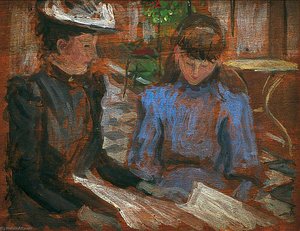
Admire 'The Worktable' by Philip Wilson Steer (1894). An exquisite oil on panel portrait of a woman sewing, showcasing Impressionist light & detail. Hand-painted reproduction available.
Βιογραφικό Καλλιτέχνη
Ο Φίλιπς Γουίλσον Στιρ (1860-1942) ήταν ένας σημαντικός Βρετανός 印象ιστής ζωγράφος, γνωστός για τα λαμπερά τοπία και θάλασσες του. Επηρεασμένος από τον Μανέ και τον Whistler, έργα του εκτίθενται στο Tate & Uffizi.
Σχετικά με το έργο
A Moment Frozen in Light: Philip Wilson Steer’s “The Worktable”
Philip Wilson Steer's "The Worktable," painted in 1894, isn't merely a depiction of a woman engaged in domestic activity; it’s a carefully constructed tableau vivant—a snapshot of Victorian life imbued with an exquisite sense of light and atmosphere. The painting immediately draws the viewer into a quiet, intimate scene within a modestly furnished room. A woman, her features softened by the diffused afternoon light, sits at a simple wooden table, her hands deftly manipulating fabric – likely engaged in sewing or embroidery. The composition is remarkably restrained, focusing entirely on this single, compelling interaction. There’s no grand gesture, no dramatic narrative; instead, Steer masterfully captures a fleeting moment of focused concentration and quiet industry.
Steer's style leans heavily into the tenets of Impressionism, yet he transcends simple replication of visual effects. He employs loose, broken brushstrokes—particularly noticeable in the rendering of the fabrics and the play of light on the table surface—to create a shimmering, almost ethereal quality. The palette is muted, dominated by soft blues, greens, and browns, reflecting the natural light filtering through an unseen window. This deliberate restraint allows the subtle nuances of color and texture to take precedence, contributing significantly to the painting’s overall mood.
The Context of a Changing Era
To fully appreciate “The Worktable,” it's crucial to understand the historical context in which it was created. The late 19th century witnessed significant social and economic shifts in Britain, marked by rapid industrialization and urbanization. Traditional rural life was giving way to new urban realities, and domestic roles were undergoing subtle transformations. Steer’s painting reflects this evolving landscape, portraying a scene of quiet productivity within the confines of the home—a space increasingly valued as a sanctuary from the pressures of modern life. The inclusion of books and papers on the table suggests an intellectual engagement alongside the practical tasks at hand, hinting at the multifaceted roles women played in Victorian society.
Furthermore, Steer’s work aligns with the broader artistic currents of his time. He was a key figure in the British Impressionist movement, influenced by artists like Monet and Whistler. However, unlike some of his contemporaries who embraced purely optical effects, Steer sought to capture not just the appearance of light but also its emotional impact—the sense of warmth, tranquility, and domestic comfort that permeated Victorian interiors.
Symbolism and Emotional Resonance
Beyond its surface details, “The Worktable” is rich in symbolic meaning. The woman’s posture – her hands resting gently on the table – conveys a sense of contentment and self-sufficiency. She's not presented as a passive figure but rather as an active participant in shaping her own world. The unfinished task at hand—the fabric being worked upon—represents both labor and creativity, highlighting the value placed on domestic skills during this period. The clock hanging on the wall subtly underscores the passage of time, reminding us that this moment is fleeting, a precious fragment captured for posterity.
Ultimately, “The Worktable” evokes a powerful sense of nostalgia—a longing for simpler times and a connection to traditional values. It’s a painting that invites contemplation, prompting viewers to reflect on the beauty of everyday moments and the enduring significance of human connection. Its quiet elegance and subtle emotional depth make it a truly remarkable example of Victorian art.
Useful Links:
- The Worktable art print by Philip Wilson Steer (1860–1942) | Custom ...
- Robert Wilson
- Philip Wilson Steer: Capturing Modern Life & British Impressionism's Essence
Ερωτήσεις και Απαντήσεις
Ποια είναι η διάταξη του έργου "The Worktable" του Φίλιπ Γουίλσον Στήρ;
Το έργο "The Worktable" του Φίλιπ Γουίλσον Στήρ έχει μορφή Landscape. Η μορφή περιγράφει τις αναλογίες της σύνθεσης.
Πόσο έντονες είναι οι αποχρώσεις του "The Worktable";
Τα χρώματα του έργου "The Worktable" του Φίλιπ Γουίλσον Στήρ παρουσιάζουν κορεσμό Subtle Color με ένταση Monochromatic.
Ποια είναι τα δικαιώματα αναπαραγωγής του έργου "The Worktable" στο Μουσείο Ασμούλειαν;
Η κατάσταση των πνευματικών δικαιωμάτων του έργου "The Worktable" του Φίλιπ Γουίλσον Στήρ είναι σαφής: το έργο ανήκει στο δημόσιο κτήμα - τα δικαιώματα αυτορության έχουν λήξει. Η παρουσία του στο Μουσείο Ασμούλειαν δεν αλλάζει αυτή την κατάσταση.
Γρήγορα στοιχεία και κвиζ τέχνης
Σχετικά με τον Φίλιπ Γουίλσον Στήρ

Φίλιπ Γουίλσον Στήρ
1860 - 1942, Ηνωμένο Βασίλειο
Βιογραφικό Καλλιτέχνη
Η Πρώιμη Ζωή και οι Τεχνικές Ρίζες του Φίλιπ Γουίλσον Στήρ
Ο Φίλιπ Γουίλσον Στήρ, γεννημένος στο Μπίρκενχεντ το 1860, αναδύθηκε από μια οικογένεια βαθιά ριζωμένη στον καλλιτεχνικό κόσμο – ο πατέρας του ήταν και πορτρέτο ζωγράφος και αφοσιωμένος δάσκαλος τέχνης. Αυτή η πρώιμη έκθεση αποδείχτηκε καθοριστική, καλλιεργώντας μια ευαισθησία που θα όριζε την πορεία της ζωής του. Η μετακόμιση στο Γουίτσερτς κοντά στο Μόνμαουθ όταν ήταν μόλις τριών ετών ενέπνευσε μια σύνδεση με την βρετανική ύπαιθρο που θα ηχούσε σε όλο το έργο του. Η επίσημη εκπαίδευσή του ξεκίνησε στο Σχολείο της Καθεδρικής Εκκλησίας του Χέρφορντ, παρέχοντας μια θεμελιώδη βάση πριν επιδιώξει με πάθος τις καλλιτεχνικές του φιλοδοξίες. Η εκπαίδευση του Στήρ συνεχίστηκε στη Σχολή Τέχνης του Γκλόστερ και στις Σχολές Σχεδίασης του Νότιου Κένσινγκτον, αλλά η παραμονή του στο Παρίσι μεταξύ 1880 και 1884 αποδείχτηκε πραγματικά μεταμορφωτική. Σπουδάζοντας στην Académie Julian και αργότερα υπό τον Alexandre Cabanel στην École des Beaux Arts, συνάντησε έναν κόσμο γεμάτο νέες ιδέες και προσεγγίσεις στη ζωγραφική.Η Αγκαλιά του Ιμπρεσιονισμού και ένα Διακριτικό Στυλ
Το Παρίσι έγινε ένας κρίκος για την καλλιτεχνική ανάπτυξη του Στήρ. Κινητοποιήθηκε βαθιά από τα έργα των Édouard Manet και James McNeill Whistler, απορροφώντας τις καινοτόμες τεχνικές τους στην καταγραφή του φωτός, του χρώματος και της ατμόσφαιρας. Αυτή η έκθεση άναψε μέσα του ένα πάθος για τον Ιμπρεσιονισμό, ωστόσο δεν το αναπαράγαγε απλώς. Ο Στήρ συνδύασε επιδέξια αυτές τις γαλλικές επιρροές με τις έμφυτες αγγλικές ευαισθησίες του, σφυρηλατώντας ένα μοναδικό δικό του στυλ. Οι πίνακές του χαρακτηρίζονται από μια αξιοσημείωτη ικανότητα να συλλαμβάνουν φευγαλέες στιγμές – το παιχνίδι του ηλιακού φωτός στο νερό, η εφήμερη ποιότητα της παράκτιας ατμόσφαιρας. Χρησιμοποίησε χαλαρές πινελιές και ζωντανά χρώματα όχι μόνο για να απεικονίσει σκηνές αλλά και για να προκαλέσει συναισθήματα και να δημιουργήσει μια καθηλωτική αίσθηση άμεσης παρουσίας. Επαναλαμβανόμενα θέματα στο έργο του περιλαμβάνουν παραλιακές σκηνές και θαλασσογραφίες, συχνά λούζονται σε ασημί, διαφανές φως, επιδεικνύοντας μια κυριαρχία στην απεικόνιση της φρεσκάδας και της φωτεινότητας αυτών των περιβαλλόντων. Έργα όπως το The Music Room, στα πρώτα χρόνια της καριέρας του, αναδεικνύουν την αναδυόμενη ικανότητά του στη σύνθεση και το φως, ενώ κομμάτια όπως το Girls Running: Walberswick Pier ξεσπούν με την ενέργεια και τη ζωντάνια μιας παραλιακής πόλης του Σάφολκ.Ένας Υπέρμαχος της Μοντέρνας Τέχνης και η Επιρροή του Etaples
Ο Στήρ δεν αρκέστηκε απλώς στο να ζωγραφίζει· διαμόρφωσε ενεργά το καλλιτεχνικό τοπίο της Βρετανίας. Έπαιξε καθοριστικό ρόλο στην ίδρυση της New English Art Club, ενός οργανισμού αφιερωμένου στην υπεράσπιση της σύγχρονης καλλιτεχνικής έκφρασης – μια τολμηρή κίνηση σε μια εποχή που οι παραδοσιακές γεύσεις εξακολουθούσαν να επικρατούν. Μέσω αυτής της πλατφόρμας και τακτικών εκθέσεων στην Royal Academy, συμπεριλαμβανομένης της συμμετοχής στη πρωτοποριακή έκθεση Λονδρέζικου Ιμπρεσιονισμού το 1889, βοήθησε να εισαχθούν νέες ιδέες και να αμφισβητηθούν οι συμβατικές νόρμες. Ο χρόνος του που πέρασε στην καλλιτεχνική αποικία του Etaples το 1887 βελτίωσε περαιτέρω το καλλιτεχνικό του όραμα. Αυτή η ζωντανή κοινότητα καλλιτεχνών παρείχε ένα διεγερτικό περιβάλλον για πειραματισμό και συνεργασία, εδραιώνοντας την ικανότητά του να συλλαμβάνει το φως και την ατμόσφαιρα με αυξανόμενη λεπτότητα και δεξιότητα. Ο Στήρ άντλησε έμπνευση από μια ποικιλία δασκάλων – τον John Constable, τον J.M.W. Turner και ακόμη και τον François Boucher – αλλά φίλτραρε πάντα αυτές τις επιρροές μέσα από τη δική του μοναδική προοπτική.Κληρονομιά, Αναγνώριση και Διαρκής Επιρροή
Ο Φίλιπ Γουίλσον Στήρ συνέχισε να ζωγραφίζει παραγωγικά μέχρι που προβλήματα υγείας τον ανάγκασαν να σταματήσει το 1940, πεθαίνοντας δύο χρόνια αργότερα σε ηλικία 81 ετών. Οι συνεισφορές του αναγνωρίστηκαν ευρέως κατά τη διάρκεια της ζωής του, κορυφώθηκαν με ένα Order of Merit. Σήμερα, τα έργα του βρίσκονται σε διάσημες συλλογές σε όλο τον κόσμο, συμπεριλαμβανομένης της Tate Gallery και ακόμη και της Uffizi Gallery – μια απόδειξη της διεθνούς αναγνώρισής του. Πέρα από τους ίδιους τους πίνακές του, η κληρονομιά του Στήρ επεκτείνεται μέσω της μακρόχρονης θητείας του ως καθηγητής ζωγραφικής στη Slade School of Art. Για πολλά χρόνια, επηρέασε βαθιά γενιές νέων καλλιτεχνών, μεταδίδοντας όχι μόνο τεχνικές δεξιότητες αλλά και μια βαθιά εκτίμηση για την παρατήρηση και την καλλιτεχνική ακεραιότητα. Η συνεισφορά του στην ανάπτυξη και αποδοχή του Ιμπρεσιονισμού στη Βρετανία είναι αναμφισβήτητη, εδραιώνοντας τη θέση του ως σημαντική μορφή στην βρετανική ιστορία της τέχνης – έναν ζωγράφο που κατάφερε να γεφυρώσει το χάσμα μεταξύ παράδοσης και νεωτερικότητας, αφήνοντας ένα διαρκές σημάδι στο τοπίο της βρετανικής τέχνης. Εξέχοντα έργα όπως το Convalescent, με τις πλούσιες υφές του και το προκλητικό του βλέμμα, και το The Teme at Ludlow, που αναδεικνύει τη γαλήνια ομορφιά και την δεξιοτεχνία της πινελιάς του, συνεχίζουν να σαγηνεύουν το κοινό σήμερα, επιδεικνύοντας την διαχρονική ποιότητα του καλλιτεχνικού του οράματος.Γρήγορα στοιχεία για τον/την Φίλιπ Γουίλσον Στήρ
- Εθνικότητα: Βρετανός
- Ημερομηνία Γέννησης: 28 Δεκεμβρίου 1860
- Ημερομηνία Θανάτου: 18 Μαρτίου 1942
- Καλλιτέχνες Που Τον Επηρέασαν:
- Manet
- Whistler
- Καλλιτέχνες/Κινήματα Που Επηρέασε: ['Βρετανικός Ιμπρεσιονισμός']
- Καλλιτεχνικό Κίνημα/Στυλ: Ιμπρεσιονισμός
- Πλήρες Όνομα: Philip Wilson Steer
- Σημαντικά Έργα Τέχνης:
- The Music Room
- Girls Running
- Τόπος Γέννησης: Birkenhead, Ην. Βασίλειο
Σχετικά Έργα Τέχνης





Εξερευνήστε έργα τέχνης ταξινομημένα ανά θέμα, στυλ και χαρακτηριστικά.


Φίλιπ Γουίλσον Στήρ
The Worktable
() ·
Συμπεριλαμβανομένου του πλαισίου: · Χειροποίητο με λάδια σε λινό
Σύνολο