

 Προεπισκόπηση σε πραγματική κλίμακα
 Αποστολή
 Κοινοποίηση
 Λεπτομέρειες
 Οδηγός

 Λήψη
Λήψη
 Παρόμοια αντικείμενα συλλογής
 Ακτινογραφία
 Παρουσίαση
 Ερωτήσεις & Απαντήσεις
 Στατιστικά
Begonia


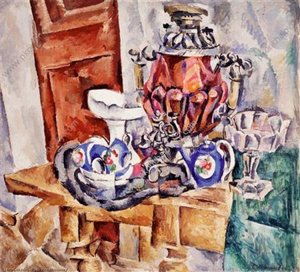
Explore Pyotr Konchalovsky's captivating Begonia – a still life masterpiece depicting vibrant red and pink flowers within elegant vases alongside delicate cups, capturing the spirit of Russian art history.
 Περισσότερα
Ο Πέτρος Κοντσαλόφσκι (1876-1956) ήταν ζωγράφος που συνδύασε ιμπρεσιονισμό, φάβο και σοσιαλιστικό ρεαλισμό. Ανακαλύψτε τα τοπία, τα πορτρέτα & τις εμβληματικές του δημιουργίες.
Giclée / Εκτυπώσεις Τέχνης
Εκτύπωση giclée ή σε καμβά ποιότητας μουσείου με γρήγορη παραγωγή και ευέλικτες επιλογές φινιρίσματος. ( Αγορά χειροποίητου πίνακα Μετάβαση σε Ψηφιακή Αποτέλεσμα)




P118B €10

P118H €10

P118W €10

P438Z €10

P508JH €12

P508YH €12

P805H €10

P805Z €10

P919BZ €10

P919G €10

P919XJ €10

P959ZH €10

P968JZ €12

W106C €8

W218G €10

W218JH €8

W218Y €10

W307PJ €10

W316G €10

W316PJ €8

W316Y €10

W398PJ €8

W4111J €10

W500HY €15

W500JH €15

W692G €12

W849H €8

W940BG €15

W953PJ €8




Πρότυπο
κατόπιν παραγγελίας
CM
INCH
Επιλέξτε από τις προκαθορισμένες διαστάσεις μας που διατηρούν τις αρχικές αναλογίες του έργου τέχνης.
Loading sizes...

πλάτος
ύψος
Εισάγετε το πλάτος και το ύψος που επιθυμείτε, ώστε να ταιριάζουν στο κάδሮ ή στον τοίχο σας. Μια εκτύπωση μπορεί μόνο να υποστεί κοψίμό και ποτέ να μην γίνει μεγαλύτερη από την αρχική εικόνα, επομένως η επιλογή μεγέθους με διαφορετικό σχήμα συνεπάγεται απώλεια ενός μέρους της εικόνας. Σας στέλνουμε ένα ψηφιακό mockup για έγκριση πριν προχωρήσουμε σε οποιαδήποτε εκτύπωση. Η εικόνα που εμφανίζεται σε αυτή τη σελίδα δεν δείχνει την πραγματική κοπή — μόνο το mockup την παρουσιάζει.
Παγκόσμια Αποστολή () σε 2 εβδομάδες αντί για τις συνήθεις 4/5 εβδομάδες. (10 Νοέμβριος)

Δωρεάν γρήγορη διεθνής αποστολή

Κάμβας από Λινό Υψηλής Ποιότητας

Πλήρης ασφάλιση μεταφοράς

Εγγύηση επιστροφής δασμών και φόρων εισαγωγής

Εγγύηση Απόλυτης Ομοιότητας Χρωμάτων

Πολιτική Επιστροφής 100 Ημερών (Μόνο σε περίπτωση ελαττωμάτων)

Εγγύηση επιστροφής 100% των χρημάτων

Προσφορά για πολλαπλές παραγγελίες
 Η επιλογή με γυαλί είναι διαθέσιμη μόνο για μεγέθη κάτω από 110 εκ.

Begonia
Giclée / Εκτυπώσεις Τέχνης
Διαστάσεις Αναπαραγωγής
-


Τελική Τιμή
€ 63
A Portrait of Turbulent Russia: Exploring Pyotr Konchalovsky’s “Begonia”
Pyotr Petrovich Konchalovsky's "Begonia," painted circa 1908, stands as a poignant emblem of the Russian avant-garde’s fascination with capturing fleeting moments of beauty amidst societal upheaval. More than just a depiction of flowers—specifically a begonia blossom—the painting embodies a broader artistic impulse to distill emotion and intellect into visual form, reflecting the anxieties and aspirations of a nation grappling with rapid modernization.
Style & Technique: Konchalovsky’s approach aligns squarely with Neo-Impressionism, championed by artists like Georges Seurat and Paul Cézanne. Unlike Impressionists who sought to capture atmospheric effects, Konchalovsky meticulously applied small dots of pure pigment—primarily reds, pinks, and yellows—to build up tonal variations within the flower petals and vases. This technique, known as Pointillisme, wasn’t merely a stylistic choice; it represented a deliberate rejection of traditional brushstrokes in favor of scientific observation and mathematical precision. The artist painstakingly analyzed how light interacts with color, striving to reproduce its nuances with unparalleled accuracy.
Historical Context: Painted during the Belle Époque—a period characterized by optimism and artistic experimentation—"Begonia" speaks to a Russia undergoing significant transformations under Tsar Nicholas II’s reign. While outward appearances suggested prosperity and grandeur (the opulent palaces of St. Petersburg), beneath the surface simmered discontent fueled by social inequalities and burgeoning revolutionary sentiment. The painting's stillness contrasts sharply with this turbulent backdrop, inviting contemplation on themes of fragility and resilience.
Symbolism & Composition: The begonia itself carries considerable symbolic weight. Traditionally associated with femininity, beauty, and rebirth—often depicted as a symbol of resurrection—the flower’s delicate petals symbolize the ephemeral nature of life and the importance of savoring every moment. The vases serve as containers for this beauty, mirroring the role of art in preserving and transmitting cultural values. Furthermore, the arrangement of objects – the vases, cups, and begonia – contributes to a carefully constructed visual narrative that emphasizes balance and harmony despite the underlying tension.
Emotional Impact: Viewing “Begonia” evokes a sense of quiet contemplation and melancholic beauty. The artist’s masterful use of color and technique captures not only the physical appearance of the flower but also its emotional essence—a subtle suggestion of vulnerability amidst grandeur, mirroring the complexities of Russian society at the turn of the century. It's a piece that lingers in the mind long after viewing, prompting reflection on themes of beauty, decay, and the enduring power of artistic expression.
- Artist: Pyotr Petrovich Konchalovsky
- Year Painted: Circa 1908
- Style: Neo-Impressionism
- Technique: Pointillisme (Dot Painting)
Ερωτήσεις και Απαντήσεις
Ποιο συναισθηματικό ύφος αποπνέει το στυλ της καλλιτεχνικής καμπάνιας Russian Symbolism του έργου "Begonia";
Το "Begonia" αποπνέει ένα Tranquil συναισθηματικό ύφος μέσα στο πλαίσιο του руху Russian Symbolism.
Ποιο συναίσθημα προκαλούν τα χρώματα του έργου "Begonia" του Πέτρος Κοντσαλόφσκι;
Η παλέτα των Neutrals στο έργο "Begonia" του Πέτρος Κοντσαλόφσκι συνδυάζεται απόλυτα με το Tranquil συναισθηματικό του ύφος. Το χρώμα αποτελεί έναν από τους τρόπους με τους οποίους ένα έργο μεταδίδει συναίσθημα.
Πού θα μπορούσε να τοποθετηθεί μια αναπαραγωγή του "Begonia" του Πέτρος Κοντσαλόφσκι;
Το σχήμα (Portrait) και ο προτεινόμενος χώρος (Living Room) είναι τα δύο στοιχεία τοποθέτησης που καταγράφονται για το "Begonia" του Πέτρος Κοντσαλόφσκι.




Βιογραφικό Καλλιτέχνη
A Life Immersed in the Russian Artistic Spirit
Pyotr Petrovich Konchalovsky, γεννημένος στις 21 Φεβρουαρίου 1876 στην αγροτική κοινότητα Σλαβιάνκα κοντά στην Χαρκίβ, ήταν κάτι περισσότερο από ένας ζωγράφος: ήταν ένας οπτικός χρονογράφος της Ρωσίας που βίωνε μια βαθιά μεταμόρφωση. Το καλλιτεχνικό του ταξίδι αντικατόπτισε την ίδια αναταραχή της χώρας μέσα από τον εμφύλιο πόλεμο και τις ιδεολογικές αλλαγές, χαρακτηριζόμενο από μια συνεχή αναζήτηση νέων μορφών έκφρασης. Η παιδική του ηλικία τον ενεπέρασε σε ένα περιβάλλον πλούσιο σε πνευματικές και δημιουργικές ρευστές. Ο πατέρας του, Πέτρος Πέτροβιτς Κοντσχαλοβσκι, ήταν ένας σεβαστός μεταφραστής και εκδότης τέχνης, η κατοικία του στην Μόσκα έγινε ένα ζωντανό κέντρο που φιλοξενούσε κορυφαίους καλλιτέχνες της εποχής – ο Βαλεντίνος Σερόφ, ο Μιχάηλ Βρουμπέλ, ο Βασίλι Σουρίκοβ – όλοι επισκέπτονται το σπίτι μετά την μετακόμιση της οικογένειας στην πρωτεύουσα. Αυτή η πρώιμη έκθεση δεν ήταν απλά παρατηρητική, αλλά ενέπνευσε μέσα του μια βαθιά εκτίμηση για την καλλιτεχνική έκφραση και θεμελίωσε το δρόμο του στο μέλλον. Τα σαββατοκύριακα που πέρασε απορροφώντας τα αριστουργήματα στην Γκαλερί Τρετιακόφ διαμόρφωσαν τις αισθητικές του προτιμήσεις με τη δύναμη των Ρώσων μάστορων.From Parisian Influences to Avant-Garde Innovation
Η επίσημη εκπαίδευσή του ξεκίνησε από το Μουσικό Σχολείο Ζωγραφικής, Γλυπτικής και Αρχιτεκτονικής στη Μόσχα, αλλά ακολούθησε μια καθοριστική περίοδο στο Παρίσι από το 1896 έως το 1898 στην Ακαδημία Ιουλίου. Αυτή η βουτιά στον γαλλικό καλλιτεχνικό κόσμο ήταν μεταμορφωτική. Συναντήθηκε με την πρωτοποριακή δουλειά του Πάβελ Τσεζάν και Βίνσεντ φαν Γκογκ, καλλιτέχνες που αμφισβήτησαν τις παραδοσιακές αναπαραστάσεις και εξερεύνησαν νέους τρόπους αντίληψης της μορφής και του χρώματος. Ένα μεταγενέστερο ταξίδι στην Άρλ τον επέτρεψε μια βαθύτερη κατανόηση της καλλιτεχνικής όρασης του φαν Γκογκ – ένα προσχώριση στο κέντρο της εκφραστικής έντασης. Επιστρέποντας στη Ρωσία, συνέχισε τις σπουδές του στην Ακαδημία Τέχνης των Σαϊντ Πέτερμπουργκ, αποφοιτώντας το 1907. Ωστόσο, ήταν με την επιστροφή του που ο Κοντσχαλοβσκι πραγματικά άρχισε να διαμορφώνει το δικό του μοναδικό στυλ. Έγινε μια κεντρική φιγούρα στην Avant-garde, ιδρύοντας τη φημισμένη ομάδα “Jack of Diamonds” (Knave of Diamonds) το 1910. Αυτή η ομάδα απέρριπτε τις ακαδημαϊκές παραδόσεις και προωθούσε πειραματισμούς, αναζητώντας έμπνευση όχι μόνο από τη μετα-ευρωπαϊκή μοντέρνα τέχνη αλλά και από τις δικές της ρωσικές λαογραφικές παραδόσεις – τα σύμβολα, οι πινακίδες των ταβερνών και τα πολύχρωμα λαϊκά τυπογραφικά έργα (*lubok*). Ως πρόεδρος της ομάδας, ο Κοντσχαλοβσκι έπαιξε καθοριστικό ρόλο στη διαμόρφωση της κατεύθυνσης της και στην προώθηση των ριζοσπαστικών ιδεών της.Navigating Shifting Ideologies: Style and Subject Matter
Το καλλιτεχνικό στυλ του Κοντσχαλοβσκκι εξελίχθηκε καθ' όλη τη διάρκεια της καριέρας του, αντικατοπτρίζοντας τόσο την προσωπική του εξερεύνηση όσο και τις μεταβαλλόμενες πολιτικές ροές στη Ρωσία. Αρχικά επηρεασμένος από τον Φωβισμό και τον Τσεζάν, τα πρώτα του έργα χαρακτηρίστηκαν από έντονα χρώματα, απλοποιημένες μορφές και εστίαση στην δομή. Τα ζωγραφικά έργα όπως το “Still Life with a Coffeepopot” αποτελούν παράδειγμα αυτής της περιόδου, παρουσιάζοντας μια ζωντανή παλέτα και μια δυναμική σύνθεση. Μετά από υπηρεσία στον Ρωσικό στρατό κατά τη διάρκεια του Α' Παγκοσμίου Πολέμου, το στυλ του Κοντσχαλοβσκκι άρχισε να μεταβάλλεται. Η άνοδος του Σοσιαλιστικού ρεαλισμού στην ΕΣΣΔ απαιτούσε τέχνη που εξυπηρετεί ιδεολογικούς σκοπούς, γιορτάζοντας τις σοσιαλιστικές αξίες και απεικονίζοντας σημαντικές προσωπικότητες. Παρά την αλλαγή αυτή, ο Κοντσχαλοβσκι προσαρτήθηκε, έγινε γνωστός για τα θριαμβοφόρα πορτρέτα του. Παράλληλα, δεν εγκατέλειψε τη μοναδική του καλλιτεχνική φωνή, ενσωματώνοντας ακόμη και στα πιο πολιτικά φορτισμένα έργα του μια αίσθηση σιγουριάς και μνημειώδους παρουσίας. Κατά τη διάρκεια της παραγωγικής καριέρας του – εκτιμάται σε πάνω από 5.000 κομμάτια – συνέχισε να εξερευνά τοπία, ακόμα και πορτρέτα, επιδεικνύοντας μια αξιοσημείωτη ευελιξία και αφοσίωση στο επάγγελμα του. Δεν απλώς συμμορφωνόταν, αλλά βρήκε τρόπους να εκφράσει την καλλιτεχνική του ευαισθησία εντός των ορίων μιας νέας εποχής.Legacy and Enduring Significance
Η συμβολή του Πέτρου Κοντσχαλοβσκκι στην ρωσική τέχνη είναι αναμφισβήτητη. Έγινε γέφυρα μεταξύ της πρώιμης μοντέρνας και του Σοσιαλιστικού ρεαλισμού, αντιμετωπίζοντας περίπλοκες πολιτικές ροές ενώ παράλληλα παρέμεινε μια σημαντική καλλιτεχνική δύναμη. Το πρώτο του ατομικό εκθετήριο στην Γκαλερί Τρετιακόφ το 1922 σφράγισε τη φήμη του ως έναν από τους κορυφαίους καλλιτέχνες της Ρωσίας. Εκτός από το δικό του έργο, ο Κοντσχαλοβσκι ενθάρρυνε μια οικογένεια που εμπλέκεται βαθιά στην τέχνη: ο γιος του, Μιχάηλ Πέτρουβιτς Κοντσχαλοβσκκι έγινε διάσημος σκηνοθέτης και η κόρη του, Νταλίνα Κοντσχαλοβσκι ήταν επίσης καταξιωμένη καλλιτέχνης. Τα ζωγραφικά έργα του δεν είναι απλώς αισθητικά ευχάριστα αντικείμενα αλλά ιστορικά έγγραφα, που αντανακλούν την αναταραχώδη περίοδο στην οποία δημιουργήθηκαν και προσφέρουν πολύτιμες πληροφορίες για την εξέλιξη της ρωσικής τέχνης και τις προκλήσεις που αντιμετώπισαν οι καλλιτέχνες που λειτουργούσαν εντός μιας ταχύτατα μεταβαλλόμενης κοινωνίας. Η ικανότητά του να προσαρμόζεται διατηρώντας ένα μοναδ
Πέτρος Κοντσαλόφσκι
1876 - 1956 , Ρωσία
Γρήγορα στοιχεία
- Artistic Movement Or Style: Ανταρροιακός, Σοσιαλιστικός ρεαλισμός
- Artists Or Movements Influenced By This Artist:
- Κοντσχαλούσκι
- Ρωσική Ανταρροιακή
- Artists Who Influenced This Artist:
- Paul Cézanne
- Van Gogh
- Date Of Birth: 21 Φεβρουαρίου 1876
- Date Of Death: 2 Φεβρουαρίου 1956
- Full Name: Πέτρος Πέτροβιτς Κοντσχαλούσκι
- Nationality: Ρώσος
- Notable Artworks:
- Στολίζει με τσαγανό
- Φωτογραφίες
- Πορτρέτα
- Place Of Birth: Χάρκλεβ, Ρωσία
Σχετικά άρθρα

Victor Vasnetsov: Myth, Nationalism & the Revival of Russian Fairy Tale Painting
Explore the captivating world of Victor Vasnetsov, a co-founder of Russian folklorist painting. Discover his iconic works, influence on national identity, and lasting legacy in this expert guide.

Blossoming Symbolism: A Historical Journey Through Flowers in Western Painting
Explore the rich history of flower symbolism in Western painting! Discover how artists from the Renaissance to Modernism used blossoms to convey meaning, emotion & beauty. Learn about iconic artworks and movements.

Silent Narratives: Exploring the Enduring Appeal of Still Life Painting Across Centuries
Explore the rich history of still life painting with TopImpressionists. Discover Dutch Masters, decode vanitas symbolism & learn about collecting timeless art. Expert insights and museum-quality reproductions.

Ivan Bilibin: A Synthesis of Folklore, Modernism & National Identity in Russian Illustration
Explore the enchanting world of Ivan Bilibin, a master Russian illustrator who synthesized folklore, Art Nouveau & national identity. Discover his iconic fairy tale illustrations and legacy with TopImpressionists.

Paul Cézanne: Τα 25 Κορυφαία Έργα Τέχνης για Διακόσμηση & Συλλογή
Ανακαλύψτε τα 25 κορυφαία έργα τέχνης του Paul Cézanne! Ιμπρεσιονισμός, μετα-ιμπρεσιονισμός & η τεχνοτροπία του. Βρείτε πίνακες για διακόσμηση και συλλογή υψηλής ποιότητας στο TopImpressionists.com.
Εξερευνήστε έργα τέχνης ταξινομημένα ανά θέμα, στυλ και χαρακτηριστικά.
