


 Προεπισκόπηση
 Αποστολή
 Κοινοποίηση
 Λεπτομέρειες
 Οδηγός

 Λήψη
Λήψη
 Παρόμοια αντικείμενα συλλογής
 Ακτινογραφία
 Παρουσίαση
 Στατιστικά
Landscape


Rosa Bonheur’s "Landscape" captures a tranquil twilight hillside scene in Impressionistic Realism, showcasing the French Romantic movement's emotional connection to nature. Admire this masterful oil painting and bring its beauty into your home.
 Περισσότερα λεπτομέρεια
Η Ρόζα Μπονουάρ (1822-1899) ήταν μια πρωτοπόρος γαλλική ζωγράφος ζώων, γνωστή για το ρεαλιστικό της στυλ και τα εμβληματικά έργα της, όπως η "Αγορά των ιππολύχμων". Ένα φωτεινό παράδειγμα γυναικείας δημιουργικότητας στην τέχνη.
Giclée / Εκτυπώσεις Τέχνης
Εκτύπωση giclée ή σε καμβά ποιότητας μουσείου με γρήγορη παραγωγή και ευέλικτες επιλογές φινιρίσματος. ( Αγορά χειροποίητου πίνακα Μετάβαση σε Ψηφιακή Εικόνα)




P118B €10

P118H €10

P118W €10

P438Z €10

P508JH €12

P508YH €12

P805H €10

P805Z €10

P919BZ €10

P919G €10

P919XJ €10

P959ZH €10

P968JZ €12

W106C €8

W218G €10

W218JH €8

W218Y €10

W307PJ €10

W316G €10

W316PJ €8

W316Y €10

W398PJ €8

W4111J €10

W500HY €15

W500JH €15

W692G €12

W849H €8

W940BG €15

W953PJ €8




Πρότυπο
κατόπιν παραγγελίας
CM
INCH
Επιλέξτε από τις προκαθορισμένες διαστάσεις μας που διατηρούν τις αρχικές αναλογίες του έργου τέχνης.
Loading sizes...

πλάτος
ύψος
Πληκτρολογήστε το πλάτος και το ύψος που επιθυμείτε, ώστε να ταιριάζουν στο κάδሮ ή στον τοίχο σας. Μια εκτύπωση μπορεί μόνο να κοπεί και ποτέ να μην γίνει μεγαλύτερη από την εικόνα, επομένως ένα μέγεθος με διαφορετικό σχήμα συνεπάγεται απώλεια ενός μέρους της εικόνας. Σας στέλνουμε ένα ψηφιακό mockup για έγκριση πριν εκτυπώσουμε οτιδήποτε. Η εικόνα που εμφανίζεται σε αυτή τη σελίδα δεν δείχνει την πραγματική κοπή — μόνο το mockup την παρουσιάζει.
Παγκόσμια Αποστολή () σε 2 εβδομάδες αντί για τις συνήθεις 4/5 εβδομάδες. (22 Οκτώβριος)

Δωρεάν γρήγορη διεθνής αποστολή

Κάμβας από Λινό Υψηλής Ποιότητας

Πλήρης ασφάλιση μεταφοράς

Εγγύηση επιστροφής δασμών και φόρων εισαγωγής

Εγγύηση Απόλυτης Ομοιότητας Χρωμάτων

Πολιτική Επιστροφής 100 Ημερών (Μόνο σε περίπτωση ελαττωμάτων)

Εγγύηση επιστροφής 100% των χρημάτων

Έκπτωση για πολλαπλές παραγγελίες
 Η επιλογή με γυαλί είναι διαθέσιμη μόνο για μεγέθη κάτω από 110 εκ.

Landscape
Giclée / Εκτυπώσεις Τέχνης
Διαστάσεις Αναπαραγωγής
-


Συνολικό Κόστος
€ 61
Rosa Bonheur’s Landscape: A Symphony of Observation and Emotion
Rosa Bonheur's "Landscape," housed at the Crocker Art Museum in Sacramento, California, stands as a remarkable achievement of French Romanticism—a genre characterized by its fervent embrace of nature and its exploration of profound emotional responses to the natural world. More than just a depiction of scenery, this painting embodies Bonheur’s unwavering commitment to realism and her ability to capture not merely what is seen but also what feels. It's a testament to her pioneering role as a woman artist challenging societal conventions during a period when artistic pursuits were largely considered unsuitable for female endeavors.Subject Matter and Composition
The scene unfolds on a hillside bathed in the diffused light of twilight, presenting a tranquil vista dominated by rolling hills covered in autumnal foliage. Two prominent trees—one to the left and another to the right—serve as anchors within the composition, directing the viewer’s gaze across the expanse of the landscape. Scattered amongst these central figures are numerous smaller trees, contributing to an overall sense of organic complexity and depth. Bonheur meticulously rendered each element with painstaking detail, prioritizing accuracy and capturing the subtle nuances of color and texture. The artist's careful consideration for perspective creates a convincing illusion of space, inviting contemplation and immersing the viewer in the atmosphere of the hillside.Technique and Style: Impressionistic Realism
Bonheur employed oil paints on canvas—a technique favored by Romantic artists—to achieve an unparalleled level of realism. Her brushstrokes are visible yet blended seamlessly, resulting in a surface that possesses both luminosity and tactile quality. The artist skillfully utilized color palettes inspired by the prevailing Impressionist movement, prioritizing tonal variations to convey mood and capturing the ephemeral effects of light on foliage and sky. Unlike purely idealized landscapes of earlier eras, Bonheur’s “Landscape” eschews romantic embellishment for an honest portrayal of nature's beauty—a deliberate choice reflecting her artistic philosophy and aligning with the broader Romantic preoccupation with sensory experience.Historical Context: Challenging Gender Roles
Painted in 1867, "Landscape" emerged during a time when women’s participation in the arts was severely limited. Rosa Bonheur defied societal expectations by pursuing her passion for painting despite considerable opposition from family and peers. Her unwavering dedication to her craft—fueled by Saint-Simonian ideals advocating for equal education—established her as an inspirational figure for aspiring female artists. The painting itself serves as a symbol of artistic freedom and represents Bonheur’s triumph over prejudice, cementing her legacy as one of the foremost animalière painters of her generation.Symbolism and Emotional Impact
The autumnal hues of the hillside evoke feelings of melancholy beauty—a poignant reminder of passing time and the cyclical nature of life. The trees stand as silent witnesses to these transformations, symbolizing resilience and enduring strength amidst change. Bonheur’s masterful rendering captures not only visual accuracy but also an emotional resonance that transcends mere representation. Viewers are invited to contemplate the grandeur of the natural world while simultaneously acknowledging its vulnerability—a subtle yet powerful message conveyed through color, texture, and composition. “Landscape” remains a captivating artwork, resonating with viewers today as it did in 1867 – a testament to Bonheur’s artistic vision and her enduring contribution to art history.Ερωτήσεις & Απαντήσεις
Είναι το "Landscape" απαλλαγμένο από πνευματικά δικαιώματα;
Το έργο "Landscape" του Ρόζα Μπωνούρ ανήκει στο δημόσιο κτήμα - τα δικαιώματα αυτορության έχουν λήξει. Η κατάσταση αυτή διέπει τον τρόπο με τον οποίο μπορεί να αναπαραχθεί η εικόνα του έργου.
Το έργο "Landscape" του Ρόζα Μπωνούρ είναι πορτρέτο, τοπίο ή τετράγωνη σύνθεση;
Το έργο "Landscape" του Ρόζα Μπωνούρ είναι μια σύνθεση σε μορφή Landscape. Αξίζει να ελέγξετε τις αναλογίες πριν επιλέξετε το μέγεθος της εκτύπωσης.
Ποια είναι η προτεινόμενη χρήση μιας εκτύπωσης του "Landscape";
Η προτεινόμενη χρήση για το "Landscape" του Ρόζα Μπωνούρ είναι Accent. Μπορεί επίσης να εξυπηρετήσει και άλλους σκοπούς.
Βιογραφικό Καλλιτέχνη
A Life Immersed in the Animal World
Rosa Bonheur, born Marie-Rosalie Bonheur in 1822 Bordeaux, France, wasn’t simply a painter of animals; she was an interpreter of their very essence. Her name resonates through art history as a beacon of realism and a testament to female artistic ambition in a period dominated by male figures. Born into a family steeped in artistic tradition – her father, Oscar-Raymond Bonheur, was a landscape and portrait painter – young Rosalie’s path wasn’t predetermined but nurtured. The family’s embrace of Saint-Simonianism, a progressive socialist philosophy advocating for equal education for both sexes, proved particularly formative, instilling in Rosa a sense of independence and intellectual curiosity that would define her life and work. Tragedy struck early with the loss of her mother at age eleven, yet the Bonheur household remained a haven for creativity and unconventional thinking. This unique upbringing laid the foundation for an artist who would challenge societal norms as boldly as she captured the raw beauty of the natural world.From Humble Beginnings to Salon Success
The family’s relocation to Paris in 1828 marked a turning point, providing Rosa with access to formal artistic training. Initially, her studies followed conventional lines – copying from drawings and sketching plaster models. However, it was the animals surrounding Paris that truly captured her imagination. Horses, cattle, sheep, goats—she observed them relentlessly, not merely as subjects for art but as living beings deserving of meticulous study. This dedication to direct observation became the cornerstone of her artistic style. Her father actively encouraged this passion, even bringing live animals into their studio for Rosa to dissect and analyze. This hands-on approach, combined with visits to Parisian abattoirs to understand animal anatomy, set her apart from many contemporaries who relied on second-hand depictions. Her breakthrough arrived in 1849 with *Ploughing in the Nivernais*, a work that garnered immediate attention at the Paris Salon and signaled the arrival of a significant new talent. But it was *The Horse Fair*, completed between 1853 and 1855, that cemented her international fame. This monumental canvas, now housed in New York’s Metropolitan Museum of Art, pulsates with energy and anatomical precision, depicting the chaotic yet captivating spectacle of a bustling horse market. Even Queen Victoria herself was captivated by its power and realism.A Style Rooted in Realism and Observation
Rosa Bonheur's artistic style wasn’t about romanticizing animals; it was about portraying them with unwavering honesty and detail. She eschewed sentimentality, opting instead for a scientific approach to her subjects. Her paintings are characterized by their anatomical accuracy, dynamic compositions, and an ability to capture the unique personality of each creature. This commitment to realism extended beyond mere physical representation. Bonheur sought to understand the animals’ movements, behaviors, and even their emotional states. She often worked *en plein air*, directly observing her subjects in their natural environments, a practice that further enhanced the authenticity of her work. Her technique involved careful layering of paint and a masterful use of light and shadow to create depth and texture, bringing each animal vividly to life on canvas. The influence of artists like Nicolas Poussin and Peter Paul Rubens is evident in her compositions, but she always grounded her work in meticulous observation and anatomical study.A Pioneer for Women in Art
Rosa Bonheur’s legacy extends far beyond her artistic achievements; she became an icon for women striving for recognition in the male-dominated art world. She defied convention not only through her professional success but also through her personal choices. Famously, she often wore men's clothing while working with animals, citing practicality and freedom of movement – a bold statement that challenged societal expectations. She secured commissions from governments and private collectors alike, proving that female artists could achieve the same level of acclaim as their male counterparts. Her success paved the way for future generations of women artists, inspiring them to pursue their passions without compromise. Bonheur’s life story serves as a powerful example of artistic independence and determination. Her paintings continue to be celebrated in major museums worldwide, serving as a reminder of her enduring contribution to art history and her unwavering commitment to portraying the beauty and dignity of the animal kingdom.Enduring Influence and Lasting Legacy
The impact of Rosa Bonheur’s work continues to resonate today. Her dedication to realism influenced countless artists, and her paintings remain admired for their technical skill and emotional depth. She demonstrated that art could be both scientifically accurate and profoundly moving, bridging the gap between observation and interpretation. Beyond her artistic contributions, Bonheur's life story serves as a powerful example of female empowerment and artistic independence. She challenged societal norms, defied expectations, and ultimately achieved lasting recognition on her own terms. Her legacy is not merely one of beautiful paintings but also of courage, determination, and a unwavering commitment to her craft. Her work continues to inspire artists and art lovers alike, reminding us of the power of observation, the beauty of the natural world, and the importance of pursuing one’s passions with conviction.
Ρόζα Μπωνούρ
1822 - 1899 , Γαλλία
Στοιχεία καλλιτέχνη
- Artistic Movement Or Style: Ρεαλισμός, Ζωορεαλισμός
- Artists Or Movements Influenced By This Artist:
- Εδουάρδος Μανέ
- Ιμπρέλ
- Artists Who Influenced This Artist:
- Νικόλαος Πούσιν
- Πέτρος Παλούμπης
- Date Of Birth: 16 Μαρτίου 1822
- Date Of Death: 25 Μαΐου 1899
- Full Name: Marie-Rosalie Bonheur
- Nationality: Γάλλος
- Notable Artworks:
- Ποιούντας στην Νιβέρναις
- Το Παζάρι των Ίππων
- Place Of Birth: Βορντό, Γαλλία
Σχετικά άρθρα
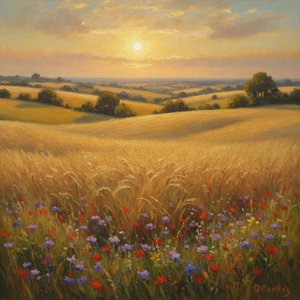
Golden Fields & Sun-Drenched Meadows: Capturing the Soul of Impressionist Landscapes
Immerse yourself in the luminous world of Impressionist landscapes. Discover how masters like Monet and Gauguin captured ephemeral light through plein air painting, and learn to bring the soul of sun-drenched meadows into your home with exquisite, hand-painted oil reproductions.

The Beauty of Impermanence: Capturing Decay through Impressionist Eyes
Explore the profound beauty of impermanence through Impressionist and Post-Impressionist eyes. Discover how masters like Monet and Van Gogh captured fleeting light and the poetic essence of nature's transitions in our deep dive into art history and emotional landscapes.

Beyond the Light: Capturing Raw Emotion and Subjective Vision in Post-Impressionist Landscapes
Explore the profound emotional depth of Post-Impressionist landscapes. Discover how masters like Van Gogh moved beyond light to capture raw human feeling through vibrant color and expressive texture in this expert art history retrospective.

Capturing the Soul: The Most Emotionally Moving Impressionist and Post-Impressionist Masterpieces
Discover the profound emotional depth of Impressionist and Post-Impressionist masterpieces. Explore how legends like Monet, Van Gogh, and Gauguin captured light and soul through evocative landscapes and vibrant brushwork for a timeless connection to art history.