Προεπισκόπηση σε πραγματική κλίμακα
 Αποστολή
 Κοινοποίηση
 Λεπτομέρειες
 Οδηγός

 Λήψη
Λήψη
 Παρόμοια αντικείμενα συλλογής
 Ακτινογραφία
 Παρουσίαση
 Στατιστικά
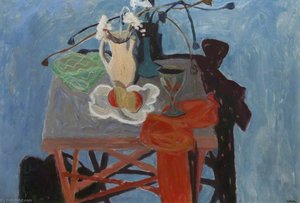
Florence
 Acrylic On Canvas
- WallArt
- Cubist Modernism
 1924
1924 66.0 x 91.0 cm
 Royal Scottish Academy of Art - Architecture
Sir William George Gillies’ "Florence" captures the vibrant Italian city with its iconic bridge and bustling scene. A stunning example of his artistic style, this painting showcases a beautiful representation of Florence's charm.
 Περισσότερα
Ο Γουίλιαμ Γκιλιές ήταν ένας σημαντικός Σκωτσέζος ζωγράφος γνωστός για τα εκθαμβευτικά τοπία και τις αριστοτεχνικές διαφάνειες του, επηρεασμένος από τον Κλές και με σημαντικό ρόλο στην σχολή της Εδιμβούργου.
Το έργο τέχνης που εμφανίζεται σε αυτή τη σελίδα προστατεύεται από τους νόμους περί πνευματικών δικαιωμάτων, γεγονός που σημαίνει ότι δεν μπορούμε νομικά να δημιουργήσουμε ή να πουλήσουμε μια ταυτόσημη αναπαραγωγή του. Αυτή η προστασία επιβάλλεται βάσει διεθνών συμφωνιών, όπως η Σύμβαση της Βέρνης καθώς και από τους εθνικούς νόμους, συμπεριλαμβανομένων αυτών που ορίζονται από το Νομοθεσία περί πνευματικών δικαιωμάτων των ΗΠΑ - Τίτλος 17. Όλα τα δικαιώματα κατοχυρωμένα. Απαγορεύεται η αναπαραγωγή χωρίς άδεια.
Αυτή η μέθοδος συμμορφώνεται πλήρως με τους κανονισμούς περί πνευματικών δικαιωμάτων, καθώς δεν περιλαμβάνει την αντιγραφή ή την αναπαραγωγή του προστατευόμενου έργου. Αντίθετα, πρόκειται για μια δημιουργική ερμηνεία — ένα νέο έργο που επηρεάζεται από το πρωτότυπο, χωρίς όμως να είναι πανομοιότυπο με αυτό.
Giclée / Εκτυπώσεις Τέχνης
Εκτύπωση giclée ή σε καμβά ποιότητας μουσείου με γρήγορη παραγωγή και ευέλικτες επιλογές φινιρίσματος. ( Αγορά χειροποίητου πίνακα Μετάβαση σε Ψηφιακή Αποτέλεσμα)




P118B €10

P118H €10

P118W €10

P438Z €10

P508JH €12

P508YH €12

P805H €10

P805Z €10

P919BZ €10

P919G €10

P919XJ €10

P959ZH €10

P968JZ €12

W106C €8

W218G €10

W218JH €8

W218Y €10

W307PJ €10

W316G €10

W316PJ €8

W316Y €10

W398PJ €8

W4111J €10

W500HY €15

W500JH €15

W692G €12

W849H €8

W940BG €15

W953PJ €8




Πρότυπο
κατόπιν παραγγελίας
CM
INCH
Επιλέξτε από τις προκαθορισμένες διαστάσεις μας που διατηρούν τις αρχικές αναλογίες του έργου τέχνης.
Loading sizes...

πλάτος
ύψος
Εισάγετε το πλάτος και το ύψος που επιθυμείτε, ώστε να ταιριάζουν στο κάδሮ ή στον τοίχο σας. Μια εκτύπωση μπορεί μόνο να υποστεί κοψίμό και ποτέ να μην γίνει μεγαλύτερη από την αρχική εικόνα, επομένως η επιλογή μεγέθους με διαφορετικό σχήμα συνεπάγεται απώλεια ενός μέρους της εικόνας. Σας στέλνουμε ένα ψηφιακό mockup για έγκριση πριν προχωρήσουμε σε οποιαδήποτε εκτύπωση. Η εικόνα που εμφανίζεται σε αυτή τη σελίδα δεν δείχνει την πραγματική κοπή — μόνο το mockup την παρουσιάζει.
Παγκόσμια Αποστολή () σε 2 εβδομάδες αντί για τις συνήθεις 4/5 εβδομάδες. (26 Οκτώβριος)

Δωρεάν γρήγορη διεθνής αποστολή

Κάμβας από Λινό Υψηλής Ποιότητας

Πλήρης ασφάλιση μεταφοράς

Εγγύηση επιστροφής δασμών και φόρων εισαγωγής

Εγγύηση Απόλυτης Ομοιότητας Χρωμάτων

Πολιτική Επιστροφής 100 Ημερών (Μόνο σε περίπτωση ελαττωμάτων)

Εγγύηση επιστροφής 100% των χρημάτων

Προσφορά για πολλαπλές παραγγελίες
 Η επιλογή με γυαλί είναι διαθέσιμη μόνο για μεγέθη κάτω από 110 εκ.

Florence
Giclée / Εκτυπώσεις Τέχνης
Διαστάσεις Αναπαραγωγής
-


Τελική Τιμή
€ 61
The Heart of Tuscany Captured: An Exploration of Gillies’ “Florence”
William George Gillies' "Florence," painted in 1924, isn’t merely a depiction of an Italian city; it’s a vibrant distillation of its spirit – a testament to the enduring beauty and bustling life of one of Europe’s most historically significant urban centers. This captivating canvas transports us directly to the heart of Tuscany, offering a glimpse into a world brimming with energy, commerce, and artistic resonance. The painting immediately draws the eye towards the graceful bridge that dominates the composition, its arched form acting as a visual anchor amidst the dynamic scene below. This isn’t a photographic representation; rather, Gillies employs a masterful blend of observation and imagination to create an atmosphere thick with movement and light.
Gillies, a key figure in the 1922 Group – a collective dedicated to promoting modern art in Scotland – was deeply influenced by both the Impressionists and the burgeoning Cubist movement. His early travels to Paris and Italy exposed him to these revolutionary styles, which he skillfully integrated into his own distinctive approach. “Florence” showcases this evolution; while retaining elements of traditional landscape painting, it’s imbued with a sense of fractured perspective and flattened planes reminiscent of Cubism, particularly in the treatment of the buildings lining the riverbank. The careful layering of color and brushstrokes creates an illusion of depth, inviting the viewer to lose themselves within the bustling cityscape.
A Symphony of Color and Light
The painting’s palette is remarkably rich and evocative. Gillies masterfully utilizes a range of warm ochres, deep blues, and vibrant reds to capture the essence of Florentine light. The sun, though not explicitly depicted, casts a golden glow across the scene, illuminating the reflections shimmering on the river's surface. Notice how he employs broken color – small dabs and strokes of contrasting hues – to suggest texture and form, particularly in the details of the buildings and boats. This technique adds a dynamic quality to the composition, preventing it from feeling static or overly formal.
- Dominant Colors: Warm ochres, deep blues, vibrant reds, and touches of green.
- Light & Shadow: Gillies expertly utilizes light and shadow to create a sense of depth and atmosphere.
- Brushwork: Loose, expressive brushstrokes contribute to the painting’s dynamic feel.
Symbolism and Historical Context
Beyond its aesthetic qualities, “Florence” is steeped in historical significance. The city itself represents a pivotal moment in Western civilization – the birthplace of the Renaissance, a period marked by an unprecedented flourishing of art, science, and culture. The bridge, a recurring motif in Gillies’ work, symbolizes connection and transition, linking the past with the present. The numerous boats navigating the river evoke the importance of trade and commerce to Florence's prosperity during this era. Furthermore, the painting subtly references the city’s architectural grandeur – the imposing buildings lining the riverbank are reminiscent of the palaces and churches that define Florence’s iconic skyline.
Painted in 1924, “Florence” reflects a period of renewed interest in classical art and culture following World War I. Gillies' work embodies a spirit of optimism and renewal, capturing the vibrant energy of a city poised to embrace the future while honoring its rich heritage. The painting’s enduring appeal lies not only in its technical brilliance but also in its ability to transport us back in time and evoke the timeless beauty of Florence.
Bringing “Florence” Home: A Reproduction for Your Space
TopImpressionists offers meticulously crafted, hand-painted reproductions of William George Gillies’ "Florence," ensuring that you can experience the full impact of this remarkable artwork within your own home. Our skilled artisans use traditional techniques and high-quality materials to faithfully recreate Gillies' unique style and color palette. Whether you are an art collector, a design enthusiast, or simply someone seeking to add a touch of timeless elegance to your space, our reproduction of “Florence” is the perfect choice. It’s more than just a print; it’s a window into the heart of Tuscany, capturing the spirit and beauty of one of the world's most beloved cities.
Ερωτήσεις και Απαντήσεις
Σε τι ηλικία δημιούργησε ο/η Γουίλιαμ Γκιλιές το "Florence";
Όταν δημιουργήθηκε το "Florence" το 1924, ο/η Γουίλιαμ Γκιλιές - γεννημένος/η το 1898 - ήταν μόλις 26 ετών.
Ποιο χρώμα κυριαρχεί στο "Florence";
Το Espresso (#513e27) είναι το κυρίαρχο χρώμα του έργου "Florence" του Γουίλιαμ Γκιλιές.
Πού μπορώ να βρω στατιστικά στοιχεία για το "Florence" του Γουίλιαμ Γκιλιές;
Υπάρχει μια σελίδα Στατιστικά επισκέψεων για το "Florence", η οποία καταγράφει τις μηνιαίες επισκέψεις του έργου και άλλων δημιουργημάτων του καλλιτέχνη, με ανάλυση ανά χώρα και γλώσσα.
Βιογραφικό Καλλιτέχνη
Early Life and Artistic Beginnings
Sir William George Gillies, ένας από τους σημαντικότερους καλλιτέχνες της Σκωτσέλας του 20ου αιώνα, γεννήθηκε στην Χάδινγκτον, νοτιοανατολικά της Έντφορδης, το 1898. Η παιδική του ηλικία διακόπηκε από την έναρξη του Α' Παγκοσμίου Πολέμου, όπου υπηρέτησε ως μηχανικός πεζοφυλάκτου. Μετά τον πόλεμο, επέστρεψε στην Έντφορντ και ολοκλήρωσε τις σπουδές του στο Κρατικό Πανεπιστήμιο της πόλης, αποκτώντας ένα ισχυρό θεμέλιο για την καλλιτεχνική του πορεία. Η αρχική του έμπνευση εκδηλώθηκε μέσω της μελέτης του κυβισμού, μια τάση που επηρέασε σημαντικά τα πρώτα του έργα, όπως το “Δύο Κούπες, Πιατάκι και Φρούτα” (1933). Αυτό το έργο, με την έμφαση στην σύνθεση και τη χρήση των χρωμάτων, θυμίζει τον Cézanne, ενώ παράλληλα αντικατοπτρίζει τις διακριτικές παλέτες του Braque και του Picasso.Η Επίδραση του Paul Klee και η Σκωτσέζικη Ταυτότητα
Ένα καθοριστικό σημείο στην καλλιτεχνική εξέλιξη του Gillies ήταν η συνάντησή του με τα έργα του Paul Klee το 1934. Η παιχνιδιάρικη χρήση χρώματος και η φανταστική προσέγγιση της σύνθεσης από τον Klee άφησαν ανεξίτηλο σημάδι στην καλλιτεχνική του σκέψη, οδηγώντας τον να ενσωματώσει παρόμοιες ιδιότητες στα δικά του έργα. Στο “Πορθάρι” (1934), το οποίο απεικονίζει το λιμάνι της Ανστρuther, ο Gillies χρησιμοποιεί μια ρυθμική σύνθεση με έντονες κάθετες γραμμές και κυματιστά οριζόντια χρωματα, δημιουργώντας μια ατμόσφαιρα που συνδυάζει την τάξη και τη ζωντάνια. Αυτή η μετατόπιση προς έναν πιο φανταστικό και προσωπικό καλλιτεχνικό λόγο σηματοδότησε την απομάκρυνσή του από τον αυστηρό κυβισμό, ανοίγοντας το δρόμο για την ανάπτυξη ενός μοναδικού στυλ που ήταν βαθιά ριζωμένο στην σκωτσέζικη φύση και τις παραδόσεις της.Ο “1922 Group” και η Κοινότητα των Καλλιτεχνών
Το 1922, ο Gillies συμμετείχε στη δημιουργία του "1922 Group" μαζί με άλλους σημαντικούς καλλιτέχνες όπως οι William Crozier, William Geissler και William MacTaggart. Αυτή η συλλογικότητα αποτέλεσε μια πλατφόρμα για την προώθηση της δουλειάς των νέων σκωτσέζικων καλλιτεχνών στην γκαλερί New Gallery στην Έντφορντ, παρέχοντας ένα κέντρο δημιουργικής ανταλλαγής και συνεργασίας για μια ολόκληρη δεκαετία. Το "1922 Group" δεν ήταν απλώς ένας εκθετικός οργανισμός, αλλά και μια κοινότητα που ενθάρρυνε την καινοτομία και την αλληλεπίδραση μεταξύ των καλλιτεχνών.Θέματα και Στοιχεία της Τέχνης του Gillies
Η καλλιτεχνική δουλειά του Gillies επικεντρωνόταν κυρίως σε δύο βασικά θέματα: τα τοπία της Σκωτσέλας, ιδιαίτερα των περιοχών Lothian, Fife και Borders, και οι σύνθετες ζωγραφιές με αντικείμενα. Τα τοπικά τοπία αποτυπώνονταν με ευαισθησία και λεπτομέρεια, αποδίδοντας την ουσία αυτών των περιοχών. Οι ζωγραφιές με αντικείμενα, συχνά περιελάμβαναν κεραμικά που δημιουργούσε η μικρότερη αδελφή του, Emma Smith Gillies, η οποία πέθανε πρόωρα το 1936 και άφησε βαθιά πληγή στον καλλιτέχνη. Παρά την αρχική του έρευνα σε θέματα πορτρέτου, ο Gillies επικεντρώθηκε στα τοπία και τις ζωγραφιές με αντικείμενα, συχνά απεικονίζοντας μικρές παραθαλάσσιες πόλεις και απομονωμένες κορυφές.Αναγνώριση και Κληρονομιά
Κατά τη διάρκεια της καριέρας του, ο William George Gillies έλαβε σημαντικές διακρίσεις, όπως την υπογραφή του στην τάξη του Βασιλικού Ακαδημαϊκού Κολλεγίου (RA) το 1940 και την ανάδειξή του σε ακαδημαϊκό το 1947. Το 1970 τιμήθηκε με τον τίτλο του Sir, ενώ το 1966 διορίστηκε Πρόεδρος του Κρατικού Πανεπιστημίου της Έντφορντ. Η συνεισφορά του στην τέχνη της Σκωτσέλας αναγνωρίστηκε ευρέως και τα έργα του εκτίθενται σε σημαντικά μουσεία όπως το Μουσείο Τέχνης της Άβερντιν, η Γκαλερί της Ντουμπαί, η Εθνική Πινακοθήκη της Σκωτσέλας και η Εθνική Πινακοθήκη της Σκωτίας. Ο Gillies πέθανε το 1973, αφήνοντας πίσω του ένα πλούσιο έργο τέχνης που συνεχίζει να εμπνέει και να εντυπωσιάζει τους λάτρεις της τέχνης σε όλο τον κόσμο.
Γουίλιαμ Γκιλιές
1898 - 1973 , Ηνωμένο Βασίλειο
Γρήγορα στοιχεία
- Artistic Movement Or Style: Κυβισμός, Σκωτσέζικοι Χρωματίστες
- Artists Or Movements Influenced By This Artist:
- Εδουάρδος Μουνχ
- Γεώργιος Μπρακ
- Artists Who Influenced This Artist:
- André Lhote
- Cézanne
- Braque
- Picasso
- Paul Klee
- Date Of Birth: 1898
- Date Of Death: 1973
- Full Name: Sir William George Gillies
- Nationality: Σκωτσέζος
- Notable Artworks:
- Two Pots, Saucer and Fruit
- The Origin of the Milky Way
- Place Of Birth: Haddington, Ηνωμένο Βασίλειο
Σχετικά άρθρα

Οι 10 Κορυφαίοι πίνακες που καθόρισαν την Σχολή του ποταμού Hudson | TopImpressionists.gr
Ανακαλύψτε τους 10 κορυφαίους πίνακες της Σχολής του ποταμού Hudson! Thomas Cole, Frederic Church & Albert Bierstadt ζωντανεύουν. Έμπνευση για διακόσμηση σπιτιού με αριστουργήματα ρομαντισμού. Εξερευνήστε την πλήρη συλλογή στο TopImpressionists.com.

Οι 10 Κορυφαίοι Πίνακες που Όρισαν τον Ρομαντισμό στην Τοπιογραφία | TopImpressionists.gr
Ανακαλύψτε τους 10 πίνακες που καθόρισαν τον Ρομαντισμό στην τοπιογραφία! Friedrich, Turner & άλλοι. Ιστορίες τέχνης, τεχνικές και έμπνευση για διακόσμηση σπιτιού. Βρείτε αναπαραγωγές υψηλής ποιότητας στο TopImpressionists.com.

John Constable: Τα 25 Κορυφαία Έργα Τέχνης | Ανακαλύψτε την Αγγλική Υπαίθριο στον Χώρο Σας
Ανακαλύψτε τα 25 κορυφαία έργα τέχνης του John Constable! Εξερευνήστε την αγγλική τοπιογραφία, τον ρομαντισμό και τη μαγεία της φύσης. Υψηλής ποιότητας αναπαραγωγές & ιδέες διακόσμησης στον χώρο σας. Ανακαλύψτε όλα τα αριστουργήματα στο TopImpressionists.com

Evocations of Place: A Historical Journey Through Landscape Art
Explore the rich history of landscape art with TopImpressionists. Discover renowned artists, movements like Impressionism & tonalism, and expert guidance for collecting timeless pieces. Find your perfect serene escape today!

Evocations of Place: A Historical Journey Through Landscape Art
Explore the rich history of landscape art with TopImpressionists. Discover renowned artists, movements like Impressionism & Romanticism, and expert guidance for collecting timeless pieces. Find your perfect serene escape today!
Εξερευνήστε έργα τέχνης ταξινομημένα ανά θέμα, στυλ και χαρακτηριστικά.