


 Προεπισκόπηση
 Αποστολή
 Κοινοποίηση
 Λεπτομέρειες
 Οδηγός

 Λήψη
Λήψη
 Παρόμοια αντικείμενα συλλογής
 Ακτινογραφία
 Παρουσίαση
 Στατιστικά
Portrait of Jean Cepeinick
 Acrylic On Canvas
- WallArt
- Neo-Impressionism
 1881
1881- 19th Century
 101.0 x 78.0 cm
 Μουσείο Καλών Τεχνών της Γκεντ
Experience the vibrant Pointillism of Théo van Rysselberghe's 'Portrait of Jean Cepeinick.' A captivating 1881 masterpiece showcasing Belgian neo-impressionist artistry and a refined portrait.
 Περισσότερα λεπτομέρεια
Θεό van Rysselberghe: Ένας πρωτοπόρος της νεο-εκφραστικής ζωγραφικής, με έντονες επιρροές από το Βορειοαφρικανικό τοπίο και την ατμόσφαιρα του φωτός. Ένα ταλέντο που συνδύασε τέχνη και διακόσμηση.
Χειροποίητη Αναπαραγωγή σε Έλαιο
Χειροποίητη ελαιογραφία σε καμβά στο δικό σας μέγεθος και πλαίσιο, κατά παραγγελία από τους καλλιτέχνες μας. ( Μετάβαση σε Εκτυπώσεις Μετάβαση σε Ψηφιακή Εικόνα)




P118B $10

P118H $10

P118W $10

P438Z $10

P508JH $12

P508YH $12

P805H $10

P805Z $10

P919BZ $10

P919G $10

P919XJ $10

P959ZH $10

P968JZ $12

W106C $8

W218G $10

W218JH $8

W218Y $10

W307PJ $10

W316G $10

W316PJ $8

W316Y $10

W398PJ $8

W4111J $10

W500HY $15

W500JH $15

W692G $12

W849H $8

W940BG $15

W953PJ $8




Πρότυπο
κατόπιν παραγγελίας
CM
INCH
Επιλέξτε από τις προκαθορισμένες διαστάσεις μας που διατηρούν τις αρχικές αναλογίες του έργου τέχνης.
Loading sizes...

πλάτος
ύψος
Μπορείτε να ορίσετε δικές σας διαστάσεις ώστε το έργο να ταιριάζει σε ένα συγκεκριμένο πλαίσιο ή χώρο. Εάν το επιλεγμένο μέγεθος δεν συμπίπτει με τις αναλογίες της αρχικής εικόνας, θα περικοψούμε το έργο ή θα επεκτείνουμε τη ζωγραφιά με πρόσθετα χειρόγραφα στοιχεία. Ένα ψηφιακό προσχέδιο θα σας αποσταλεί για έγκριση πριν την έναρξη της παραγωγής.
Παρακαλούμε σημειώστε ότι η προεπισκόπηση στην οθόνη δεν αντικατοπτρίζει την πραγματική περικοπή ή επέκταση. Μόνο το προσχέδιο θα δείξει με ακρίβεια την τελική σύνθεση.
Παρόλο που είναι διαθέσιμα προσαρμοσμένα μεγέθη, συνιστούμε να επιλέξετε μια διάσταση από τη λίστα των προκαθορισμένων μεγεθών για τη διατήρηση των αρχικών αναλογιών.
Παραδείγματα αλλαγών: Αντικατάσταση προσώπου με φωτογραφία του πελάτη· Προσθήκη κατοικίδιου (π.χ., αντικατάσταση γάτας με σκύλο)· Ενσωμάτωση κρυφού μηνύματος στο φόντο· Αλλαγή τοπίου ή στοιχείων του φόντου.
Μετά την παραγγελία, η ομάδα του TopImpressionists.com θα στείλει email στον πελάτη με οδηγίες και θα παρέχει μια προεπισκόπηση προσχεδίου
Μετά την παραγγελία, η ομάδα του TopImpressionists.com θα στείλει email στον πελάτη με οδηγίες και θα παρέχει μια προεπισκόπηση προσχεδίου
Παγκόσμια Αποστολή () σε 3-4 εβδομάδες αντί για τις συνήθεις 5 εβδομάδες. (23 Σεπτέμβριος). Χωρίς συμβιβασμούς στην ποιότητα.

Δωρεάν γρήγορη διεθνής αποστολή

Κάμβας από Λινό Υψηλής Ποιότητας

Πλήρης ασφάλιση μεταφοράς

Εγγύηση επιστροφής δασμών και φόρων εισαγωγής

Εγγύηση Απόλυτης Ομοιότητας Χρωμάτων

Πολιτική Επιστροφής 100 Ημερών (Μόνο σε περίπτωση ελαττωμάτων)

Εγγύηση επιστροφής 100% των χρημάτων

Έκπτωση για πολλαπλές παραγγελίες
 Η επιλογή με γυαλί είναι διαθέσιμη μόνο για μεγέθη κάτω από 110 εκ.

Portrait of Jean Cepeinick
Τεχνική Αναπαραγωγής
Διαστάσεις Αναπαραγωγής
-


Συνολικό Κόστος
$ 269
Portrait of Jean Cepeinick: A Window into Belgian Neo-Impressionism
Theo van Rysselberghe’s “Portrait of Jean Cepeinick,” painted in 1881, isn't merely a likeness; it’s a carefully constructed tableau of quiet confidence and introspective contemplation. Housed within the hallowed halls of the Musée des Beaux-Arts in Ghent, Belgium, this oil on canvas offers a captivating glimpse into the burgeoning world of Belgian neo-impressionism – a movement that sought to revolutionize painting through a radical departure from traditional academic styles.
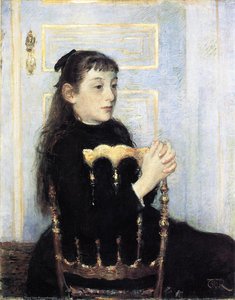
The subject himself, Jean Cepeinick, is depicted seated with an air of dignified composure. He’s dressed in the formal attire characteristic of the era, his posture suggesting both self-assurance and a subtle reserve. His gaze, directed slightly off-center within the composition, invites the viewer into a private world of thought. Van Rysselberghe masterfully captures this duality – the outward appearance of formality juxtaposed with an underlying sense of inner life.
The Pointillist Technique: A Symphony of Color
What immediately draws the eye is the painting’s distinctive technique—pointillism, a method championed by Van Rysselberghe and his contemporaries. Rather than blending colors directly on the canvas, he meticulously applied tiny dots of pure color – crimson, ochre, cerulean blue, and emerald green – to create an optical illusion of blended hues. This painstaking process, reminiscent of a mosaic, results in a shimmering surface that seems to subtly shift with the changing light. The effect is remarkably vibrant and luminous, capturing the fleeting qualities of light and atmosphere with astonishing precision.
Van Rysselberghe’s adoption of pointillism wasn't simply a stylistic choice; it represented a profound exploration of color theory and perception. He was deeply influenced by the work of Eugène Louis Primitivi and Georges Seurat, both pioneers of this technique. However, Van Rysselberghe imbued his pointillist approach with a uniquely personal sensibility, creating a visual experience that is both intellectually stimulating and emotionally resonant.
A Belgian Context: Les XX and the Dawn of Modernity
“Portrait of Jean Cepeinick” was created during a period of immense artistic ferment in Belgium. The painting’s creation coincided with the formation of “Les XX,” a revolutionary group of artists who challenged the conservative norms of the art establishment. This collective, which included figures like James Ensor and Fernand Khnopff, sought to break free from academic traditions and embrace new approaches to representation. Van Rysselberghe's work exemplifies this spirit of innovation, reflecting the group’s commitment to experimentation and a rejection of established artistic conventions.
The painting can be understood within the broader context of late 19th-century Europe, a time of rapid social, political, and technological change. Neo-Impressionism emerged as a response to these transformations, reflecting a desire to capture the dynamism and complexity of modern life through a radically new visual language.
Symbolic Resonance: Introspection and Quiet Dignity
Beyond its technical brilliance, “Portrait of Jean Cepeinick” possesses a subtle yet powerful symbolic resonance. The subject’s contemplative gaze suggests an inner world rich in thought and emotion. The carefully chosen details – the formal attire, the restrained pose – speak to a sense of dignity and self-awareness. It's not a portrait intended for immediate gratification; rather, it invites prolonged observation and reflection.
Van Rysselberghe’s ability to convey such depth through a seemingly simple depiction is a testament to his artistic skill and sensitivity. “Portrait of Jean Cepeinick” remains a captivating work of art, offering a poignant glimpse into the heart of Belgian neo-impressionism and the complexities of human experience.
Παρόμοια Έργα Τέχνης






Βιογραφικό Καλλιτέχνη
Théo van Rysselberghe: Ένας Πιλότος του Φωτός στην Τέχνη
Ο Θέοφιλος “Θέο” βαν Ρυσέλμπεργκ, γεννήθηκε στη Γενεύη της Βελγίου το 1862 και αποτέλεσε μια καθοριστική φιγούρα που συνέδεσε τον ιμπρεσιονισμό με τον νεο-ιμπρεσιονισμό. Η πορεία του δεν ήταν μια άμεση στυλιστική επιβεβαίωση, αλλά μια εξελικτική διερεύνηση, πυροδοτημένη από ταξίδια, πνευματικές ανταλλαγές και την αδιάκοπη αναζήτηση για τη σύλληψη της ουσία του φωτός. Προερχόμενος από μια άνετη γαλλόφωνη οικογένεια, ο βαν Ρυσέλμπεργκ έλαβε την αρχική καλλιτεχνική του εκπαίδευση στην Ακαδημία της Γενεύης υπό τον Θεό Κανέελ, ακολουθούμενη από σπουδές στο prestigioso Αcadémie Royale des Beaux-Arts στο Βρυξέλλες. Αυτές οι διαμορφωτικές χρονιές εμφυσάσανε σε αυτόν μια βάση ριζωμένη στον παραδοσιακό ρεαλισμό, όπως φαίνεται στις πρώτες του εργασίες, όπως το *Αυτοπροσωπογραφία με τσιγάρο* (1880), που χαρακτηρίζεται από σκοτεινά χρώματα και ακρίβεια. Ωστόσο, ακόμη και σε αυτά τα πρώτα έργα, εμφανίζονται αρχικές ενδείξεις μιας αναπτυσσόμενης ευαισθησίας στο φως και το χρώμα, προαναγγέλλοντας την μελλοντική του πορεία. Ένα κρίσιμο έργο από αυτήν την περίοδο, το *Παιδί σε ένα ανοιχτό σημείο του δάσους* (1880), σηματοδότησε μια λεπτή αποκλίση, υποδεικνύοντας ένα πιο φωτεινό παλέτο και ελεύθερο πινέλο που θα ορίζουν το αργότερα στυλ του.Μαρμαρινοί Ήλιοι και η Γένεση των Les XX
Μια μεταμορφωτική στιγμή στην καλλιτεχνική του ζωή ήταν τα ταξίδια του βαν Ρυσέλμπεργκ στη Μογγολία μεταξύ 1882 και 1888. Αυτές οι εκτεταμένες διαμονές τον βούτηξαν σε έναν κόσμο ζωντανών χρωμάτων, έντονου φωτός και εξωτικών τοπίων – μια δραματική αντίθεση με τα απαλά χρώματα του πρώτου του έργου. Τα έργα τέχνης όπως το *Μάστορας του Χαλβά* (1882), το *Μογγολικό Παιδί* (1882) και ο *Προστατευτής* (1883) δείχνουν αυξανόμενο ενδιαφέρον για τη σύλληψη των επιδράσεων του φωτός στη μορφή, απομακρυνόμενος από τον αυστηρό ρεαλισμό προς μια πιο ιμπρεσιονιστική αίσθηση. Η εμπειρία στη Μογγολία δεν ήταν απλώς οπτική παρατήρηση, αλλά μια εμβάθυνση σε μια διαφορετική κουλτούρα που διεύρυνε τους καλλιτεχνικούς του ορίζοντες και εμφυσάσε μια δια βίου αγάπη για τα ταξίδια. Επιστρέφοντας στα Βρυζέλλες, ο βαν Ρυσέλμπεργκ έγινε κινητήρια δύναμη στη βελγική καλλιτεχνική σκηνή, συνιδρύνοντας την επιδραστική ομάδα *Les XX* (Οι Είκοσι) το 1883 μαζί με τον Οκτάβε Βαν ντε Βέλντε και τον Εμίλ Βερχάριν. Αυτή η συλλογικότητα αποτέλεσε πλατφόρμα για την προβολή της βυζαντικής τέχνης, παρουσιάζοντας νέες τάσεις όπως ο ιμπρεσιονισμός και ο συμβολισμός σε ένα βελγικό κοινό που ήταν αναίσθητο σε αυτές τις καινοτομίες. Το *Μαρμαρινοί Ήλιοι* (1884), ένα μεγάλο έργο με εξωτικό θέμα, έγινε το πιο διάσημο έργο του από αυτήν την περίοδο, αποδεικνύοντας τη δεινότητα του στο φως και τη σύνθεση.Ε diterima το Neo-Impressionism: Μια Επιστημονική Προσέγγιση στο Χρώμα
Η πραγματική στροφή στην καλλιτεχνική του εξέλιξη έφτασε με την επαφή του με το έργο του Ζωρζ Σεούρα, *Το Κυριακάτικο απόγευμα στην παραλία La Grande Jatte* (1884-86), στην όγδοη ιμπρεσιονιστική έκθεση στο Παρίσι το 1886. Αρχικά διστακτικός απέναντι στη συστηματική τεχνική του Σεούρα – την εφαρμογή μικροσκοπικών σταγονιδίων καθαρού χρώματος για να εντείνουν τις αισθήσεις του φωτός – ο βαν Ρυσέλμπεργκ σταδιακά εκτίμησε τη επιστημονική της βάση και το δυναμικό του για επίτευξη φωτεινών εφέ. Έβαλε σε εξέταση τον δοξογνωσισμό, την νεο-ιμπρεσιονιστική μέθοδο διαχωρισμού των χρωμάτων στα συστατικά τους και επιτρέπει στο θεατή να τα αναμειγνύει οπτικά. Αυτό δεν ήταν απλώς μια τεχνική αλλαγή, αλλά μια θεμελιώδης αλλαγή στην προσέγγισή του στην ζωγραφική – μια μετατόπιση προς μια πιο αναλυτική και αντικειμενική αναπαράσταση του φωτός και του χρώματος. Έφραξε φιλία με άλλους νεο-ιμπρεσιονίστες, όπως ο Πωλ Σιγκάν, ταξιδιώτας μαζί του κατά μήκος της Γαλλικής Ριβιέρας και ανταλλάσσοντας ιδέες σχετικά με την τεχνική και τη θεωρία. Ο βαν Ρυσέλμπεργκ ξεχώρισε μέσα από αυτόν τον κίνημα εφαρμόζοντας τον δοξογνωσισμό όχι μόνο σε τοπία αλλά και σε πορτρέτα, δημιουργώντας εντυπωσιακά φωτεινά και ψυχολογικά διαφωτισμένα πρόσωπα των ανθρώπων του – έργα τέχνης όπως το *Madame Charles Maus* (1890) είναι παραδείγματα.Πέρα από τον Δοξογνωσισμό: Μια Αιώνια Κληρονομιά
Παρόλο που ήταν βαθιά αφοσιωμένος στον νεο-ιμπρεσιονισμό για ένα σημαντικό χρονικό διάστημα, ο βαν Ρυσέλμπεργκ τελικά μεταφέρθηκε πέρα από τα αυστηρά όριά του στα τέλη της δεκαετίας του 1890. Αναζήτησε μεγαλύτερη ελευθερία στην πινελιά και τη σύνθεση του. Συνέχισε να είναι ένας παραγωγικός καλλιτέχνης, εργαζόμενος σε διάφορα μέσα, συμπεριλαμβανομένης της σχεδίασης επίπλων και διακοσμητικών έργων τέχνης. Η επιρροή του επεκτάθηκε πέρα από τη Βελούγιο, επηρεάζοντας καλλιτέχνες όπως ο Πιέτ Μοντριάν και ο Τζαν Τοόροπ που έμαθαν από τη καινοτόμο χρήση του φωτός και του χρώματος. Τα έργα του φυλάσσονται σε σημαντικές μουσειακές συλλογές παγκοσμίως, συμπεριλαμβανομένου του Μουσείου Λουξεμβούργου στο Παρίσι και του Μουσείου της Όμορφης Τέχνης στη Γενεύη, διασφαλίζοντας ότι η συμβολή του στην ιστορία της τέχνης συνεχίζει να γιορτάζεται και να εκτιμάται από τις επόμενες γενιές. *Η αφοσίωσή του στην εξερεύνηση της αλληλεπίδρασης μεταξύ φωτός, χρώματος και μορφής σφράγισε τη θέση του ως ένας πραγματικός πρωτοπόρος της σύγχρονης ζωγραφικής.*
Θεό Βαν Ρυσελμπέργκε
1862 - 1926 , Βέλγιο
Στοιχεία καλλιτέχνη
- Artistic Movement Or Style: Νεο-εκφραστισμός
- Artists Or Movements Influenced By This Artist:
- Νεο-εκφραστισμός
- Μοντέρνα Τέχνη
- Artists Who Influenced This Artist:
- Ζωρζ Σερά
- Πωλ Σιγκάν
- Date Of Birth: 23 Νοεμβρίου 1862
- Date Of Death: 13 Δεκεμβρίου 1926
- Full Name: Théophile van Rysselberghe
- Nationality: Βελγιοςέζος
- Notable Artworks:
- Αραβική Φαντασία
- Ισπανίδα Γυναίκα
- Σεβιλλιώτικη Γυναίκα
- Place Of Birth: Γεντ, Βέλγιο
Σχετικά άρθρα

The Soul of the Brushstroke: Decoding Van Gogh's Emotional Impasto
Explore the profound emotional depth of Van Gogh's impasto technique. Discover how his sculptural brushstrokes and textured oil layers define Post-Impressionism through an expert art-historical lens, perfect for discerning collectors and fine art enthusiasts.
Εξερευνήστε έργα τέχνης ταξινομημένα ανά θέμα, στυλ και χαρακτηριστικά.

