Ατελιέ — Δωρεάν αποστολή σε όλο τον κόσμο — Παράδοση σε 2–6 εβδομάδες
Ποίηση από Φωτογραφία Λίστα επιθυμιών Καλάθι
ΠροεπισκόπησηΠροεπισκόπηση Προεπισκόπηση ARΠροεπισκόπηση AR Αγορά εκτύπωσης Αγορά εκτύπωσηςΑγορά χειροποίητου πίνακα Αγορά χειροποίητου πίνακα ΑποστολήΑποστολή
ΛεπτομέρειεςΛεπτομέρειες Προσθήκη στα αγαπημένα Προσθήκη στα αγαπημένα ΛήψηΛήψη Παρόμοια έργαΠαρόμοια έργα ΑκτινογραφίαΑκτινογραφία ΠαρουσίασηΠαρουσίαση

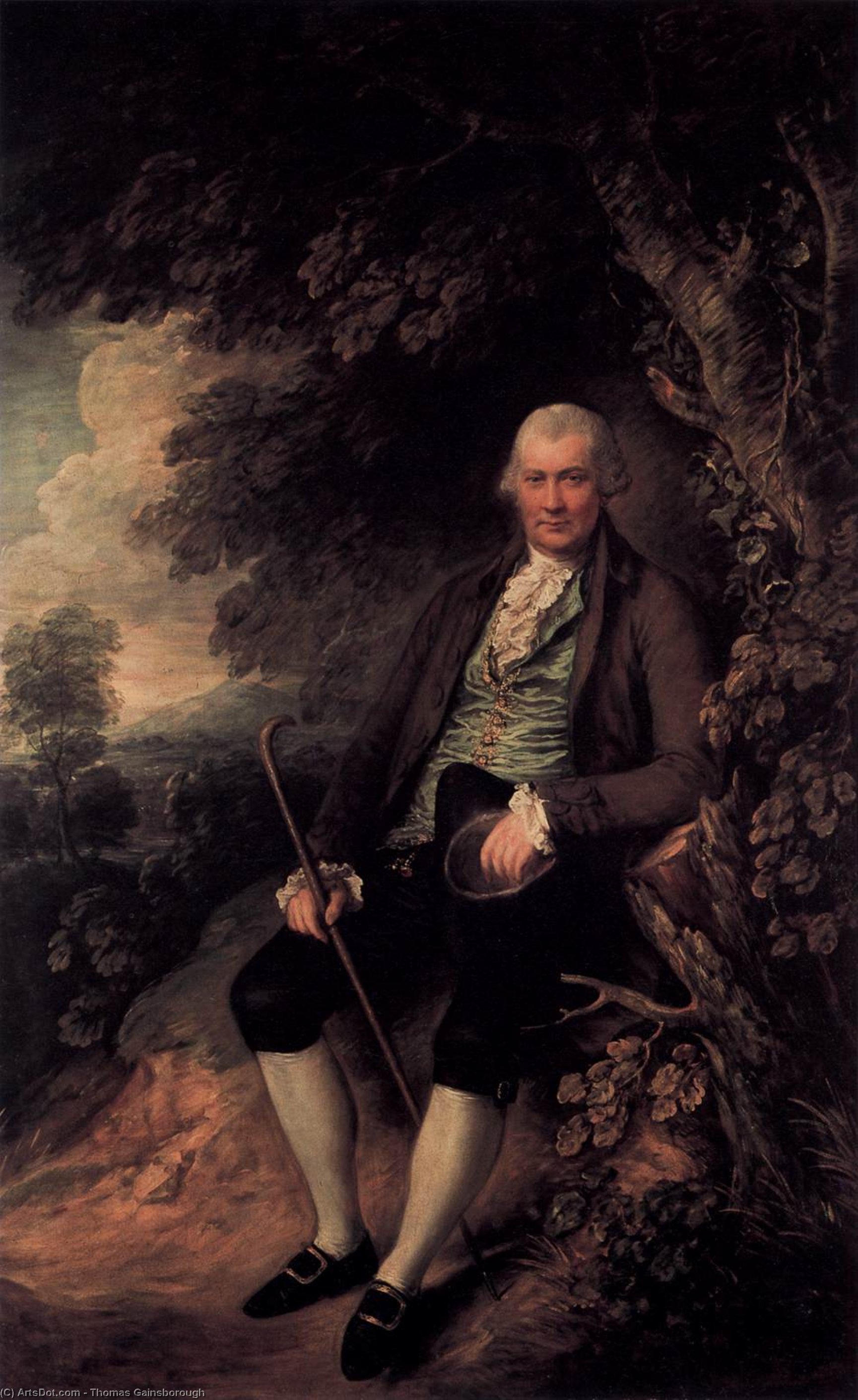
Squire John Wilkinson

Ο Τόμας Γέινσμπουργκ (1727-1788): Ένας βρετανός ζωγράφος, γνωστός για τα εκθαμβωτικά πορτρέτα και τις γλυπτές τοπικές σκηνές. Θεμελίωσε την Ακαδημία των Βασιλικών Τεχνών και επηρέασε τον Κόνσταμπλ.

Αγοράστε μια ψηφιακή εικόνα υψηλής ανάλυσης και βελτιωμένης ποιότητας, πολύ ανώτερης από την προεπισκόπηση στο διαδίκτυο.

Κάθε αρχείο προετοιμάζεται σχολαστικά από τους ειδικούς μας, χρησιμοποιώντας προηγμένα εργαλεία και εξειδικευμένο χειροκίνητο ρετουσάρισμα. Εξασφαλίζουμε ότι κάθε εικόνα διαθέτει εξαιρετική ευκρίνεια, απόλυτη πιστότητα στο χρώμα και λεπτομερή ανάδραση των λεπτομερειών.

Το τελικό αρχείο παραδίδεται μέσω email εντός 72 ωρών, βελτιστοποιημένο για άμεση χρήση σε επαγγελματικά, εκδοτικά και έντυπα περιβάλλοντα. Πρόκειται για την ίδια ποιότητα που εμπιστεύονται κορυφαία studios σχεδιασμού, εκδότες και γκαλερί.

Ψηφιακή εικόνα

Κατεβάστε ένα αρχείο υψηλής ανάλυσης για προσωπική χρήση, εκτύπωση και δημιουργικά έργα. (Αγορά εκτύπωσης Αγορά εκτύπωσηςΑγορά χειροποίητου πίνακα Αγορά χειροποίητου πίνακα)

Συνολική Τιμή

$ 24,90

Περιλαμβάνεται σε κάθε αγορά ψηφιακής εικόνας

Επαγγελματική Ψηφιακή Παράδοση, Με Εγγύηση

Όταν επιλέγετε το TopImpressionists.com, δεν αποκτάτε απλώς μια εικόνα – λαμβάνετε ένα επαγγελματικά αναβαθμισμένο ψηφιακό έργο τέχνης, δημιουργημένο με ακρίβεια και με εγγύηση ικανοποίησης. Δείτε όλα όσα περιλαμβάνονται στην παραγγελία σας, αυτόματα:

shipping_icon
Άμεση αποστολή μέσω email

Το ψηφιακό σας αρχείο εικόνας υψηλής ανάλυσης θα σας σταλεί μέσω email εντός 72 ωρών από την παραγγελία σας — έτοιμο για άμεση χρήση.

canvas_icon
Ψηφιακό Αρχείο με Τεχνητή Νοημοσύνη

Το έργο σας βελτιστοποιείται επαγγελματικά με τη χρήση προηγμένων εργαλείων Τεχνητής Νοημοσύνης και χειροκίνητης επεξεργασίας, εξασφαλίζοντας μέγιστη λεπτομέρεια, ευκρίνεια και ακρίβεια χρωμάτων.

insurance_icon
Δωρεάν επανεκδόσεις مدى ζωής

Απώλησες ή διαγράψατε κατά λάθος το αρχείο σας; Μην ανησυχείτε — θα σας το ξαναστείλομε οποιαδήποτε στιγμή, δωρεάν.

tax_icon
Χωρίς Τελωνειακούς Φόρους - Ποτέ

Απολαύστε αμέσως τα έργα τέχνης σας χωρίς δασμούς, φόρους ή έξοδα αποστολής - οι ψηφιακές λήψεις είναι πάντα αφορεশিপτεία.

color_icon
Εγγύηση Ακριβούς Χρωματισμού

Εξασφαλίζουμε ότι η ψηφιακή σας εικόνα αποτυπώνει τα αυθεντικά χρώματα όσο το δυνατόν πιστότερα, χρησιμοποιώντας επαγγελματικά εργαλεία και διαχείριση χρωμάτων.

return_icon
Εγγύηση Ικανοποίησης 60 Ημερών

Εάν δεν είστε ικανοποιημένοι με την ψηφιακή σας εικόνα, θα την αναθεωρήσουμε ή θα σας επιστρέψουμε το 100% της αξίας της εντός 60 ημερών - χωρίς κανένα ερώτημα.

guarantee_icon
100% Εγγύηση Επιστροφής Χρήματος

Δεν είστε ικανοποιημένοι; Λάβετε πλήρη επιστροφή των χρημάτων σας εντός 60 ημερολογιακών ημερών από τη λήψη του ψηφιακού σας αρχείου — χωρίς κανένα ερώτημα.

discount_icon
Εκπτώσεις για Μαζικές Παραγγελίες

Αγοράστε 3 εικόνες, κάντε εξοικονόμηση 10% - Αγοράστε 5, κάντε εξοικονόμηση 15% - Αγοράστε 10+, κάντε εξοικονόμηση 20%. Ιδανικό για δημιουργικά έργα, γκαλερί και agencies.

Σημαντικά στοιχεία

  • Artistic style: Elegant; Balanced composition
  • Dimensions: 234 x 145 cm
  • Year: 1776
  • Influences: Sir Joshua Reynolds
  • Location: Private Collection
  • Movement: British Rococo
  • Title: Squire John Wilkinson

ΚВИΖ Τέχνης

Για κάθε ερώτηση υπάρχει μόνο μία σωστή απάντηση.

Ερώτηση 1:
What is the primary subject matter of Thomas Gainsborough’s ‘Squire John Wilkinson’?
Ερώτηση 2:
The painting utilizes a distinctive technique characterized by 'light palette and easy strokes.' Which artistic movement is Gainsborough associated with?
Ερώτηση 3:
According to the biographical information, what was Thomas Gainsborough’s father's profession?
Ερώτηση 4:
What element contributes significantly to the atmosphere of ‘Squire John Wilkinson’?
Ερώτηση 5:
Thomas Gainsborough is credited alongside Richard Wilson as the originator of what important aspect of British art?

Περιγραφή Συλλεκτικού Αντικειμένου

A Portrait of Quiet Dignity: Exploring Gainsborough’s Squire John Wilkinson

Thomas Gainsborough, born in 1727 amidst the verdant landscapes of Suffolk, stands as a cornerstone of British art history. His early life was marked by an uncommon passion for drawing and painting – activities that defied the expectations of his family's wool merchant trade and foreshadowed the artistic brilliance to come. This formative period instilled within him a profound appreciation for observation and detail, qualities that would permeate his oeuvre throughout his illustrious career. Notably, Gainsborough’s dedication to capturing the beauty of the English countryside cemented his legacy as one of the progenitors of the British landscape school alongside Richard Wilson, establishing him as an influential figure in shaping artistic sensibilities of his time.
  • Subject Matter: The painting depicts Squire John Wilkinson, a gentleman of considerable standing, seated upon a bench beneath the dappled shade of trees and bushes. This deliberate choice of setting underscores themes of rural tranquility and aristocratic refinement – elements characteristic of Gainsborough’s artistic vision.
  • Style & Technique: Gainsborough's signature style is instantly recognizable: characterized by soft brushstrokes, luminous color palettes, and a masterful rendering of light and shadow. He employed a technique known as ‘alla prima,’ applying paint directly onto the canvas without extensive underpainting, resulting in an immediacy and vibrancy that captures the essence of his subjects with remarkable accuracy.

Historical Context: The Georgian Era’s Embrace of Landscape

The painting was created during the Georgian era (1714-1830), a period defined by social stability, economic prosperity, and an increasing fascination with the natural world. Artists like Gainsborough responded to this cultural shift by elevating landscape paintings alongside portraiture, reflecting the aristocratic patrons’ desire for images that conveyed both grandeur and serenity. Wilkinson's pose—relaxed yet dignified—mirrors the prevailing aesthetic ideals of the time: a cultivated gentleman enjoying the pleasures of rural life amidst a backdrop of picturesque scenery.
  • Symbolism: The inclusion of trees and bushes serves as more than mere decorative elements; they symbolize longevity, wisdom, and connection to the earth – virtues associated with Squire Wilkinson’s character and status.
  • Emotional Impact: Gainsborough's masterful use of color and light evokes a feeling of calm contemplation and understated elegance. The painting invites viewers to appreciate the beauty of simplicity and the dignity of rural life, capturing a moment frozen in time with remarkable sensitivity.

A Legacy Enduring Through Reproduction

Today, Gainsborough’s Squire John Wilkinson continues to inspire artists and collectors alike. TopImpressionists.com offers exceptional reproductions that faithfully recreate the original artwork's textures and colors, allowing enthusiasts worldwide to experience the profound beauty and artistic merit of this iconic piece. Explore the timeless appeal of Gainsborough’s vision—a testament to his skill as a painter and his enduring contribution to British art history.

Βιογραφικό Καλλιτέχνη

A Suffolk Beginning: The Early Life and Artistic Awakening

The story of Thomas Gainsborough, one of Britain’s most celebrated artists, unfolds not within the confines of a grand academy or bustling metropolis, but in the tranquil market town of Sudbury, Suffolk. Born in 1727, the youngest son of John Gainsborough, a weaver and wool merchant, young Thomas displayed an innate artistic sensibility from a remarkably early age. While his siblings pursued more conventional paths, Thomas’s world rapidly became consumed by drawing and painting – miniature self-portraits and delicate landscapes blossoming from his hand even before he reached ten years old. This precocious talent wasn't merely a childhood pastime; it was the burgeoning of a vision that would reshape British art. His father, recognizing this unique gift, encouraged its development, setting young Thomas on a path diverging sharply from the family trade. The Suffolk countryside itself became his first studio, imbuing his later works with a deep and abiding love for the natural world – a characteristic that would distinguish him throughout his career. This early immersion in landscape wasn’t simply about replicating what he saw; it was about *feeling* the essence of the English countryside, an emotional resonance that would permeate his canvases for decades to come.

London and the Shaping of a Style: Influences and Early Commissions

In 1740, at the age of thirteen, Gainsborough journeyed to London, embarking on formal artistic training under Hubert Gravelot, a French engraver renowned for his elegant rococo style. This exposure proved pivotal, introducing him to refined techniques and fashionable aesthetics. However, it was his association with William Hogarth and the St Martin’s Lane Academy that truly began to mold his artistic identity. Initially influenced by Hogarth's narrative approach – his detailed depictions of London life and social commentary – Gainsborough soon charted his own course, developing a distinctive style characterized by its lightness of touch, fluid brushwork, and subtle color palettes. He absorbed lessons from various masters, including the Dutch landscape painters whose atmospheric effects he admired, yet resisted strict adherence to any single school, forging a path that blended observation with imagination. He sought to capture not just appearances but also the *feeling* of a scene – the light, the air, the mood. Returning to Sudbury after marrying Margaret Burr in 1746, Gainsborough established himself as a portraitist for the local gentry and mercantile classes. This period honed his skills in capturing likenesses and character, but it was during his subsequent move to Ipswich, and later Bath, that he began attracting a more sophisticated clientele – individuals who appreciated not just accurate representation, but also artistic flair and emotional depth.

Bath and Beyond: Portraiture, Landscape, and Royal Patronage

The years spent in Bath (1759-1774) marked a significant turning point in Gainsborough’s career. The city was a hub of fashionable society, providing him with ample opportunities to paint portraits of the wealthy and influential. He quickly gained renown for his ability to capture not only physical resemblance but also the personality and social standing of his sitters. His portraits weren't merely depictions; they were statements about identity and status – often imbued with a sense of relaxed elegance and natural charm. He experimented with lighting, composition, and pose, creating images that felt remarkably alive. However, even amidst the demands of portraiture, Gainsborough never abandoned his passion for landscape painting. In fact, he often seamlessly integrated landscapes into his portraits, creating compositions that celebrated both human subjects and the beauty of the natural world – a technique that became increasingly prominent in his work. This innovative approach – a hallmark of his style – set him apart from many of his contemporaries. The culmination of his success came with his move to London in 1774, where he established a studio on Pall Mall and became a founding member of the Royal Academy. He also secured royal patronage, becoming a favorite painter of King George III and Queen Charlotte, further solidifying his position as one of Britain’s leading artists. Works like *Mrs. Thomas Gainsborough* (1785) exemplify this period – an elegant portrait showcasing rococo style and muted tones, reflecting the refined tastes of Bath society.

A Legacy of Innovation: Enduring Appeal and Influence

Thomas Gainsborough died in 1788, leaving behind a body of work that continues to captivate audiences today. His influence on subsequent generations of British artists is undeniable. He liberated portraiture from rigid formality, infusing it with spontaneity and emotional resonance. His loose brushwork and atmospheric effects paved the way for the Impressionists, while his lyrical landscapes inspired artists like John Constable, who deeply admired Gainsborough’s ability to capture the spirit of the English countryside. Gainsborough's legacy extends beyond technique; it lies in his profound understanding of human character and his unwavering commitment to artistic expression. He wasn’t simply a painter of portraits or landscapes; he was a storyteller, a poet of light and color, and a visionary who transformed British art. The Blue Boy (1770), with its evocative depiction of youth and innocence, remains one of the most beloved paintings in the National Gallery, testament to his enduring appeal.

Exploring Gainsborough's World Today

Fortunately, the opportunity to experience Gainsborough’s genius firsthand remains readily available. Gainsborough’s House, in his birthplace of Sudbury, stands as a testament to his life and work, offering visitors an intimate glimpse into his early influences and artistic development. Christchurch Mansion in Ipswich houses a significant collection of Gainsborough paintings alongside works by Constable and other masters. Numerous museums across the United Kingdom and internationally display his masterpieces, including the National Gallery in London and the Metropolitan Museum of Art in New York. His work continues to be studied, analyzed, and celebrated, ensuring that his artistic vision will endure for generations to come. The enduring appeal of Gainsborough’s art lies not only in its technical brilliance but also in its timeless beauty and emotional depth – qualities that resonate with viewers across centuries. His paintings are a testament to the power of observation, imagination, and the enduring allure of the English landscape.

Θωμάς Γέινσμπουργκ

Θωμάς Γέινσμπουργκ

1727 - 1788 , Ηνωμένο Βασίλειο

Σύντομα στοιχεία

  • Artistic Movement Or Style: Ροκοκό, Πορτρέτο
  • Artists Or Movements Influenced By This Artist: ['John Constable']
  • Artists Who Influenced This Artist:
    • Hubert Gravelot
    • William Hogarth
  • Date Of Birth: 1727
  • Date Of Death: 1788
  • Full Name: Thomas Gainsborough
  • Nationality: Βρετανός
  • Notable Artworks:
    • Mrs. Thomas Gainsborough
    • Mr & Mrs Andrews
  • Place Of Birth (City And Country): Sudbury, Ηνωμένο Βασίλειο
© TopImpressionists.com — Μεγαλλοπρεπή Πνευματικά Δικαιώματα  ·  100% Χειρόχειρα Ζωγραφισμένα · Εγγυημένη Ικανοποίηση · Δωρεάν Αποστολή σε όλο τον Κόσμο
VISA MASTERCARD