 Προεπισκόπηση σε πραγματική κλίμακα
 Αποστολή
 Κοινοποίηση
 Λεπτομέρειες
 Οδηγός

 Λήψη
Λήψη
 Παρόμοια αντικείμενα συλλογής
 Ακτινογραφία
 Παρουσίαση
 Q&A
Q&A Στατιστικά
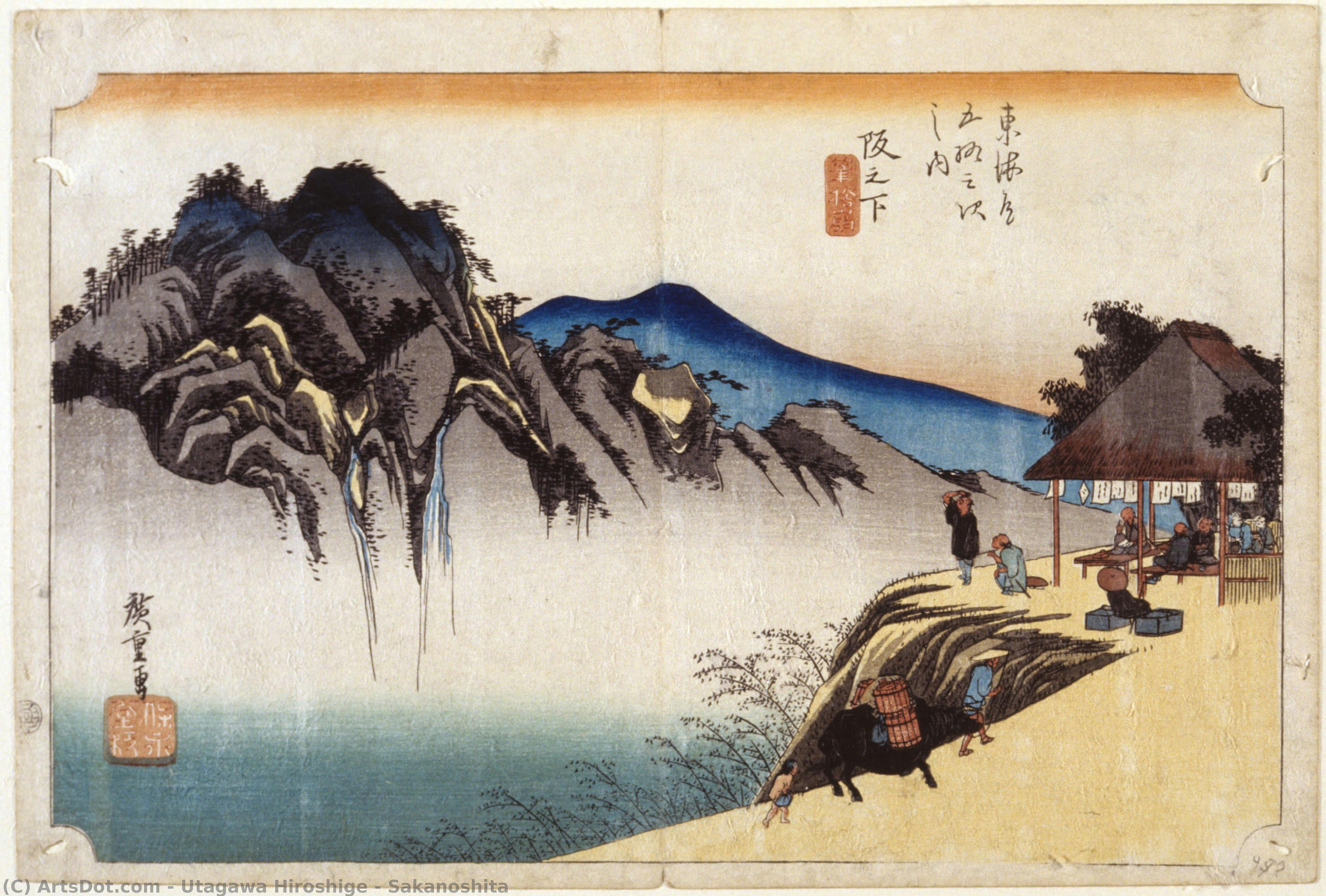
Sakanoshita


Experience Hiroshige's 'Sakanoshita': A stunning ukiyo-e print capturing the rugged beauty of the Tōkaidō road & Fudesute Mountain. Explore Edo Japan's poetic landscapes!
 Περισσότερα
Ο Χρησθέας Χιροσίγκε (1797-1858) ήταν ο τελευταίος μεγάλος μάστορας της ιαπωνικής τέχνης ukiyo-e, γνωστός για τα ποιητικά τοπία του, όπως οι "53 Σταθμοί του Τόκαϊδο", που επηρέασαν σημαντικά την δυτική τέχνη.
Giclée / Εκτυπώσεις Τέχνης
Εκτύπωση giclée ή σε καμβά ποιότητας μουσείου με γρήγορη παραγωγή και ευέλικτες επιλογές φινιρίσματος. ( Αγορά χειροποίητου πίνακα Μετάβαση σε Ψηφιακή Αποτέλεσμα)




P118B €10

P118H €10

P118W €10

P438Z €10

P508JH €12

P508YH €12

P805H €10

P805Z €10

P919BZ €10

P919G €10

P919XJ €10

P959ZH €10

P968JZ €12

W106C €8

W218G €10

W218JH €8

W218Y €10

W307PJ €10

W316G €10

W316PJ €8

W316Y €10

W398PJ €8

W4111J €10

W500HY €15

W500JH €15

W692G €12

W849H €8

W940BG €15

W953PJ €8




Πρότυπο
κατόπιν παραγγελίας
CM
INCH
Επιλέξτε από τις προκαθορισμένες διαστάσεις μας που διατηρούν τις αρχικές αναλογίες του έργου τέχνης.
Loading sizes...

πλάτος
ύψος
Εισάγετε το πλάτος και το ύψος που επιθυμείτε, ώστε να ταιριάζουν στο κάδሮ ή στον τοίχο σας. Μια εκτύπωση μπορεί μόνο να υποστεί κοψίμό και ποτέ να μην γίνει μεγαλύτερη από την αρχική εικόνα, επομένως η επιλογή μεγέθους με διαφορετικό σχήμα συνεπάγεται απώλεια ενός μέρους της εικόνας. Σας στέλνουμε ένα ψηφιακό mockup για έγκριση πριν προχωρήσουμε σε οποιαδήποτε εκτύπωση. Η εικόνα που εμφανίζεται σε αυτή τη σελίδα δεν δείχνει την πραγματική κοπή — μόνο το mockup την παρουσιάζει.
Παγκόσμια Αποστολή () σε 2 εβδομάδες αντί για τις συνήθεις 4/5 εβδομάδες. (2 Νοέμβριος)

Δωρεάν γρήγορη διεθνής αποστολή

Κάμβας από Λινό Υψηλής Ποιότητας

Πλήρης ασφάλιση μεταφοράς

Εγγύηση επιστροφής δασμών και φόρων εισαγωγής

Εγγύηση Απόλυτης Ομοιότητας Χρωμάτων

Πολιτική Επιστροφής 100 Ημερών (Μόνο σε περίπτωση ελαττωμάτων)

Εγγύηση επιστροφής 100% των χρημάτων

Προσφορά για πολλαπλές παραγγελίες
 Η επιλογή με γυαλί είναι διαθέσιμη μόνο για μεγέθη κάτω από 110 εκ.

Sakanoshita
Giclée / Εκτυπώσεις Τέχνης
Διαστάσεις Αναπαραγωγής
-


Τελική Τιμή
€ 61
A Poetic Glimpse of Edo Japan: Exploring Utagawa Hiroshige's "Sakanoshita"
Utagawa Hiroshige’s “Sakanoshita,” part of his renowned series The Fifty-three Stations of the Tōkaidō, offers more than just a scenic view; it provides a window into the heart of Edo period Japan. This evocative woodblock print captures a moment in time along one of the nation's most vital trade routes, transforming a practical thoroughfare into a landscape imbued with profound beauty and subtle narrative. The scene unfolds near Sakanoshita, a particularly challenging stretch of the Tōkaidō road known for its steep inclines and rugged terrain – a reality reflected in Hiroshige’s masterful depiction.
The Journey and the Landscape: Context and Technique
Completed during the Edo period (1603-1868), a time of relative peace and prosperity under the Tokugawa shogunate, “Sakanoshita” reflects a burgeoning interest in travel and landscape art. The Tōkaidō itself was more than just a road; it was a lifeline connecting Edo, the political heart of Japan, with Kyoto, its former imperial capital. Hiroshige’s series documented this journey, not merely as a geographical record but as an exploration of the emotional and aesthetic experiences encountered along the way. The print exemplifies ukiyo-e, meaning "pictures of the floating world," a genre that celebrated everyday life, landscapes, and popular culture. Hiroshige's approach within this tradition was particularly poetic, moving beyond simple representation to capture atmosphere and feeling. His technique involved meticulous carving on woodblocks by skilled artisans, followed by multiple layers of color printing—a process demanding precision and artistry. The subtle gradations of blue and green, achieved through the skillful application of bokashi (color gradation), create a sense of depth and distance that draws the viewer into the scene.
Symbolism in Stone and Shadow: A Narrative Unfolds
Beyond its visual appeal, “Sakanoshita” is rich with symbolic meaning. The towering presence of Fudesute-yama, or "Brush-Discarding Mountain," dominates the composition. Legend has it that a frustrated painter, unable to capture the mountain's beauty, threw his brush away in despair – a poignant reminder of the limitations of human artistry and the overwhelming power of nature. The travelers depicted on the winding path represent the constant flow of life along the Tōkaidō—merchants, pilgrims, government officials—all engaged in their own journeys. Their small size relative to the landscape emphasizes humanity’s place within a vast and timeless world. Even the dog accompanying one of the figures adds a touch of domesticity and companionship amidst the ruggedness of the terrain. The overall impression is not merely of a scenic view but of a microcosm of Edo period society, interwoven with the grandeur of the natural world.
An Enduring Legacy: Emotion and Influence
Hiroshige’s “Sakanoshita” resonates deeply because it transcends mere representation; it evokes a feeling—a sense of quiet contemplation, perhaps tinged with melancholy. The atmospheric perspective, the subtle color palette, and the carefully composed arrangement of elements all contribute to an emotional richness that continues to captivate viewers today. The print’s influence extended far beyond Japan, profoundly impacting Western artists like Vincent van Gogh and Claude Monet, who were captivated by its innovative compositions and poetic sensibility. It stands as a testament to Hiroshige's genius—a master of capturing the fleeting beauty of the natural world and transforming it into an enduring work of art.
Ερωτήσεις και Απαντήσεις
Είναι τα χρώματα του έργου "Sakanoshita" του Ο Χρησώγης έντονα ή θαμπά;
Η παλέτα του "Sakanoshita" έχει Subtle Color σε κορεσμό.
Ποιο χρώμα κυριαρχεί στη σύνθεση του έργου "Sakanoshita" του Ο Χρησώγης;
Το Putty (#e6ddc9) είναι το κυρίαρχο χρώμα του έργου "Sakanoshita" του Ο Χρησώγης.
Πού μπορώ να αγοράσω μια χειρόγραφα ζωημένη αναπαραγωγή του "Sakanoshita" του Ο Χρησώγης;
Μπορείτε να παραγγείλετε μια χειρόγραφα ζωημένη αναπαραγωγή του έργου "Sakanoshita" του Ο Χρησώγης απευθείας από τη σελίδα Αντιγραφή με Χειρόχειρο Ζωγράφισμα: αναπαραγωγή με ζωγραφισμένο με λάδι σε καμβά λινου, κατασκευασμένη κατόπιν παραγγελίας.
Βιογραφικό Καλλιτέχνη
A Poetic Vision of Edo Japan: The Life and Art of Utagawa Hiroshige
Utagawa Hiroshige, γεννημένος Andō Tokutarō το 1797 στην πολυσύχνα πόλη του Εντο (σύγχρονο Τόκιο), αποτελεί μια καθοριστική φιγούρα στον κόσμο του *ukiyo-e*, ή “εικόνων του πλανήτη που επιπλέει”. Παρά τις βαθιές ρίζες του στις παραδόσεις της ιαπωνικής εκτύπωσης ξύλων, ο Χιροσίγε υπερέβη την απλή αναπαραγωγή, ενσωματώνοντας τη δική του ποιητική αίσθηση στην απεικόνιση των τοπίων του, η οποία αντηχούσε βαθιά τόσο στην Ιαπωνία όσο και αργότερα σε ολόκληρο τον δυτικό κόσμο της τέχνης. Η ζωή του διαδραματίστηκε κατά τη διάρκεια μιας περιόδου σχετικής ειρήνης και ευημερίας υπό την κυριαρχία του σογκούματος Tokugawa, ωστόσο ήταν επίσης μια εποχή που χαρακτηριζόταν από αυξανόμενες κοινωνικές αλλαγές και τελική δυτικοποίηση – δυνάμεις που συνέβαλαν τελικά στην παρακμή του *ukiyo-e*, παρά το γεγονός ότι ενίσχυσαν την διαρκή κληρονομιά του. Αρχικά προοριζόμενος σε ένα πιο συμβατικό μονοπάτι μέσα σε μια σαμουράι οικογένεια – ο πατέρας του υπηρέτησε ως πυροσβέστης, ο Χιροσίγε οδηγήθηκε από τις καλλιτεχνικές του τάσεις στην εκπαίδευση υπό τον Utagawa Toyohiro, έναν μάγο του σχολείου Utagawa. Αυτό αποδείχθηκε μια κρίσιμη στροφή, οδηγώντας τον μακριά από τις δημοφιλείς απεικονίσεις ημιτελών γυναικών και ηθοποιών που προτιμούσαν πολλοί καλλιτέχνες *ukiyo-e*, προς ένα εστίαση στα τοπία, ένα είδος στο οποίο τελικά αναδιαμόρφωσε.Από Σκηνές Γενεών σε Εντυπωσιακά Τοπία
Τα πρώτα έργα του Χιροσίγε συμμορφώνονταν με τις συμβάσεις του σχολείου του, παρουσιάζοντας πορτρέτα και σκηνές από την καθημερινή ζωή. Ωστόσο, η υιοθέτησή του των τοπίων ήταν αυτό που τον ξεχώρισε πραγματικά. Επηρεαζόμενος από προηγούμενους μάστες όπως ο Hokusai – οι δέκα εξακόσιες “Θέασεις του Όρους Fuji” είχαν ήδη εντυπωσιάσει το κοινό, ο Χιροσίγε ανέπτυξε ένα μοναδικό στυλ που χαρακτηριζόταν από ατμοσφαιρική προοπτική, διακριτά παλέτες χρωμάτων και μια βαθιά ευαισθησία στις μεταβαλλόμενες εποχές. Δεν απεικόνισε απλώς μέρη, αλλά έφερε την ψυχολογία τους, καταγράφοντας την ουσία μιας συγκεκριμένης στιγμής στο χρόνο. Η σειρά *Οι πενήντα τρεις στάσεις του Tōkaidō* (1833–1834), ίσως το πιο διάσημο επίτευγμά του, τεκμηρίωσε το ταξίδι κατά μήκος του δρόμου Tōkaidō, της κύριας διαδρομής που συνέδεε το Εντο με την Κυότο, όχι ως μια απλή ταξιδιωτική ιστορία, αλλά ως μια σειρά από εντυπωσιακές σκηνές – μια ξαφνική βροχή στο Shono, μια μακρινή θέα του Όρους Fuji από το Kanaya, η πολυσύχναση στο Odawara. Κάθε εκτύπωση είναι γεμάτη με μια αίσθηση μεταβλητότητας και ήρερης ομορφιάς, προσκαλώντας τους θεατές να βιώσουν το ταξίδι μαζί με τους ταξιδιώτες. Έφερε με επιτυχία σε εφαρμογή την τεχνική *bokashi*, μια τεχνική που περιλαμβάνει πολλαπλές εκτυπώσεις για τη δημιουργία διακριτών βαθμίδων χρωμάτων, προσθέτοντας βάθος και ατμόσφαιρα στις συνθέσεις του.Μέγιστος Έκφρασης Ατμόσφαιρας και Τεχνικής
Η τεχνική δεξιά του Χιροσίγε ήταν εξίσου αξιοσημείωτη με το καλλιτεχνικό του όραμα. Δεν ενδιαφερόταν απλώς για την ακριβή αναπαράσταση, αλλά έψαχε να αποτυπώσει την *αίσθηση* ενός τόπου. Η χρήση του χρώματος, αν και συχνά περιορισμένη σε σύγκριση με ορισμένους από τους συμπολίτες του, ήταν κρίσιμη για την επίτευξη αυτού του αποτελέσματος. Συχνά χρησιμοποιούσε πολλαπλά μπλοκ για ένα μόνο χρώμα, επιτρέποντάς του να δημιουργήσει λεπτομερείς αποχρώσεις και ατμοσφαιρικές εφέ που ήταν δύσκολο να αναπαραχθούν. Οι απαλές αποχρώσεις του γακριού στις απεικονίσεις της βροχής ή του τυφώνα, οι ζεστές αποχρώσεις των φθινοπωρινών φυλλώδων – αυτά δεν ήταν τυχαία, αλλά προσεκτικά μελετημένα στοιχεία που σχεδιάστηκαν για να προκαλέσουν συγκεκριμένα συναισθήματα και αισθήσεις. Πέρα από το *bokashi*, ο Χιροσίγε ήταν ικανός στη χρήση του κενό – *ma*, μια έννοια κεντρική στην ιαπωνική αισθητική, επιτρέποντας σε περιοχές της εκτύπωσης να “αναπνέουν” και ενισχύοντας την συνολική αίσθηση ηρεμίας. Η σειρά *Εκατό Γνωστές Θέασεις του Εντο* (1856–1858) επέδειξε περαιτέρω τη μαεστεία του, προσφέροντας ειλικρινείς εικόνες της καθημερινής ζωής στην αγαπημένη του πόλη.Η Διαρκής Κληρονομιά: Japonisme και πέρα από αυτό
Παρά το γεγονός ότι η παράδοση *ukiyo-e* άρχισε να φθίνει μετά τον θάνατο του Χιροσίγε το 1858 – μια παρακμή επιταγμένη από την Μεيجي Επαναστασία και την επόμενη εισροή δυτικών πολιτισμών, η επιρροή του απέδειξε ότι ήταν εξαιρετικά διαρκής στον κόσμο της τέχνης. Τη δεκαετία του 1880, οι ιαπωνικές εκτυπώσεις πλημμύρισαν την Ευρώπη, πυροδοτώντας ένα φαινόμενο που ονομάστηκε *Japonisme*. Καλλιτέχνες όπως ο Édouard Manet, ο Claude Monet και ο Edgar Degas εντυπωσιάστηκαν από τις τολμηρές συνθέσεις, τις επίπεδες προοπτικές και τις μη συμβατικές παλέτες χρωμάτων των *ukiyo-e*, ενσωματώνοντας αυτά τα στοιχεία στη δική τους τέχνη. Ο Vincent van Gogh ήταν ιδιαίτερα γοητευμένος από τις εκτυπώσεις του Χιροσίγε, δημιουργώντας αντιγράφους πολλών από αυτές, συμπεριλαμβανομένου του "Plum Park in Kameido", αποδεικνύοντας τον βαθύ θαυμασμό του για την ιαπωνική μαεστεία. Η επιρροή του Χιροσίγε επεκτάθηκε πέρα από τη ζωγραφική και φαίνεται στην αρχιτεκτονική, το σχέδιο και ακόμη και τη λογοτεχνία. Σήμερα, ο Utagawa Hiroshige θυμίζεται όχι μόνο ως ένας λαμπρός καλλιτέχνης αλλά και ως ένας πολιτιστικός πρεσβευτής που βοήθησε να γεφυρωθεί το χάσμα μεταξύ Ανατολής και Δύσης, αφήνοντας ανεξίτηλο σημάδι στην ιστορία της τέχνης. Τα ονειρικά του τοπία συνεχίζουν να εμπνέουν θαυμασμό
Ο Χρησώγης
1797 - 1858 , Ελλάδα
Γρήγορα στοιχεία
- Artistic Movement Or Style: *Ukiyo-e*
- Artists Or Movements Influenced By This Artist:
- Manet
- Monet
- Artists Who Influenced This Artist: ['Hokusai']
- Date Of Birth: 1797
- Date Of Death: 1858
- Full Name: Utagawa Hiroshige
- Nationality: Ιαπωνικός
- Notable Artworks:
- Fifty-three Stations
- One Hundred Views
- Place Of Birth: Τόκιο, Ιαπωνία
Σχετικά άρθρα

Floating Worlds: The Timeless Elegance and Cultural Magic of Ukiyo-e Art
Embark on a cultural journey through the enchanting world of Ukiyo-e. Discover the history, masters like Hokusai, and the vibrant Edo period aesthetics that continue to inspire art lovers worldwide with their timeless beauty and intricate woodblock craftsmanship.
Εξερευνήστε έργα τέχνης ταξινομημένα ανά θέμα, στυλ και χαρακτηριστικά.