


 Προεπισκόπηση
 Αποστολή
 Κοινοποίηση
 Λεπτομέρειες
 Οδηγός

 Λήψη
Λήψη
 Παρόμοια αντικείμενα συλλογής
 Ακτινογραφία
 Παρουσίαση
 Στατιστικά
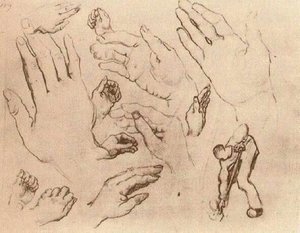
Hands


 Περισσότερα λεπτομέρεια
Βινσέντ βαν Γκογκ (1853-1890): Ανακαλύψτε τη ζωή και την τέχνη του Ολλανδού δασκάλου του Μετα-Επιρρησιανισμού πίσω από το 'Άστροβασίλειο' και τα 'Λουλούδια'. Ανακαλύψτε το τολμηρό στυλ και την επίδρασή του στη σύγχρονη τέχνη.
Giclée / Εκτυπώσεις Τέχνης
Εκτύπωση giclée ή σε καμβά ποιότητας μουσείου με γρήγορη παραγωγή και ευέλικτες επιλογές φινιρίσματος. ( Αγορά χειροποίητου πίνακα Μετάβαση σε Ψηφιακή Εικόνα)




P118B €10

P118H €10

P118W €10

P438Z €10

P508JH €12

P508YH €12

P805H €10

P805Z €10

P919BZ €10

P919G €10

P919XJ €10

P959ZH €10

P968JZ €12

W106C €8

W218G €10

W218JH €8

W218Y €10

W307PJ €10

W316G €10

W316PJ €8

W316Y €10

W398PJ €8

W4111J €10

W500HY €15

W500JH €15

W692G €12

W849H €8

W940BG €15

W953PJ €8




Πρότυπο
κατόπιν παραγγελίας
CM
INCH
Επιλέξτε από τις προκαθορισμένες διαστάσεις μας που διατηρούν τις αρχικές αναλογίες του έργου τέχνης.
Loading sizes...

πλάτος
ύψος
Πληκτρολογήστε το πλάτος και το ύψος που επιθυμείτε, ώστε να ταιριάζουν στο κάδሮ ή στον τοίχο σας. Μια εκτύπωση μπορεί μόνο να κοπεί και ποτέ να μην γίνει μεγαλύτερη από την εικόνα, επομένως ένα μέγεθος με διαφορετικό σχήμα συνεπάγεται απώλεια ενός μέρους της εικόνας. Σας στέλνουμε ένα ψηφιακό mockup για έγκριση πριν εκτυπώσουμε οτιδήποτε. Η εικόνα που εμφανίζεται σε αυτή τη σελίδα δεν δείχνει την πραγματική κοπή — μόνο το mockup την παρουσιάζει.
Παγκόσμια Αποστολή () σε 2 εβδομάδες αντί για τις συνήθεις 4/5 εβδομάδες. (23 Οκτώβριος)

Δωρεάν γρήγορη διεθνής αποστολή

Κάμβας από Λινό Υψηλής Ποιότητας

Πλήρης ασφάλιση μεταφοράς

Εγγύηση επιστροφής δασμών και φόρων εισαγωγής

Εγγύηση Απόλυτης Ομοιότητας Χρωμάτων

Πολιτική Επιστροφής 100 Ημερών (Μόνο σε περίπτωση ελαττωμάτων)

Εγγύηση επιστροφής 100% των χρημάτων

Έκπτωση για πολλαπλές παραγγελίες
 Η επιλογή με γυαλί είναι διαθέσιμη μόνο για μεγέθη κάτω από 110 εκ.

Hands
Giclée / Εκτυπώσεις Τέχνης
Διαστάσεις Αναπαραγωγής
-


Συνολικό Κόστος
€ 61
Hand with a Pot, the Knob of a Chair and a Hunk of Bread
Vincent van Gogh’s “Hand with a Pot, the Knob of a Chair and a Hunk of Bread,” created in December 1884-May 1885 during his stay in Nuenen, Netherlands, stands as a testament to Van Gogh's unwavering dedication to capturing the essence of rural life and conveying profound emotional depth. This unassuming sketch—a seemingly simple depiction of domestic objects—holds within it layers of artistic innovation and symbolic resonance that continue to captivate viewers today.
Executed in chalk on paper, measuring 12.4 cm x 7.5 cm, “Hand with a Pot” exemplifies Van Gogh’s signature style: Realism blended seamlessly with Impressionistic influences. Unlike the polished surfaces of many contemporary artists, Van Gogh employed thick impasto—a technique characterized by applying paint in textured strokes—to imbue the artwork with palpable physicality and immediacy. The artist meticulously rendered the contours of the hand, chair knob, and bread crumb, prioritizing accuracy and detail while simultaneously channeling his inner feelings into every brushstroke.
The historical context surrounding this piece is crucial to understanding its significance. Van Gogh was grappling with personal struggles during this period—depression, anxiety, and familial tensions—and sought solace in observing the everyday routines of peasant life. Nuenen, a village known for its potato farming community, served as an inspiration for his artistic endeavors. “Hand with a Pot” reflects not merely a visual representation but also a psychological portrait of Van Gogh’s inner state—a yearning for stability amidst turbulent circumstances.
Symbolically, the hand itself represents labor, resilience, and connection to the earth. The pot symbolizes nourishment and sustenance, mirroring the agricultural pursuits of Nuenen's inhabitants. Even the humble chair knob speaks volumes about domestic comfort and familiarity. Through these carefully chosen objects, Van Gogh conveys a sense of quiet contemplation and understated emotion—a poignant reminder of the beauty found in simplicity.
“Hand with a Pot” is more than just a sketch; it’s a window into Van Gogh's soul. Its textured surface invites viewers to engage with its materiality, while its subtle symbolism encourages reflection on themes of human experience and connection to nature. Today, reproductions of this masterpiece offer an opportunity to appreciate the enduring power of Impressionistic technique combined with unflinching emotional honesty—a legacy that cements Van Gogh’s place as one of art history's most influential figures.
Ερωτήσεις & Απαντήσεις
Πώς είναι δομημένη η χρωματική σύνθεση του "Hands" του Βίνσεντ Βαν Γκογκ;
Η χρωματική ανάλυση του έργου "Hands" του Βίνσεντ Βαν Γκογκ καταγράφει μια Serene αντίθεση και μια Unified Palette αρμονία.
Πώς συνδέεται το θέμα του "Hands" με τα συνηθισμένα θέματα του Βίνσεντ Βαν Γκογκ;
Τα επαναλαμβανόμενα θέματα του/της Βίνσεντ Βαν Γκογκ περιλαμβάνουν το/την symbolic gesture, human connection, emotional expression, rural life, artist’s introspection; το/η "Hands" εστιάζει στο/στην hands, sketch, arm, botanical, rural, emotion, texture.
Σε ποια χρονιά και σε ποιο καλλιτεχνικό ρεύμα δημιουργήθηκε το "Hands";
Το έργο "Hands" του Βίνσεντ Βαν Γκογκ χρονολογείται στο 1885 και ανήκει στο Post-Impressionism.
Παρόμοια Έργα Τέχνης




Βιογραφικό Καλλιτέχνη
A Life Painted in Emotion: The World of Vincent van Gogh
Vincent Willem van Gogh, ένα όνομα συνυφασμένο με πάθος καλλιτεχνικής έκφρασης και τρεπτική ευφυΐα, παραμένει μια από τις πιο αναγνωρίσιμες και αγαπημένες μορφές της δυτικής τέχνης. Γεννήθηκε στις 30 Μαρτίου 1853 στο Groot-Zundert, Ολλανδία, το ταξίδι του δεν ήταν μια άμεση αναγνώριση αλλά μια αργή καύσωνα αφοσίωσης, αγωνίας και τελικά, βαθιάς επιρροής. Ο μεγαλύτερος από έξι παιδιά που γεννήθηκαν σε έναν πρεσβύτερο ιερέα, Theodorus van Gogh, η παιδική του εποχή ήταν βαθιά ριζωμένη στην θρησκευτική διαστολή, μια αίσθηση που θα διεισδύσει υποβόθυα στο μεγαλύτερο μέρος της μεταγενέστερης δουλειάς του. Παρά την έμφυτη τάση προς το σκίτσο από νεαρή ηλικία, ο δρόμος του δεν ήταν άμεσα σαφής: διερεύνησε διάφορες καλέσεις – πωλητής τέχνης, δάσκαλος και αποστολός – πριν δεσμευτεί πλήρως για την καλλιτεχνική ζωή. Αυτές οι εμπειρίες, αν και φαινομενικά άσχετες, απέδειξαν ότι ήταν διαμορφωτικές, ενσταλάζοντας σε αυτόν μια βαθιά ενσυναίσθηση για την εργατική τάξη και ένα βαθύ πνευματικό ζήτημα που θα γίνονταν χαρακτηριστικά της καλλιτεχνικής του όρασης. Πρώιμες επιρροές περιελάμβαναν τους Ολλανδούς Μάστερς όπως ο Ρέμπραντ, ο Φρανς Χάλς, οι οποίοι χρησιμοποίησαν με μαεστρία το φως και τις σκιές, καθώς και σύγχρονους Γάλλους ζωγράφους όπως ο Ζαν-Φρεισ Μίλε και ο Καμίλ Κορό, που απεικόνισαν σκηνές της αγροτικής ζωής με μια πικρή ρεαλιστική προσέγγιση.Από Σκοτάδι στο Φως: Ανάπτυξη Τέχνης και Στυλ
Η σοβαρή αφοσίωση του Van Gogh στην ζωγραφική ξεκίνησε περίπου το 1880, κυρίως αυτοδίδακτος, κινούμενος από μια εσωτερική ανάγκη να εκφράσει τον κόσμο όπως τον αντιλαμβανόταν. Τα πρώτα του έργα αντικατοπτρίζουν την συμπόνια του για τους περιθωριακούς, εστιάζοντας στις ζωές των αγροτών και των εργαζομένων – παραδείγματα είναι τα The Potato Eaters. Αυτά τα πρώιμα έργα χαρακτηρίζονται από σκούρα, γήινα χρώματα και μια άρρηκτη, σχεδόν βίαιη ειλικρίνεια που επιδίωκε να αποτυπώσει την δυσκολία και τη μεγαλοσύνη της αγροτικής ύπαρξης. Μια καθοριστική στιγμή ήταν η μετακόμιση του στο Παρίσι το 1886, όπου εκτέθηκε στον ζωντανό κόσμο της Ενταρκιστικής και Μετά-Ενταρκιστικής τέχνης. Αυτή η συνάντηση μεταμόρφωσε τον ίδιο, εισάγοντας πιο φωτεινά χρώματα στην παλέτα του και ενθαρρύνοντας πειραματισμούς με νέες τεχνικές. Έμαθε από καλλιτέχνες όπως ο Μονέ, ο Ρενώρ και ο Πισαρό, αλλά ποτέ δεν υιοθέτησε πλήρως το στυλ τους: αντίθετα, διηύθυνε τον δικό του μοναδικό δρόμο. Το χαρακτηριστικό του στυλ του αναπτύχθηκε γρήγορα και έγινε αμέσως αναγνωρίσιμο για τα έντονα χρώματα, την εκφραστική χάραξη και την συναισθηματική ένταση. Ο Van Gogh δεν απλά *αντιπροσώπευσε* την πραγματικότητα: επιδίωκε να μεταφέρει το συναίσθημα της ύπαρξης μέσα του, χρησιμοποιώντας impasto – πυκνές στρώσεις χρώματος – για να δημιουργήσει υφή και να ενσαρκώσει μια αισθητή ενέργεια στις καμβάδες του. Αυτή η τεχνική δεν ήταν απλώς αισθητική: ήταν ένα αναπόσπαστο μέρος της εκφραστικής του γλώσσας, επιτρέποντάς του να μεταφέρει εσωτερικές αναταράξεις και εκστατικές χαρές στον καμβά.Περιοχές Έντασης: Βασικά Έργα και Καλλιτεχνικές Φάσεις
Η καλλιτεχνική πορεία του Van Gogh μπορεί να χωριστεί γενικά σε διακριτές φάσεις, καθένα από τις οποίες χαρακτηρίζεται από μοναδικά χαρακτηριστικά και σημαντικά έργα. Η Ολλανδική Περίοδος (1880-1886), όπως αναφέρθηκε, οριοθετήθηκε από σκούρα χρώματα και απεικονίσεις της αγροτικής ζωής. Η επόμενη Παριζιάνικη Περίοδος (1886-1888) είδε μια δραματική μετατόπιση προς πιο φωτεινά χρώματα και πειραματισμούς με ενταρκιστικές τεχνικές. Ωστόσο, κατά τη διάρκεια της Περιόδου Arles (1888-1889), στην νότια Γαλλία, ο Van Gogh έφτασε σε κορύφωση της δημιουργικής του έντασης. Περιτριγυρισμένος από το λαμπερό φως και τις ζωντανές τοπίες της Προβηγκίας, δημιούργησε μερικά από τα πιο εμβληματικά έργα του: Sunflowers, The Night Café και Starry Night Over the Rhône. Αυτά τα έργα δεν είναι απλώς απεικονίσεις σκηνών: είναι συναισθηματικές τοπίες, γεμάτες ζωή και ενσαρκώνουν μια ανάγκη. Η χαρακτηριστική του τεχνική, η χρήση έντονων χρωμάτων και η εκφραστική χάραξη, επηρέασαν σημαντικά την ανάπτυξη της Ενταρκιστικής τέχνης στην σύγχρονη ιστορία της τέχνης.Ένα Κληρονομημένο από τον Πόνο: Επιτεύγματα και Ιστορική Σημασία
Παρά το γεγονός ότι αντιμετώπισε απόρριψη και αγωνία κατά τη διάρκεια της ζωής του, ο Van Gogh δημιούργησε πάνω από 2.100 έργα τέχνης σε λιγότερο από μια δεκαετία – περίπου 860 λαρυξ. Αυτή η εκπληκτική παραγωγή είναι μαρτυρία της ακλόνητης αφοσίωσης και της συνεχιζόμενης δημιουργικής του δύναμης. Θαυμάσια, κατά τη διάρκεια της ζωής του, μόνο ένα έργο τέχνης – το The Red Vineyard – πουλήθηκε. Η αναγνώριση ήρθε μεταθύστερα, αργά στην αρχή και με αυξανόμενη δυναμική στις αρχές του 20ου αιώνα. Το έργο του είχε μια βαθιά επιρροή στην ανάπτυξη της σύγχρονης τέχνης, ιδιαίτερα της Ενταρκιστικής και της Φαυβιστικής, εμπνέοντας καλλιτέχνες να δώσουν προτεραιότητα στην συναισθηματική έκφραση έναντι της ρεαλιστικής αναπαράστασης. Η τολμηρή χρήση του χρώματος, οι παραμορφωμένες μορφές και η εκφραστική χάραξη ανοίγουν τον δρόμο για νέες καλλιτεχνικές δυνατότητες. Σήμερα, τα έργα του Van Gogh είναι μερικά από τα πιο αναγνωρίσιμα και πολύτιμα έργα τέχνης στον κόσμο, κατακλύζοντας ρεκόρ τιμών σε δημοπρασίες και προσελκύοντας εκατομμύρια επισκέπτες στα μουσεία
Βίνσεντ Βαν Γκογκ
1853 - 1890 , Ολλανδία
Στοιχεία καλλιτέχνη
- Artistic Movement Or Style: Post-Impressionιστής
- Artists Or Movements Influenced By This Artist:
- Εκφρατισμός
- Φαβισμός
- Artists Who Influenced This Artist:
- Ρεμбранτς
- Μιλέ
- Κωρό
- Date Of Birth: 30 Μαρτίου 1853
- Date Of Death: 29 Ιουλίου 1890
- Full Name: Vincent Willem van Gogh
- Nationality: Ολλανδός
- Notable Artworks:
- Οι Φτέρες
- Τα Λουλούδια
- Η Νύχτα Πλούσια Στα Άστρα
- Place Of Birth: Zundert, Ολλανδία
Σχετικά άρθρα

Beyond the Light: Capturing Raw Emotion and Subjective Vision in Post-Impressionist Landscapes
Explore the profound emotional depth of Post-Impressionist landscapes. Discover how masters like Van Gogh moved beyond light to capture raw human feeling through vibrant color and expressive texture in this expert art history retrospective.

The Soul of the Brushstroke: Decoding Van Gogh's Emotional Impasto
Explore the profound emotional depth of Van Gogh's impasto technique. Discover how his sculptural brushstrokes and textured oil layers define Post-Impressionism through an expert art-historical lens, perfect for discerning collectors and fine art enthusiasts.
Εξερευνήστε έργα τέχνης ταξινομημένα ανά θέμα, στυλ και χαρακτηριστικά.


