


 Προεπισκόπηση
 Αποστολή
 Κοινοποίηση
 Λεπτομέρειες
 Οδηγός

 Λήψη
Λήψη
 Παρόμοια αντικείμενα συλλογής
 Ακτινογραφία
 Παρουσίαση
 Στατιστικά
Camp Fire


Experience Winslow Homer's 'The Northeaster,' a stunning watercolor capturing the raw power of the ocean and its dramatic beauty. A masterpiece from 1883, now at the Brooklyn Museum.
 Περισσότερα λεπτομέρεια
Ο Winslow Homer (1836-1910): Εξερευνήστε τον εμβληματικό Αμερικανό Ρεαλιστή και τα έργα του με τη δύναμη των ωκεανών και της αμερικανικής φύσης. Ανακαλύψτε το «Σπογγισμός Νάουσας» και άλλα κλασικά έργα τέχνης.
Χειροποίητη Αναπαραγωγή σε Έλαιο
Χειροποίητη ελαιογραφία σε καμβά στο δικό σας μέγεθος και πλαίσιο, κατά παραγγελία από τους καλλιτέχνες μας. ( Μετάβαση σε Εκτυπώσεις Μετάβαση σε Ψηφιακή Εικόνα)




P118B €10

P118H €10

P118W €10

P438Z €10

P508JH €12

P508YH €12

P805H €10

P805Z €10

P919BZ €10

P919G €10

P919XJ €10

P959ZH €10

P968JZ €12

W106C €8

W218G €10

W218JH €8

W218Y €10

W307PJ €10

W316G €10

W316PJ €8

W316Y €10

W398PJ €8

W4111J €10

W500HY €15

W500JH €15

W692G €12

W849H €8

W940BG €15

W953PJ €8




Πρότυπο
κατόπιν παραγγελίας
CM
INCH
Επιλέξτε από τις προκαθορισμένες διαστάσεις μας που διατηρούν τις αρχικές αναλογίες του έργου τέχνης.
Loading sizes...

πλάτος
ύψος
Πληκτρολογήστε το πλάτος και το ύψος που επιθυμείτε, ώστε να ταιριάζουν στο κάδሮ ή στον τοίχο σας. Ε เนื่องจาก πρόκειται για χειροποίητη ζωγραφική, σε περίπτωση διαστάσεων με διαφορετικό σχήμα, ο καλλιτέχνης μπορεί να ζωγραφίσει λίγο παραπάνω γύρω από το έργο ή να αφαιρέσει ένα μέρος — η επιλογή είναι δική σας. Σας στέλνουμε ένα ψηφιακό mockup για έγκριση πριν ξεκινήσει η δημιουργία του έργου. Η εικόνα που εμφανίζεται σε αυτή τη σελίδα δεν δείχνει το τελικό αποτέλεσμα — μόνο το mockup το αναδεικνύει.
Παραδείγματα αλλαγών: Αντικατάσταση προσώπου με φωτογραφία του πελάτη· Προσθήκη κατοικίδιου (π.χ., αντικατάσταση γάτας με σκύλο)· Ενσωμάτωση κρυφού μηνύματος στο φόντο· Αλλαγή τοπίου ή στοιχείων του φόντου.
Μετά την παραγγελία, η ομάδα του TopImpressionists.com θα στείλει email στον πελάτη με οδηγίες και θα παρέχει μια προεπισκόπηση προσχεδίου
Μετά την παραγγελία, η ομάδα του TopImpressionists.com θα στείλει email στον πελάτη με οδηγίες και θα παρέχει μια προεπισκόπηση προσχεδίου
Παγκόσμια Αποστολή () σε 3-4 εβδομάδες αντί για τις συνήθεις 5 εβδομάδες. (21 Οκτώβριος). Χωρίς συμβιβασμούς στην ποιότητα.

Δωρεάν γρήγορη διεθνής αποστολή

Κάμβας από Λινό Υψηλής Ποιότητας

Πλήρης ασφάλιση μεταφοράς

Εγγύηση επιστροφής δασμών και φόρων εισαγωγής

Εγγύηση Απόλυτης Ομοιότητας Χρωμάτων

Πολιτική Επιστροφής 100 Ημερών (Μόνο σε περίπτωση ελαττωμάτων)

Εγγύηση επιστροφής 100% των χρημάτων

Έκπτωση για πολλαπλές παραγγελίες
 Η επιλογή με γυαλί είναι διαθέσιμη μόνο για μεγέθη κάτω από 110 εκ.

Camp Fire
Τεχνική Αναπαραγωγής
Διαστάσεις Αναπαραγωγής
-


Συνολικό Κόστος
€ 235
Camp Fire by Winslow Homer: A Study in Rustic Tranquility
Winslow Homer’s “Camp Fire,” completed around 1883 and currently residing at the Metropolitan Museum of Art, stands as a cornerstone of American Realism—a movement dedicated to portraying life accurately without romantic embellishment. More than just a depiction of a campfire scene, it's an exquisitely crafted meditation on solitude, companionship, and the profound connection between humanity and nature.
Subject Matter & Composition: Homer captures a quintessential moment of rural American life—a group of men gathered around a crackling fire in the Adirondack Mountains. Two dogs flank the central figure, adding warmth and visual interest to the composition. The artist’s keen eye meticulously observes details like backpacks strapped on shoulders and a simple wooden chair positioned near the hearth, subtly conveying the activity of hikers or campers.
Style & Technique: Homer employed watercolor with blotting and scraping—a technique that allowed him to achieve remarkable textural effects. As noted by fellow artist Henry William Brewer, Homer skillfully utilized resist—thin layers of wax applied to paper before painting—to define the contours of tree trunks. This method ensured precise lines while simultaneously creating a dense, textured surface where subsequent washes were applied. The artist meticulously scrubbed away the resist after drying, leaving visible fragments that contributed to the overall visual richness.
Historical Context & Symbolism: Painted during Homer’s prolific period exploring the Adirondacks, “Camp Fire” reflects the burgeoning interest in plein air painting and the Romantic fascination with wilderness landscapes. The campfire itself symbolizes warmth, comfort, and human connection—a refuge from the anxieties of urban life. Furthermore, the towering cedar tree serves as a powerful emblem of resilience and endurance, mirroring Homer’s own artistic vision.
Emotional Impact: Viewing “Camp Fire” evokes a palpable sense of serenity and contemplation. The subdued palette—dominated by browns, blues, and ochres—enhances the painting's atmosphere of quiet reflection. Homer’s masterful rendering captures not only the visual beauty of the scene but also its emotional resonance—a celebration of simple pleasures and the restorative power of nature.
Resources for Further Exploration: To delve deeper into Winslow Homer’s artistic legacy, visit The Metropolitan Museum of Art to examine “Camp Fire” alongside other iconic works from his oeuvre. Alternatively, explore the history of painting on Wikipedia: History of Painting. For a stunning watercolor reproduction, consider purchasing one at TopImpressionists.com.
Ερωτήσεις & Απαντήσεις
Τα χρώματα του έργου "Camp Fire" του Νάουσα είναι έντονα ή θαμπά;
Το χρώμα του έργου "Camp Fire" έχει κορεσμό Muted και ένταση Monochromatic.
Πώς είναι δομημένη η χρωματική σύνθεση του "Camp Fire" του Νάουσα;
Στο "Camp Fire", μια Gentle αντίθεση συζευγνύεται με μια Balanced Harmony αρμονία.
Ποια είναι η προτεινόμενη εκτύπωση για το "Camp Fire" - σε τι μέγεθος και σε ποια διάταση;
Μέγεθος Large, οριζόντια/κάθετη διάταξη Landscape: αυτή είναι η προτεινόμενη ρύθμιση εκτύπωσης για το έργο "Camp Fire" του Νάουσα.
Παρόμοια Έργα Τέχνης


Βιογραφικό Καλλιτέχνη
Winslow Homer: Ένας Ποιητής του Αμερικανικού Ονείρου
Winslow Homer, γεννημένος στο Βοστώνη το 1836, δεν σχήμασε από τις παραδοσιακές ευρωπαϊκές ακαδημίες τέχνης που διαμόρφωσαν πολλούς από τους συναδέλμους του. Αντίθετα, αναδύθηκε από μια ξεχωριστή αμερικανική εμπειρία, βαθιά ριζωμένη στην πρακτικότητα και την παρατήρηση. Το ταξίδι του ξεκίνησε όχι με μεγαλειώδη ιστορική σκηνή αλλά ως εμπορικός ζωγράφος στα δώδεκα του για το Harper's Weekly. Αυτή η πρώιμη εκπαίδευση ήταν καθοριστική, καλλιεργώντας μια εξαιρετική ικανότητα να αποτυπώνει σκηνές με σαφήνεια και λεπτομέρεια – δεξιότητες που θα γίνονταν χαρακτηριστικά της ώριμης τέχνης του. Δεν έμαθε προοπτική στο Παρίσι· έμαθε να *βλέπει* την Αμερική, τον λαό της και την εξελισσόμενη ιστορία της. Οι πολυσύλεπτες οδούς του Βοστώνης, η ήσυχη αξιοπρέπεια της αγροτικής Νέας Εγγαστείας ζωής ήταν οι πρώτοι θεματικοί του στόχοι, απεικονισμένοι με ακρίβεια που προερχόταν από την ανάγκη για τα μέσα μαζικής ενημέρωσης. Αυτή η βάση επέτρεψε τη μετάβαση στην ζωγραφική αρχικά σε υδατογραφία πριν ενθουσιαστεί πλήρως με τις εκφραστικές δυνατότητες της λάδι καις.Από Παράδοση στις Αποκαλύψεις της Φύσης
Οι πρώιμες ζωγραφιές του Homer απεικόνισαν ιδεακές σκηνές· παιδιά παίζουν, αγρότες περιποιούνται τους αγρούς τους, ήσυχοι στιγμές οικειότητας. Αυτές οι εργασίες ήταν γοητευτικές αλλά υποδήλωναν μια βαθύτερη καλλιτεχνική ευαισθησία που περίμενε να απελευθερωθεί. Ο καταλύτης για αυτή τη μεταμόρφωση ήταν αναμφίβολα ο Πόλεμος Αμερικής. Ως ανταποκριτής πολέμου στο Harper's Weekly ο Homer έγινε μάρτυρας πρώτο λόγο των βαρβαρικών πραγματικότητων της σύγκρουσης. Δεν επικεντρώθηκε σε ηρωικές μάχες ή μεγάλες στρατηγικές· αντίθετα κατέγραψε την καθημερινή ζωή στρατιωτών και πολιτών τις ήσυχες στιγμές πένθους και ανθεκτικότητας ανάμεσα στην αναρχία. Αυτή η εμπειρία άλλαξε βαθιά το καλλιτεχνικό του όραμα. Οι παραδοσιακές σκηνές έδωσαν τη θέση τους σε πιο προκλητικά θέματα· πολεμιστές που αγωνίζονται με τον τραυματισμό απελευθερωμένοι Αμερικανοί που πλοηγούνται έναν νέο κόσμο και η σκληρή ομορφιά τοπίων που έχουν αγγίξει την άσχημη κατάσταση. Ξεκίνησε να διερευνήσει θέματα αγώγου απομόνωσης και της ανθρώπινης ευθραύσης. Ο στυλ του επίσης εξελίχθηκε γίνοντας πιο τολμηρός και πιο άμεσος αντανακλώντας την σκληρή συναισθηματική επίδραση αυτού που είχε παρακολουθήσει.Μαζί με τον Πειρασμό της Φύσης και τις Αποκαλύψεις του Πολέμου
Η καλλιτεχνική τεχνική του Homer ήταν άμεσα αναγνωρίσιμη για την σταθερότητα και την υφή της. Δεν ενδιαφερόταν για περνάμενες εντυπώσεις· ήθελε να δημιουργήσει μια αίσθηση συγκεκριμένης πραγματικότητας στην καμβά. Οι λάδι καις του είναι χαρακτηριστικά μιας άμεσης προσέγγισης ζωγραφικής χωρίς την αναγκαιότητα να χρησιμοποιηθούν οι τεχνικές των ευρωπαίων καλλιτεχνών αλλά για να αποτυπωθεί η ουσία της χώρας του με αληθοφάνεια χωρίς ρομαντισμό ή ιδανισμό. Δεν είχε σκοπό να μιμηθεί τις ευρωπαϊκές παραδόσεις· ήθελε να δημιουργήσει τέχνη που ήταν μοναδική για την Αμερική αντανακλώντας τους τόπους της τον λαό της και τις προκλήσεις του. Η επιρροή των Ευρωπαίων καλλιτεχνών όπως οι Βαρμπιζόν ήταν σημαντική αλλά ο Homer κατάφερε να δημιουργήσει ένα έργο τέχνης που ήταν μοναδικό για την Αμερική αντανακλώντας τον τόπο της τον λαό της και τις προκλήσεις του. Η καλλιτεχνική του τεχνική ήταν ιδιαίτερα χαρακτηριστική καθώς χρησιμοποιούσε μια άμεση προσέγγιση ζωγραφικής χωρίς να χρειάζεται να χρησιμοποιηθούν οι τεχνικές των Ευρωπαίων καλλιτεχνών αλλά για να αποτυπωθεί η ουσία της χώρας του με αληθοφάνεια χωρίς ρομαντισμό ή ιδανισμό. Η αναγνώριση του ήταν εμφανής στις εργασίες μεταγενέστερων Αμερικαίων ζωγράφων που επιδίωξαν να απεικονίσουν τη δική τους χώρα με παρόμοια άμεση και συναισθηματική εμβέλεια.Μια Κληρονομιά Σχηματισμένη στην Αμερικανική Πραγματικότητα
Η τέχνη του Homer προσφέρει μια βαθιά γνώση της αμερικανικής ιστορίας τον 19ο αιώνα παρέχοντας πολύτιμες πληροφορίες για το κοινωνικό πολιτικό και πολιτιστικό τοπίο της εποχής του. Οι πίνακές του δεν είναι απλώς όμορφα έργα τέχνης αλλά ισχυρές δηλώσεις σχετικά με την ανθρώπινη ανθεκτικότητα την ομορφιά και τη δύναμη της φύσης και τις πολυπλοκότητες της αμερικανικής εμπειρίας. Δεν ήταν μόνο ζωγράφος· ήταν ιστορικός καταγραφής που διατήρησε μια στιγμή στην ιστορία για τις επόμενες γενιές. Η καλλιτεχνική του τεχνική ήταν ιδιαίτερα χαρακτηριστική καθώς χρησιμοποιούσε μια άμεση προσέγγιση ζωγραφικής χωρίς να χρειάζεται να χρησιμοποιηθούν οι τεχνικές των Ευρωπαίων καλλιτεχνών αλλά για να αποτυπωθεί η ουσία της χώρας του με αληθοφάνεια χωρίς ρομαντισμό ή ιδανισμό. Η καλλιτεχνική του τεχνική ήταν ιδιαίτερα χαρακτηριστική καθώς χρησιμοποιούσε μια άμεση προσέγγιση ζωγραφικής χωρίς να χρειάζεται να χρησιμοποιηθούν οι τεχνικές των Ευρωπαίων καλλιτεχνών αλλά για να αποτυπωθεί η ουσία της χώρας του με αληθοφάνεια χωρίς ρομαντισμό ή ιδανισμό. Η καλλιτεχνική του τεχνική ήταν ιδιαίτερα χαρακτηριστική καθώς χρησιμοποιούσε μια άμεση προσέγγιση ζωγραφικής χωρίς να χρειάζεται να χρησιμοποιηθούν οι τεχνικές των Ευρωπαίων καλλιτεχνών αλλά για να αποτυπωθεί η ουσία της χώρας του με αληθοφάνεια χωρίς ρομαντισμό ή ιδανισμό. Η καλλιτεχνική του τεχνική ήταν ιδιαίτερα χαρακτηριστική καθώς χρησιμοποιούσε μια άμεση προσέγγιση ζωγραφικής χωρίς να χρειάζεται να χρησιμοποιηθούν οι τεχνικές των Ευρωπαίων καλλιτεχνών αλλά για να αποτυπωθεί η ουσία της χώρας του με αληθοφάνεια χωρίς ρομαντισμό ή ιδανισμό. Η καλλιτεχνική του τεχνική ήταν ιδιαίτερα χαρακτηριστική καθώς χρησιμοποιούσε μια άμεση προσέγγιση ζωγραφικής χωρίς να χρειάζεται να χρησιμοποιηθούν οι τεχνικές των Ευρωπαίων καλλιτεχνών αλλά για να αποτυπωθεί η ουσία της χώρας του με αληθοφάνεια χωρίς ρομαντισμό ή ιδανισμό. Η καλλιτεχνική του τεχνική ήταν ιδιαίτερα χαρακτηριστική καθώς χρησιμοποιούσε μια άμεση προσέγγιση ζωγραφικής χωρίς να χρειάζεται να χρησιμοποιηθούν οι τεχνικές των Ευρω
Νάουσα
1836 - 1910 , Ηνωμένες Πολιτείες της Αμερικής
Στοιχεία καλλιτέχνη
- Artistic Movement Or Style: Αμερικανική Ρεαλιστική Τέχνη
- Artists Or Movements Influenced By This Artist: ['Αμερικανοί ζωγράφοι']
- Artists Who Influenced This Artist:
- Βαρμπιζόν Σχολή
- Κούρβε
- Date Of Birth: Φεβρουάριος 24, 1836
- Date Of Death: Σεπτεμβρίου 29, 1910
- Full Name: Winslow Homer
- Nationality: Αμερικανός
- Notable Artworks:
- Επικίνδυνος Πύλης
- Ρεύμα του Κόλπου
- Αθώα
- Place Of Birth: Βοστώνη, ΗΠΑ
Σχετικά άρθρα
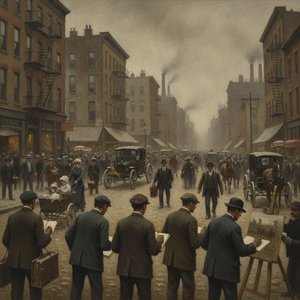
The Ashcan School: Capturing the Raw, Unfiltered Soul of Urban Life through American Realism
Discover the raw beauty of the Ashcan School. Explore how masters like Bellows and Henri captured the gritty, vibrant soul of early 20th-century New York through profound American Realism and evocative urban landscapes.

The Unvarnished Truth: A Cultural Journey Through the Soul of American Realism
Explore the profound beauty of American Realism. From the Ashcan School's urban grit to intimate portraits, discover how artists captured the authentic soul of a nation through unvarnished truth and masterful observation.
Εξερευνήστε έργα τέχνης ταξινομημένα ανά θέμα, στυλ και χαρακτηριστικά.


