Προεπισκόπηση σε πραγματική κλίμακα
 Αποστολή
 Κοινοποίηση
 Λεπτομέρειες
 Οδηγός

 Λήψη
Λήψη
 Παρόμοια αντικείμενα συλλογής
 Ακτινογραφία
 Παρουσίαση
 Ερωτήσεις & Απαντήσεις
 Στατιστικά
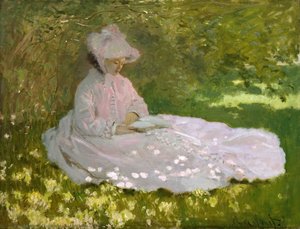
The Black Hat

Admire Winslow Homer’s evocative ‘The Black Hat,’ capturing a serene woman amidst birdsong and grass – a quintessential American Realist portrait rendered with meticulous detail.
 Περισσότερα
Ο Winslow Homer (1836-1910): Εξερευνήστε τον εμβληματικό Αμερικανό Ρεαλιστή και τα έργα του με τη δύναμη των ωκεανών και της αμερικανικής φύσης. Ανακαλύψτε το «Σπογγισμός Νάουσας» και άλλα κλασικά έργα τέχνης.
Giclée / Εκτυπώσεις Τέχνης
Εκτύπωση giclée ή σε καμβά ποιότητας μουσείου με γρήγορη παραγωγή και ευέλικτες επιλογές φινιρίσματος. ( Αγορά χειροποίητου πίνακα Μετάβαση σε Ψηφιακή Αποτέλεσμα)




P118B €10

P118H €10

P118W €10

P438Z €10

P508JH €12

P508YH €12

P805H €10

P805Z €10

P919BZ €10

P919G €10

P919XJ €10

P959ZH €10

P968JZ €12

W106C €8

W218G €10

W218JH €8

W218Y €10

W307PJ €10

W316G €10

W316PJ €8

W316Y €10

W398PJ €8

W4111J €10

W500HY €15

W500JH €15

W692G €12

W849H €8

W940BG €15

W953PJ €8




Πρότυπο
κατόπιν παραγγελίας
CM
INCH
Επιλέξτε από τις προκαθορισμένες διαστάσεις μας που διατηρούν τις αρχικές αναλογίες του έργου τέχνης.
Loading sizes...

πλάτος
ύψος
Εισάγετε το πλάτος και το ύψος που επιθυμείτε, ώστε να ταιριάζουν στο κάδሮ ή στον τοίχο σας. Μια εκτύπωση μπορεί μόνο να υποστεί κοψίμό και ποτέ να μην γίνει μεγαλύτερη από την αρχική εικόνα, επομένως η επιλογή μεγέθους με διαφορετικό σχήμα συνεπάγεται απώλεια ενός μέρους της εικόνας. Σας στέλνουμε ένα ψηφιακό mockup για έγκριση πριν προχωρήσουμε σε οποιαδήποτε εκτύπωση. Η εικόνα που εμφανίζεται σε αυτή τη σελίδα δεν δείχνει την πραγματική κοπή — μόνο το mockup την παρουσιάζει.
Παγκόσμια Αποστολή () σε 2 εβδομάδες αντί για τις συνήθεις 4/5 εβδομάδες. (3 Νοέμβριος)

Δωρεάν γρήγορη διεθνής αποστολή

Κάμβας από Λινό Υψηλής Ποιότητας

Πλήρης ασφάλιση μεταφοράς

Εγγύηση επιστροφής δασμών και φόρων εισαγωγής

Εγγύηση Απόλυτης Ομοιότητας Χρωμάτων

Πολιτική Επιστροφής 100 Ημερών (Μόνο σε περίπτωση ελαττωμάτων)

Εγγύηση επιστροφής 100% των χρημάτων

Προσφορά για πολλαπλές παραγγελίες
 Η επιλογή με γυαλί είναι διαθέσιμη μόνο για μεγέθη κάτω από 110 εκ.

The Black Hat
Giclée / Εκτυπώσεις Τέχνης
Διαστάσεις Αναπαραγωγής
-


Τελική Τιμή
€ 62
A Portrait of Quiet Observation: Exploring Winslow Homer’s “The Black Hat”
Winslow Homer's "The Black Hat," painted sometime around 1875, isn’t merely a depiction of a woman seated in grass; it’s an embodiment of the American Realist movement’s core tenets—a celebration of everyday life imbued with subtle psychological depth. Unlike many artists of his era preoccupied with grand narratives and idealized figures, Homer focused intently on capturing the tangible world around him, prioritizing accuracy and emotional resonance over stylistic flourish. This dedication to observation is immediately apparent in the painting's composition: a woman dressed in simple attire—a long dress—dominates the frame, her gaze directed towards an unseen point beyond the canvas. Scattered birds punctuate the scene, adding dynamism and hinting at themes of freedom and connection with nature – motifs frequently explored by Homer throughout his prolific career.- Style: Homer’s masterful use of watercolor exemplifies the Realist aesthetic. Rejecting academic conventions favoring polished surfaces and dramatic lighting, he favored a muted palette and textured brushstrokes that conveyed the immediacy of observation.
- Technique: The artist employed impasto—thickly applied paint—creating palpable ridges on the canvas surface. This technique wasn’t simply decorative; it served to heighten textural contrast and emphasize Homer's commitment to representing the materiality of his subjects, mirroring the rugged landscapes he often portrayed.
Emotional Impact & Legacy
Ultimately, “The Black Hat” resonates deeply with viewers due to its understated elegance and profound psychological insight. Homer’s ability to convey emotion through subtle gestures and nuanced observation—rather than grand pronouncements—solidifies his position as one of America's greatest painters. It serves as a poignant reminder that beauty can be found in the simplest moments, and that true artistry lies in capturing the essence of human experience with unwavering sincerity. Reproductions of this iconic artwork offer collectors and interior designers alike an opportunity to appreciate Homer’s enduring legacy—a testament to his unwavering devotion to portraying the spirit of his time and continuing to inspire contemplation today.Ερωτήσεις και Απαντήσεις
Πώς εντάσσεται το "The Black Hat" στα θέματα και το στυλ του/της Νάουσα;
Το "The Black Hat" μοιράζεται με τα υπόλοιπα έργα του Νάουσα το στυλ της καλλιτεχνικής σχολής Contemporary Realism και τα επαναλαμβανόμενα θέματα: observation, americanrealism, ruralscenes, narrativeimagery, symbolicrepresentation.
Ποια χρωματική παλέτα χρησιμοποιείται στο "The Black Hat" του Νάουσα;
Η παλέτα του έργου "The Black Hat" του Νάουσα περιγράφεται ως Neutrals. Πρόκειται για μια συνοπτική περιγραφή των χρωμάτων του έργου.
Πού μπορώ να βρω έργα τέχνης παρόμοια με το "The Black Hat" του Νάουσα;
Στη σελίδα Παρόμοια έργα του έργου μπορείτε να βρείτε œuvres παρόμοιες με το "The Black Hat" του Νάουσα.
Σχετικά Έργα Τέχνης




Βιογραφικό Καλλιτέχνη
Winslow Homer: Ένας Ποιητής του Αμερικανικού Ονείρου
Winslow Homer, γεννημένος στο Βοστώνη το 1836, δεν σχήμασε από τις παραδοσιακές ευρωπαϊκές ακαδημίες τέχνης που διαμόρφωσαν πολλούς από τους συναδέλμους του. Αντίθετα, αναδύθηκε από μια ξεχωριστή αμερικανική εμπειρία, βαθιά ριζωμένη στην πρακτικότητα και την παρατήρηση. Το ταξίδι του ξεκίνησε όχι με μεγαλειώδη ιστορική σκηνή αλλά ως εμπορικός ζωγράφος στα δώδεκα του για το Harper's Weekly. Αυτή η πρώιμη εκπαίδευση ήταν καθοριστική, καλλιεργώντας μια εξαιρετική ικανότητα να αποτυπώνει σκηνές με σαφήνεια και λεπτομέρεια – δεξιότητες που θα γίνονταν χαρακτηριστικά της ώριμης τέχνης του. Δεν έμαθε προοπτική στο Παρίσι· έμαθε να *βλέπει* την Αμερική, τον λαό της και την εξελισσόμενη ιστορία της. Οι πολυσύλεπτες οδούς του Βοστώνης, η ήσυχη αξιοπρέπεια της αγροτικής Νέας Εγγαστείας ζωής ήταν οι πρώτοι θεματικοί του στόχοι, απεικονισμένοι με ακρίβεια που προερχόταν από την ανάγκη για τα μέσα μαζικής ενημέρωσης. Αυτή η βάση επέτρεψε τη μετάβαση στην ζωγραφική αρχικά σε υδατογραφία πριν ενθουσιαστεί πλήρως με τις εκφραστικές δυνατότητες της λάδι καις.Από Παράδοση στις Αποκαλύψεις της Φύσης
Οι πρώιμες ζωγραφιές του Homer απεικόνισαν ιδεακές σκηνές· παιδιά παίζουν, αγρότες περιποιούνται τους αγρούς τους, ήσυχοι στιγμές οικειότητας. Αυτές οι εργασίες ήταν γοητευτικές αλλά υποδήλωναν μια βαθύτερη καλλιτεχνική ευαισθησία που περίμενε να απελευθερωθεί. Ο καταλύτης για αυτή τη μεταμόρφωση ήταν αναμφίβολα ο Πόλεμος Αμερικής. Ως ανταποκριτής πολέμου στο Harper's Weekly ο Homer έγινε μάρτυρας πρώτο λόγο των βαρβαρικών πραγματικότητων της σύγκρουσης. Δεν επικεντρώθηκε σε ηρωικές μάχες ή μεγάλες στρατηγικές· αντίθετα κατέγραψε την καθημερινή ζωή στρατιωτών και πολιτών τις ήσυχες στιγμές πένθους και ανθεκτικότητας ανάμεσα στην αναρχία. Αυτή η εμπειρία άλλαξε βαθιά το καλλιτεχνικό του όραμα. Οι παραδοσιακές σκηνές έδωσαν τη θέση τους σε πιο προκλητικά θέματα· πολεμιστές που αγωνίζονται με τον τραυματισμό απελευθερωμένοι Αμερικανοί που πλοηγούνται έναν νέο κόσμο και η σκληρή ομορφιά τοπίων που έχουν αγγίξει την άσχημη κατάσταση. Ξεκίνησε να διερευνήσει θέματα αγώγου απομόνωσης και της ανθρώπινης ευθραύσης. Ο στυλ του επίσης εξελίχθηκε γίνοντας πιο τολμηρός και πιο άμεσος αντανακλώντας την σκληρή συναισθηματική επίδραση αυτού που είχε παρακολουθήσει.Μαζί με τον Πειρασμό της Φύσης και τις Αποκαλύψεις του Πολέμου
Η καλλιτεχνική τεχνική του Homer ήταν άμεσα αναγνωρίσιμη για την σταθερότητα και την υφή της. Δεν ενδιαφερόταν για περνάμενες εντυπώσεις· ήθελε να δημιουργήσει μια αίσθηση συγκεκριμένης πραγματικότητας στην καμβά. Οι λάδι καις του είναι χαρακτηριστικά μιας άμεσης προσέγγισης ζωγραφικής χωρίς την αναγκαιότητα να χρησιμοποιηθούν οι τεχνικές των ευρωπαίων καλλιτεχνών αλλά για να αποτυπωθεί η ουσία της χώρας του με αληθοφάνεια χωρίς ρομαντισμό ή ιδανισμό. Δεν είχε σκοπό να μιμηθεί τις ευρωπαϊκές παραδόσεις· ήθελε να δημιουργήσει τέχνη που ήταν μοναδική για την Αμερική αντανακλώντας τους τόπους της τον λαό της και τις προκλήσεις του. Η επιρροή των Ευρωπαίων καλλιτεχνών όπως οι Βαρμπιζόν ήταν σημαντική αλλά ο Homer κατάφερε να δημιουργήσει ένα έργο τέχνης που ήταν μοναδικό για την Αμερική αντανακλώντας τον τόπο της τον λαό της και τις προκλήσεις του. Η καλλιτεχνική του τεχνική ήταν ιδιαίτερα χαρακτηριστική καθώς χρησιμοποιούσε μια άμεση προσέγγιση ζωγραφικής χωρίς να χρειάζεται να χρησιμοποιηθούν οι τεχνικές των Ευρωπαίων καλλιτεχνών αλλά για να αποτυπωθεί η ουσία της χώρας του με αληθοφάνεια χωρίς ρομαντισμό ή ιδανισμό. Η αναγνώριση του ήταν εμφανής στις εργασίες μεταγενέστερων Αμερικαίων ζωγράφων που επιδίωξαν να απεικονίσουν τη δική τους χώρα με παρόμοια άμεση και συναισθηματική εμβέλεια.Μια Κληρονομιά Σχηματισμένη στην Αμερικανική Πραγματικότητα
Η τέχνη του Homer προσφέρει μια βαθιά γνώση της αμερικανικής ιστορίας τον 19ο αιώνα παρέχοντας πολύτιμες πληροφορίες για το κοινωνικό πολιτικό και πολιτιστικό τοπίο της εποχής του. Οι πίνακές του δεν είναι απλώς όμορφα έργα τέχνης αλλά ισχυρές δηλώσεις σχετικά με την ανθρώπινη ανθεκτικότητα την ομορφιά και τη δύναμη της φύσης και τις πολυπλοκότητες της αμερικανικής εμπειρίας. Δεν ήταν μόνο ζωγράφος· ήταν ιστορικός καταγραφής που διατήρησε μια στιγμή στην ιστορία για τις επόμενες γενιές. Η καλλιτεχνική του τεχνική ήταν ιδιαίτερα χαρακτηριστική καθώς χρησιμοποιούσε μια άμεση προσέγγιση ζωγραφικής χωρίς να χρειάζεται να χρησιμοποιηθούν οι τεχνικές των Ευρωπαίων καλλιτεχνών αλλά για να αποτυπωθεί η ουσία της χώρας του με αληθοφάνεια χωρίς ρομαντισμό ή ιδανισμό. Η καλλιτεχνική του τεχνική ήταν ιδιαίτερα χαρακτηριστική καθώς χρησιμοποιούσε μια άμεση προσέγγιση ζωγραφικής χωρίς να χρειάζεται να χρησιμοποιηθούν οι τεχνικές των Ευρωπαίων καλλιτεχνών αλλά για να αποτυπωθεί η ουσία της χώρας του με αληθοφάνεια χωρίς ρομαντισμό ή ιδανισμό. Η καλλιτεχνική του τεχνική ήταν ιδιαίτερα χαρακτηριστική καθώς χρησιμοποιούσε μια άμεση προσέγγιση ζωγραφικής χωρίς να χρειάζεται να χρησιμοποιηθούν οι τεχνικές των Ευρωπαίων καλλιτεχνών αλλά για να αποτυπωθεί η ουσία της χώρας του με αληθοφάνεια χωρίς ρομαντισμό ή ιδανισμό. Η καλλιτεχνική του τεχνική ήταν ιδιαίτερα χαρακτηριστική καθώς χρησιμοποιούσε μια άμεση προσέγγιση ζωγραφικής χωρίς να χρειάζεται να χρησιμοποιηθούν οι τεχνικές των Ευρωπαίων καλλιτεχνών αλλά για να αποτυπωθεί η ουσία της χώρας του με αληθοφάνεια χωρίς ρομαντισμό ή ιδανισμό. Η καλλιτεχνική του τεχνική ήταν ιδιαίτερα χαρακτηριστική καθώς χρησιμοποιούσε μια άμεση προσέγγιση ζωγραφικής χωρίς να χρειάζεται να χρησιμοποιηθούν οι τεχνικές των Ευρωπαίων καλλιτεχνών αλλά για να αποτυπωθεί η ουσία της χώρας του με αληθοφάνεια χωρίς ρομαντισμό ή ιδανισμό. Η καλλιτεχνική του τεχνική ήταν ιδιαίτερα χαρακτηριστική καθώς χρησιμοποιούσε μια άμεση προσέγγιση ζωγραφικής χωρίς να χρειάζεται να χρησιμοποιηθούν οι τεχνικές των Ευρω
Νάουσα
1836 - 1910 , Ηνωμένες Πολιτείες της Αμερικής
Γρήγορα στοιχεία
- Artistic Movement Or Style: Αμερικανική Ρεαλιστική Τέχνη
- Artists Or Movements Influenced By This Artist: ['Αμερικανοί ζωγράφοι']
- Artists Who Influenced This Artist:
- Βαρμπιζόν Σχολή
- Κούρβε
- Date Of Birth: Φεβρουάριος 24, 1836
- Date Of Death: Σεπτεμβρίου 29, 1910
- Full Name: Winslow Homer
- Nationality: Αμερικανός
- Notable Artworks:
- Επικίνδυνος Πύλης
- Ρεύμα του Κόλπου
- Αθώα
- Place Of Birth: Βοστώνη, ΗΠΑ
Σχετικά άρθρα

The Unvarnished Truth: A Cultural Journey Through the Soul of American Realism
Explore the profound beauty of American Realism. From the Ashcan School's urban grit to intimate portraits, discover how artists captured the authentic soul of a nation through unvarnished truth and masterful observation.
Εξερευνήστε έργα τέχνης ταξινομημένα ανά θέμα, στυλ και χαρακτηριστικά.